
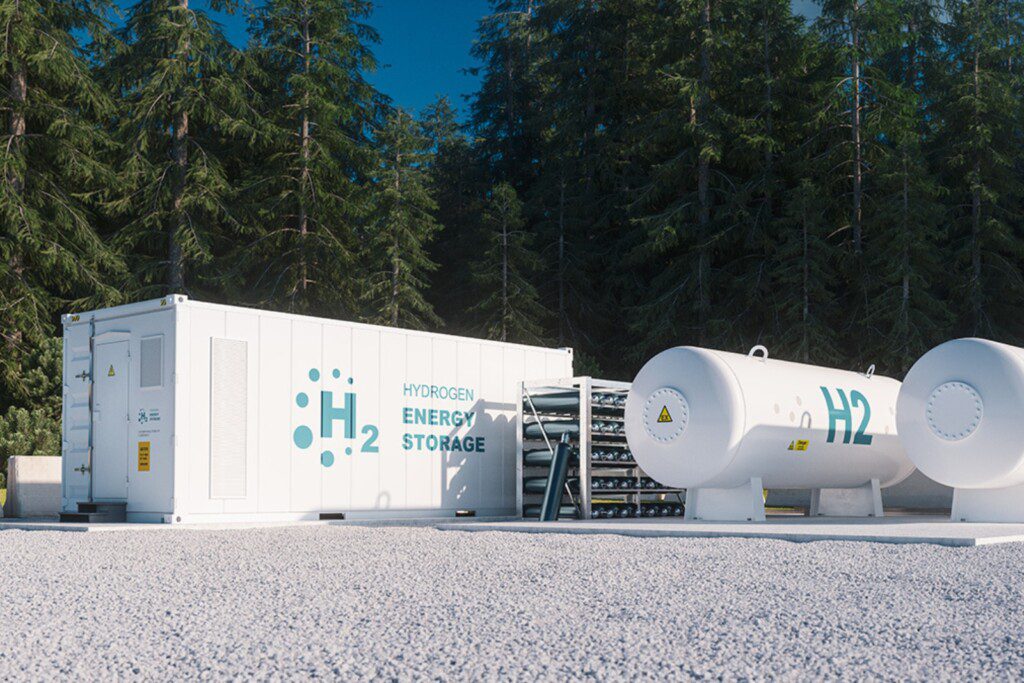
Hydrogen’s flammability, buoyancy, and its ability to embrittle metals present unique challenges in system design, making it essential to have expert support in managing these risks.
Our consulting team is experienced across the entire hydrogen supply chain, offering a comprehensive range of safety studies tailored to your facility’s needs, whether you’re dealing with compressed or liquefied hydrogen.
Comprehensive Hydrogen Safety Support
- Early-Stage Risk Analysis: Identify potential hazards in the initial design phase to ensure a safe and reliable hydrogen system.
- Full Facility Risk Analysis: Map risk exposure both on-site and off-site, covering the entire facility lifecycle.
- Safety Study Verification: Ensure your safety studies comply with all relevant standards and regulations.
- Advanced Modelling: Detailed simulation of hydrogen release and explosion consequences using FLACS, our proprietary 3D Computational Fluid Dynamics software.
- Quantitative Risk Analysis: Essential for siting and licensing, this service helps verify structural responses and ensures compliance with safety standards.

Why Choose Gexcon?
Gexcon’s extensive experience in hydrogen safety, combined with our cutting-edge tools like FLACS, ensures that the risks associated with hydrogen are thoroughly evaluated and managed. We provide practical recommendations to improve your safety performance, ensuring that your hydrogen systems are both safe and compliant with regulatory standards.
Book your free consultation
Ensure your hydrogen systems are designed with safety and compliance in mind. Fill out the form to schedule your free consultation and learn how Gexcon can assist you in managing the unique challenges of hydrogen safety.