Flammable liquids and gases are integral to countless industrial processes, but their inherent risks demand rigorous safety management to prevent fires and explosions.
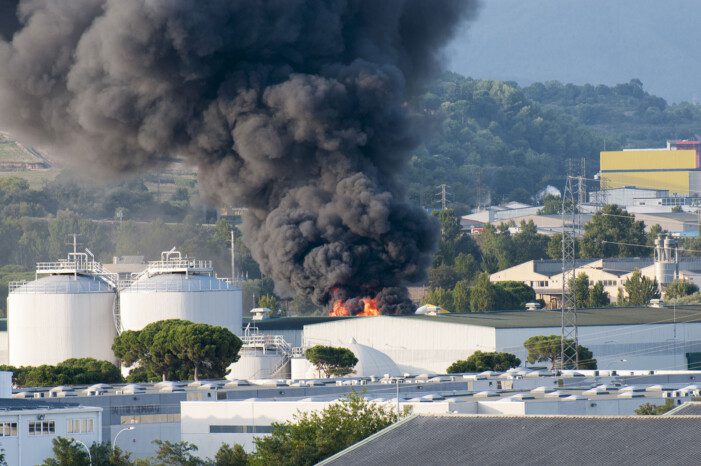
Flammable liquids and gases are integral to countless industrial processes, but their inherent risks demand rigorous safety management to prevent fires and explosions.
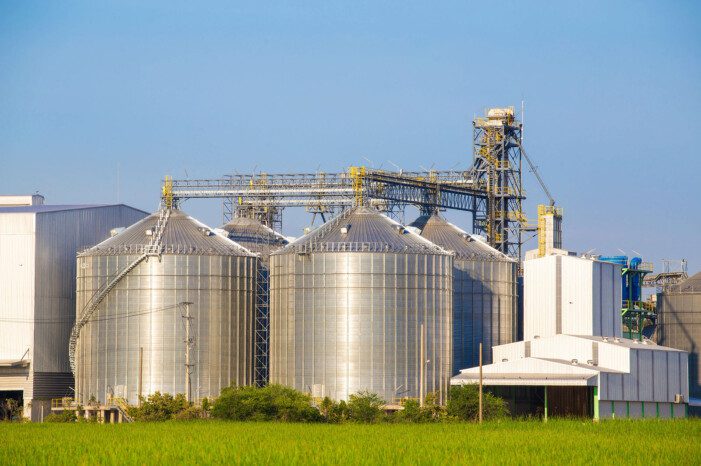
Combustible dust is a hidden yet serious hazard across many industries, with the potential to cause devastating explosions and fires.
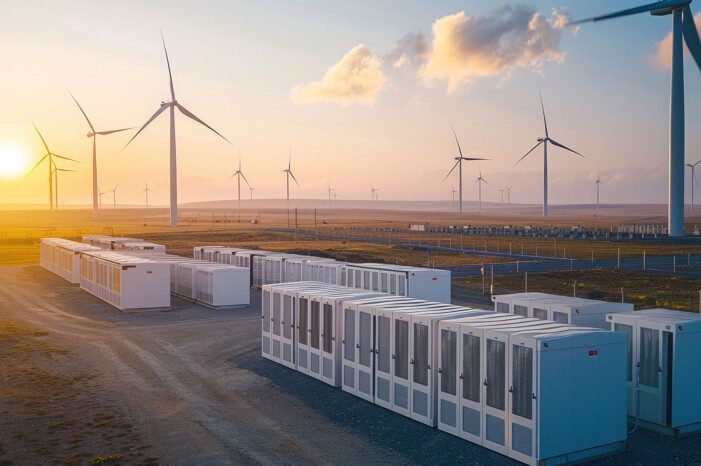
As the demand for battery energy storage systems (BESS) grows, so does the need to manage the unique risks they present.
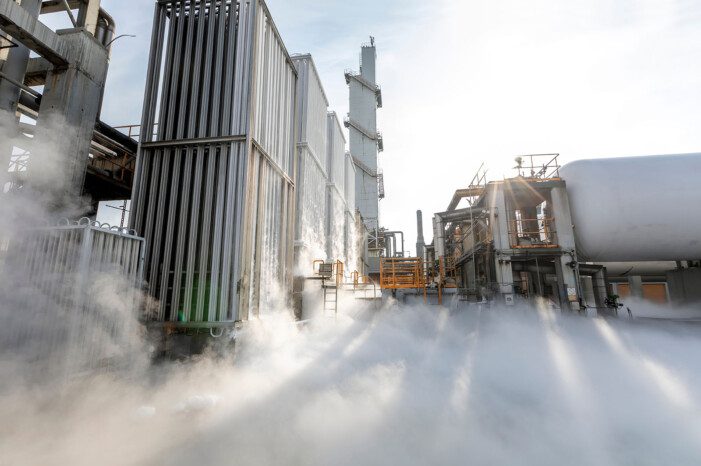
Carbon dioxide is used across numerous different industries and applications from welding operations to the food and drink industry.
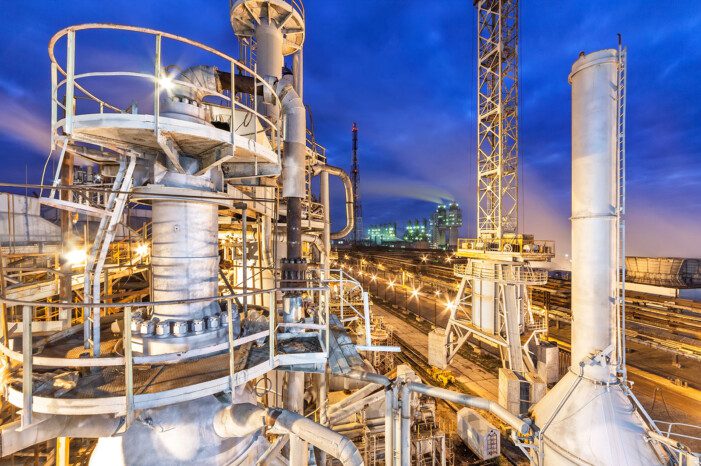
Ammonia is essential in many industries, from fertiliser production to emerging energy solutions however its toxic and flammable properties require robust safety measures.
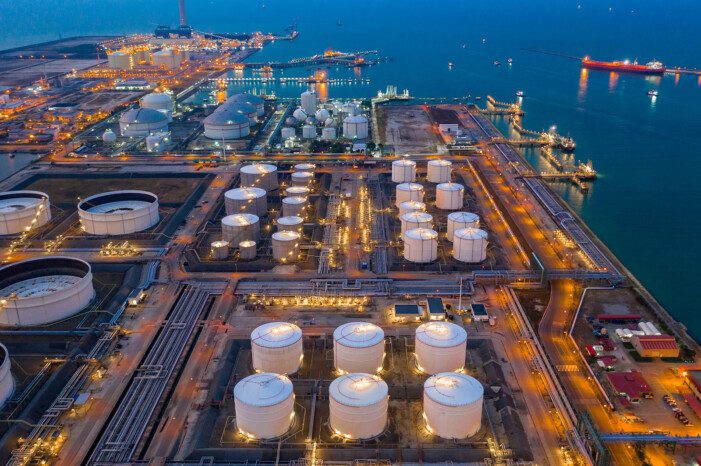
Cryogenic and flammable properties present unique safety challenges, including the risks of rapid phase transitions, vapor cloud dispersion, and fire hazards.
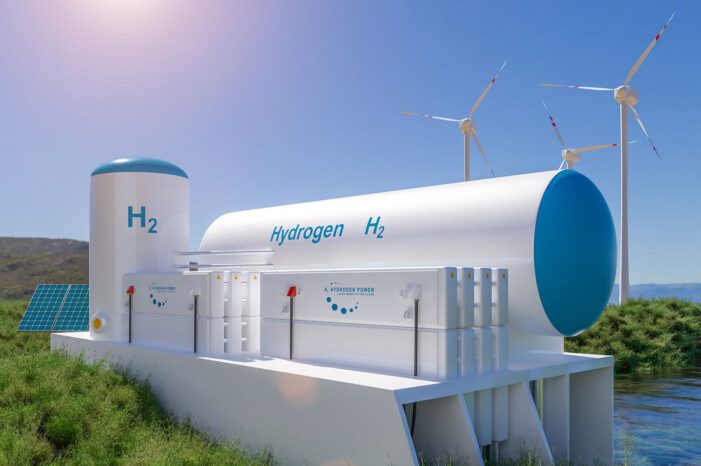
Hydrogen is key in the transition to sustainable energy, offering a versatile, low-carbon solution but its unique properties require careful management to ensure safety.
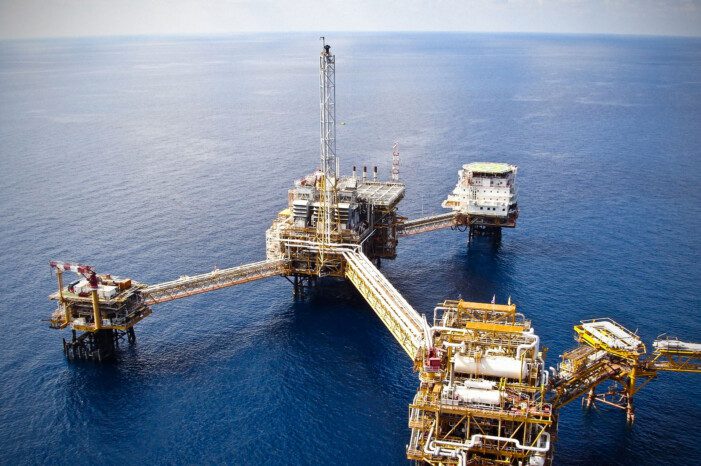
The decommissioning phase involves the safe and compliant closure of facilities and processes, ensuring risks are managed and environmental impacts are minimised.

Over time, modifications are required across facilities due to safety and operational improvements, equipment failures or changing business needs.
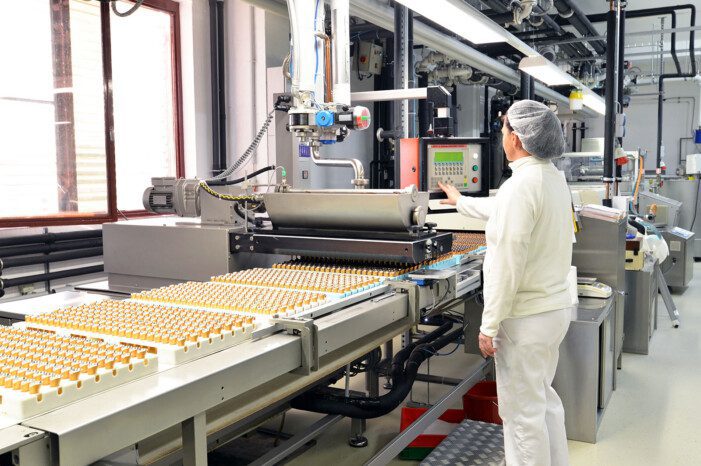
The operation phase focuses on maintaining the safety, efficiency and reliability of your facility.
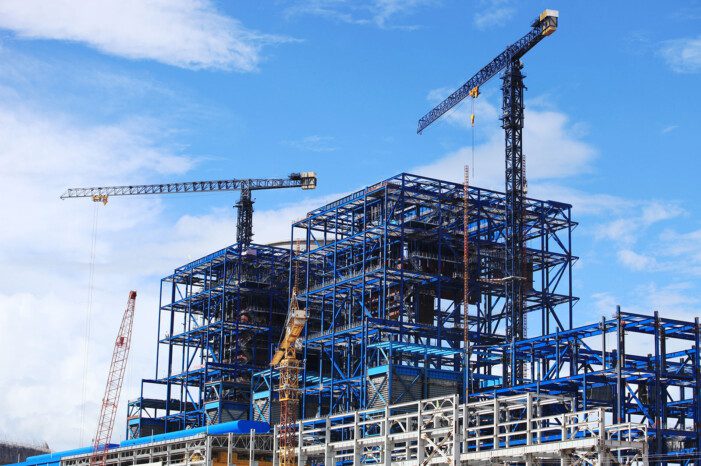
The construction phase involves turning plans into reality while maintaining a focus on safety, quality and efficiency.
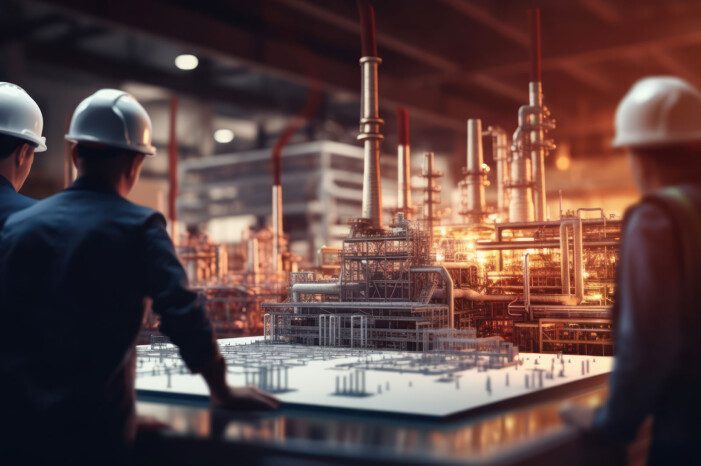
The FEED phase focuses on turning feasibility concepts into detailed, actionable designs and plans, laying a solid foundation for safe and successful project execution.
