Why the MIT for Dust Layer Test Matters
The MIT for Dust Layer Test is important for any environment where dust can settle on equipment or surfaces. It helps you:
- Set safe maximum surface temperatures for electrical and mechanical equipment to avoid dust layer ignition
- Lower the risk of smouldering, fire, or explosion caused by heat build-up under dust deposits
- Choose equipment suitable for use in areas with combustible dust, especially where avoiding ignition sources is part of your safety strategy
- Meet regulatory requirements under frameworks such as ATEX, DSEAR, and other workplace safety standards
By understanding how your dust behaves on hot surfaces, you can put the right controls in place to protect your people, equipment, and operations.
Contact usExamples of MIT for Dust Cloud and Dust Layer for Common Workplace Materials
The table below shows typical Minimum Ignition Temperatures for Dust Clouds and Dust Layers for a range of commonly handled materials. It highlights how ignition risks can differ depending on whether the dust is suspended in air or settled as a layer on a surface.
These values are only typical examples. Actual ignition temperatures can vary depending on particle size, moisture content, and how the material is processed or stored. Testing your own product is essential for accurate risk assessment and to ensure the right safety measures are in place.
The difference between cloud and layer ignition temperatures shows why both should be considered when evaluating fire and explosion risks in dusty environments.
| Dust Type | MIT (Cloud) | MIT (Layer) |
|---|---|---|
| Aluminum | 520–640°C | 310–400°C |
| Wood | 430–490°C | 260–290°C |
| Cellulose | 420–500°C | 250–300°C |
| Flour | 380–490°C | 300–340°C |
| Plastic | 390–510°C | 280–350°C |
Testing Methodology
Minimum Ignition Temperature (MIT) for Dust Layer testing is carried out following recognised international standards to ensure reliable and consistent results:
- EN ISO/IEC 80079-20-2:2016 – Explosive atmospheres – Part 20-2: Material characteristics – Combustible dust test methods
- EN 50281-2-1:1998 – Electrical apparatus for use in the presence of combustible dust – Part 2-1: Methods for determining the minimum ignition temperatures of dust
These standards guide the procedure for determining the temperature at which a dust layer can ignite on a heated surface, helping ensure your equipment and processes remain within safe limits.
Value to Your Business
- Helps you select equipment that won’t overheat and cause ignition when dust builds up on surfaces
- Supports safe design of maintenance schedules and housekeeping practices to control dust accumulation
- Reduces the risk of unplanned downtime, equipment damage, or costly incident response
- Provides data you can use in risk assessments, safety cases, or insurance documentation
- Offers a practical step toward meeting your responsibility under workplace safety regulations
Featured Insights
Explore relevant materials providing insights into our service.

Dust explosion: an introduction
Learn what causes dust explosions, why they’re dangerous, and how to reduce the risk in industrial environments.
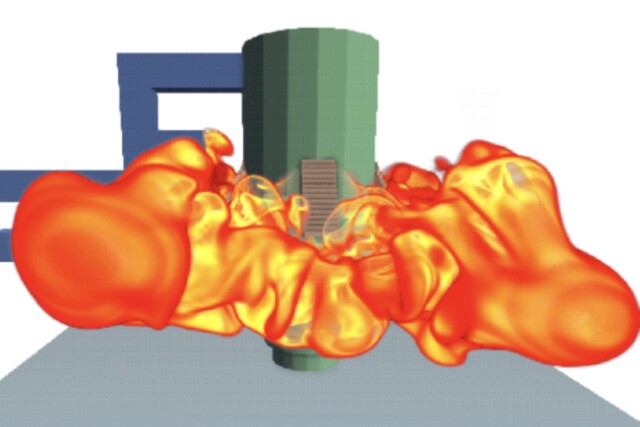
Investigation Findings And Lessons Learned In The 2014 Georgia Pacific Corrigan Facility Fire And Explosion
This paper discusses the proximate causes of the 2014 Georgia Pacific Corrigan Facility fire and explosion and its root causes.
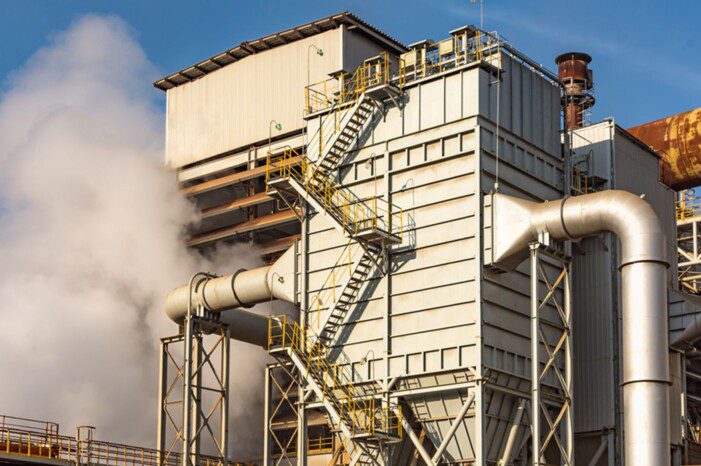
How to properly design your dust explosion protective systems
Learn how poor dust system design led to a major plant explosion and what steps to take to prevent similar combustible dust incidents.
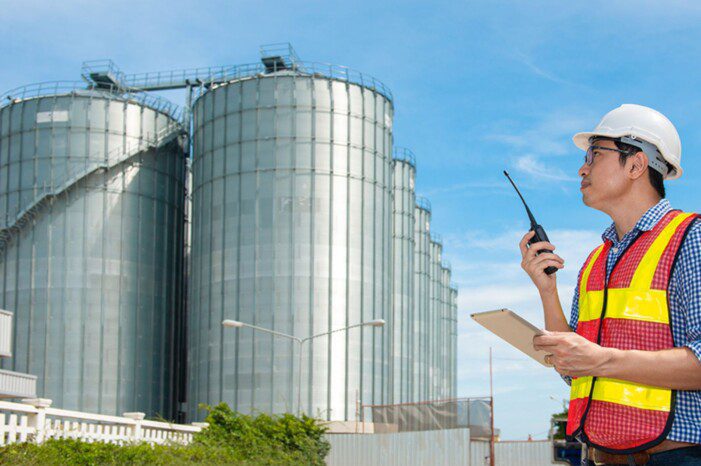
Dust hazard analysis and prevention, the hierarchy of controls, and practical implementation
Learn the practical steps to assess fire and explosion risks from bulk solids and demonstrate ALARP for regulatory and standard compliance/

Fundamentals of fire and explosion from handling bulk solids
Learn how to assess and prevent fires and explosions from flammable bulk solids.
Validate your project with proven test data
Work with our specialists to get insights you need for smarter decisions.
Comprehensive combustible dust testing services
- Explosibility Screening Test (Yes/No) Read more
- Minimum Ignition Energy (MIE) of Dust Cloud Test Read more
- Minimum Ignition Temperature (MIT) of Dust Cloud Test Read more
- Minimum Ignition Temperature (MIT) of Dust Layer Test Read more
- Explosion Severity Test (Pmax, dP/dt, KST) Read more
- Lower Explosion Limit Test (LEL, MEC) Read more
- Limiting Oxygen Concentration (LOC) Test Read more
- Burning Behaviour Test Read more
- Dust / Powder Resistivity Test Read more
- Hot Storage Test in Wire Baskets (Self-Ignition Temperature) Read more
- Electrostatic Hazard Tests Read more
- UN Transportation Tests (UN Class 4) Read more
