
Both planned activities, such as introducing new hazardous materials or modifying installations, and unplanned events, like equipment failures or fire and explosion risks, can lead to serious disruptions.
These pose threats to human health, the environment, and can result in significant financial loss.
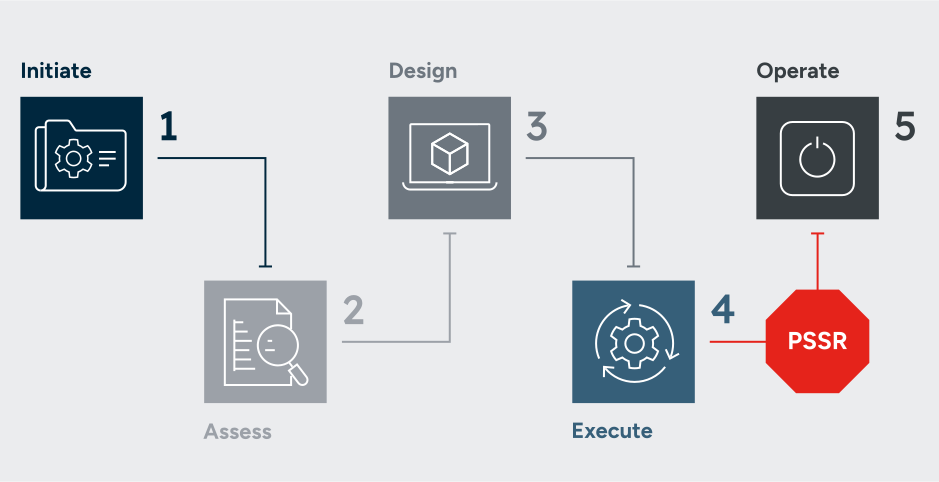
PSSR is a critical requirement under standards and regulations such as OSHA’s Process Safety Management (PSM) standard, the Seveso III Directive, and CCPS Guidelines.
These stress the importance of reviewing all essential elements including design, construction, operational procedures, and safety systems, to ensure they are fully functional before start-up.
Our Approach
Conducting a PSSR presents the opportunity to review and verify that a facility, process, or equipment is ready to begin or resume operations safely.
It also ensures that all safety measures and emergency procedures are suitable and sufficient should an incident occur.
Our approach includes:
- Define the scope of the project
- Identify the system, modifications, or boundaries that are going to be reviewed.
- Identify the project team members
- Include members of the operations, maintenance, safety and engineering departments and those with knowledge of the equipment and processes.
- Review project documentation
- It’s important to review and verify that the compiled documentation represents the entire scope of the system being evaluated. This includes P&IDs, SOPs, risk assessments, process descriptions and flowcharts, and training materials.
- Conduct a field inspection
- A physical inspection of the equipment, controls and safety systems is conducted to ensure they are properly installed and fully operational.
- Verify safety training
- Ensure that all personnel are properly trained and informed of procedures for startup, shutdown and emergency preparedness.
- Check Compliance
- It’s important to ensure that all regulatory requirements, permits and risk mitigation measures are in place.
- Document findings and assign
- Document and prioritise findings into critical and non-critical issues, making recommendations for corrective actions and who will be responsible for follow-up.
- Prepare the report
- Include the date the PSSR was conducted, list of team members, a project overview and recommendations before issuing to plant management (and/or other related stakeholders) for review and readiness for startup.

Value to your business
Our Pre-Start Up Safety Reviews (PSSR) service helps your business by:
- Reducing the risk of incidents by ensuring all safety systems and procedures are in place before start-up or restart
- Minimising costly downtime by identifying and resolving issues early in the process
- Improving operational readiness with a structured review of systems, documentation, and personnel training
- Strengthening compliance with regulatory standards such as OSHA PSM, Seveso III, and CCPS Guidelines
- Supporting safe integration of process changes, new materials, or equipment upgrades
- Gaining clear, actionable insights through documented findings and recommendations to support informed decision-making
Featured Insights
Explore relevant materials providing insights into our service.

Working with the UK’s first ever multifunctional LNG Terminal
Learn how Gexcon supported safety assessments for the UK’s first multifunctional LNG terminal through advanced modelling and expertise.

Why choose Gexcon?
At Gexcon, we support clients across a broad range of high-hazard industries with their PSSR requirements.
Our team of industry experts provide a structured, thorough approach to PSSR and can support the creation of checklists, reviewing key documentation, confirming the implementation of safety systems, and reviewing operational procedures.
We ensure a seamless integration of PSSR findings into broader safety management systems, enhancing operational reliability while minimising risk.
Need a partner to help drive your project forward?
Our experts are here to help.
Other Process Safety and Operational Assurance Services
Explore more services to help keep your operations safe, efficient, and compliant with industry regulations.
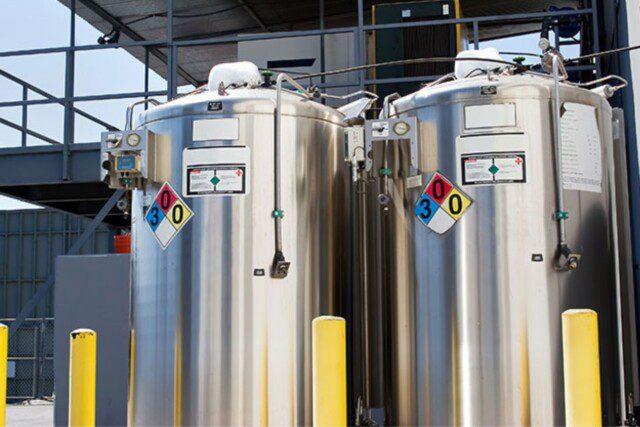
Hazardous Area Classification (HAC)
Identify and classify hazardous areas to control ignition sources, reduce explosion risk, and stay compliant with safety regulations.

Facility Siting
Assess and manage risks to people, equipment, and buildings with facility siting studies to support safe site selection and layout optimisation.
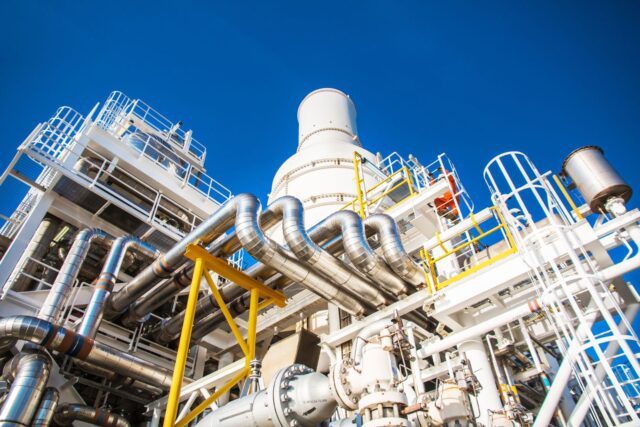
Regulatory and Industry Standard Compliance Audits
Identify compliance gaps and receive tailored guidance to meet regulatory standards, ensure safe operations, and align with best practices.
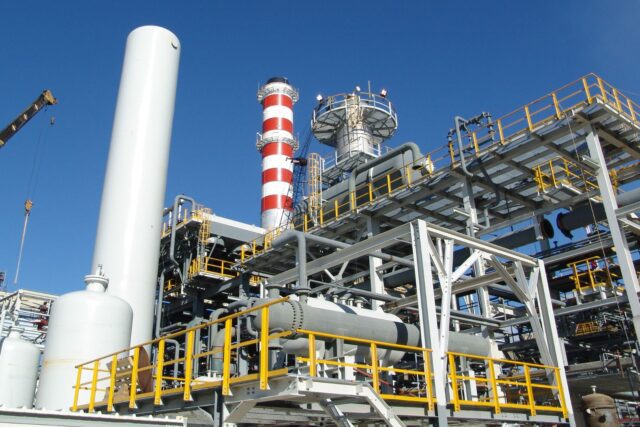
Structural Response and Integrity Analysis
Evaluate the performance of your structures under explosions, impacts, and fire scenarios to ensure safety compliance. Quantitatively assess and mitigate risks associated with extreme loads.
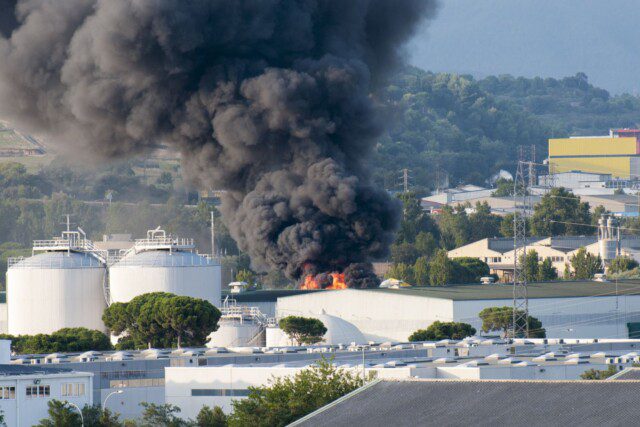
Emergency Response Planning
Plan and prepare for emergencies with clear response strategies to reduce risks from fires, explosions, and chemical incidents.

Safety Training and Competency Development
Build workforce competency with safety training that helps teams manage risks, meet regulations, and improve safety culture.
