What is DSEAR?
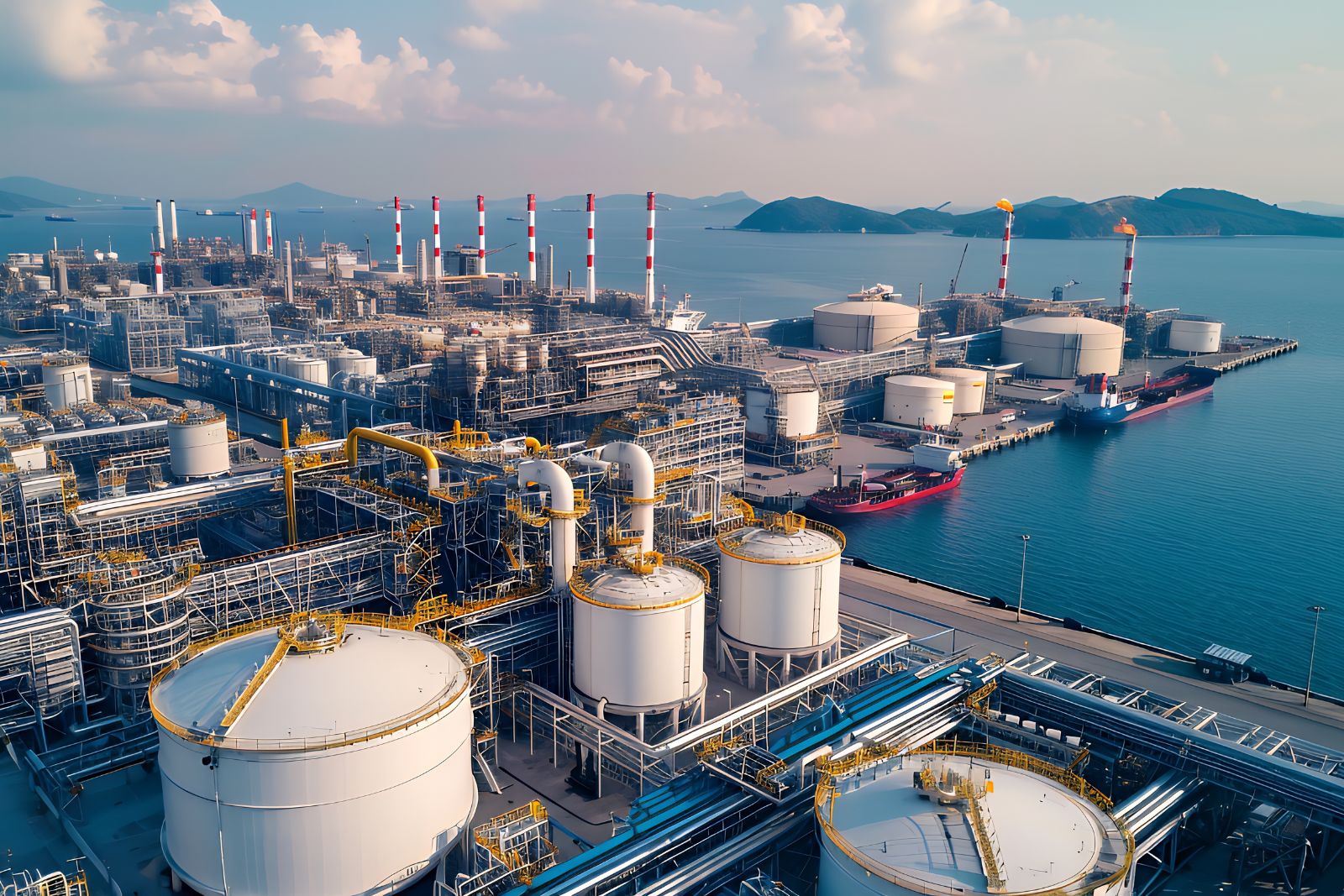
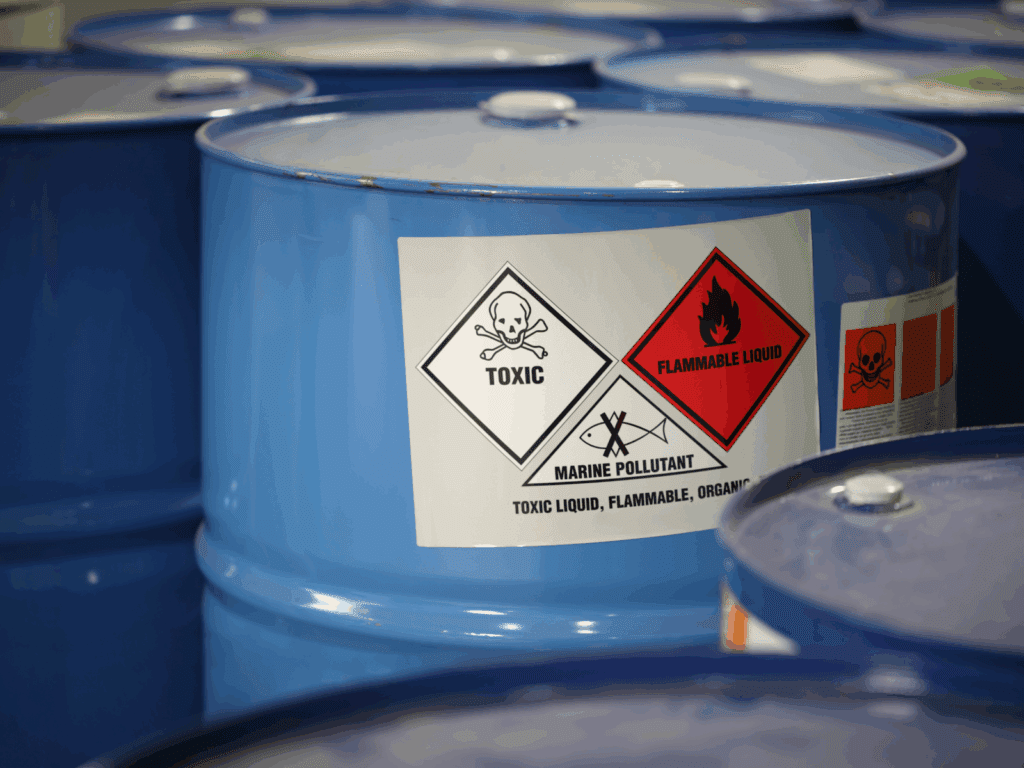
The majority of industries in the UK handle hazardous materials which can present a risk to people in the way they are handled, stored or processed.
In the UK, the Dangerous Substances and Explosive Atmospheres Regulations 2002 (DSEAR) place the onus on employers to manage the risk to people in their workplace which may arise due to the presence of these hazardous materials.
What Hazardous Substances are covered under DSEAR?
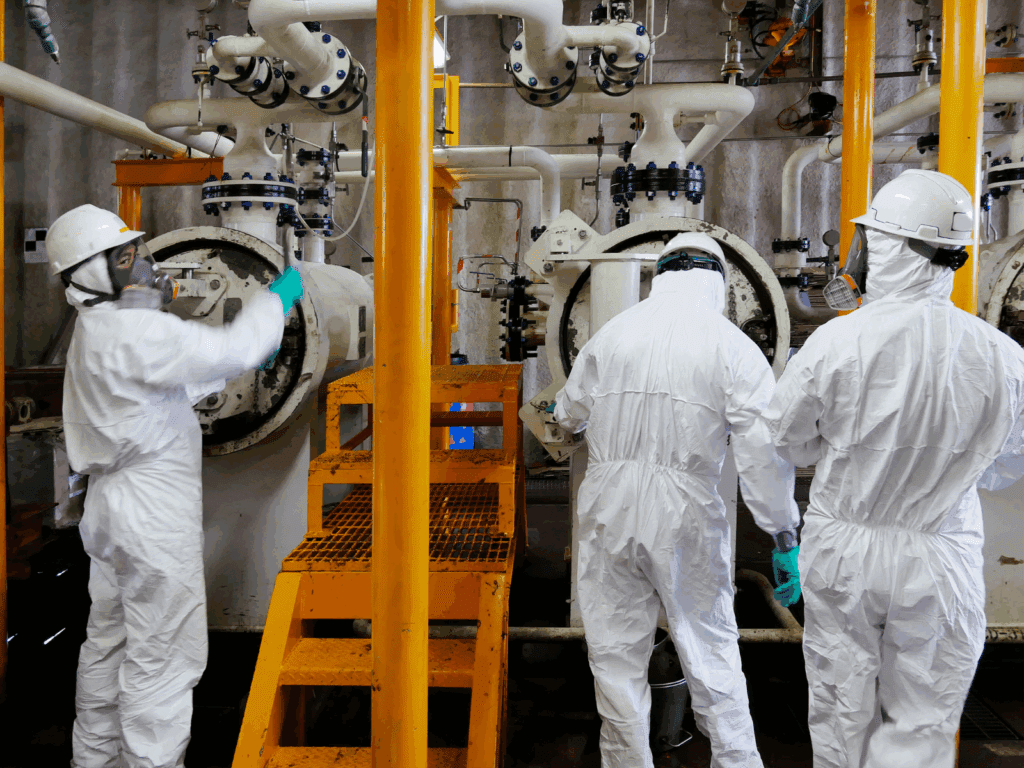
The materials considered under DSEAR include flammable and explosive substances, in addition to gases under pressure and substances corrosive to metals, which, if adequate safeguards are not in place, could harm people in the workplace due to incidents such as fires, explosions and similar energy-releasing events.
These substances can be found in nearly all workplaces and include materials such as solvents, paints, varnishes, flammable gases, including liquid petroleum gas (LPG), dust from machining and sanding operations, dust from foodstuffs and so forth.
Why is DSEAR compliance important?
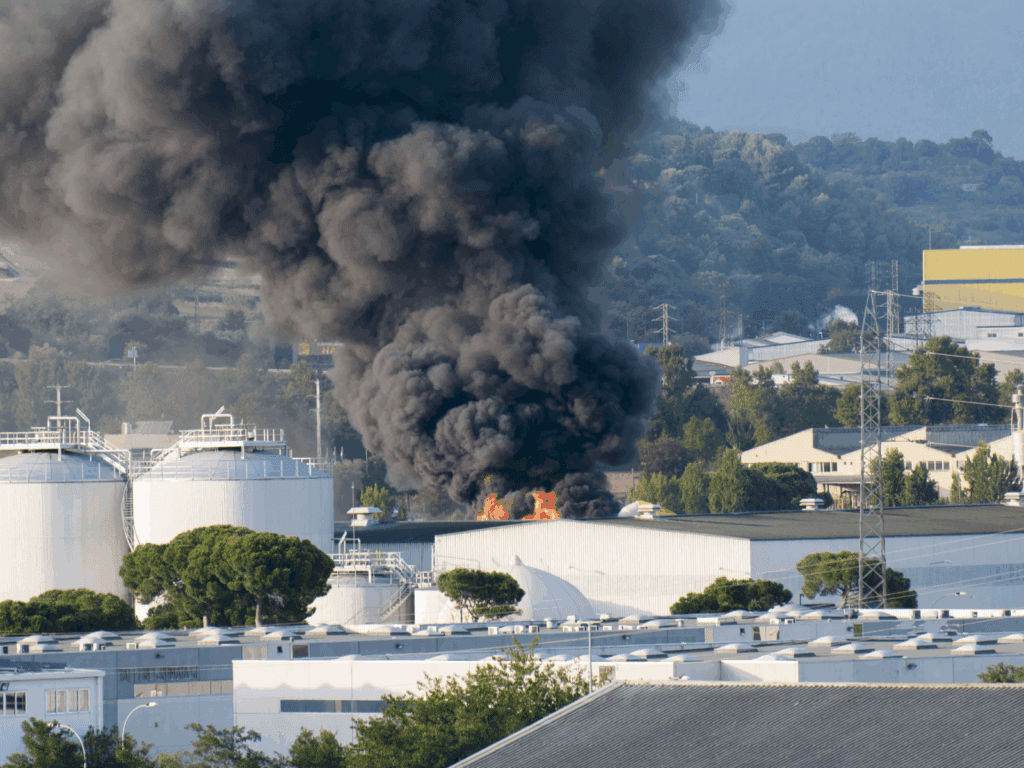
The Dangerous Substances and Explosive Atmospheres Regulations are crucial for creating a safe working environment in industries where there are risks of fires, explosions and similar events.
DSEAR is law in the UK and employers must comply with its requirements to protect their workforce, maintain operational integrity, prevent potentially catastrophic incidents from occurring and remain compliant with the regulations.
What are the core requirements under DSEAR?
DSEAR is a UK specific regulation which places a number of responsibilities on employers. The following provides a summary of the core requirements within the regulations:
- Risk assessment (Regulation 5)
- Employers must assess and mitigate risks related to the storage, handling, and use of dangerous substances that are, or could be, present in the workplace.
- Risk control measures (Regulation 6)
- Employers must implement suitable risk control measures where hazards associated with dangerous substances are identified such that the risk is reduced to as low as reasonably practicable (ALARP).
- Hazardous area classification (Regulation 7)
- Employers must identify areas where explosive atmospheres could occur during normal operation and expected deviations and malfunctions, and classify these areas into hazardous or non-hazardous zones depending on the likelihood an explosive atmosphere may occur.
- Employee training (Regulation 9)
- Employers must provide adequate training and information to workers and contractors who may be at risk due to the presence of dangerous substances on site so that they may conduct their work safely.
Equipment Requirements
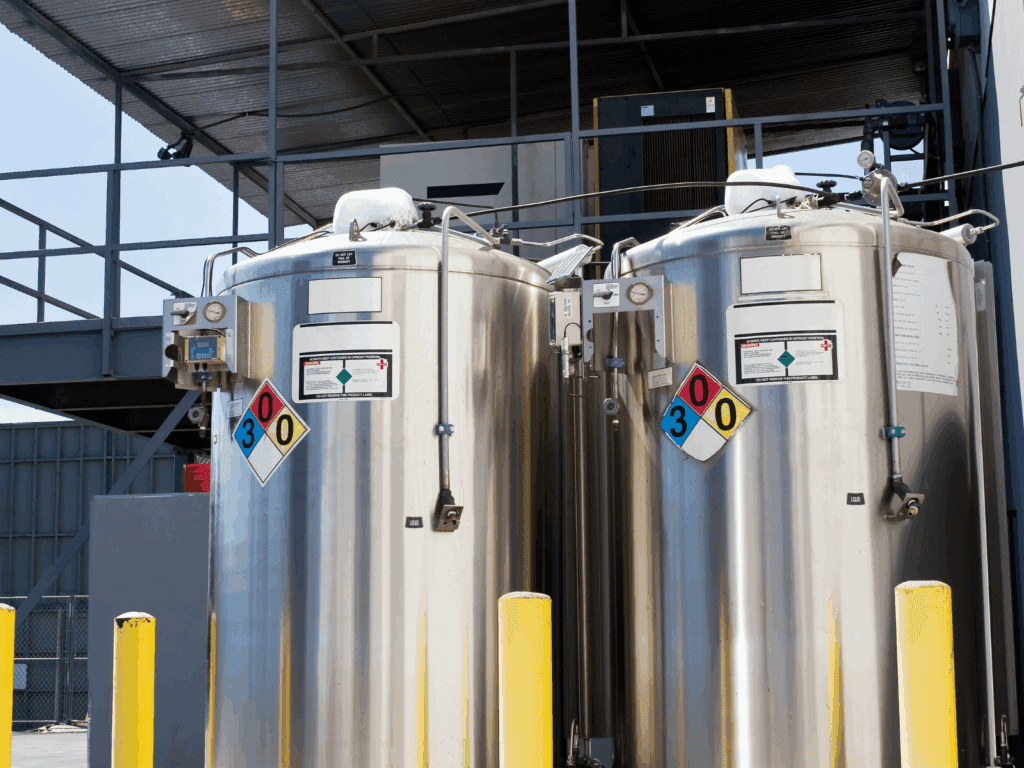
DSEAR additionally sets the requirements for equipment which is located within classified hazardous areas. This is commonly known as ATEX equipment, the purpose of which is to control ignition sources within explosive atmospheres to reduce the risk to people.
Additional Requirements
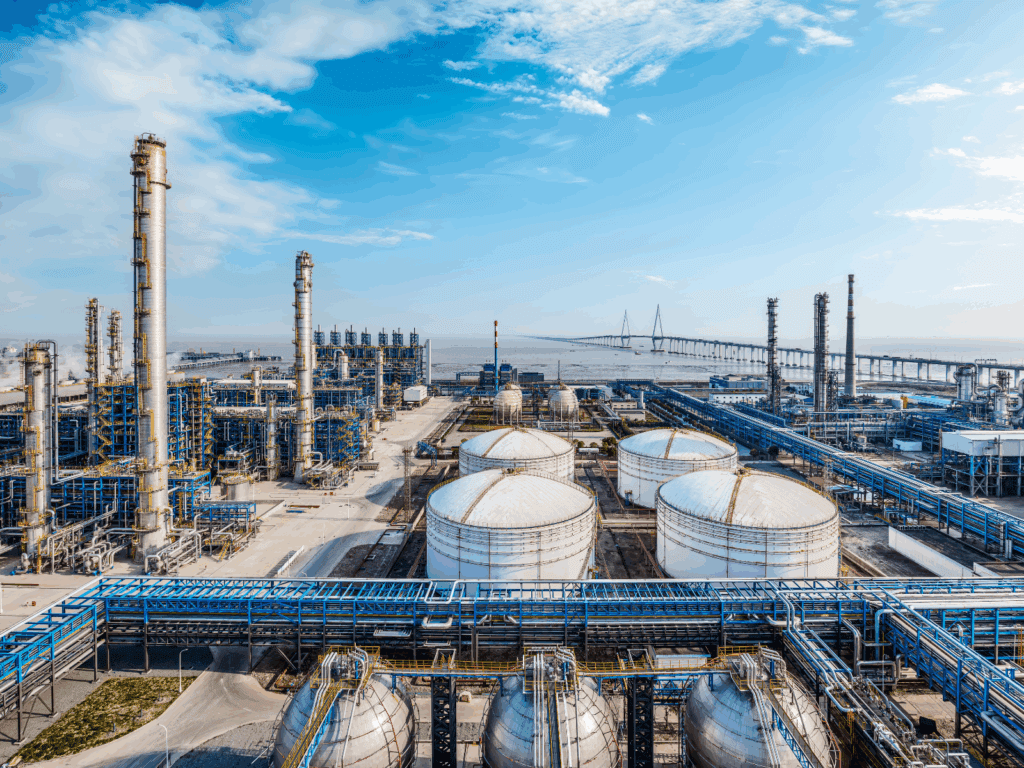
There are a number of other requirements under DSEAR, such as the labelling of containers and pipework handling dangerous substances, though the Regulations summarised above are the core method in which hazards and the associated risks are identified within DSEAR, with the overall aim of reducing risks on site to ALARP.
To learn more about the regulations, please visit legislation.gov.uk
Services we offer
Gexcon supports our clients by offering a comprehensive evaluation to identify, assess, and help manage the risks associated with the presence of dangerous substances, the potential for explosive atmospheres, and other hazards in the workplace.
The assessment includes hazardous area classification and pragmatic recommendations to improve compliance with regulatory requirements and reduce risks to as low as reasonably practicable (ALARP).
Featured Insights
Explore relevant materials providing insights into our service.
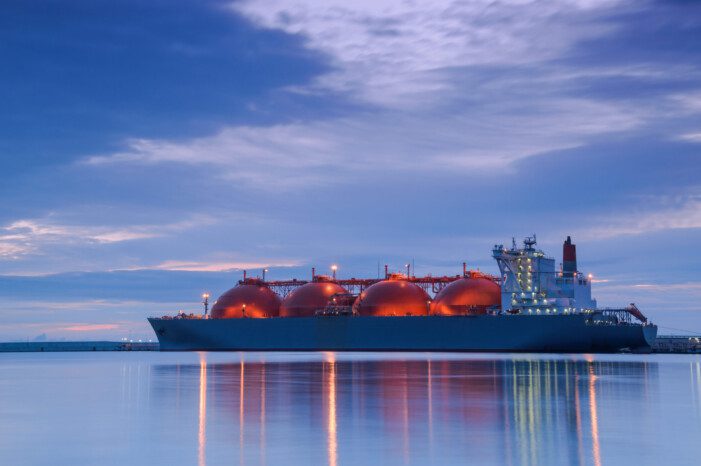
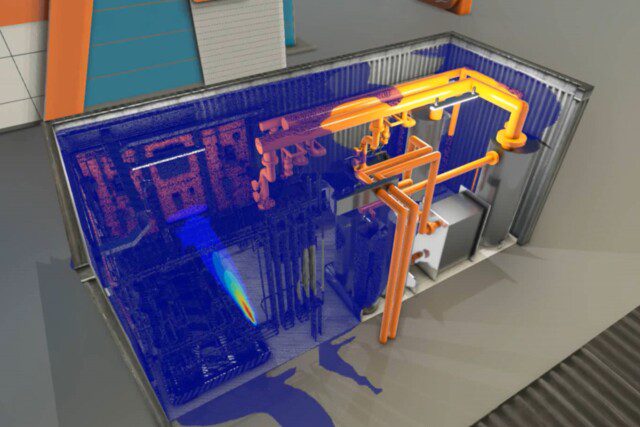
Working with the UK’s first ever multifunctional LNG Terminal
Learn how Gexcon supported safety assessments for the UK’s first multifunctional LNG terminal through advanced modelling and expertise.

DSEAR – How to overcome challenges during COVID
Find out how to stay DSEAR compliant during COVID-19 by managing risks, maintaining inspections, and adapting safety procedures.
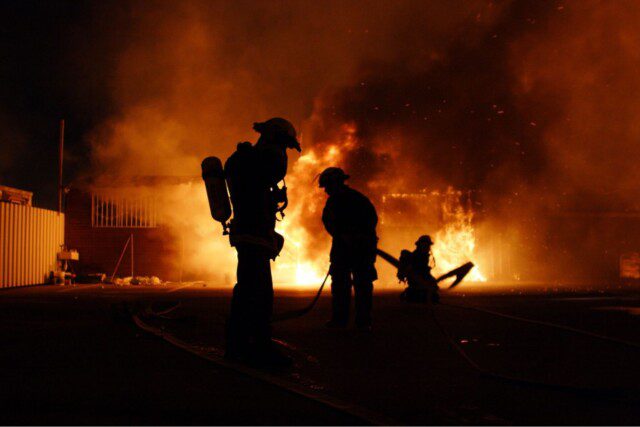
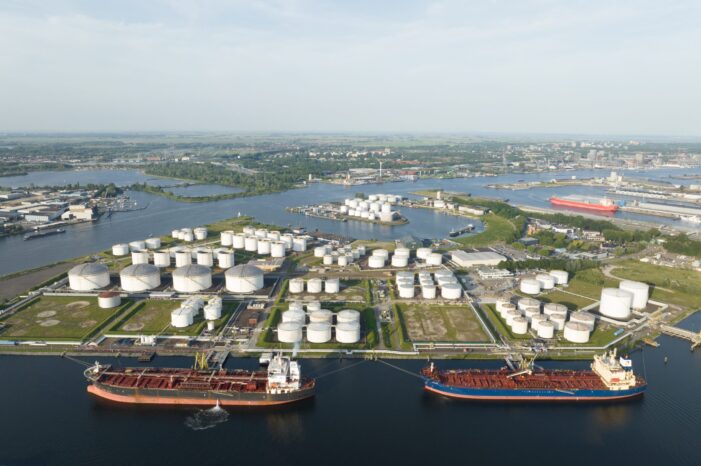
Learnings from the Buncefield oil storage depot explosion: The third key question
Explore key lessons from the Buncefield explosion and why accurate data and is essential for preventing similar incidents.
Learnings from the Buncefield oil storage depot explosion: The second key question
Learn from the Buncefield explosion by examining how vapour clouds form, ignite, and what it means for preventing future incidents.
Learnings from the Buncefield oil storage depot explosion: The first key question
Understand how the Buncefield vapour cloud formed and why identifying release sources is critical for effective explosion prevention.
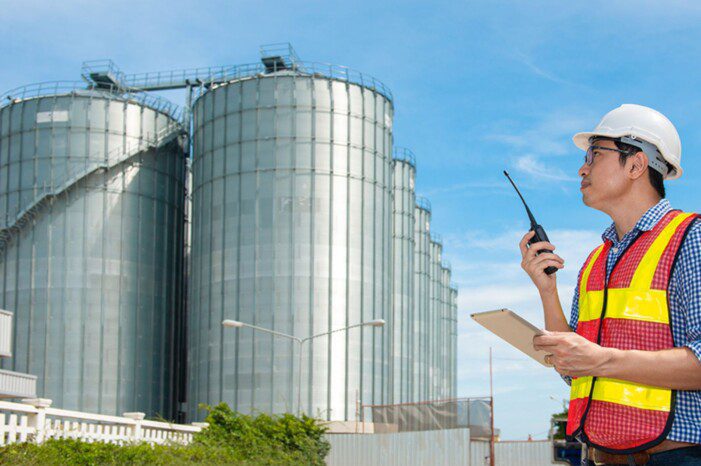
Dust hazard analysis and prevention, the hierarchy of controls, and practical implementation
Learn the practical steps to assess fire and explosion risks from bulk solids and demonstrate ALARP for regulatory and standard compliance/
Managing DSEAR / ATEX in the project lifecycle of the Food and Drink industry
Learn how early DSEAR / ATEX planning can reduce project costs, avoid delays, and improve compliance in Food & Drink sector projects.
Need a partner to help drive your project forward?
Our experts are here to help.