The Hidden Danger of Combustible Dust Accumulation
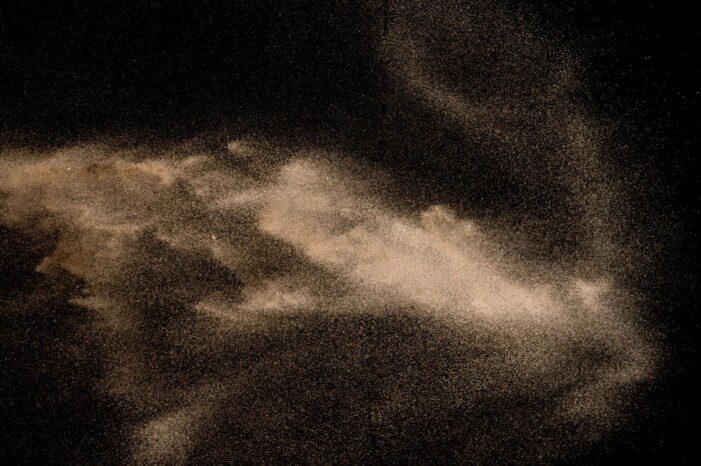
For industries that handle, store or process combustible dusts, there is an inherent risk that a dust explosion could occur.
Dusts that are left to accumulate could ignite when exposed to an ignition source causing significant disruption to operations and posing a severe threat to human life and the environment.
It is therefore essential to identify, evaluate and mitigate potential hazards as early as possible through robust and thorough dust hazard analysis and risk assessments.
Primary and Secondary Dust Explosions
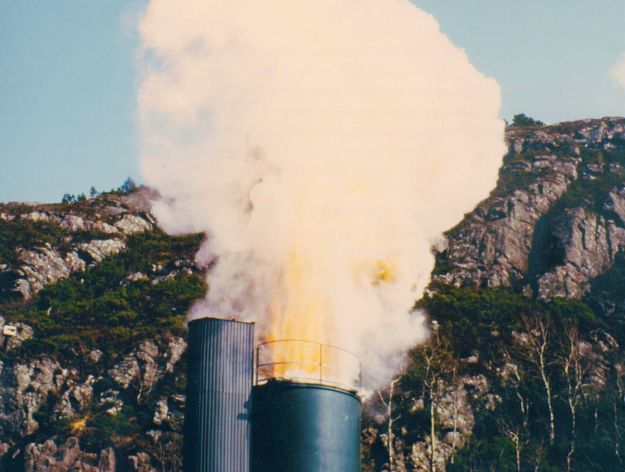
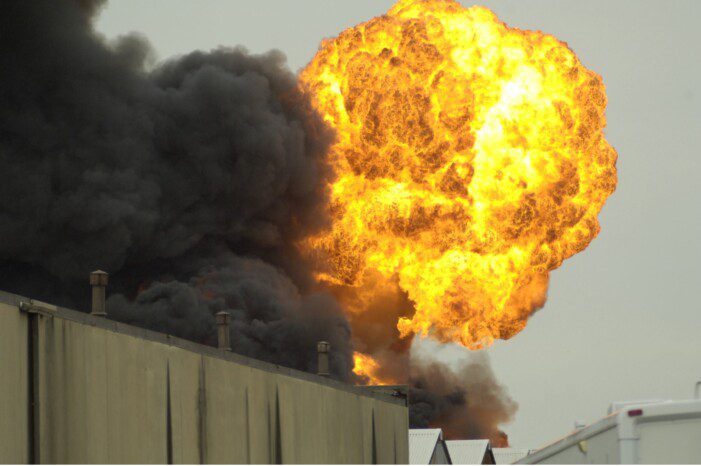
A primary dust explosion occurs when a combustible dust cloud is ignited in a confined space causing explosion overpressures within equipment or externally throughout a facility.
This not only causes damage to equipment and the immediate area but can also disturb dust layers that have accumulated on beams, equipment and the floor, dispersing them into the air.
If ignited a much larger secondary dust explosion could occur. Secondary explosions are often far more destructive and aggressive due to a larger volume of airborne dust that is dispersed across a wider area.
Understanding and mitigating the risks of both primary and secondary explosions through proper housekeeping, hazard analyses, risk assessments, and explosion prevention systems are essential for ensuring safety in high-hazard facilities.
Our Services
At Gexcon, our teams of experienced fire and explosion experts can support facilities across a broad range of industries with a comprehensive Dust Hazard Analysis (DHA) through our advanced testing, modelling, and process safety management capabilities.

Comprehensive Safety Studies
Through a range of safety studies focused on dust hazards throughout the entire lifecycle, our team can help you identify, assess, and mitigate dust explosion risks using a range of tailored studies, such as:
- Safety review workshops (HAZID, HAZOP, LOPA)
- Semi-Quantitative Risk Analysis (SCRAM) (Article 4 ‒ ATEX User Directive, Regulation 5 – DSEAR)
- Hazardous area classification for dust (Article 7 ‒ ATEX User Directive, Regulation 7 ‒ DSEAR, NFPA 499 & 70)
- Dust explosion consequence modelling studies
- Elimination and reduction through practical ways and implementation of mitigation measures (Article 3 ‒ ATEX User Directive, Regulation 6 ‒ DSEAR, NFPA 68 & 69)
- Dust Hazard Analysis (compliance to US standards for various processing facilities: NFPA 652, 654, 664, 655, 61, 484)
Dust Explosion Modelling Tool
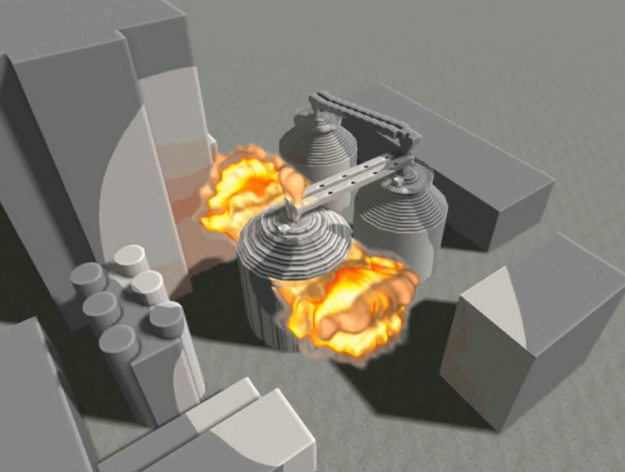
FLACS DustEx is used to model and simulate dust explosion scenarios. The tool helps assess the severity of an explosion in terms of the resulting overpressures and flame extent enabling us to predict the behaviours and impacts of primary and secondary explosions within various facility layouts.
Combustible Dust Testing
Dust testing is a very important basis for managing the risk of combustible dusts to understand their ignition and explosion properties. Gexcon can conduct a range of tests to determine the explosion characteristics of dusts.
Learn more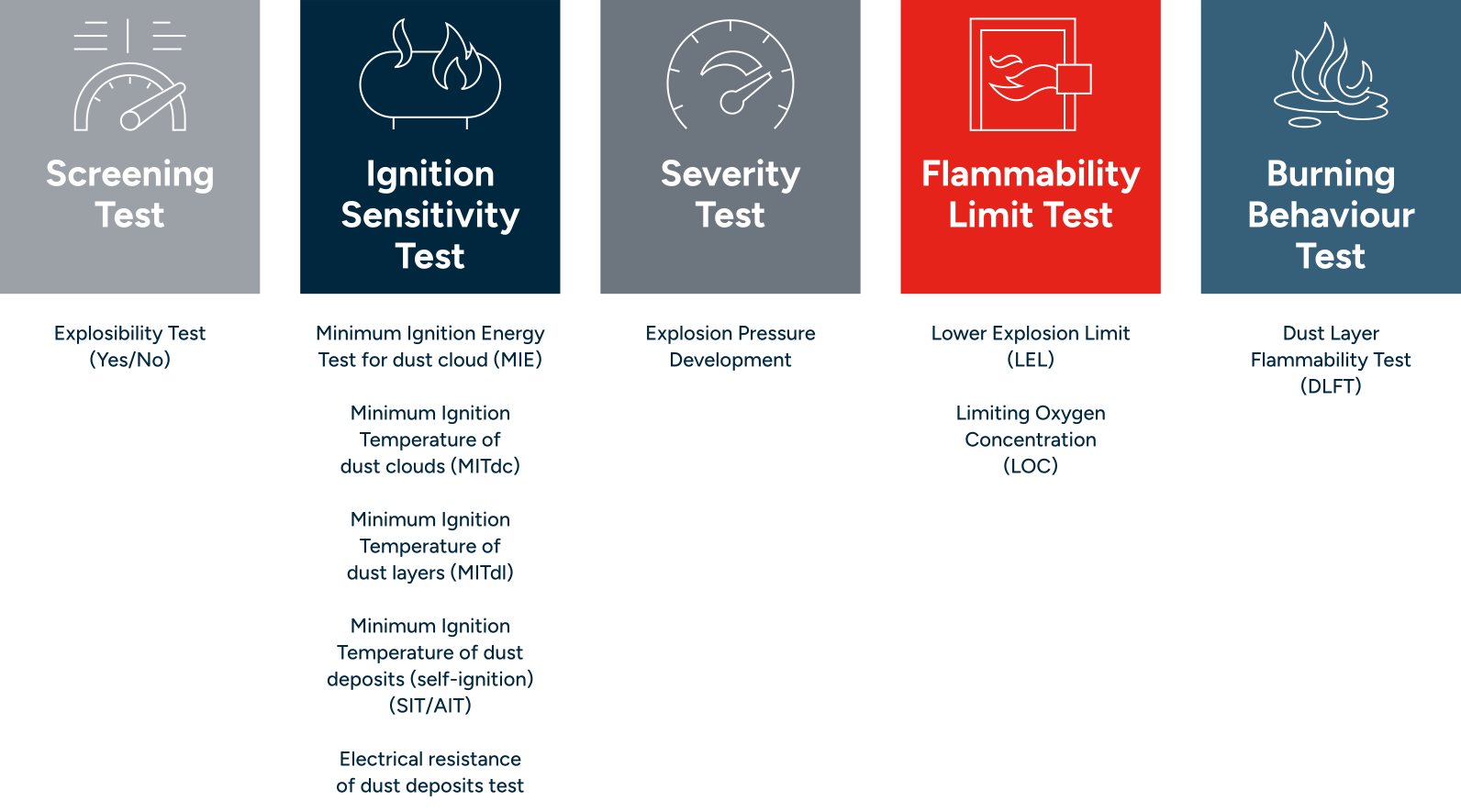
Incident Investigation
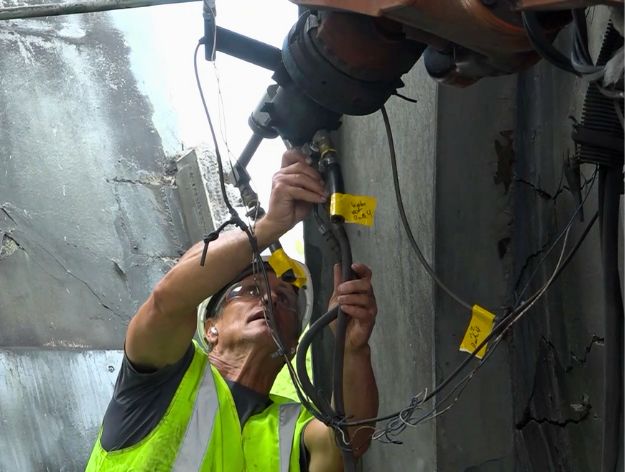
Gexcon have led pioneering work in dust explosion safety supporting all aspects of incident investigations and litigation support for dust explosion incidents, such as:
- Coordinating the investigation to conduct root cause analysis
- Reconstruction of incidents with FLACS-DustEx, our validated CFD-based dust explosion simulation tool
- Providing recommendations and implementing strategies to prevent further incidents from occurring
- Acting as expert witnesses in ongoing investigations and legal representation
Safety Training
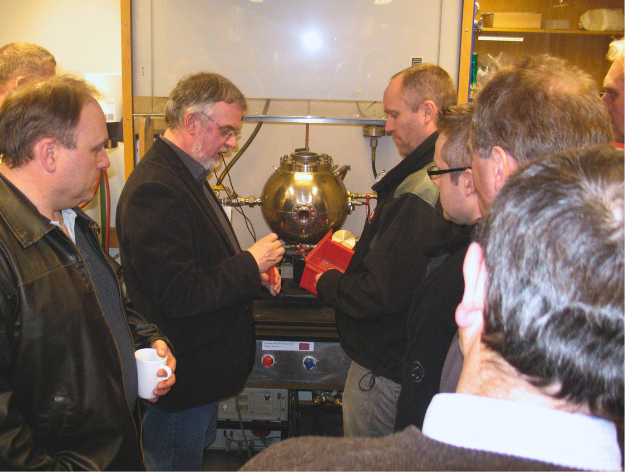
Gexcon offers a range of safety training to enhance your employee’s knowledge of dust hazard recognition, risk reduction techniques, and emergency response.
These programmes help build a stronger safety culture and ensure your team is better prepared to prevent and respond to dust-related incidents.
Learn moreBy using our extensive expertise and tailored approach, we ensure that the facility operates safely, minimising the risk of dust explosions and enhancing overall safety performance.
Value to your business
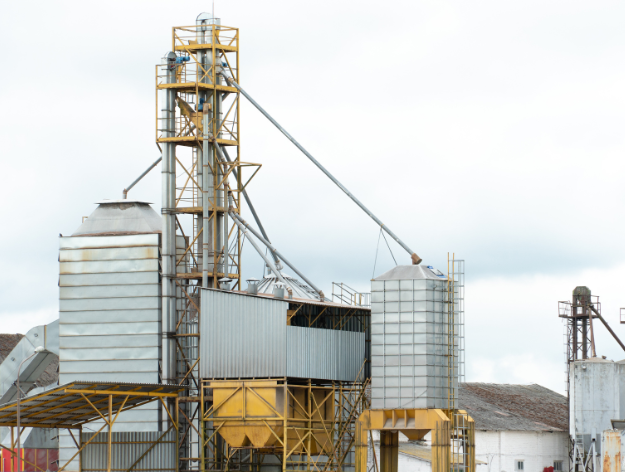
Managing dust hazards is critical for safety, operational continuity, and financial protection.
- Dust explosions can cause fatalities and severe damage. Proactive controls help you avoid these catastrophic events
- Incidents can halt production for weeks. Proper mitigation keeps operations running smoothly
- DHA ensures compliance with NFPA, ATEX, and other regulatory requirements
- Strong dust safety measures can help reduce insurance premiums and improve stakeholder confidence
- Preventing incidents safeguards your workforce and avoids reputational harm
Featured Insights
Explore relevant materials providing insights into our service.

Dust explosion: an introduction
Learn what causes dust explosions, why they’re dangerous, and how to reduce the risk in industrial environments.
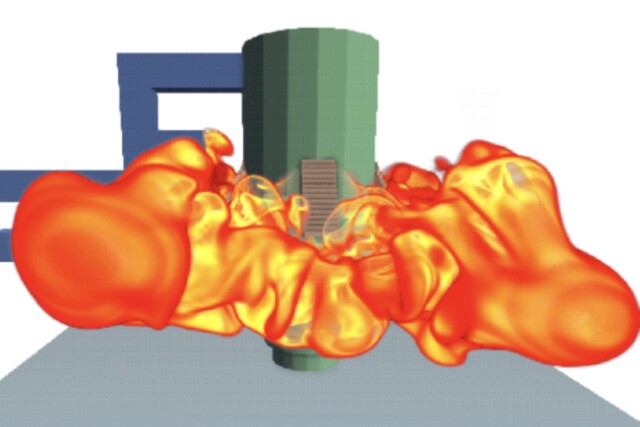
Investigation Findings And Lessons Learned In The 2014 Georgia Pacific Corrigan Facility Fire And Explosion
This paper discusses the proximate causes of the 2014 Georgia Pacific Corrigan Facility fire and explosion and its root causes.
FLACS-DustEx and metal dusts
See the challenges and progress in modelling metal dusts using FLACS-DustEx.
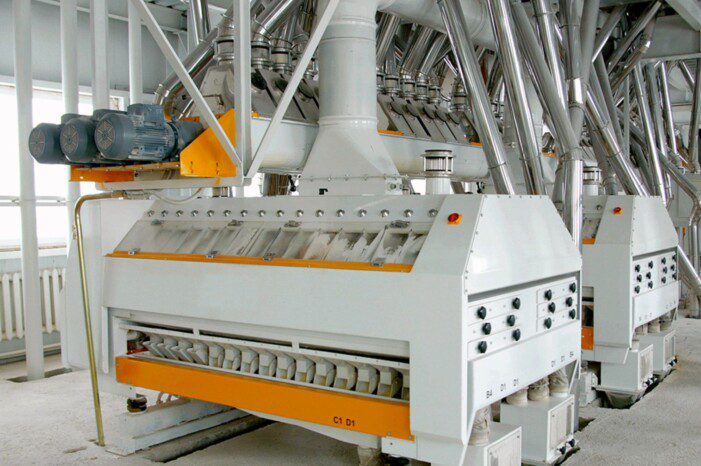
Ignition hazard analysis and the hidden threats posed by mechanical equipment handling bulk solids
Learn why ignition hazard analysis is critical for bulk solids safety and how mechanical equipment may become an ignition source.
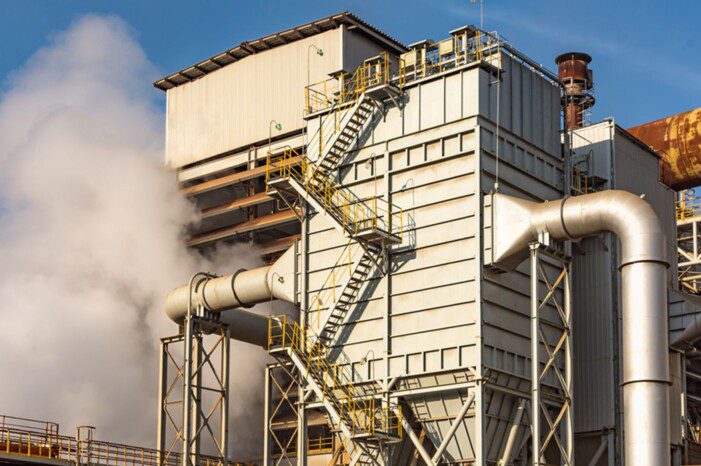
How to properly design your dust explosion protective systems
Learn how poor dust system design led to a major plant explosion and what steps to take to prevent similar combustible dust incidents.
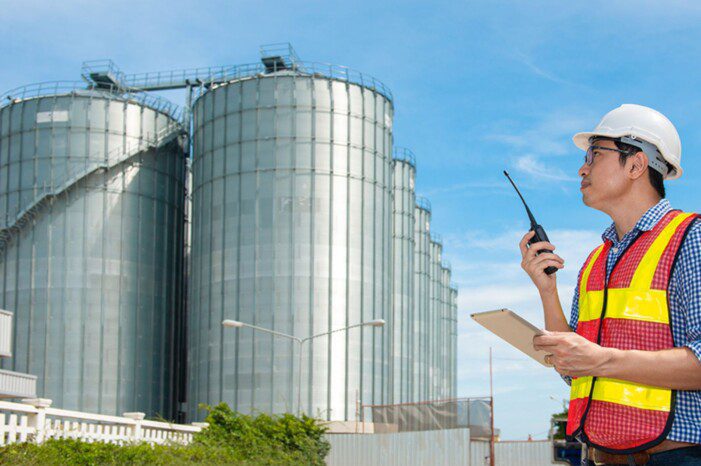
Dust hazard analysis and prevention, the hierarchy of controls, and practical implementation
Learn the practical steps to assess fire and explosion risks from bulk solids and demonstrate ALARP for regulatory and standard compliance/
Fundamentals of fire and explosion from handling bulk solids
Learn how to assess and prevent fires and explosions from flammable bulk solids.
Dust explosion hazards
In this webinar, you will learn how to identify, respond to, control, and eliminate dust explosion hazards in process facilities.
Need a partner to help drive your project forward?
Our experts are here to help.