UN Test N.1: Test Method for Flammable Solids (Division 4.1)
This test determines whether a solid substance is classified as flammable under UN guidelines. The material’s ability to propagate flame is assessed when exposed to an ignition source under controlled conditions.
- Determine the burning rate and whether combustion is sustained or propagates
- Assess the flammability of solid substances to identify fire hazards
UN Test N.4: Test Method for Self-Heating Substances (Division 4.2)
This test assesses a material’s potential for self-heating, which can lead to spontaneous combustion under specific storage or transport conditions. By heating the material in controlled volumes, the test predicts whether it will self-heat and ignite without an external source.
- Identify the conditions under which a substance may self-heat and ignite
- Evaluate the material’s safety during bulk storage and transport
UN Test N.5: Test Method for Substances Which Emit Flammable Gases When in Contact with Water (Division 4.3)
This test evaluates the reaction of a substance with water to determine if flammable gases are released, posing an explosion hazard. A material is classified based on the rate and volume of gas generation under specified conditions.
- Determine the potential for hazardous reactions when the substance comes into contact with water
- Evaluate the quantity and rate of flammable gas release to classify the material’s risk
Why UN Class 4 Transportation Tests Matter?
UN Class 4 tests under the “Manual of Tests and Criteria” assess if a material is flammable (4.1), self-heating (4.2), or reactive with water (4.3). These tests determine how a substance behaves under stress—whether it will burn, heat up on its own, or release flammable gas.
This data is essential for assigning the correct UN number, packaging materials safely, and following regulations like ADR and IMDG. Without it, shippers risk misclassification, fines, supply chain delays, or potentially dangerous transport incidents.
Contact usTesting Methodology
Testing is carried out in accordance with internationally recognised guidelines, including the UN Recommendations on the Transport of Dangerous Goods – Manual of Tests and Criteria (8th revised edition, 2023).
Additional requirements and classifications are outlined in the “International Maritime Organization: IMDG code: International Maritime Dangerous Goods code: incorporating amendment 39-18. London”, 2018, and the International Maritime Solid Bulk Cargoes (IMSBC) Code.
These documents define standard methods for assessing flammability, self-heating, and gas-releasing properties of substances to ensure safe packaging, labelling, and handling during transport by road, sea, or air.
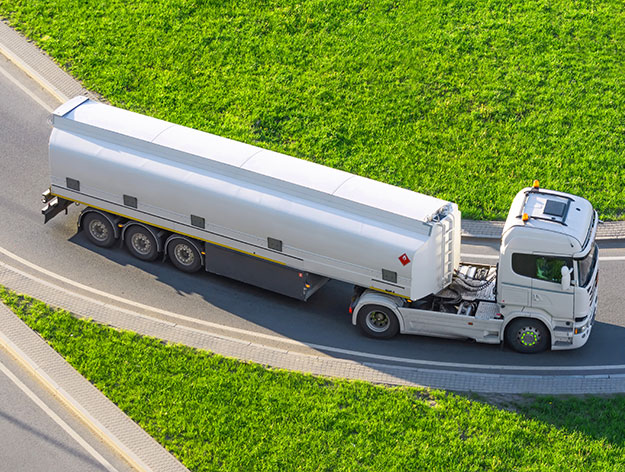
Value to Your Business
- Conducting UN Class 4 tests (flammable solids, self-heating, water-reactive) helps you meet UN, ADR, IMDG, and IATA rules and avoid mislabelling or penalties
- Understanding whether a material ignites easily, heats up by itself, or reacts with water helps you prevent fires and explosions during handling and transit
- Applying accurate hazard classification helps you speed up shipping, avoid delays, and reduce costs from rejected consignments or rerouting
- Identifying packaging, ventilation, or separation needs through testing helps you protect your team and avoid costly incidents
- Carrying out thorough testing under UN standards helps you demonstrate a strong commitment to safety and compliance, building trust with customers, carriers, and regulators
Featured Insights
Explore relevant materials providing insights into our service.

Dust explosion: an introduction
Learn what causes dust explosions, why they’re dangerous, and how to reduce the risk in industrial environments.
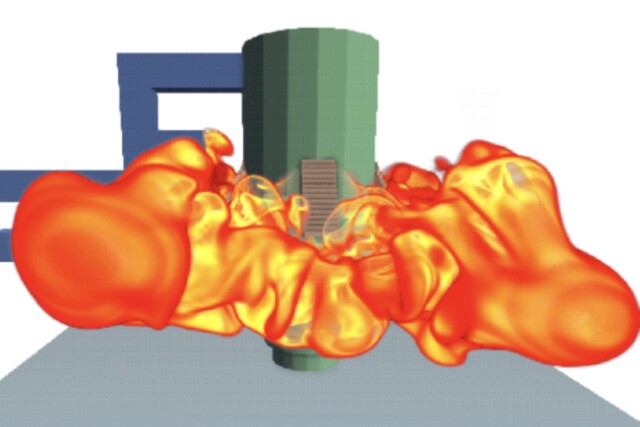
Investigation Findings And Lessons Learned In The 2014 Georgia Pacific Corrigan Facility Fire And Explosion
This paper discusses the proximate causes of the 2014 Georgia Pacific Corrigan Facility fire and explosion and its root causes.
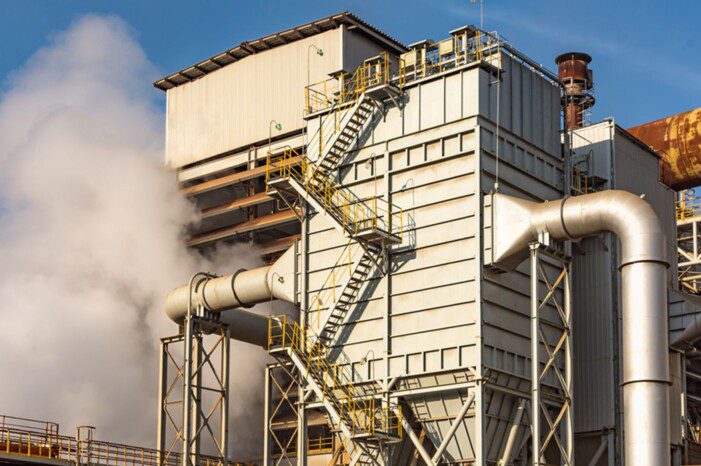
How to properly design your dust explosion protective systems
Learn how poor dust system design led to a major plant explosion and what steps to take to prevent similar combustible dust incidents.
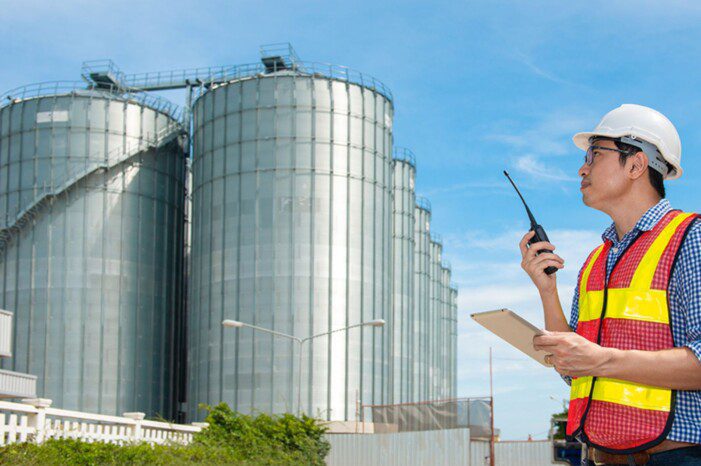
Dust hazard analysis and prevention, the hierarchy of controls, and practical implementation
Learn the practical steps to assess fire and explosion risks from bulk solids and demonstrate ALARP for regulatory and standard compliance/

Fundamentals of fire and explosion from handling bulk solids
Learn how to assess and prevent fires and explosions from flammable bulk solids.
Validate your project with proven test data
Work with our specialists to get insights you need for smarter decisions.
Comprehensive combustible dust testing services
- Explosibility Screening Test (Yes/No) Read more
- Minimum Ignition Energy (MIE) of Dust Cloud Test Read more
- Minimum Ignition Temperature (MIT) of Dust Cloud Test Read more
- Minimum Ignition Temperature (MIT) of Dust Layer Test Read more
- Explosion Severity Test (Pmax, dP/dt, KST) Read more
- Lower Explosion Limit Test (LEL, MEC) Read more
- Limiting Oxygen Concentration (LOC) Test Read more
- Burning Behaviour Test Read more
- Dust / Powder Resistivity Test Read more
- Hot Storage Test in Wire Baskets (Self-Ignition Temperature) Read more
- Electrostatic Hazard Tests Read more
- UN Transportation Tests (UN Class 4) Read more
