
Failure Mode and Effects Analysis (FMEA) is a critical tool for identifying potential failure modes in a system, process, or product, assessing their impact, and prioritising actions to mitigate associated risks.
This structured approach enables organisations to anticipate and detect potential failure points in design or manufacturing processes while analysing the consequences of those failures.
FMEA encourages a systematic analysis of process flows and identifies weak points or areas for improvement. You can make necessary process modifications to enhance efficiency, reliability, and safety by evaluating failure modes and their effects.
This proactive approach also reduces the likelihood of unplanned downtime and associated expenses, such as equipment repairs, production loss, or regulatory fines.
Our Approach
FMEA and Hazard Analysis are risk assessment tools with the same goal: to identify potential failures and hazards within systems, processes, or designs, but they differ significantly in their scope, applications, and outcomes.

Taking a bottom-up approach, FMEA begins at the component or subsystem level, analysing potential equipment and system failures. It assigns risk rankings based on severity, likelihood, and detectability, using the Risk Priority Number (RPN).
In contrast, Hazard Analysis techniques like HAZID, What-If, and Fault Tree Analysis take a broader approach by focusing on hazards at a higher level without delving into specific failure modes and their detailed consequences.
While FMEA is widely adopted in manufacturing, engineering, and product reliability, Hazard Analysis is more common in process safety, chemical industries, and environmental health and safety (EHS).
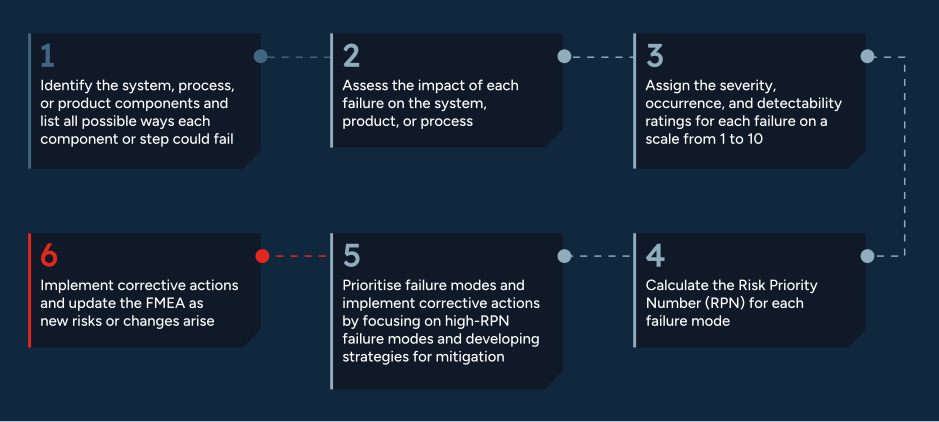
At Gexcon, we follow a structured FMEA approach to systematically identify potential failure modes, assess their impact, and prioritise risk mitigation strategies.
Contact usThe process includes:
- Identify the system, process, or product components and list all possible ways each component or step could fail
- Assess the impact of each failure on the system, product, or process
- Assign the severity, occurrence, and detectability ratings for each failure on a scale from 1 to 10
- Calculate the Risk Priority Number (RPN) for each failure mode
- Prioritise failure modes and implement corrective actions by focusing on high-RPN failure modes and developing strategies for mitigation
- Implement corrective actions and update the FMEA as new risks or changes arise

Value to your business
Gexcon’s FMEA service helps your business by:
- Detecting failure risks early to prevent costly issues in systems, processes, or products
- Improving reliability and efficiency by identifying weak points and making targeted improvements
- Minimising downtime and costs by minimising equipment failures and unplanned disruptions
- Ensuring compliance with industry standards and regulatory requirements
- Supporting proactive decision-making by prioritising risk mitigation efforts using the RPN to focus on the most critical failure modes
Featured Insights
Explore relevant materials providing insights into our service.

Advanced modelling techniques to resolve Process Hazards Analysis action items at LNG facilities
Learn how Process Hazard Analysis (PHA) items in LNG facilities are evaluated further using advanced modelling techniques.
Why choose Gexcon?
At Gexcon, we support clients in a variety of industries to enhance safety, reliability, and operational efficiency through FMEA.
Our experienced team of consultants facilitate FMEA sessions, guiding clients to identify potential failure modes, assess their impacts, and implement effective mitigation strategies.
Leveraging deep industry knowledge and expertise, we provide a structured framework for risk reduction and process improvement, allowing you to proactively manage risks and strengthen your safety systems.
Need a partner to help drive your project forward?
Our experts are here to help.
Other Process Hazard Analysis Services
Explore our full range of PHA services to help you identify, assess, and manage risks throughout your operations.
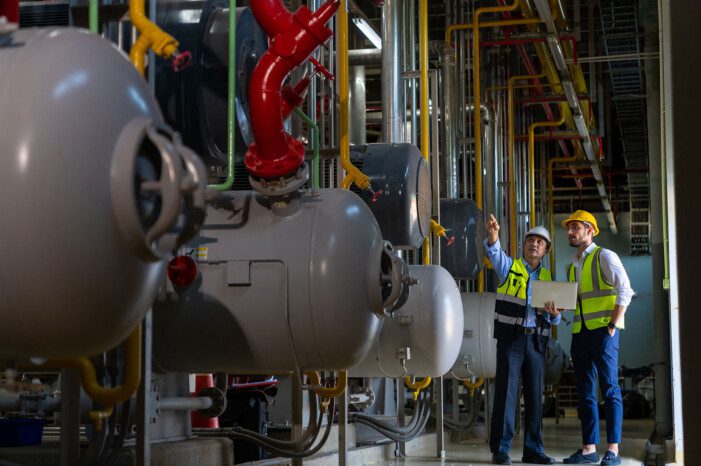
Hazard Identification (HAZID)
Identify hazards early to reduce risk, improve safety, and support compliance from the start of your project.
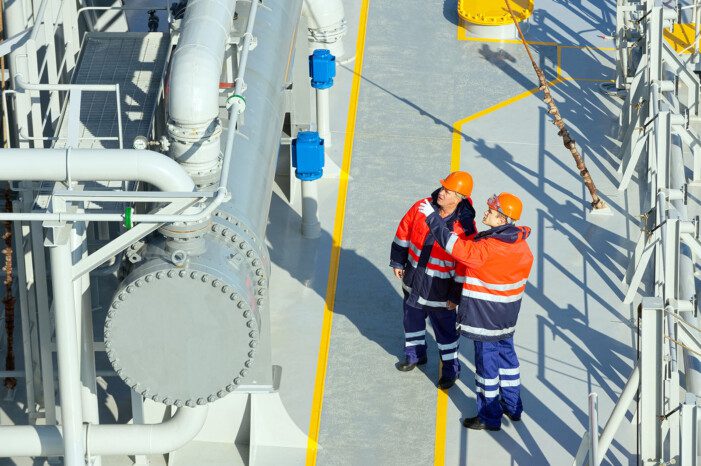
Hazard and Operability (HAZOP)
Identify process deviations, assess their causes, and strengthen safety controls to improve operational reliability.

Control Systems HAZOP (CHAZOP)
Identify and evaluate control system risks, from human factors to cyber threats, to ensure safety, reliability, and operability.

What-if Analysis
Identify hazards and failure scenarios early with What-If Analysis – a structured approach that supports proactive risk control and safer decision-making.

Fault Tree Analysis (FTA)
Identify root causes, evaluate failure scenarios, and apply focused risk controls to improve safety in complex operations.
