The Explosion Severity Test (Pmax, dP/dt, Kst) determines the critical parameters for evaluating the potential explosion hazards of ignited combustible dust dispersed in the air.
These parameters include:
Pmax: The maximum explosion pressure achieved in a controlled test
Pmax represents the greatest pressure an explosion can generate in an enclosed space. It is determined by testing dust samples at various concentrations to identify the optimum mixture for maximum pressure. This data is important for designing explosion containment systems, ensuring equipment can withstand potential explosions.
dP/dtmax: The maximum rate of pressure rise during the explosion
This parameter measures how quickly the explosion pressure increases. It provides insight into how rapidly the explosion will develop, enabling the design of effective venting and suppression systems.
Kst: The dust deflagration index, which quantifies the explosion severity
Kst normalises the maximum rate of pressure rise for a 1 m³ test chamber. It categorises dusts into St Classes to assess explosion severity:
- St0: Non-explosive (Kst = 0 bar·m/s)
- St1: Weak explosion (1–200 bar·m/s)
- St2: Moderate explosion (201–300 bar·m/s)
- St3: Strong explosion (>300 bar·m/s)
Even dusts with a lower Kst (St1) can pose significant safety risks, emphasising the need for effective hazard mitigation.
Why Explosion Severity Testing Matters?
Explosion severity data supports the development of robust safety strategies, including:
- Compliance with regulatory frameworks to ensure workplace safety
- Assessing the suitability of materials for specific processes
- Designing explosion protection systems (venting, suppression, or containment)
- Effective process safety management and risk reduction plans
Examples of St Classes for Common Dusts
Kst and Pmax values are material-specific, not vessel-dependent, ensuring consistent results across testing environments and real-world applications.
| Dust Type | Kst (bar·m/s) | St Class |
|---|---|---|
| Cellulose | 150 | St1 (Weak) |
| Aluminum | 300 | St2 (Moderate) |
| Magnesium | 350 | St3 (Strong) |
Testing Methodology
- European standard EN 14034-1:2004+A1:2011 “Determination of explosion characteristics of dust clouds – Part 1: Determination of the maximum explosion pressure Pmax of dust clouds”, 2011
- European standard EN 14034-2:2006+A1:2011 “Determination of explosion characteristics of dust clouds – Part 2: Determination of the maximum rate of explosion pressure rise (dP/dt)max of dust clouds”, 2011
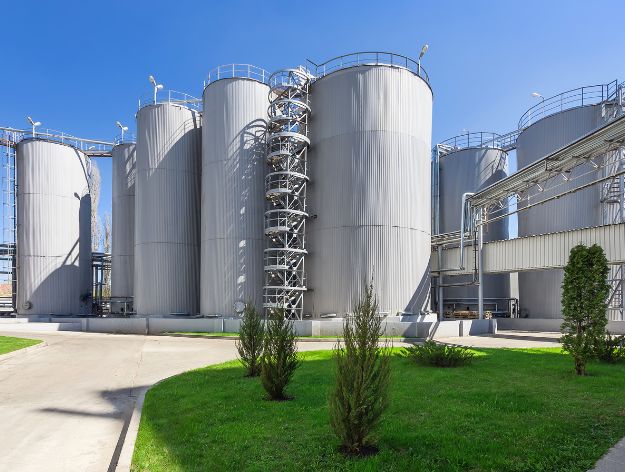
Value to Your Business
- Design safer dust collection systems and explosion protection measures
- Implement effective housekeeping and spark detection protocols
- Adapt processes to minimise explosion risks
Featured Insights
Explore relevant materials providing insights into our service.

Dust explosion: an introduction
Learn what causes dust explosions, why they’re dangerous, and how to reduce the risk in industrial environments.
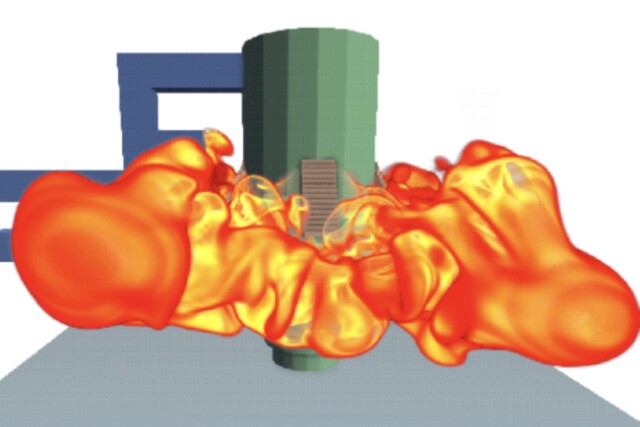
Investigation Findings And Lessons Learned In The 2014 Georgia Pacific Corrigan Facility Fire And Explosion
This paper discusses the proximate causes of the 2014 Georgia Pacific Corrigan Facility fire and explosion and its root causes.
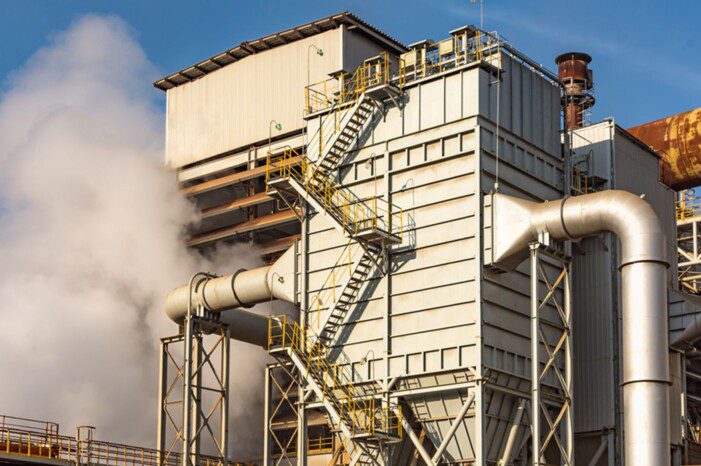
How to properly design your dust explosion protective systems
Learn how poor dust system design led to a major plant explosion and what steps to take to prevent similar combustible dust incidents.
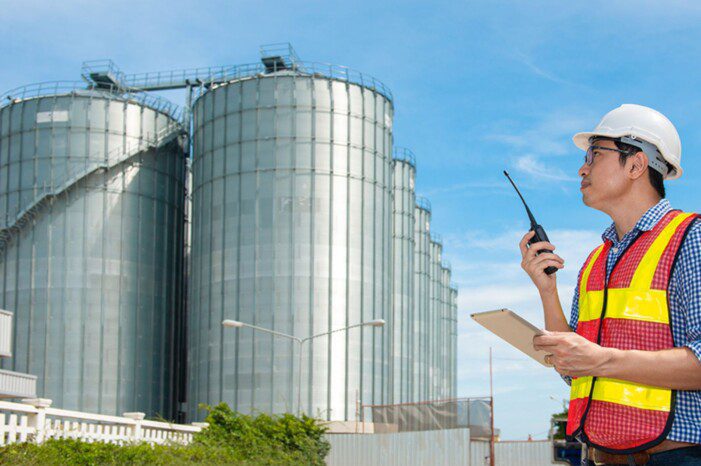
Dust hazard analysis and prevention, the hierarchy of controls, and practical implementation
Learn the practical steps to assess fire and explosion risks from bulk solids and demonstrate ALARP for regulatory and standard compliance/

Fundamentals of fire and explosion from handling bulk solids
Learn how to assess and prevent fires and explosions from flammable bulk solids.
Validate your project with proven test data
Work with our specialists to get insights you need for smarter decisions.
Comprehensive combustible dust testing services
- Explosibility Screening Test (Yes/No) Read more
- Minimum Ignition Energy (MIE) of Dust Cloud Test Read more
- Minimum Ignition Temperature (MIT) of Dust Cloud Test Read more
- Minimum Ignition Temperature (MIT) of Dust Layer Test Read more
- Explosion Severity Test (Pmax, dP/dt, KST) Read more
- Lower Explosion Limit Test (LEL, MEC) Read more
- Limiting Oxygen Concentration (LOC) Test Read more
- Burning Behaviour Test Read more
- Dust / Powder Resistivity Test Read more
- Hot Storage Test in Wire Baskets (Self-Ignition Temperature) Read more
- Electrostatic Hazard Tests Read more
- UN Transportation Tests (UN Class 4) Read more
