
Understanding the risks of flammable material releases
Handling flammable materials comes with risks, including the potential for accidental spills and releases.
These events can create hazardous situations depending on several factors — such as material properties, release quantity, and environmental conditions like ventilation and physical layout.
To keep facilities operating within acceptable risk levels, accurate modelling and analysis are essential.
Advanced tools like FLACS and EFFECTS allow us to assess a wide range of scenarios and evaluate potential mitigation strategies.
For example, dispersion modelling helps determine whether a gas release could reach HVAC inlets, ignition sources, or other sensitive targets.
Using modelling to improve safety and optimise design
Computational Fluid Dynamics (CFD) simulations provide a realistic and accurate representation of how air and gas move through a space. They take into account airflow from HVAC systems, heat-induced convection, and external wind conditions.
One common objective in our projects is to evaluate whether natural or mechanical ventilation is sufficient to prevent the build-up of gas clouds with destructive potential. Once the model is in place, changes like a valve failure or relocating a vent point can be tested with minimal effort.
Most modelling projects focus on hazard control. They often confirm that safety measures are effective, but they can also uncover opportunities to improve and simplify the facility layout to avoid costly overdesign. This might include refining HVAC layouts, repositioning detectors, or adding small barriers to limit spill or gas exposure.

X-Suite: Advanced Tools for Hazard Modelling
- Gexcon’s engineers are experts in modelling and are uniquely familiar with the X-Suite tools–EFFECTS, RISKCURVES and FLACS
- Our expertise and experience, combined with the capabilities and extensive material databases in the X-Suite software tools, means we can model complex releases for any industry or process
Services we offer
- Toxic gas dispersion modelling
- Flammable gas dispersion and cloud size assessment
- Ventilation assessments
- Vent stack modelling
- Bespoke release and dispersion modelling for design support
- Environmental impact assessment
- Modelling support for hydrogen and energy transition facilities such as BESS
Project Examples
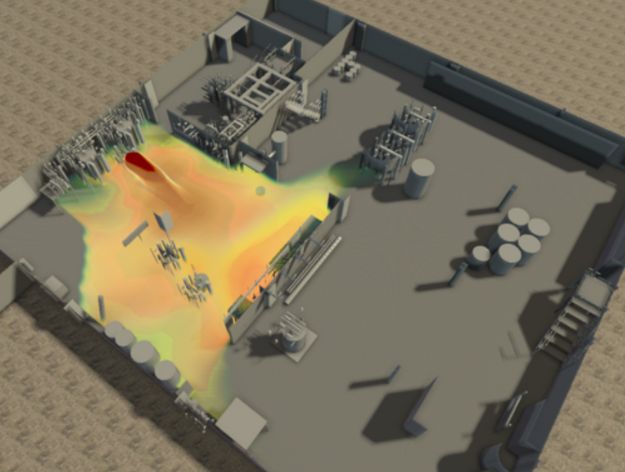 Solvent spill dispersion: Assessed explosive gas cloud from a worst-case spill. Evaluated harm to personnel, evacuation time, ventilation, and ignition risks.
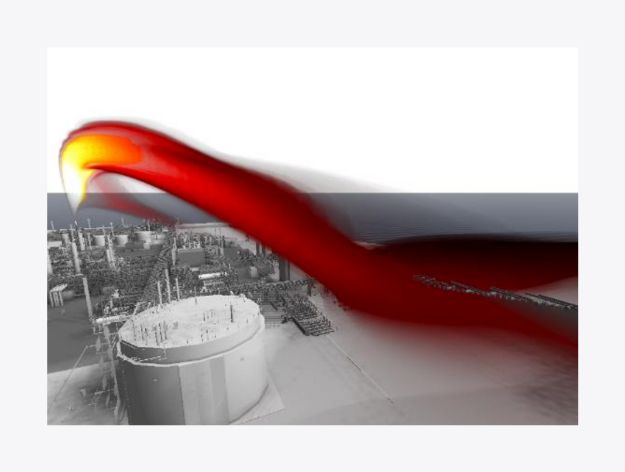 Vent release: Modelled gas dispersion to assess exposure at key locations. Showed that harmful levels could reach manned areas in still conditions.
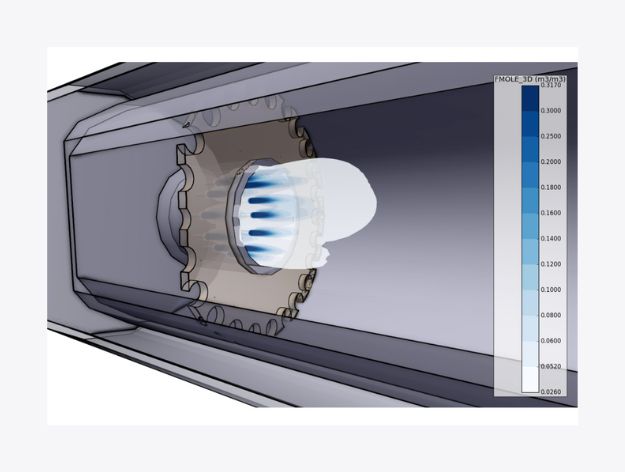 Gas burner startup failure: Simulated gas build-up inside the chamber. Helped define timing for dangerous cloud formation and supported simpler valve design.
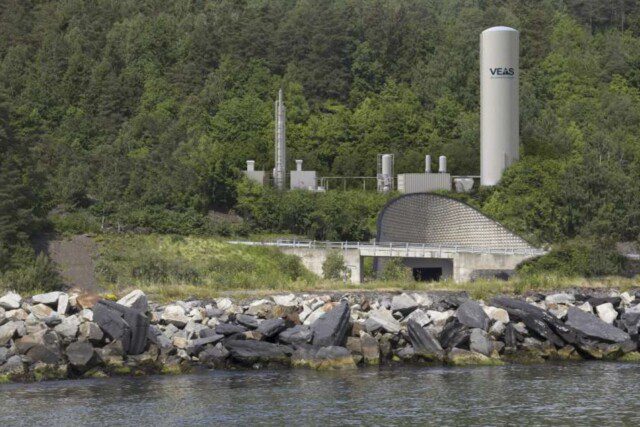
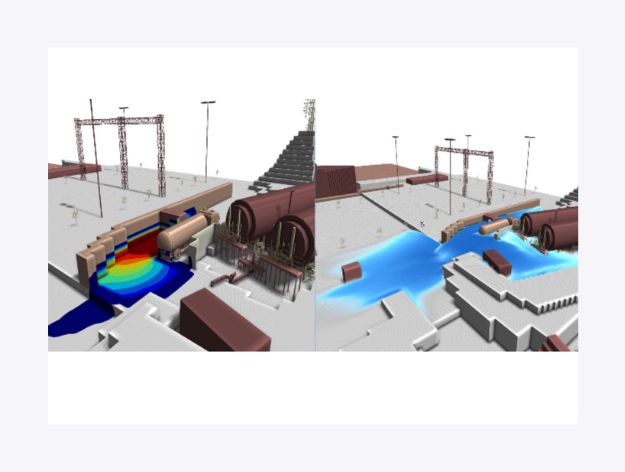 LNG truck transfer: Modelled hose rupture to check public exposure. Tested gas barriers and reviewed operational controls to reduce risks.
Solvent spill dispersion: Assessed explosive gas cloud from a worst-case spill. Evaluated harm to personnel, evacuation time, ventilation, and ignition risks.
Vent release: Modelled gas dispersion to assess exposure at key locations. Showed that harmful levels could reach manned areas in still conditions.
Gas burner startup failure: Simulated gas build-up inside the chamber. Helped define timing for dangerous cloud formation and supported simpler valve design.
LNG truck transfer: Modelled hose rupture to check public exposure. Tested gas barriers and reviewed operational controls to reduce risks.
Featured Insights
Explore relevant materials providing insights into our service.
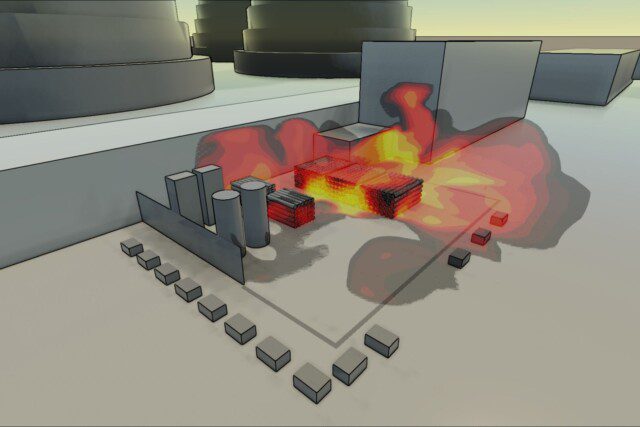
Hydrogen bulk storage areas: How advanced consequence modelling can inform a safer design and help reduce the risks from explosions
Advanced modelling tools can analyse the consequence of explosions in hydrogen bulk storage areas hence assisting in creating a safer design.

Using advanced modelling tools to understand the hazards associated with liquid hydrogen in the aviation industry
See how advanced CFD modelling can be used to understand the hazards from potential LH2 release scenarios while refuelling an aircraft.
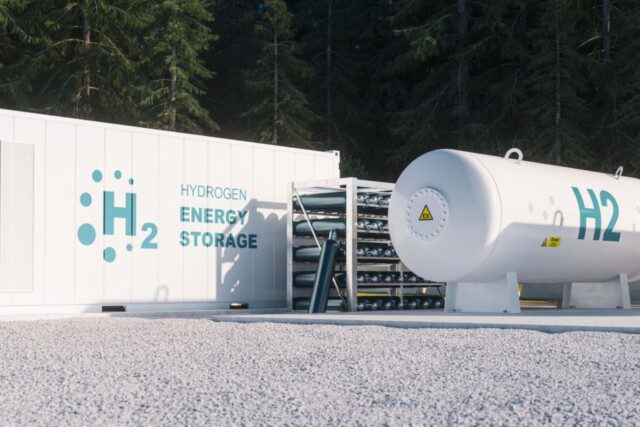
Designing bulk hydrogen storage using CFD – Why it is important
Learn why CFD is important in designing bulk hydrogen storage, helping to predict release behaviour, dispersion, and explosion risks.
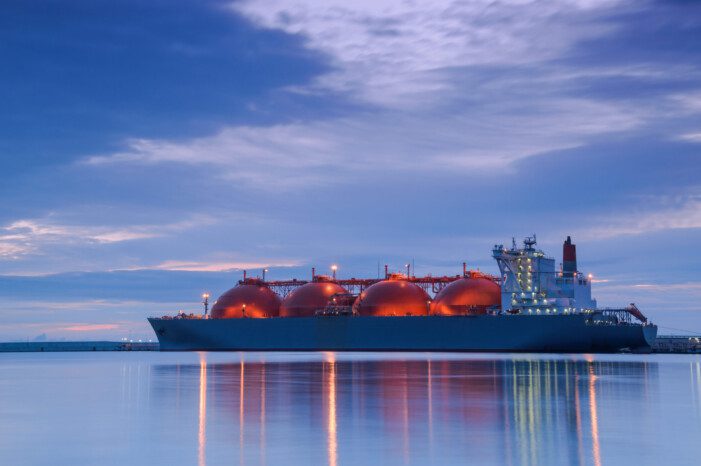
Working with the UK’s first ever multifunctional LNG Terminal
Learn how Gexcon supported safety assessments for the UK’s first multifunctional LNG terminal through advanced modelling and expertise.
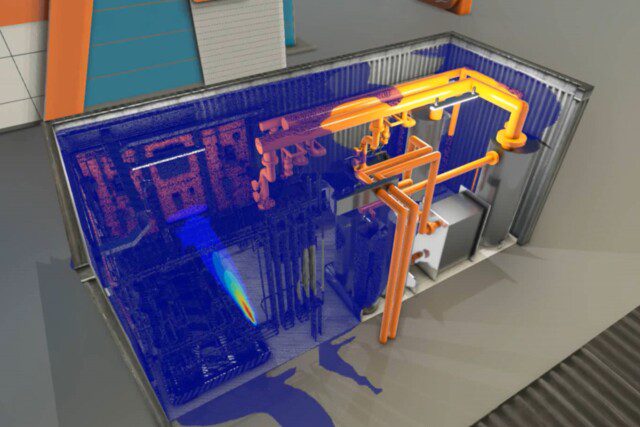
Optimising gas detection layout using CFD
Learn how CFD technology can optimise gas detection layouts to improve safety and achieve cost savings over time
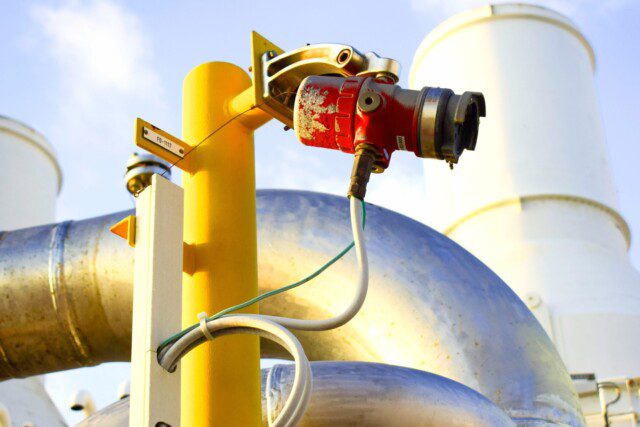
The challenges of fire and gas detection
Learn the key challenges in designing an effective fire and gas detection system, and how it fits within the hierarchy of risk control.
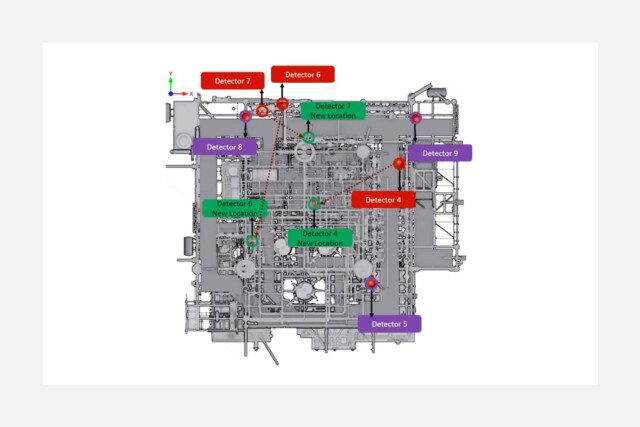
Flammable gas detector mapping and optimisation for offshore facility
Learn how to carry out gas detector mapping and optimisation for offshore facilities using FLACS.
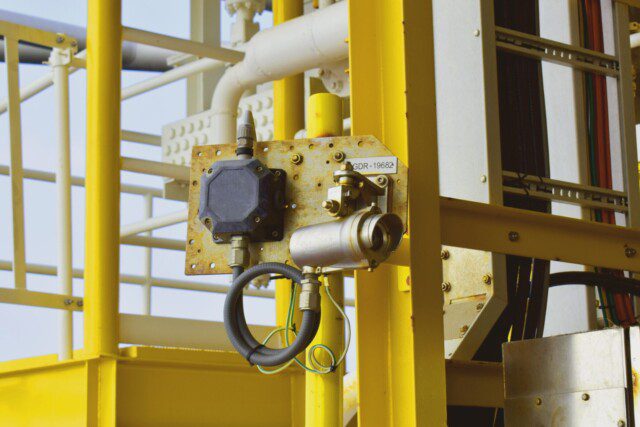
Gas detection mapping and optimisation
Learn how to assess gas detector performance and model gas dispersion accurately using CFD modelling tools.
Risk assessment of hydrogen in nuclear facilities
See how FLACS CFD tool helps simulate hydrogen hazards in nuclear facilities and support safer design through detailed consequence analysis.
Why choose Gexcon?
We have over 40 years of experience helping companies manage process safety challenges.
- Deep understanding of hazards related to flammable gas and liquid releases
- Expert users of advanced consequence modelling and risk analysis tools
- Expertise across high-hazard industries including oil & gas, renewables, petrochemicals, and pharmaceuticals
- Backed by extensive research, testing, and practical risk assessments
- Focused on improving safety, reducing risks, and supporting operational efficiency
Need a partner to help drive your project forward?
Our experts are here to help.
Other Consequence and Impact Modelling Services
Explore more services we offer to help assess, predict, and manage the effects of hazardous events on people, assets, and the environment.
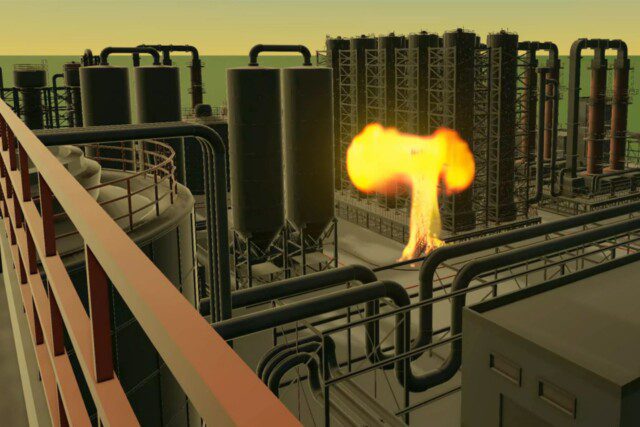
Fire, Smoke, and Heat Loading
Analyse fire spread, smoke movement, and thermal loads to improve fire protection measures, evacuation planning, and structural safety.
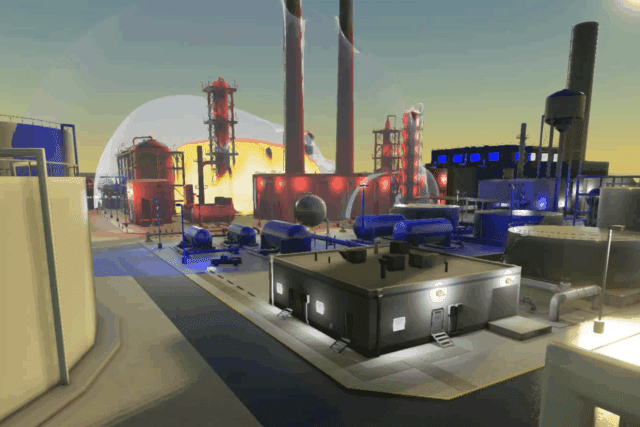
Explosion and Impact Modelling
Assess blast impacts to improve facility resilience, strengthen structures, and support effective emergency response planning.
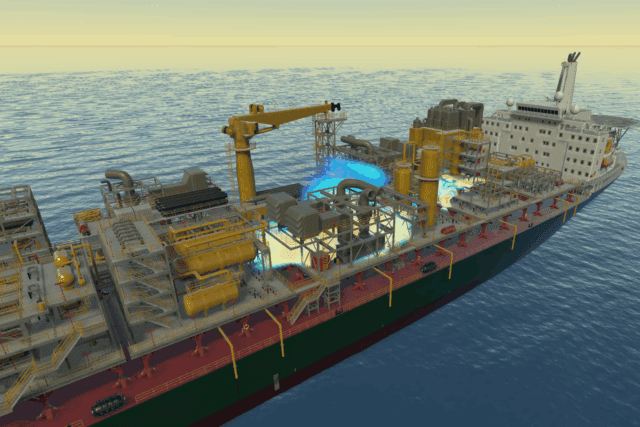
Toxic Gases, Pollution, and Working Environment
Assess toxic gas dispersion to understand exposure risks, protect worker health, and support effective prevention and mitigation strategies.

Air Quality Impact Assessment
Evaluate emissions, comply with environmental regulations, and maintain healthy air quality for workers and communities.
