
EFFECTS and RISKCURVES v12.5 are now live
The latest release of EFFECTS and RISKCURVES, version 12.5, brings new features designed to enhance your hazard modelling and risk assessment workflows.
This update introduces improvements that simplify reporting, expand modelling capabilities, and enhance result visualisation—helping you make better-informed safety decisions.

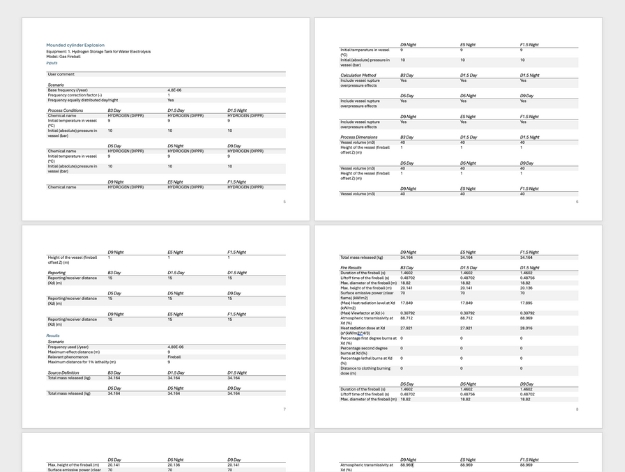
Faster, more efficient QRA reporting
A new Export Tool in EFFECTS and RISKCURVES allows you to export all input data and results parameters of all models present in the project at once. No more manually copying results from each model; now, with a single click, you can generate a full report to document your simulations, saving time and ensuring consistency.
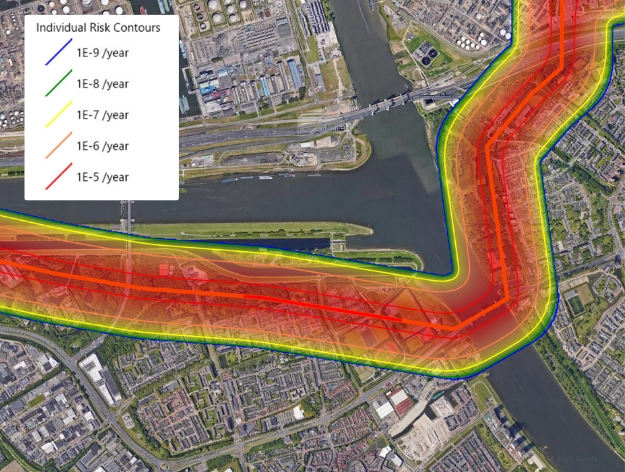
Improved modelling for long pipeline releases
A new Combined Model for Long Pipelines makes it easier to assess the full sequence of events following a long pipeline release, from the initial release to dispersion, fire, or explosion. This model is now available in both EFFECTS and RISKCURVES and includes crater formation calculations in RISKCURVES for the first time.
More accurate CO2 pipeline release modelling
The Liquefied Gas from Long Pipeline model has been improved to handle cases where the pressure drops below the triple point, assessing situations of reaching solidification temperature triple point particularly relevant for CO2 releases, ensuring more accurate outflow calculations.
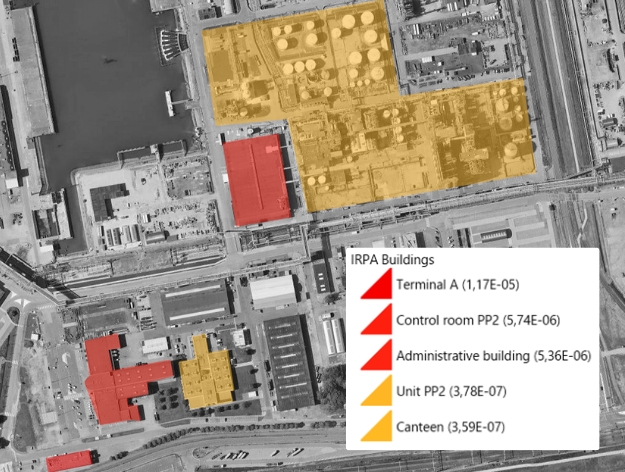
Clearer risk visualisation with IRPA Maps
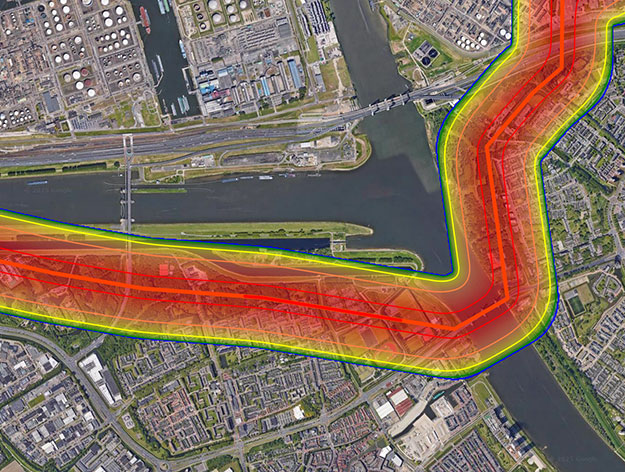
Understanding Individual Risk Per Annum (IRPA) is now more intuitive with the new IRPA Map visualisation showing a full overview of high-risk areas at a glance, ensuring easier interpretation and communication of findings.
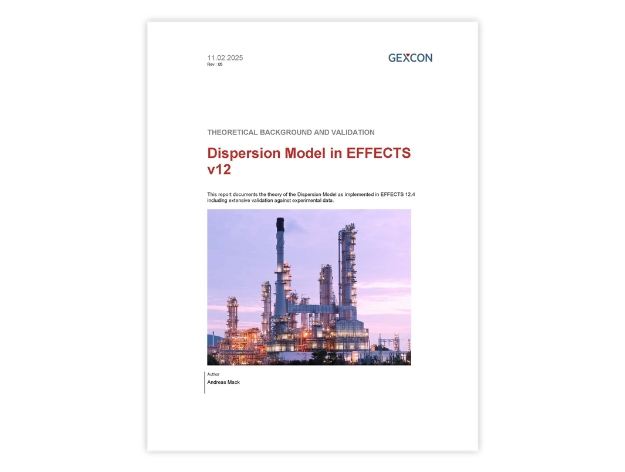
Expanded ammonia validation
The dispersion validation report now includes validation against ammonia experimental data, such as the Desert Tortoise, Fladis, and Red Squirrel experiments, improving confidence in modelling results.
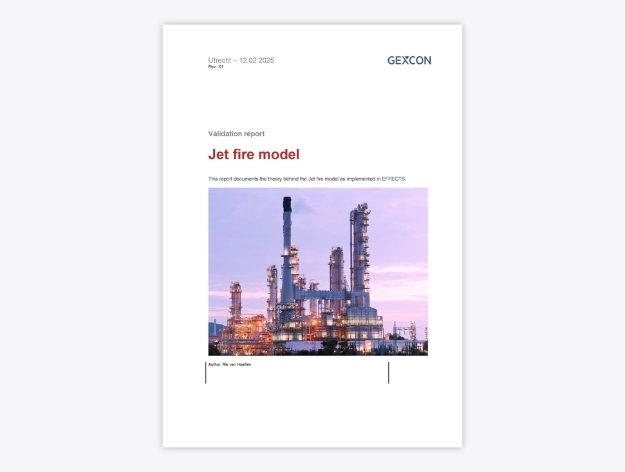
The publication of the Jet Fire Validation report
The Jet Fire Validation Report has now been published and confirms the accuracy of jet fire predictions in EFFECTS. The validation report describes the mathematical approach to estimate the consequences of a jet fire which is based on the theory of the Chamberlain model for vapour releases and the Cook model for liquefied gas releases.
The Chamberlain and Cook models were validated using jet fire experiments conducted in 1991 at the British Gas Spadeadam test facility, supervised by the Thornton Research Centre (Shell Research Limited).
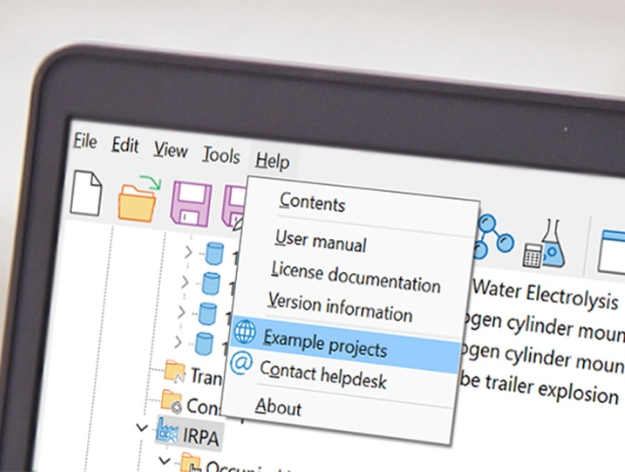
Easier access to use cases for faster learning and reference
A new Help menu button in EFFECTS and RISKCURVES shows a collection of calculation examples. These provide preview of all EFFECTS models, including input parameters and result visualisations, making it easier to understand how to apply the software to specific scenarios.
Webinar: What’s new with EFFECTS and RISKCURVES v12.5
Watch a webinar where you will be presented with the latest updates in version 12.5 of EFFECTS and RISKCURVES.
Request webinar recording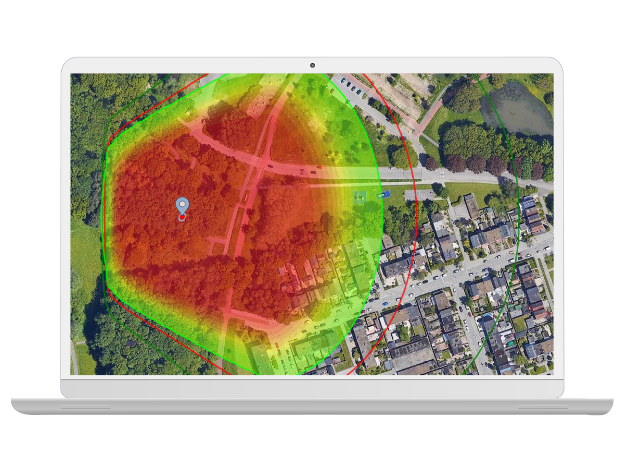
Get access to EFFECTS v12.5
Existing users will be able to download the new software update by clicking on the button below. If you need any assistance, our customer support team is here to help.
