Our growth journey
Gexcon’s origins began in the 1970s with dust explosion research at Christian Michelsen Institute and gas explosion research under the “Safety at the Continental Shelf” initiative.
In the 1980s, the first version of FLACS was developed, and Gexcon was established to provide FLACS consulting, focusing on understanding risks following the Piper Alpha accident.
The 1990s saw the development of new FLACS features, such as Dispersion, Far Field, and Water Spray, and the founding of Gexcon AS to commercialise FLACS and related services.
In the 2000s, CMR eProcess Safety, including R&D and Labs, merged with Gexcon, and Gexcon UK and Gexcon US were established. The 2010s marked a period of global expansion into India, China, Indonesia, Australia, UAE, France, Sweden, Malaysia, and the Netherlands. The portfolio grew to include FLACS Fire, FLACS Risk, and FLACS VR/AVR. Gexcon became the exclusive distributor of FRED, Shepherd & PIPA, and acquired the rights to EFFECTS and RISKCURVES software from TNO, with hydrogen safety identified as a strategic growth area. The 2020s continued with significant milestones, including a partnership with the IChemE Safety Centre, a leadership role in energy transition, the launch of the FLACS Cloud HPC Service, and Gexcon’s acquisition by Longship II PE Fund. The focus going forward remains on supporting a safe transition to sustainable energy and materials systems.
Over the decades, Gexcon has expanded globally, establishing offices and partnerships worldwide and continually innovating in safety solutions across industries such as oil and gas, process, and chemicals. We have established ourselves as a world-leading company in the field of safety and risk management and have become a preferred partner in a multitude of industries. In the past twenty years, we have built upon our global experience in hydrogen applications including process plant design, fuelling stations, transportation, nuclear, maritime, research and development, and accident investigation.
Today, our Norwegian Company headquartered in Bergen, Norway has far-reaching global operations from offices in Australia, China, France, India, Indonesia, Germany, the Netherlands, Norway, the UAE, the UK, and North and South America. Our worldwide teams are made up of engineers, researchers, and specialists, with over 50 years of cumulative experience and mutual belief in a tailor-made and individual approach for each of our clients.
The timeline below highlights our journey from pioneering gas explosion research to becoming the trusted safety and risk management partner for the world’s leading industries.
1970
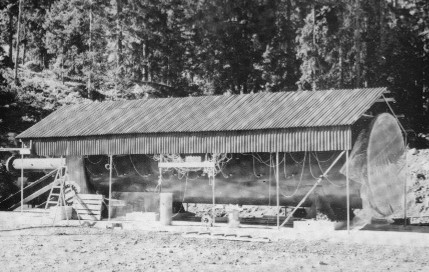
Dust explosion laboratory established at CMI (Christian Michelsen Institute) as a response to several explosion accidents.
1974
Flixborough explosion onshore in the UK happened.
1977
Ekofisk Bravo blowout occurred.
1980
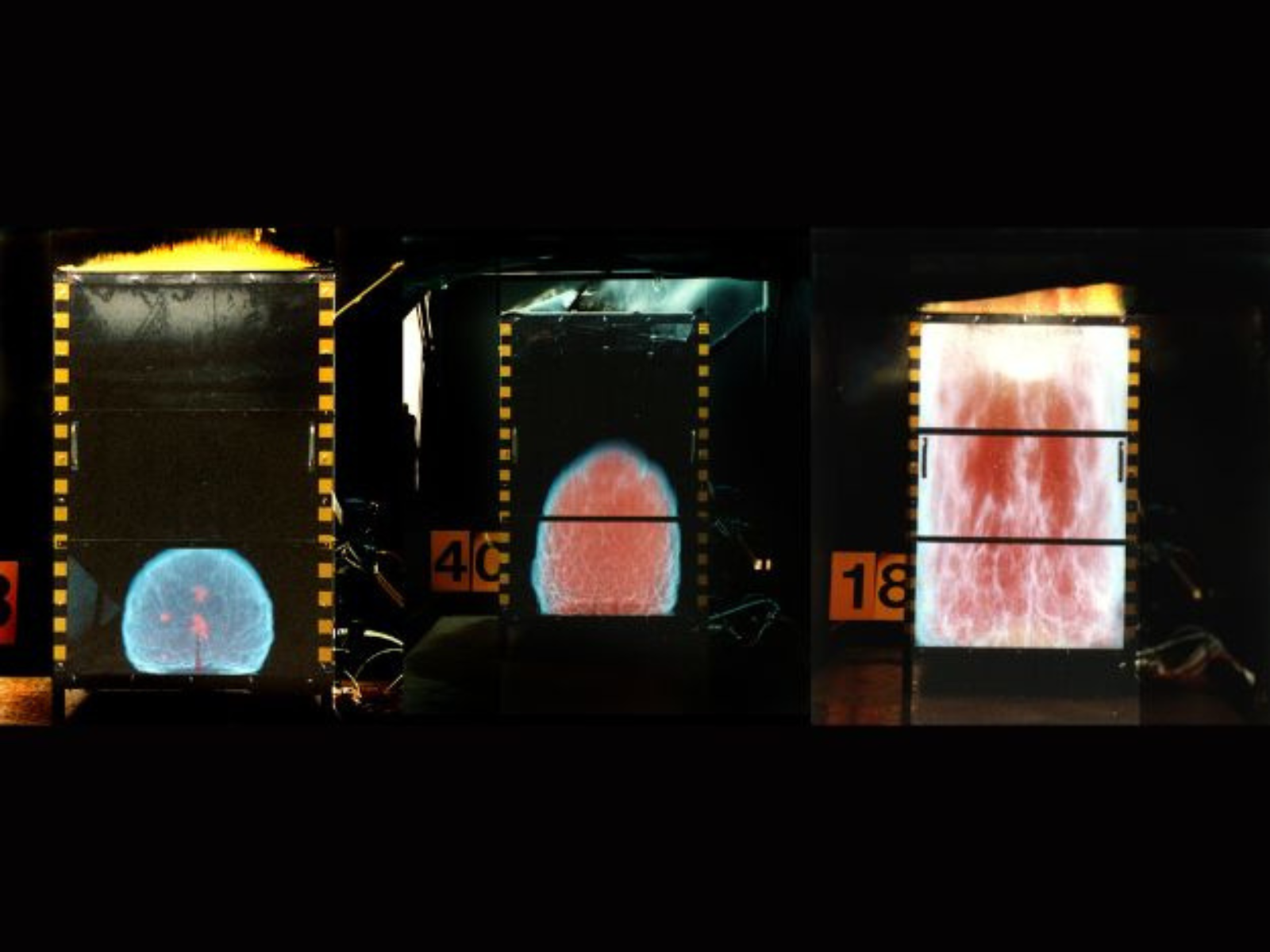
Gas Explosion Programme 1980-1986: Joint Industry Project research project with 6 sponsors on gas explosion hazards, main results were experimental
1987
Gexcon established as a brand name for consulting
1987
Gas Explosion Programme 1987-1989: 3 sponsors, main result FLACS-89 and experimental results.
1988
Piper Alpha accident occurred in the UK: Gexcon involved in subsequent inquiry as explosion specialist.
1990
Gas Safety Programme 1990-1992: Joint Industry Project with 11 sponsors, main results were FLACS-93, Gas Explosion Handbook, µ-FLACS, and experimental
1993
Gas Safety Programme 1993-1996: Joint Industry Project with 10 sponsors, main results were FLACS-94, FLACS-95 and FLACS-96, and various experimental results.
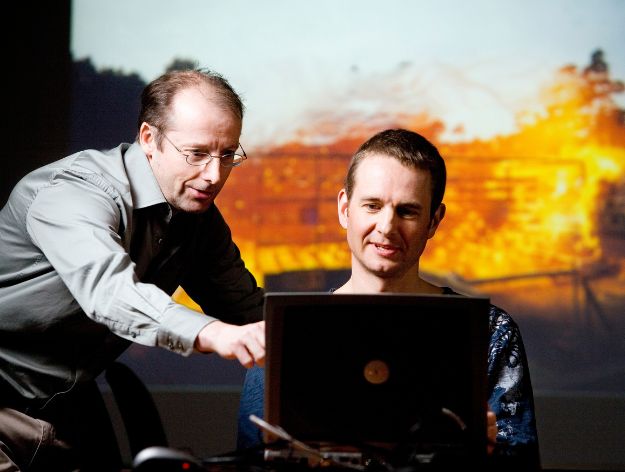
1995
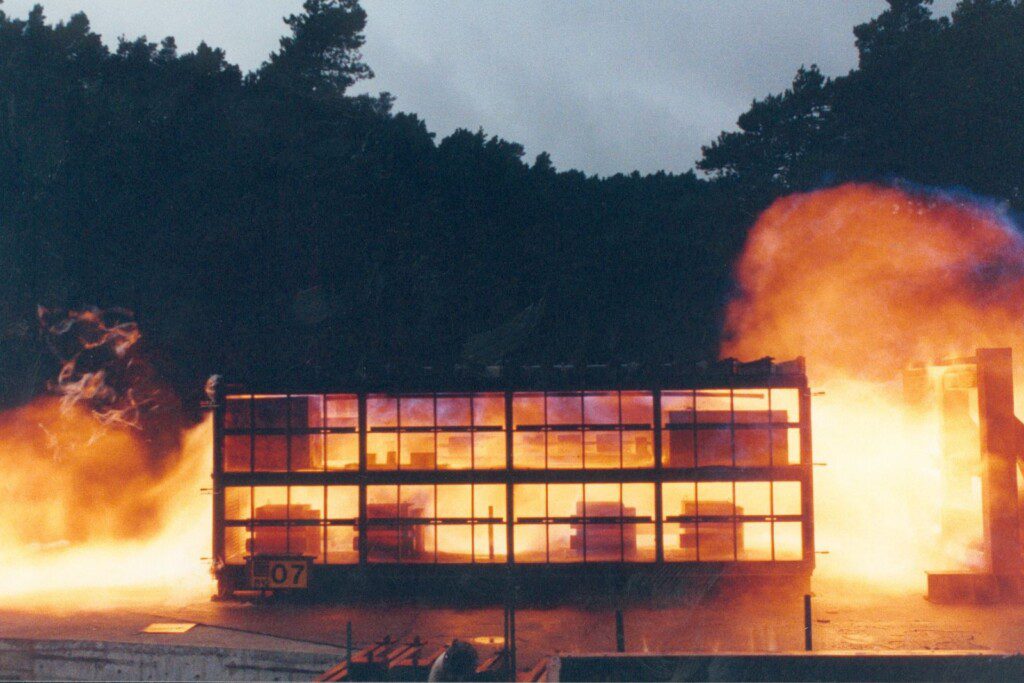
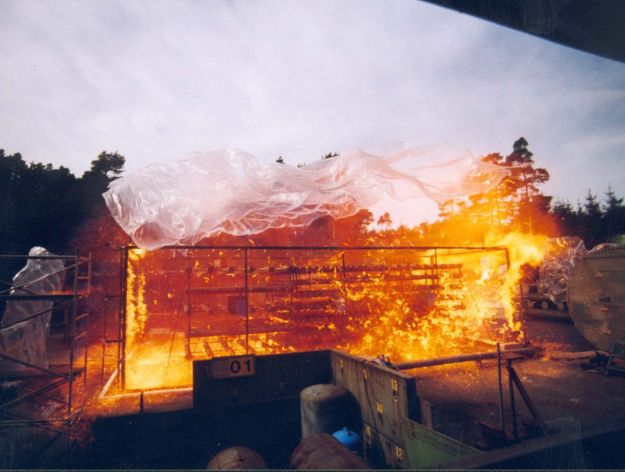
Large scale explosion and fire tests performed at Spadeadam, UK. The goal of this tests was to test the consequence of large-scale explosion and fire such as Piper Alpha.
1997
Gas Safety Programme 1997-1999: Joint Industry Project with 10 sponsors, main results were FLACS-97, FLACS-98 and FLACS-99, and various experimental results.
1998
Gexcon AS established to sell FLACS (commercially available) and FLACS consultancy services.
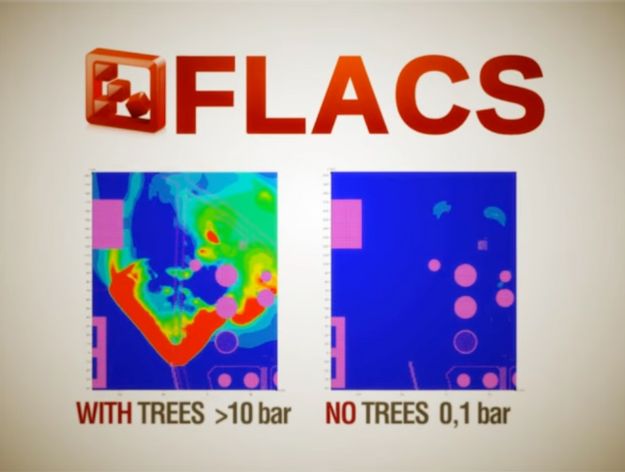
2000
CMR Explosion R&D department merges with Gexcon.
2006
Gexcon provided expert support during the investigation of the Buncefield explosion.
2007
Gexcon UK established.
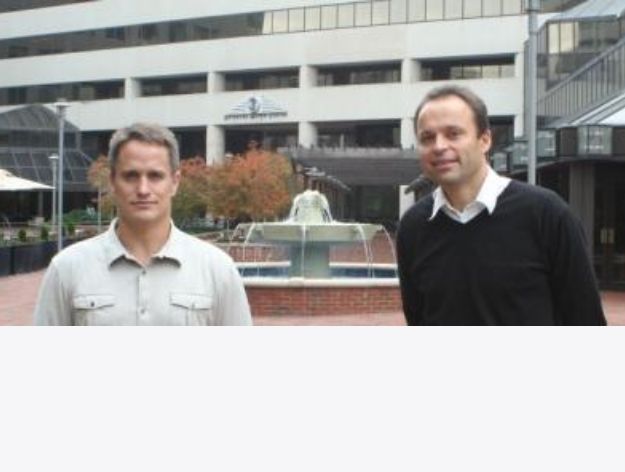
2009
Gexcon US established.
2010
Gexcon Australia established.
2011
FLACS first CFD software accepted by US DOT for LNG studies according to NFPA 59A.
2012
Gexcon Indonesia established.
2014
Gexcon China established.
2014
Gexcon India established.
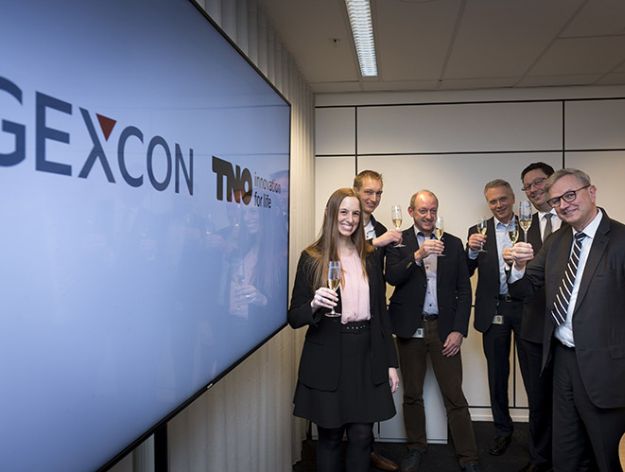
2017
Gexcon and Shell join forces to bring Shell’s hazard and risk software (FRED, Shepherd, and PIPA) to the market.
2018
Gexcon and TNO join forces to bring TNO’s safety software (EFFECTS and RISKCURVES) to the market.
2019
Gexcon France was established
2021
Gexcon acquired by Longship II PE Fund
2024
Gexcon has relocated its Bergen headquarters to a new address.
2025
Gexcon Houston office moved to new energy district site
Learn more about us

Who we are
Gexcon is the trusted safety and risk management partner for the world’s leading industries.

Partnerships
Driven by collaboration and partnership

Meet the team
Committed to delivering safety and risk management for the world’s leading industries.
