
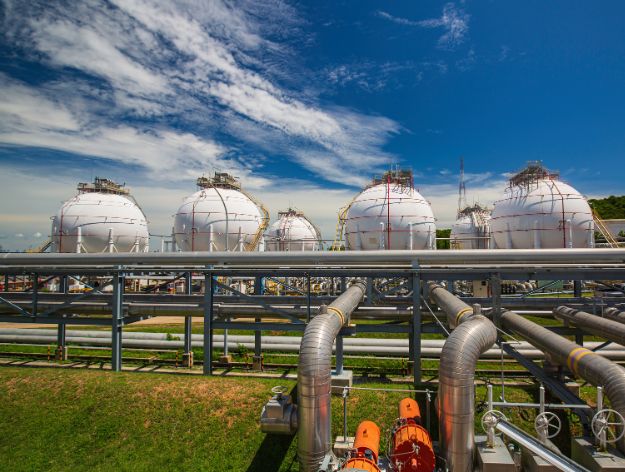
Quantitative Risk Assessments (QRAs) are commonly used in the process industry, from chemical plants to oil refineries, to provide a comprehensive understanding of risks and ensure they are effectively managed across operations.
Quantitative Risk Assessment (QRA) is a systematic and numerical approach to evaluate potential risks associated with hazardous processes by quantifying the likelihood and potential impact of a hazardous event occurring.
Whilst evaluating potential consequences of ‘on-site’ risks, such as fires, explosions, or toxic releases impacting people and assets, it also takes into consideration ‘off-site’ risks that may affect the surrounding areas.
If the risk is deemed unacceptable, risk reduction measures must be implemented. After these measures are in place, the risk should be re-evaluated to determine whether the revised risk level is acceptable.
Our Approach
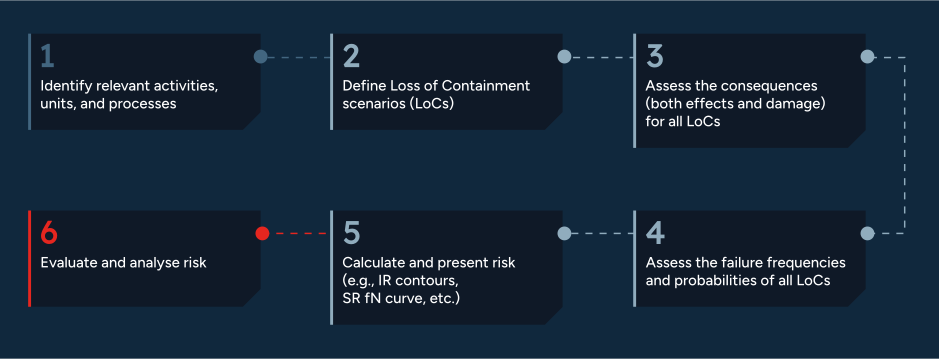
The typical procedure to perform a QRA consists of the following steps:

Supporting QRA with advanced tools
QRA applies frequency data and modelling to estimate the probability and potential impacts of risks, enhancing process safety decision-making and ensuring effective risk management.
Advanced QRA tool RISKCURVES and consequence modelling tools EFFECTS and FLACS provide:
- Accurate simulations of hazardous scenarios, including loss of containment (LOC) and impact assessments
- Clear outputs such as risk contours and impact zones
- Support for stakeholders in identifying vulnerabilities, prioritising safety investments, and implementing effective mitigation strategies
Value to your business
Our QRA service helps your business by:
- Gaining a comprehensive understanding of risk by systematically assessing the likelihood and impact of hazardous events
- Improving decision-making with clear, data-driven insights that support effective risk management
- Ensuring regulatory compliance by demonstrating that risks are within acceptable thresholds
- Enhancing safety planning by identifying on-site and off-site risks, helping to protect people, assets, and the environment
- Optimising risk reduction strategies by prioritising safety investments based on quantified risk levels
Featured Insights
Explore relevant materials providing insights into our service.

How to do a Quantitative Risk Assessment (QRA)
Learn how to carry out a QRA to identify major risks, assess their impact, and support safer decisions in high-hazard industries.

Integrating consequence analysis into QRA
The use of consequence analysis in QRA helps prioritise and complement risk assessments to support more informed safety decisions.
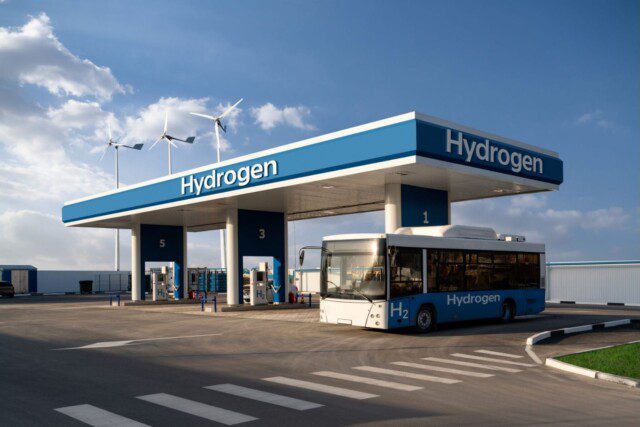
Hydrogen storage safety in urban settings: Analysing Societal Risk using RISKCURVES
This article primarily focuses on calculating Societal Risk, a crucial metric for evaluating risk acceptability, particularly relevant for the risk assessment of densely populated areas.
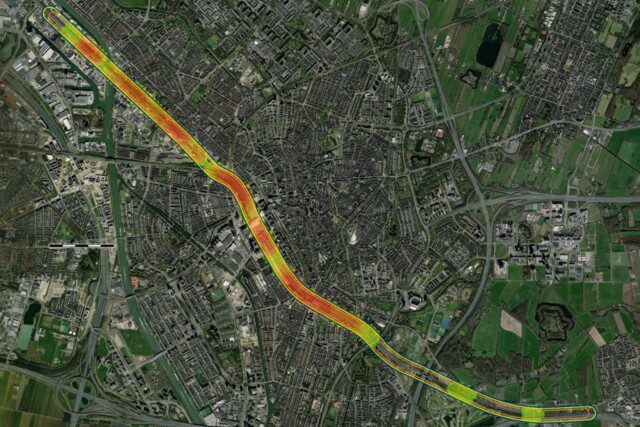
Risk analysis of ethanol tank wagon transportation using Societal Risk Maps
This article explores the calculation of Societal Risk maps through a case study of an ethanol tank wagon accident using Gexcon’s RISKCURVES QRA software.
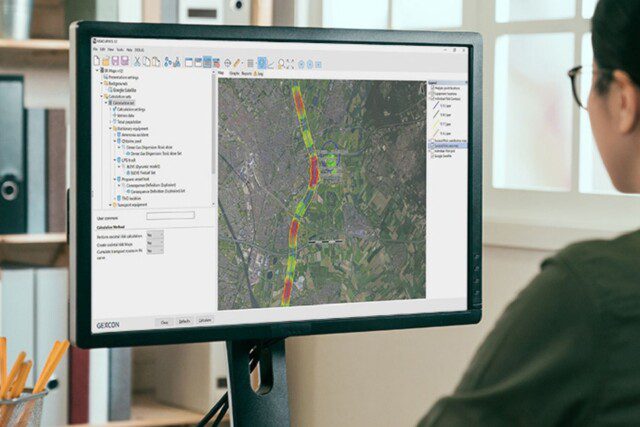
Societal Risk maps as a clear geographical representation of risk
Learn how Societal Risk maps provide a clear, visual way to understand and communicate risk distribution across geographical areas.
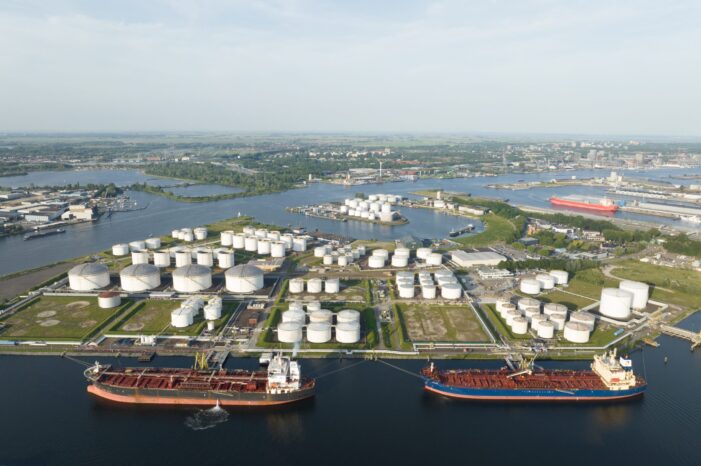

Advanced modelling techniques to resolve Process Hazards Analysis action items at LNG facilities
Learn how Process Hazard Analysis (PHA) items in LNG facilities are evaluated further using advanced modelling techniques.
Why choose Gexcon?
We have extensive experience in delivering QRA tailored to the needs of different industries and regulatory frameworks.
- Proven track record in performing both standardised and bespoke QRA studies.
- Familiar with relevant international guidelines and company-specific risk criteria.
- Supported a wide range of sectors including oil and gas, food, pharmaceutical, automotive, energy, and chemical industries.
- Combine advanced modelling tools with practical expertise to deliver clear, actionable insights.
- Help clients understand risk levels, meet compliance needs, and make informed safety decisions.
Need a partner to help drive your project forward?
Our experts are here to help.
Other Risk Evaluation and Quantification Services
Explore more services to help you assess risks, prioritise resources, and strengthen safety in your operations.

BowTie Analysis
BowTie Analysis maps accident scenarios, barriers, and outcomes to give a clear view of risks and improve safety communication.

Layer of Protection Analysis (LOPA)
Assess high-consequence scenarios and verify safety layers to ensure risks are reduced to an acceptable level.

Explosion Risk Analysis (ERA)
Evaluate explosion hazards, overpressure, and escalation risks to design safer facilities and meet regulatory compliance.

Fire Risk Analysis
Identify, assess, and quantify fire hazards to reduce risks, improve safety measures, and protect people, assets, and the environment.
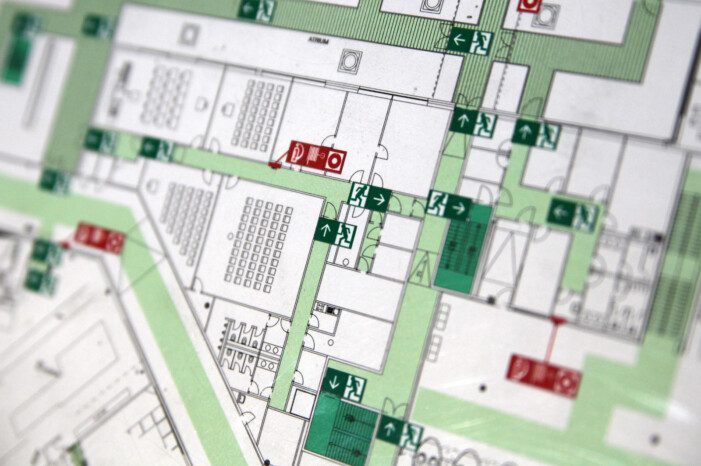
Emergency and Escape Route Impairment
Assess and mitigate risks from impaired emergency routes to ensure safe evacuations, protect people, and meet regulatory compliance.
