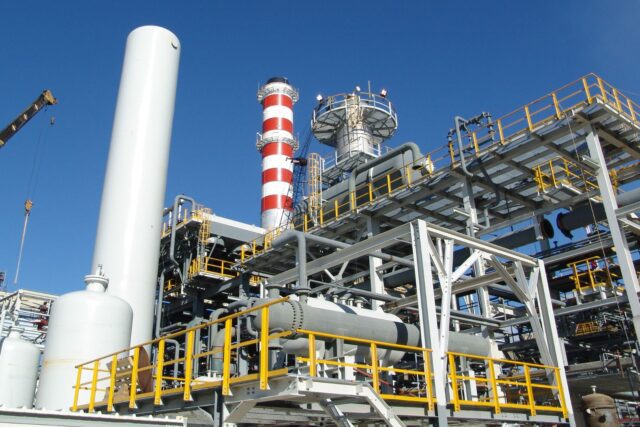
Explosions, impact, and fires present serious threats to the built environment such as buildings, infrastructure, and equipment. Preserving structural integrity is essential not only for safeguarding lives but also for maintaining civil contingency and seamless operational continuity. Consequently, understanding how structures respond to extreme loads is essential for developing effective risk mitigation strategies to guarantee both lives and asset protection.
At Gexcon, our experts possess deep expertise in analysing and predicting the effects of explosions, impact, fires, and any extreme exceptional load. Through advanced simulation technologies and rigorously validated assessments, we support vulnerability and resilience assessment, design optimisation, ensuring stringent compliance with safety standards.
Our Approach
- Hazard and structural modelling
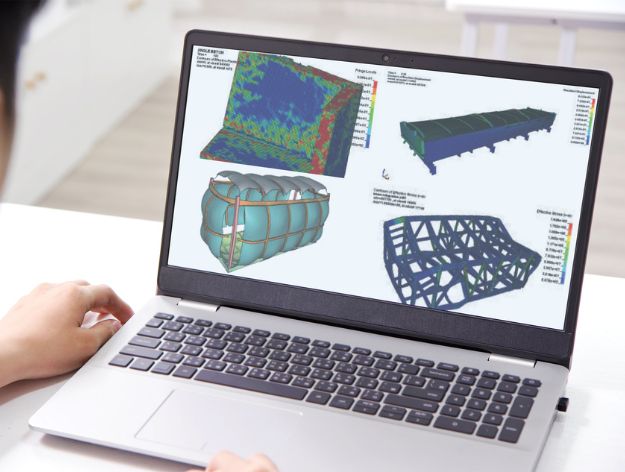
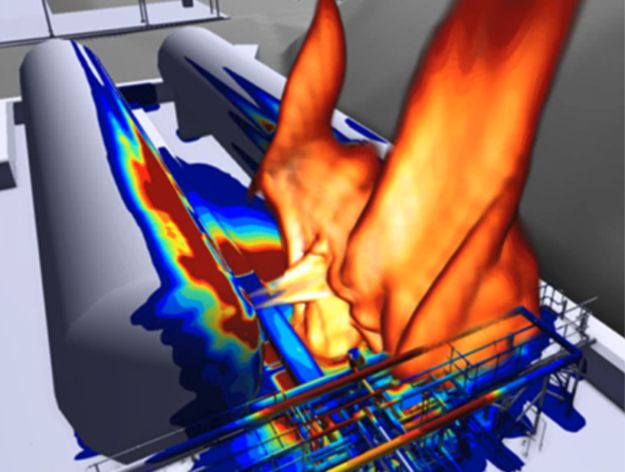
- We use FLACS to provide accurate input loads for finite element analysis (FEA). This ensures a seamless transition from hazard modelling to structural response analysis, capturing explosion and fire effects in detail.
- Coupled multi-physics numerical modelling
- We perform fully coupled multi-physics simulations (e.g. Arbitrary Lagrangian Eulerian ALE simulations), that simultaneously calculate the effects of both solid explosive detonations and structural response.
- Tailored analysis methods
- We use a range of technologies, from accurate finite element analysis (FEA) software like e.g. Ansys LS-Dyna and Altair Radioss, to simplified methods such as single-degree-of-freedom (SDOF) models and impulse-pressure curves. This flexibility ensures an appropriate level of detail for each project’s complexity.
- Quantitative risk assessment
- We perform a quantitative risk assessment (QRA) of both hazard and structural response. By means of our probabilistic performance-based risk analysis, the risk associated with explosions, impacts and fire can be quantitatively evaluated.
- Industry-Specific Solutions
- We support industries including oil and gas, chemical, defence, government, construction, manufacturing, and energy. Adapting our analysis to meet sector-specific challenges and compliance requirements.
- Collaborative and Practical Approach
- Whether working in-house or alongside trusted partners, we ensure that our findings integrate smoothly into broader safety and risk management strategies.
Applications
- Assessing the integrity of structural components, buildings, and whole infrastructures under explosions, impacts and fires.
- Designing and optimising passive fire protection (PFP) systems and explosion mitigation strategies.
- Forensic engineering for investigating structural incidents and identifying root causes and supporting legal processes.
- Assessing the effect of projectiles and fragments on structural components of buildings, infrastructures and military equipment.
- Quantitative risk assessment and fragility analysis for explosions, impacts, fires, and any extreme exceptional load.
Value to your business
Our Structural Response and Integrity Analysis Team helps your business by:
- Understanding the risk associated with how structures respond to explosions, impacts, fires, and any extreme exceptional load scenarios.
- Strengthening structural resistance through accurate assessments and tailored design improvements.
- Reducing the operational downtime or catastrophic disruption of your business by identifying vulnerabilities in case incidents occur.
- Optimising the use of both explosion mitigation and passive fire protection systems for a better performance and cost-efficiency design.
- Demonstrating compliance with regulatory and industry standards through validated engineering analysis.
- Leveraging numerical simulations to significantly reduce the reliance on extensive and costly experimental testing.
- Enhancing the engineering and strategic design of both protective and offensive systems.
Featured Insights
Explore relevant materials providing insights into our service.

Risk assessment of hydrogen in nuclear facilities
See how FLACS CFD tool helps simulate hydrogen hazards in nuclear facilities and support safer design through detailed consequence analysis.
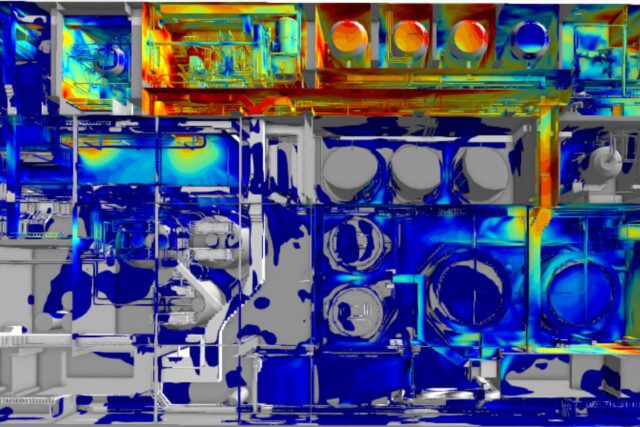
The practical use of FLACS for EDF nuclear safety demonstration – User perspective
Get practical tips on combining consequence and structural response studies, including how to map blast loads to FEM models.
Why choose Gexcon?
With extensive experience in fire and structural analysis, we help you design facilities that withstand fire and explosion impacts using trusted, evidence-based methods.
- Our engineers use performance‑based fire safety techniques to quantify structural response, not just code-based assumptions.
- We employ advanced tools such as LS-DYNA for non-linear dynamic response analysis and VIPER::BLAST for detailed blast effect modelling, alongside SBEDS for efficient single-degree-of-freedom blast design calculations.
- We are experienced in integrating FLACS CFD with finite element method (FEM) analysis to provide realistic blast and heat load inputs for accurate structural response modelling.
- Practical findings help you identify weak points early, refine fire and explosion protection strategies, and optimise material use for cost and safety benefits.
- Our analysis supports decisions on evacuation timing, structural damage prevention, and regulatory compliance, ensuring designs are both safe and resilient.
Need a partner to help drive your project forward?
Our experts are here to help.
Other Process Safety and Operational Assurance Services
Explore more services to help keep your operations safe, efficient, and compliant with industry regulations.

Pre-Start Up Safety Reviews (PSSR)
Ensure safety-critical systems and controls are in place before operations start to reduce risk, prevent incidents, and stay compliant.
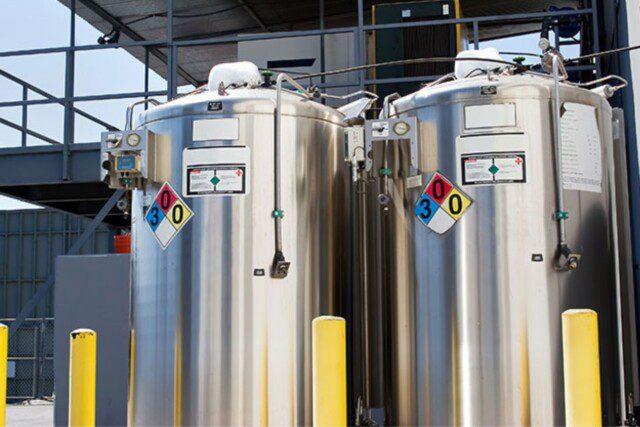
Hazardous Area Classification (HAC)
Identify and classify hazardous areas to control ignition sources, reduce explosion risk, and stay compliant with safety regulations.

Facility Siting
Assess and manage risks to people, equipment, and buildings with facility siting studies to support safe site selection and layout optimisation.
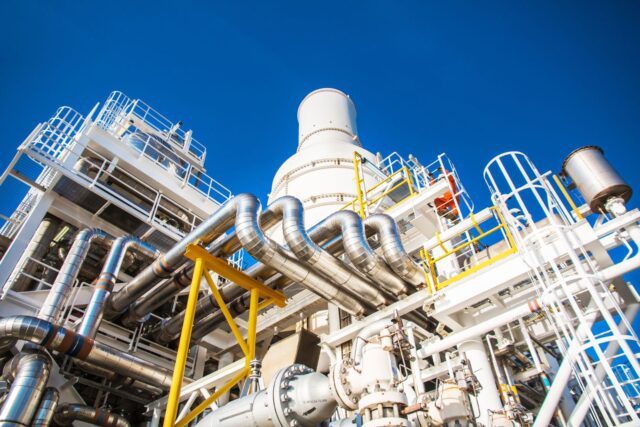
Regulatory and Industry Standard Compliance Audits
Identify compliance gaps and receive tailored guidance to meet regulatory standards, ensure safe operations, and align with best practices.
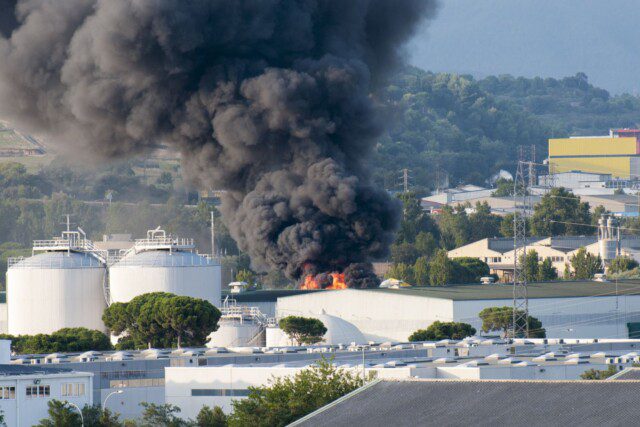
Emergency Response Planning
Plan and prepare for emergencies with clear response strategies to reduce risks from fires, explosions, and chemical incidents.

Safety Training and Competency Development
Build workforce competency with safety training that helps teams manage risks, meet regulations, and improve safety culture.
