
Safety barrier and BowTie Analysis allows for the visualisation of potential accident scenarios for a given process or system.
The output of the study is a diagram that resembles the shape of a bowtie.
These studies are used widely in many high-hazard industrial sectors to create an overview of risk management practices.
BowTie diagrams are used to clearly display the hazards, safety barriers and consequences and show the linkage between them. This allows for enhanced communication about risk and controls between process operators and stakeholders.
Bowties are commonly used as part of workforce engagement and safety culture processes, due to the ease with which they can communicate safety issues to personnel who may not be safety professionals.
Our Approach
The methodology is formed by the relationship between Hazards, Top Events, Threats and Consequences and is designed to provide a more functional overview to visualise credible paths from threats to high-consequence scenarios.
It provides a clear and concise visual representation of the risks and potential consequences associated with process facilities, making it easier to understand and communicate the risk landscape.
Often these analyses are supplemented with information identified within other Process Hazard Analysis (PHA), such as HAZID and HAZOP. They can also be directly linked to assessments of barrier reliability, such as LOPA (Layers of Protection Analysis). Ideally, the bowties will be developed through an integrated process with the rest of the PHAs.
Conducting a BowTie analysis promotes proactive risk management by emphasising preventive measures. By identifying potential threats and vulnerabilities, you can implement proactive controls to prevent incidents or minimise their impact. This approach helps reduce the likelihood of accidents, disruptions, and losses.
Contact us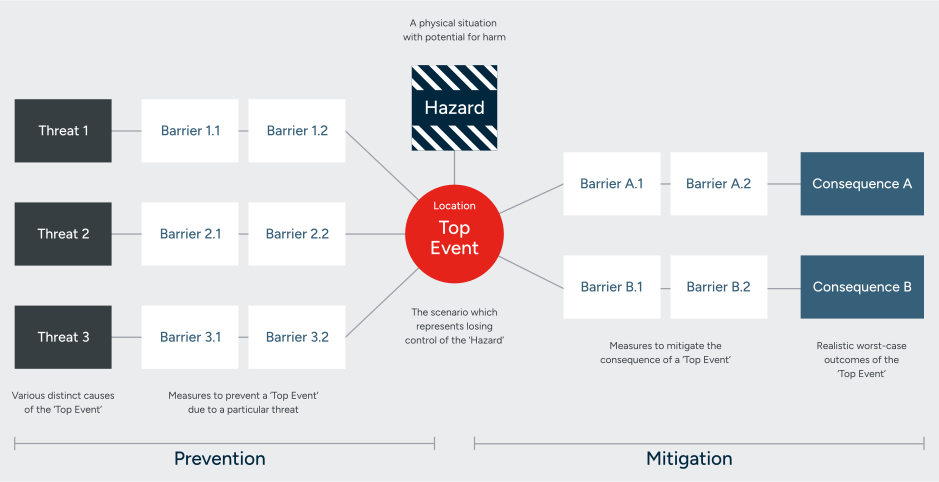
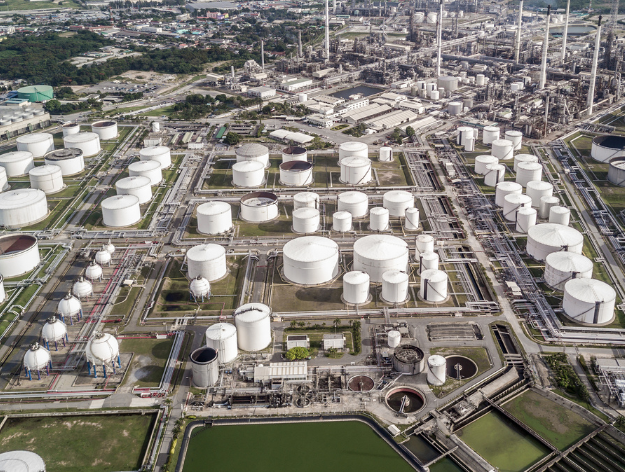
Value to your business
Our BowTie analysis service helps your business by:
- Providing a clear visual representation of risks, making complex safety information easier to understand and communicate
- Strengthening risk management by identifying potential hazards, threats, and consequences in a structured format
- Improving workforce engagement and safety culture by simplifying risk communication for all personnel, including non-safety professionals
- Enhancing decision-making by integrating insights from other PHA techniques such as HAZID, HAZOP, and LOPA
- Supporting proactive risk mitigation by identifying and reinforcing critical safety barriers to prevent incidents or reduce their impact
Featured Insights
Explore relevant materials providing insights into our service.

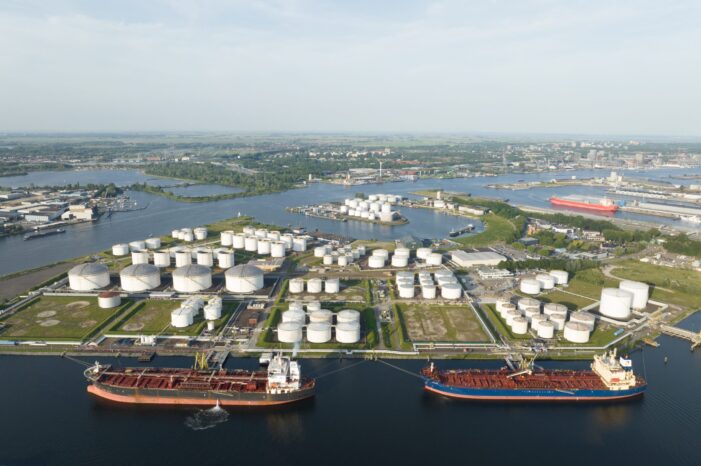
Working with the UK’s first ever multifunctional LNG Terminal
Learn how Gexcon supported safety assessments for the UK’s first multifunctional LNG terminal through advanced modelling and expertise.

Why choose Gexcon?
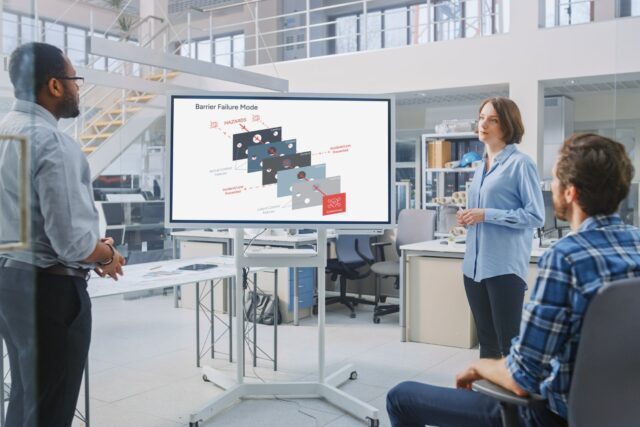
At Gexcon, we support clients in high-hazard industries to enhance safety and communication and to take a proactive approach to identify shortfalls in controls through safety barriers and BowTie analysis.
Our experienced team of consultants can review hazards, safety barriers and consequences to provide a clear structured framework to evaluate the risk of your system and identify if improvement is required to strengthen your safety systems.
Need a partner to help drive your project forward?
Our experts are here to help.
Other Risk Evaluation and Quantification Services
Explore more services to help you assess risks, prioritise resources, and strengthen safety in your operations.
Layer of Protection Analysis (LOPA)
Assess high-consequence scenarios and verify safety layers to ensure risks are reduced to an acceptable level.
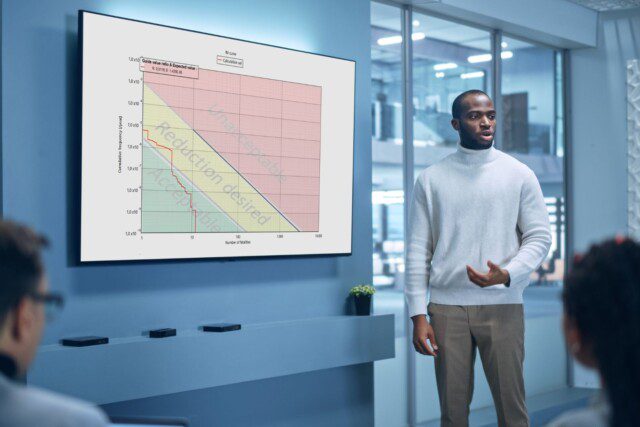
Quantitative Risk Assessment (QRA)
Quantify risks by assessing event likelihood and impact to support informed safety decisions and effective risk mitigation.

Explosion Risk Analysis (ERA)
Evaluate explosion hazards, overpressure, and escalation risks to design safer facilities and meet regulatory compliance.

Fire Risk Analysis
Identify, assess, and quantify fire hazards to reduce risks, improve safety measures, and protect people, assets, and the environment.
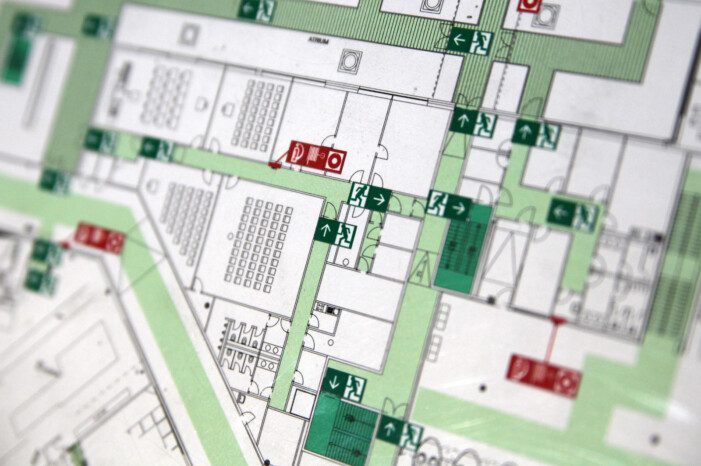
Emergency and Escape Route Impairment
Assess and mitigate risks from impaired emergency routes to ensure safe evacuations, protect people, and meet regulatory compliance.
