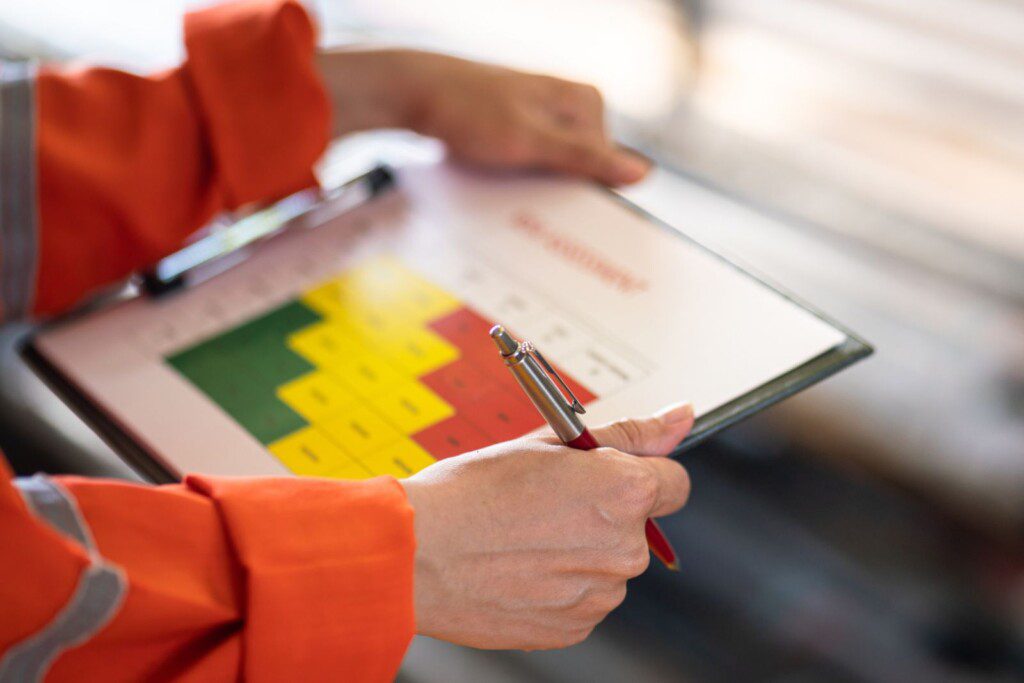
Using risk insight to strengthen safety and compliance
Risk evaluation and quantification techniques help identify potential hazards, assess how likely they are to happen, and quantify the severity of the consequences. By using a risk ranking system, you can focus on the highest-risk scenarios first—helping to reduce overall exposure and prioritise the use of time, budget, and resources where they’re needed most.
Understanding these risks gives organisations clearer insight to make better decisions on mitigation measures—improving safety, meeting regulatory requirements, and maintaining operational continuity.
These techniques also support a stronger safety culture and ongoing improvement, while lowering the chance of incidents and helping protect people, communities, and the environment.
Types of services

BowTie Analysis
BowTie Analysis maps accident scenarios, barriers, and outcomes to give a clear view of risks and improve safety communication.

Layer of Protection Analysis (LOPA)
Assess high-consequence scenarios and verify safety layers to ensure risks are reduced to an acceptable level.

Quantitative Risk Assessment (QRA)
Quantify risks by assessing event likelihood and impact to support informed safety decisions and effective risk mitigation.

Explosion Risk Analysis (ERA)
Evaluate explosion hazards, overpressure, and escalation risks to design safer facilities and meet regulatory compliance.

Fire Risk Analysis
Identify, assess, and quantify fire hazards to reduce risks, improve safety measures, and protect people, assets, and the environment.
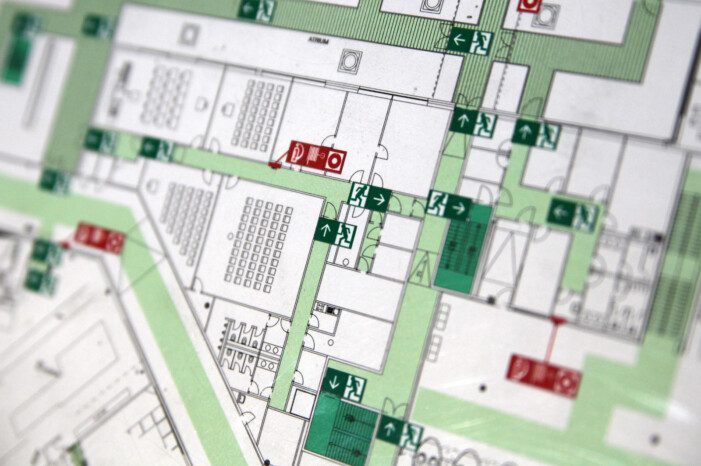
Emergency and Escape Route Impairment
Assess and mitigate risks from impaired emergency routes to ensure safe evacuations, protect people, and meet regulatory compliance.
Featured Insights
Explore relevant materials providing insights into our service.
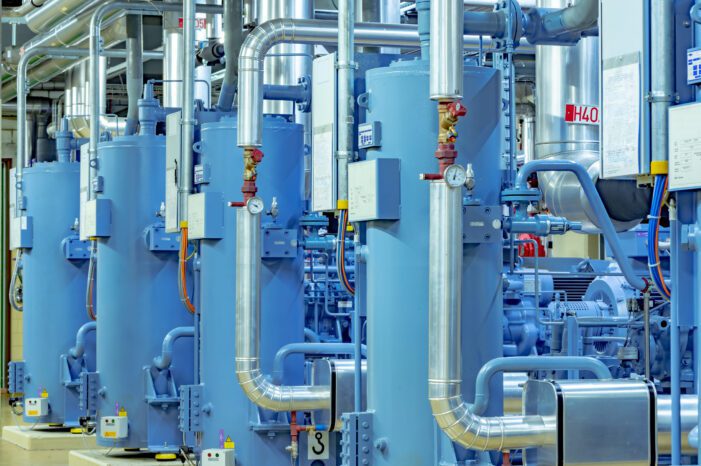
Ammonia Risk Assessments – How advanced consequence modelling can improve safety management
Advanced consequence modelling supports ammonia risk assessments and helps improve safety in storage, transport, and use.
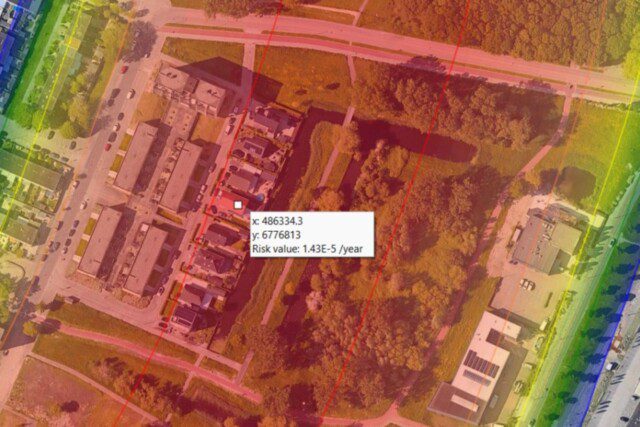
CCS risk assessment: Analysing IRPA and LSIR for pipelines transporting CO2
Analysing risks with RISKCURVES for buried pipelines transporting CO2, focusing on Individual Risk criteria LSIR and IRPA.
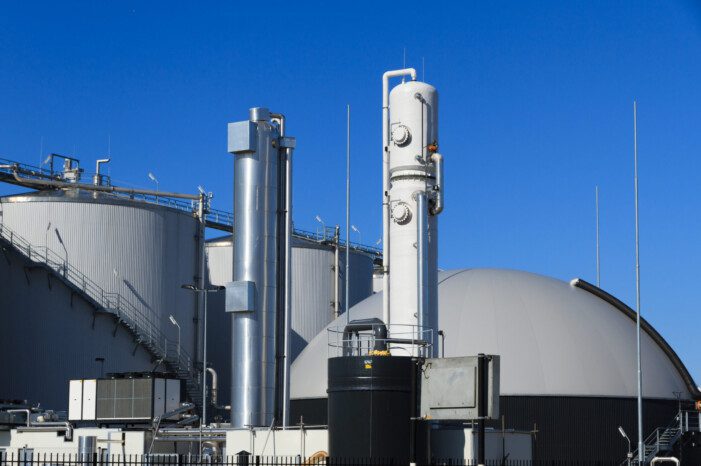
Ensuring safe biogas production using CFD-based risk analysis
Learn how CFD-based risk analysis supports safer biogas production by predicting gas dispersion, fire, and explosion hazards.
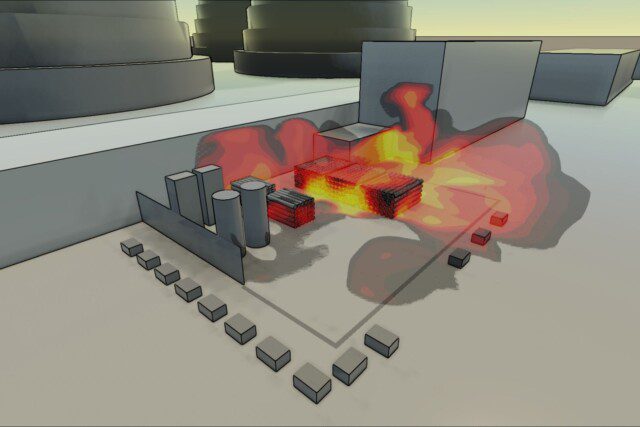
Hydrogen bulk storage areas: How advanced consequence modelling can inform a safer design and help reduce the risks from explosions
Advanced modelling tools can analyse the consequence of explosions in hydrogen bulk storage areas hence assisting in creating a safer design.

How to improve QRA results with a hybrid approach using CFD and Integral methods
Learn how to apply a QRA hybrid approach using CFD and integral modelling methods to balance accuracy, speed, and transparency in risk assessments.

Need a partner to help drive your project forward?
Our experts are here to help.