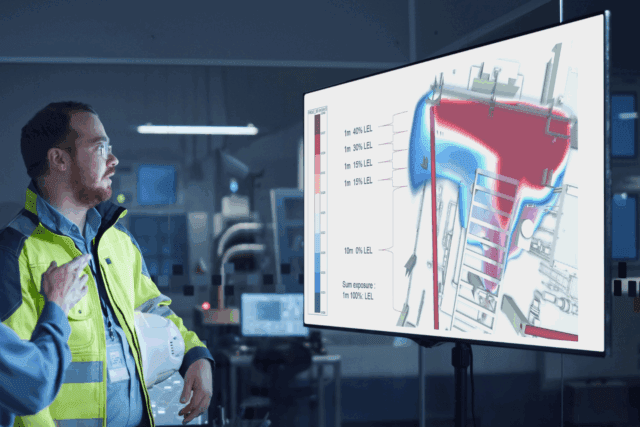
In both onshore and offshore environments, the industrial sector heavily relies on fire and gas (F&G) detection systems to mitigate the risks associated with accidental releases of toxic and flammable fluids.
When effectively implemented, these systems facilitate early detection of hazards, enabling prompt initiation of control measures and emergency responses. These systems must be inherently reliable and strategically positioned to maximise detection probability.
F&G detector layout optimisation studies offer a quantitative, objective, and performance-based approach to ensure that the number and placement of detectors meet necessary standards.
Undetected gas releases remain a significant challenge in industrial safety, with a substantial percentage of incidents going unnoticed.
Considering the limitations of technology and the range of factors affecting hazard behaviour—such as release direction, wind speed, wind direction, and ignition sources—this is understandable.
Despite these challenges, safety cases often rely on generic rules for detection probability, frequently without backing from formal coverage or reliability studies.
Although guidelines (e.g., ISA TR84.00.007 and BS 60080-2020) offer F&G mapping methodologies, they are non-prescriptive and require experience to apply.
Our Approach
Fire and gas detectors are typically part of the same system, but their analysis should be treated as two distinct tasks due to the fundamental differences in their detection principles.
These principles are:
- Fire detection relies on ray tracing, where detectors need to “see” key areas of the plant for reliable detection.
- Gas (and smoke) detection depends on fluid flow and the physical presence of gas at the detector location.
- An effective analysis tool for gas detection must account for fluid flow, gas transport from the release point to the detector, and factors like gas buoyancy and ventilation systems that could affect the flow pattern.
For these reasons, F&G detector analysis is conducted as two separate tasks, each requiring software tailored to model the relevant processes. CFD codes are used for gas detection, with FLACS being the preferred tool for modelling complex scenarios. For fire detection, ray casting software Detect 3D is commonly used for large-scale fire detection analyses.
When necessary, we use our industry-standard CFD code, FLACS, to calculate explosive gas cloud dimensions and better understand dispersion scenarios. This approach ensures that the final detector layout is tailored to each area’s specific hazards and risks, avoiding over and under-engineering.
Recognising that each situation is unique, we advise on the most suitable detection strategy and F&G mapping technique for each case.
Contact us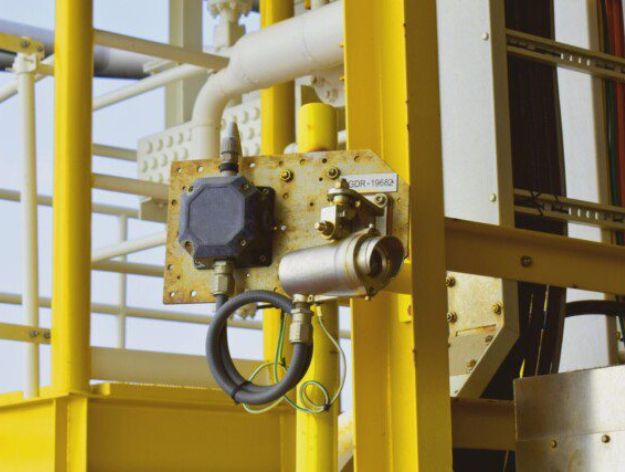
Value to your business
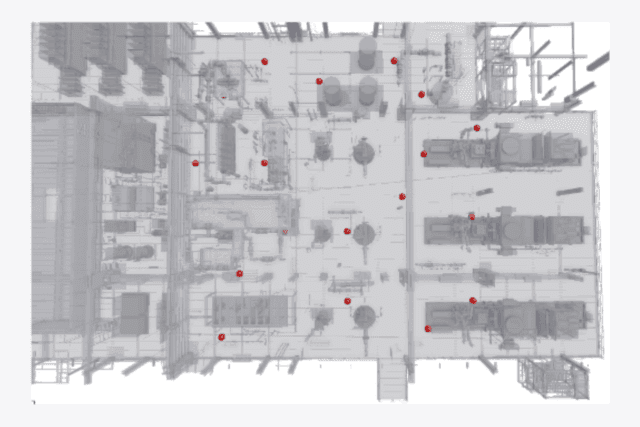
The outcomes of our F&G mapping studies provide an objective evaluation of existing detector layouts and propose an optimised design supported by quantitative coverage data and visual representations of coverage areas.
Our proposed solutions also account for the practical aspects of implementing F&G detectors.
We ensure that the installation locations we recommend are feasible and maintainable and strategically positioned so as not to obstruct critical maintenance pathways or emergency escape routes.
Featured Insights
Explore relevant materials providing insights into our service.
Optimising gas detection layout using CFD
Learn how CFD technology can optimise gas detection layouts to improve safety and achieve cost savings over time
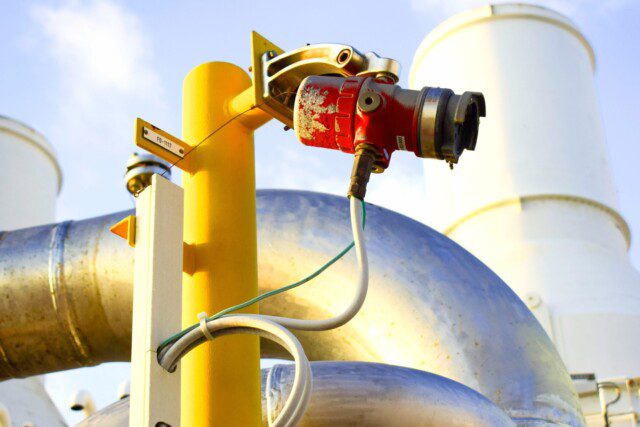
The challenges of fire and gas detection
Learn the key challenges in designing an effective fire and gas detection system, and how it fits within the hierarchy of risk control.
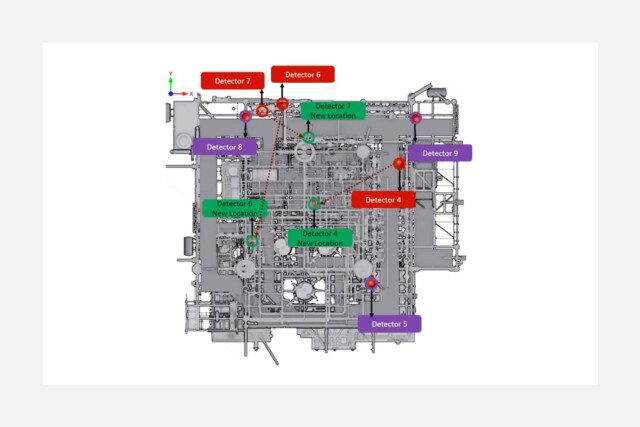
Flammable gas detector mapping and optimisation for offshore facility
Learn how to carry out gas detector mapping and optimisation for offshore facilities using FLACS.
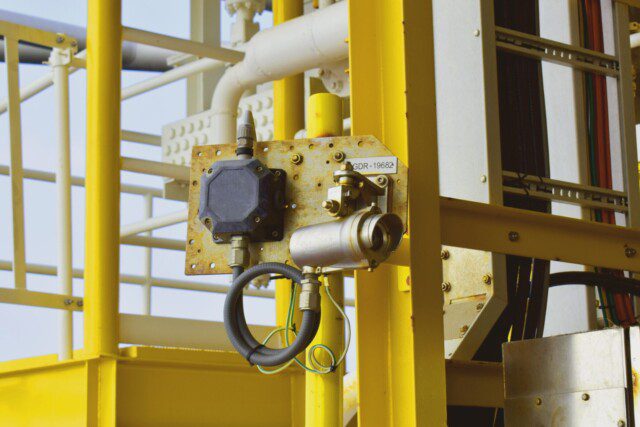
Gas detection mapping and optimisation
Learn how to assess gas detector performance and model gas dispersion accurately using CFD modelling tools.
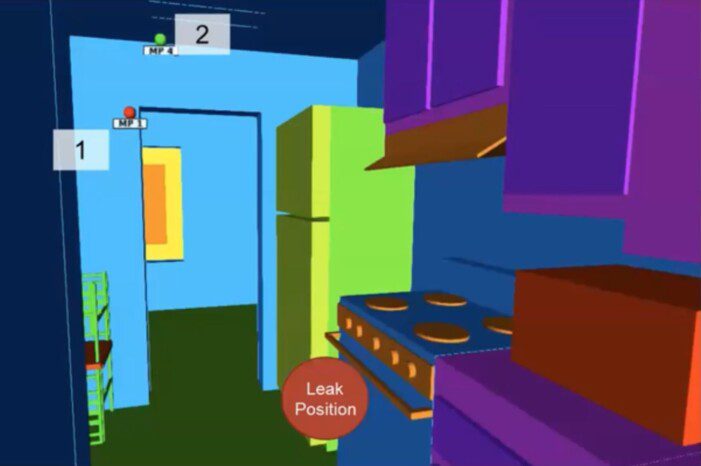
Combustible gas dispersion and detector location analysis in residential occupancies
This webinar presents the research on combustible gas dispersion and detector location analysis in residential occupancies by Gexcon US for the Fire Protection Research Foundation.
Why choose Gexcon?
At Gexcon, we have extensive expertise in evaluating and enhancing the performance of fire, toxic, or flammable gas detection systems using appropriate fire and gas mapping methods.
- Ensures detectors are positioned for maximum hazard coverage
- Supports faster and more effective emergency response
- Applies a performance-based approach aligned with industry standards
- Helps reduce false alarms and detection gaps
- Provides practical, data-driven recommendations to improve system effectiveness
Need a partner to help drive your project forward?
Our experts are here to help.
Other Advanced Analysis and Engineering Support Services
Explore more specialised services designed to solve complex safety and engineering challenges across high-risk operations.

HVAC System Design Optimisation
Optimise airflow and minimise gas build-up risks with HVAC system analysis to support safer, more efficient operations.
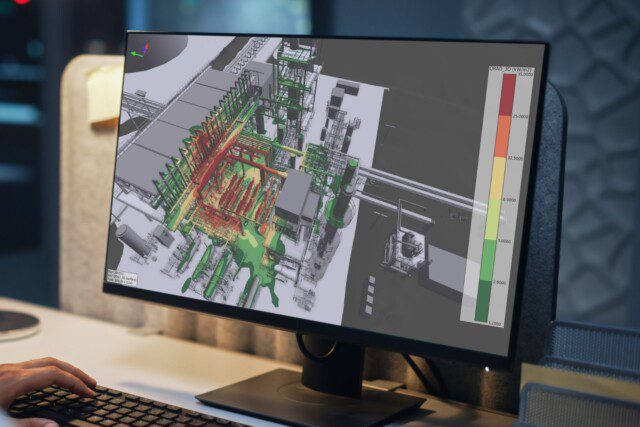
Facility Layout Optimisation and Verification
Develop safer, compliant facility layouts by identifying hazards early, avoiding costly redesigns, and minimising risks through expert analysis.
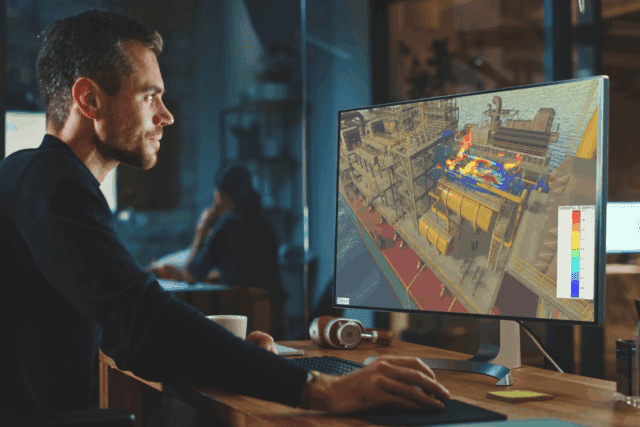
Mitigation and Safety Optimisation Analysis
Assess and improve safety measures to reduce the impact of toxic releases, fires, explosions, and other industrial hazard scenarios.
