If you’re unsure whether your dust is combustible, the explosibility screening test is a useful first step.
This basic test is designed to check whether a dust sample can ignite and support flame when dispersed in the air. It is especially relevant for any facility working with dust products where the combustion risk is unknown.
The purpose of the test is to determine if a material has the potential for combustion. It is most commonly used when there is uncertainty due to the dust’s composition – for example, if it contains a high amount of inert material such as moisture, ash, or oxides – or due to factors like coarse particle size or the material’s chemical structure.
The result is either “Yes” – the dust is combustible – or “No” – the dust is non-combustible under the test conditions.
A “Yes” result means further testing may be needed to understand how the dust behaves in an explosion scenario.
A “No” result suggests the dust does not pose an explosion risk as a cloud, though other explosibility risks may still be present, such as dust layer ignition on hot surfaces or equipment. In such cases, we may recommend testing the minimum ignition temperature of a dust layer or cloud to confirm.
It’s important to note: all dusts that can explode are combustible, but not all combustible dusts will explode when suspended in air. This test helps you decide whether more detailed testing is needed, or whether a basic level of safety has already been met.
Contact us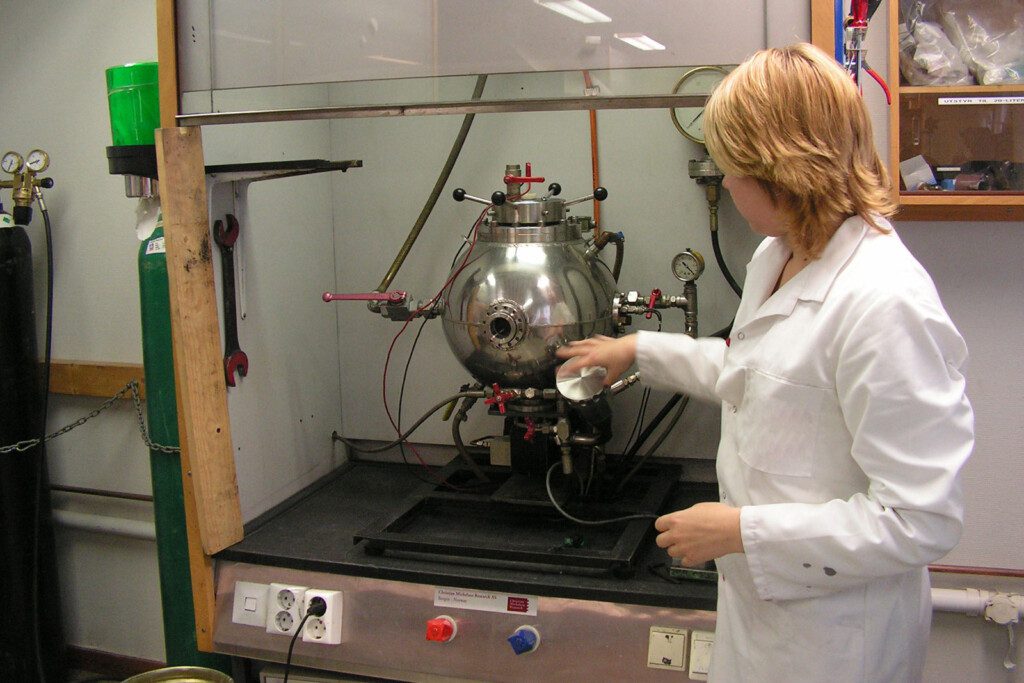
Testing Methodology
Gexcon carries out the explosibility screening test in line with EN 80079-20-2 “Explosive atmospheres – Part 20-2: Material Characteristics – Combustible dust test methods” and the Kühner AG “Operating Instructions 20-l-Apparatus”, Version 7.1.
The test involves dispersing different amounts of the dust sample inside a 20-litre explosion vessel to form dust clouds at varying concentrations. Each cloud is then exposed to a 2 kJ ignition source (chemical igniters) to observe whether an explosion occurs.
Value to Your Business
The result from the explosibility screening test helps you with:
- Deciding whether further explosibility testing is needed to avoid unnecessary costs
- Giving a clear basis for risk assessment and safety planning in dust-handling processes
- Complying with relevant standards and regulatory requirements (e.g., ATEX Workplace Directive, DSEAR, NFPA)
- Making practical safety decisions when working with unknown or mixed dust types
- Contributing to a safer working environment by identifying potential hazards early
Featured Insights
Explore relevant materials providing insights into our service.

Dust explosion: an introduction
Learn what causes dust explosions, why they’re dangerous, and how to reduce the risk in industrial environments.
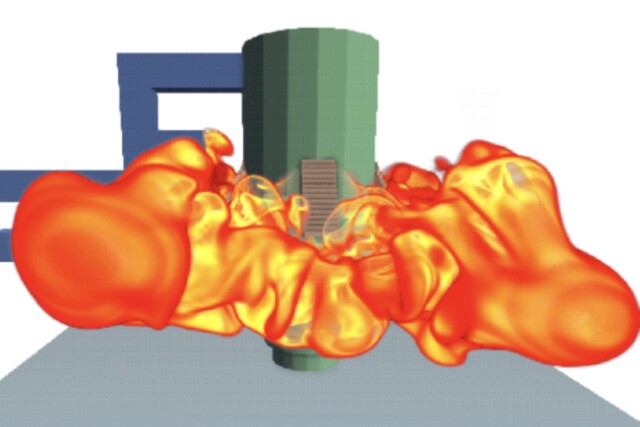
Investigation Findings And Lessons Learned In The 2014 Georgia Pacific Corrigan Facility Fire And Explosion
This paper discusses the proximate causes of the 2014 Georgia Pacific Corrigan Facility fire and explosion and its root causes.
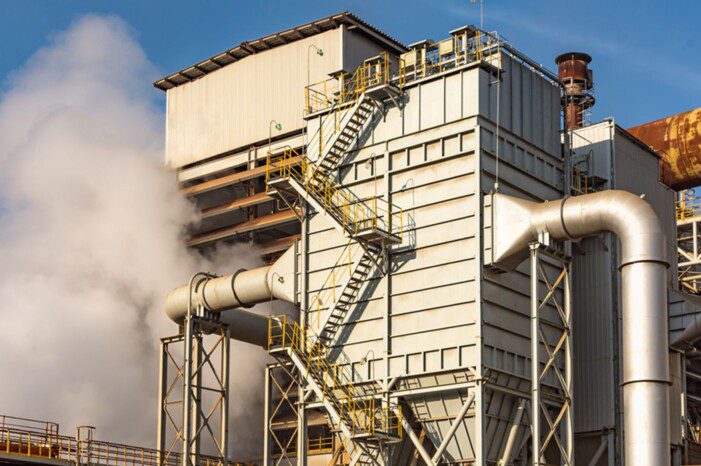
How to properly design your dust explosion protective systems
Learn how poor dust system design led to a major plant explosion and what steps to take to prevent similar combustible dust incidents.

Dust hazard analysis and prevention, the hierarchy of controls, and practical implementation
Learn the practical steps to assess fire and explosion risks from bulk solids and demonstrate ALARP for regulatory and standard compliance/

Fundamentals of fire and explosion from handling bulk solids
Learn how to assess and prevent fires and explosions from flammable bulk solids.
Validate your project with proven test data
Work with our specialists to get insights you need for smarter decisions.
Comprehensive combustible dust testing services
- Explosibility Screening Test (Yes/No) Read more
- Minimum Ignition Energy (MIE) of Dust Cloud Test Read more
- Minimum Ignition Temperature (MIT) of Dust Cloud Test Read more
- Minimum Ignition Temperature (MIT) of Dust Layer Test Read more
- Explosion Severity Test (Pmax, dP/dt, KST) Read more
- Lower Explosion Limit Test (LEL, MEC) Read more
- Limiting Oxygen Concentration (LOC) Test Read more
- Burning Behaviour Test Read more
- Dust / Powder Resistivity Test Read more
- Hot Storage Test in Wire Baskets (Self-Ignition Temperature) Read more
- Electrostatic Hazard Tests Read more
- UN Transportation Tests (UN Class 4) Read more
