
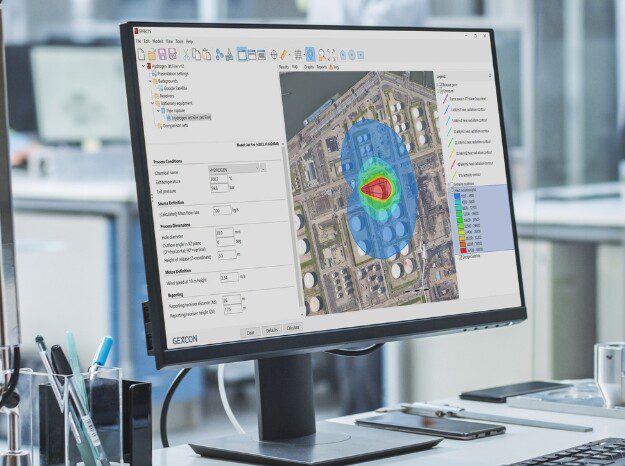
Discover areas of concern in your design and operations
EFFECTS supports you in understanding the severity of accidental releases of hazardous chemicals. This proves valuable when identifying vulnerabilities in industrial processes.
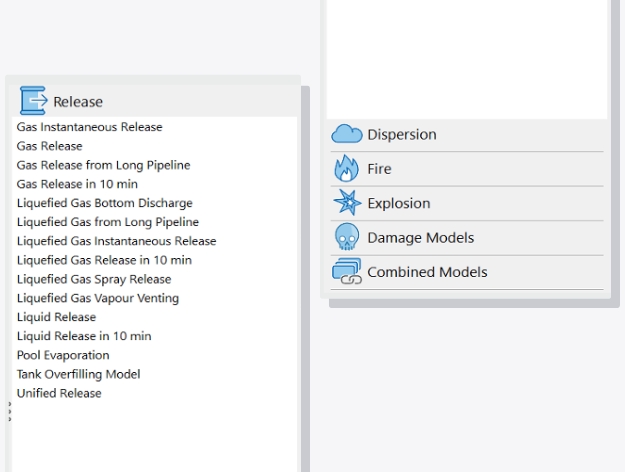
Find solutions to various safety issues using a wide range of scenarios
EFFECTS offers over 70 state-of-the-art models, 2,200 chemical components from the DIPPR® database, along with customised mixtures.
The software simulates a wide range of scenarios including leaks and ruptures in pipelines (buried or above the ground), pressure valves and vessels and storage tanks, as well as confined gas explosions, BLEVEs, battery thermal runaway, drifting toxic clouds and various fire types, such as jet, pool, rim, bund, and rooftop fires, just to name a few.
All models are suitable for analysing the consequences of flammable and toxic substance releases, including hydrogen, ammonia, CO2, LNG, ethanol, H2S and more.
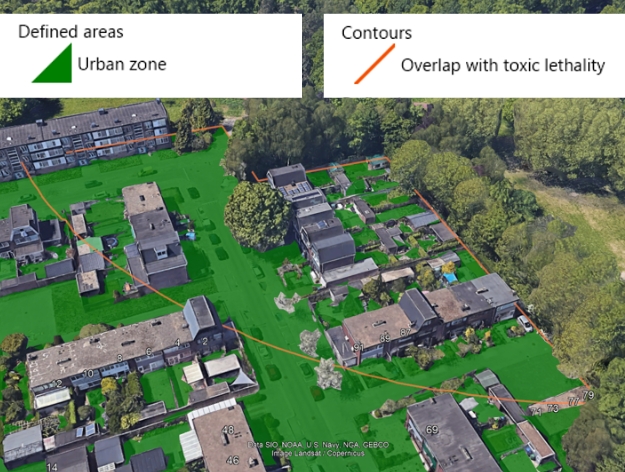
Generate reliable results to support decision-making in your projects
Use EFFECTS results for data-driven project decisions, including complying with regulations, preventing the over-design of safety measures, designing safe operational processes, developing emergency response plans, and evaluating the impact of modifying existing facilities.
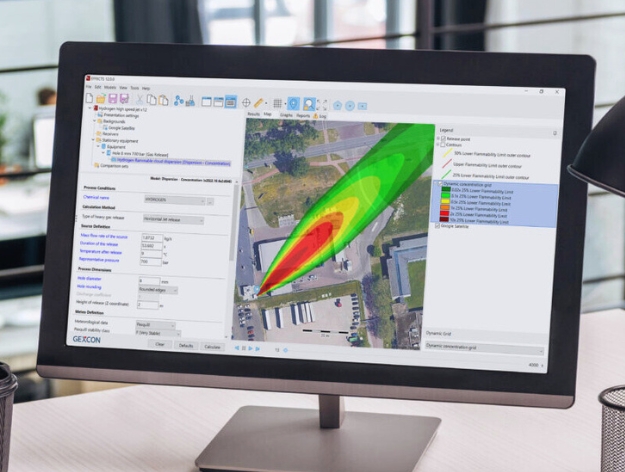
User-friendly
EFFECTS is designed for both experts and occasional users, offering a short learning curve experience.
Its modern and intuitive user interface allows you to quickly determine the consequences of accidental releases.
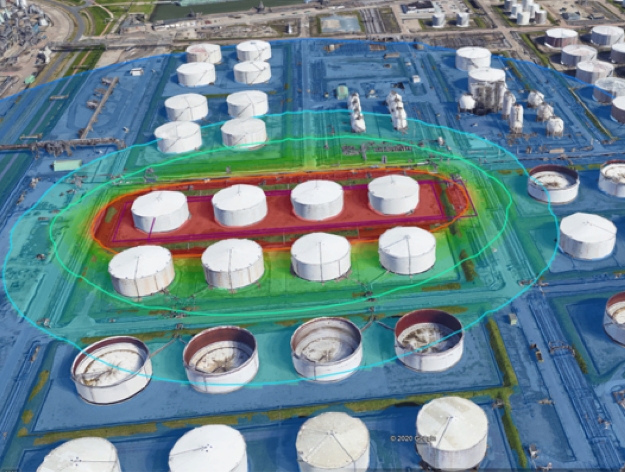
Communicate effectively with various stakeholders
Easily export results to Google Earth with just a few clicks.
This enhances result visualisation, making it easily understandable for both technical and non-technical professionals.

Cost-effective with flexible licensing options
Save on license costs and have full flexibility to use your license whether you are a specialised consultancy or multi-national corporation.
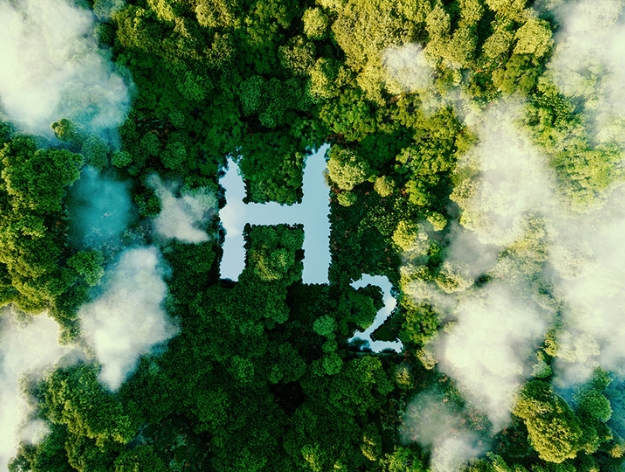
Support a safe energy transition
EFFECTS includes functionalities designed to facilitate safe and regulatory-compliant energy transition initiatives.
Key features include an improved dispersion model that simulates light, neutral and dense gases (and their transitions), enhanced outflow models for more accurate assessment of high-speed jet releases, particularly relevant for highly pressurised hydrogen scenarios; the Li-ion Battery Energy Storage (BESS) Thermal Runaway model; and the Buried Pipeline model, designed for simulating buried pipeline ruptures and crater formation, essential for CO2 transport during CCUS processes.
The models are rigorously validated to assess the hazards associated with new energy carriers, such as hydrogen, ammonia, and CO2, leveraging the latest research and scientific insights. Our engineers continuously validate modelled results against experimental data to ensure accuracy and consistency.
Find out moreEFFECTS simulation examples
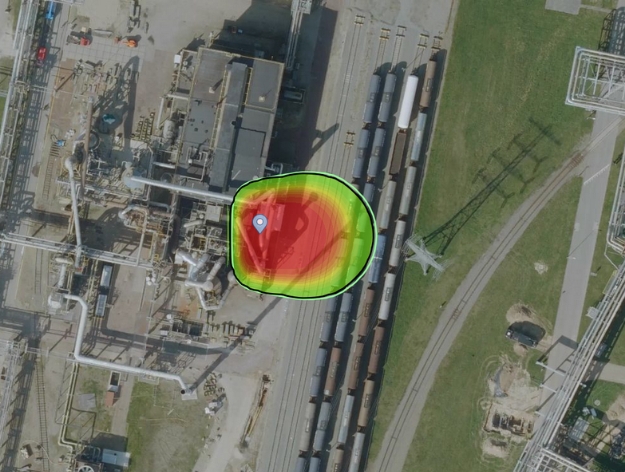 Simulating refrigerated ammonia release at the cooling station
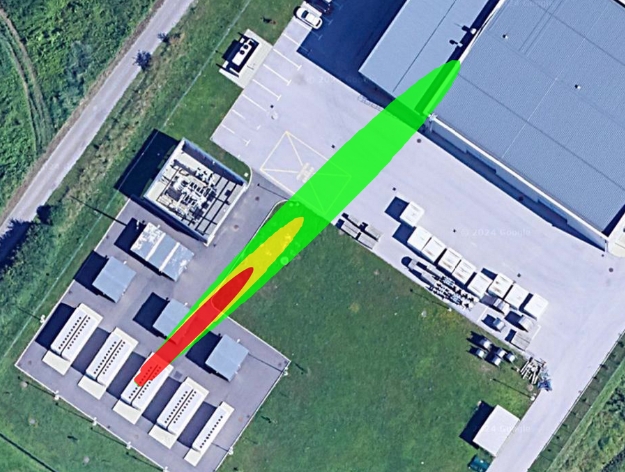 Simulating toxic release from a BESS thermal runaway incident.
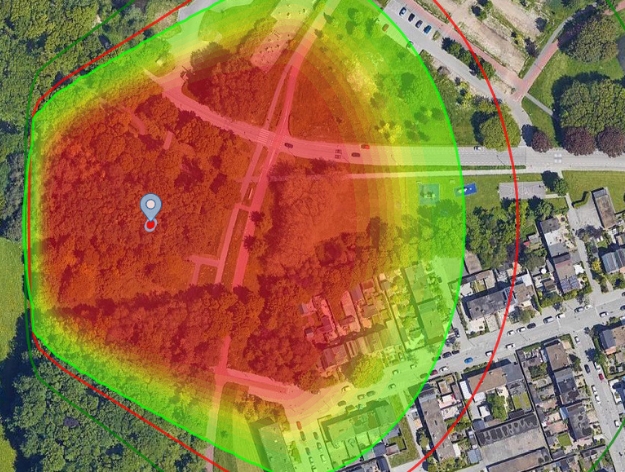 Simulating liquefied CO2 release from a buried pipeline
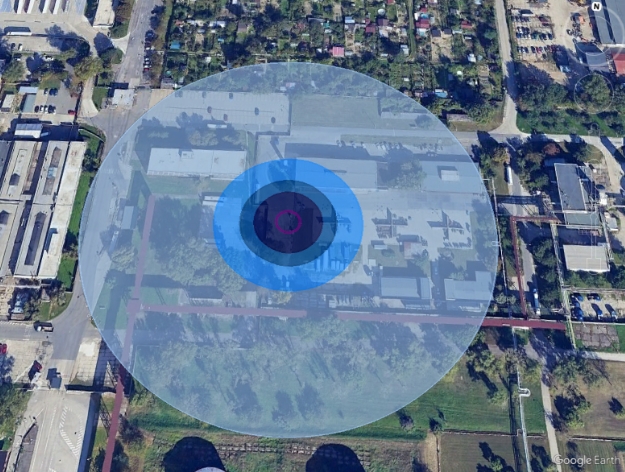 Simulating hydrogen gas fireball at a storage area
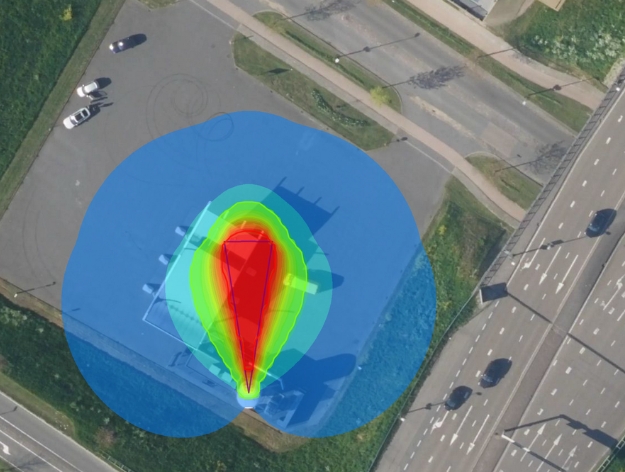 Simulating a jet fire at an LNG refuelling station
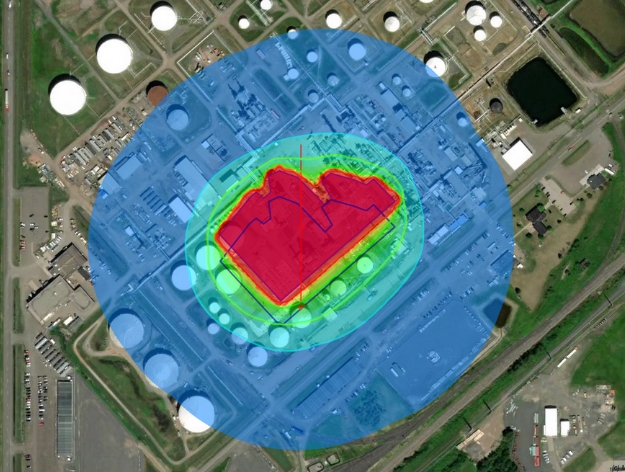 Simulating a polygon-shaped pool fire at a refinery
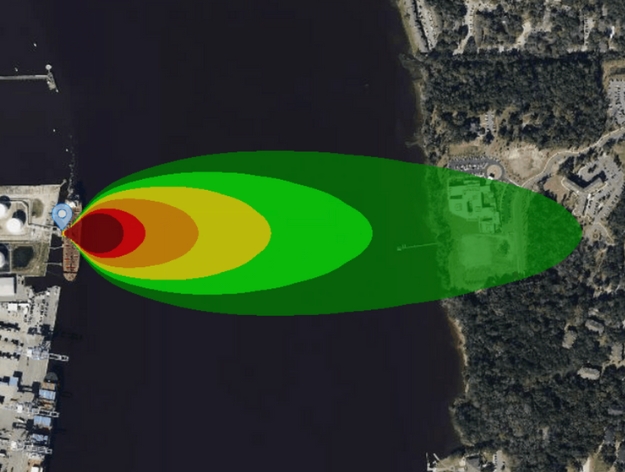 Simulating LNG leak at an onshore bunkering terminal
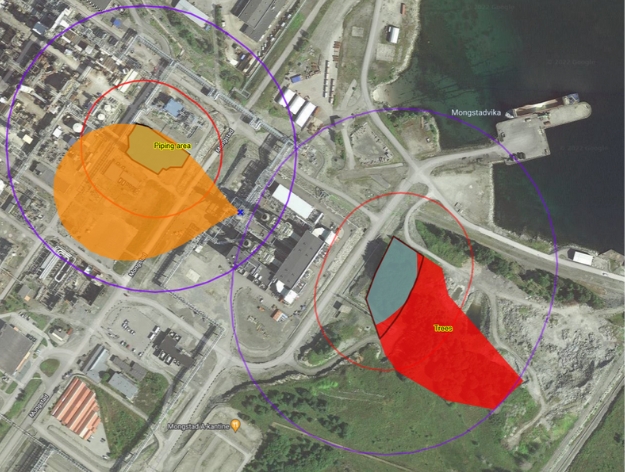 Simulating confined Vapour Cloud Explosion (VCE)
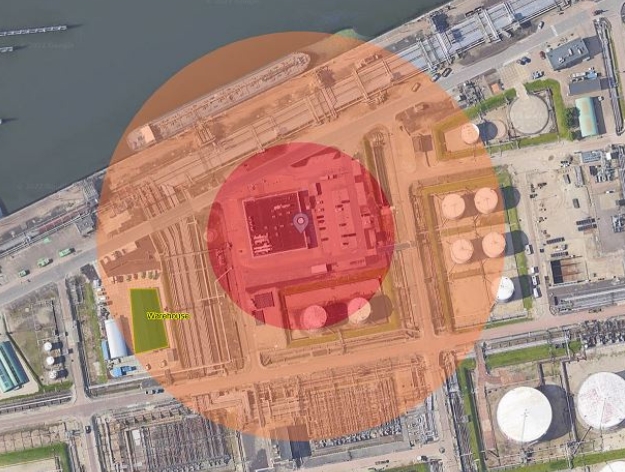
Would you like to know more about EFFECTS?
Select an option below or fill in the enquiry form to reach us.
