The Limiting Oxygen Concentration (LOC) represents the maximum oxygen level below which a dust explosion cannot occur.
This test is essential for facilities considering inerting as a dust explosion prevention measure.
Why Limiting Oxygen Concentration Test Matters?
By determining LOC, facilities can ensure compliance with regulatory requirements while optimising plant design and operation for enhanced safety.
Knowing the LOC for your specific material allows you to:
- Design effective inerting or blanketing systems.
- Validate safety margins in storage, processing, and transport.
- Reduce explosion risk while maintaining operational efficiency.
Since LOC values vary by particle size, moisture content, and composition, using material-specific, standardised testing ensures your safety systems are based on accurate and reliable data.
Contact usExample LOC for Common Dusts
The table shows typical LOC for commonly used materials. It highlights that materials behave differently and underscores the need for testing to set safety measures tailored to your process.
LOC indicates how much oxygen must be present for a dust cloud to ignite. Knowing the LOC helps inform how to adjust ventilation or oxygen control strategies to prevent explosions.
| Dust Type | LOC (%) in Nitrogen |
|---|---|
| Wood | 13 |
| Sugar | 12 |
| Cellulose | 10 |
| Plastic | 8 |
| Iron | 6 |
Testing Methodology
- European standard EN 14034-4:2004+A1:2011 “Determination of the explosion characteristics of dust clouds – Part 4: Determination of the limiting oxygen concentration of dust clouds”, 2011
Value to Your Business
- Establishing the right oxygen threshold helps you avoid costly over-inerting while keeping systems safe
- Controlling oxygen below the LOC helps you reduce the chance of a violent dust cloud explosion and maintain a safer, more reliable operation
- Designing effective inerting systems helps you prevent ignition, protect staff and equipment, and reduce unplanned downtime
Featured Insights
Explore relevant materials providing insights into our service.

Dust explosion: an introduction
Learn what causes dust explosions, why they’re dangerous, and how to reduce the risk in industrial environments.
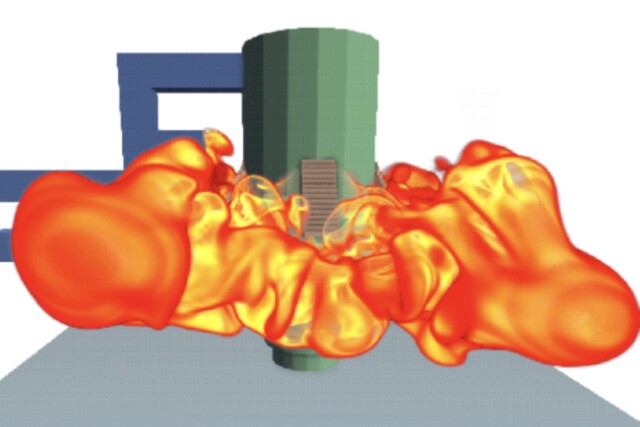
Investigation Findings And Lessons Learned In The 2014 Georgia Pacific Corrigan Facility Fire And Explosion
This paper discusses the proximate causes of the 2014 Georgia Pacific Corrigan Facility fire and explosion and its root causes.
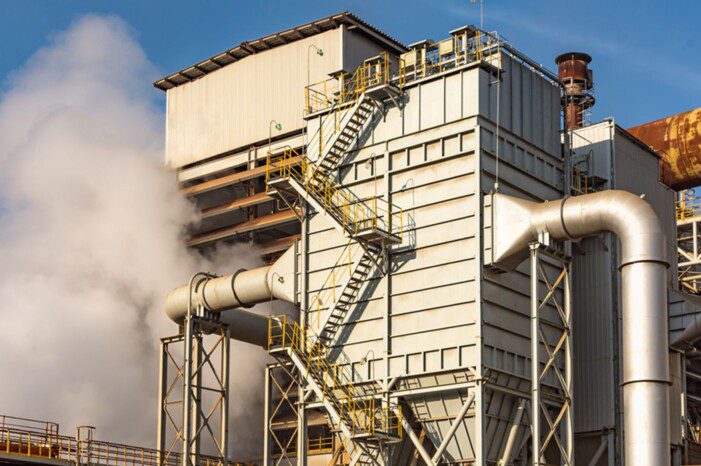
How to properly design your dust explosion protective systems
Learn how poor dust system design led to a major plant explosion and what steps to take to prevent similar combustible dust incidents.
Dust hazard analysis and prevention, the hierarchy of controls, and practical implementation
Learn the practical steps to assess fire and explosion risks from bulk solids and demonstrate ALARP for regulatory and standard compliance/

Fundamentals of fire and explosion from handling bulk solids
Learn how to assess and prevent fires and explosions from flammable bulk solids.
Validate your project with proven test data
Work with our specialists to get insights you need for smarter decisions.
Comprehensive combustible dust testing services
- Explosibility Screening Test (Yes/No) Read more
- Minimum Ignition Energy (MIE) of Dust Cloud Test Read more
- Minimum Ignition Temperature (MIT) of Dust Cloud Test Read more
- Minimum Ignition Temperature (MIT) of Dust Layer Test Read more
- Explosion Severity Test (Pmax, dP/dt, KST) Read more
- Lower Explosion Limit Test (LEL, MEC) Read more
- Limiting Oxygen Concentration (LOC) Test Read more
- Burning Behaviour Test Read more
- Dust / Powder Resistivity Test Read more
- Hot Storage Test in Wire Baskets (Self-Ignition Temperature) Read more
- Electrostatic Hazard Tests Read more
- UN Transportation Tests (UN Class 4) Read more
