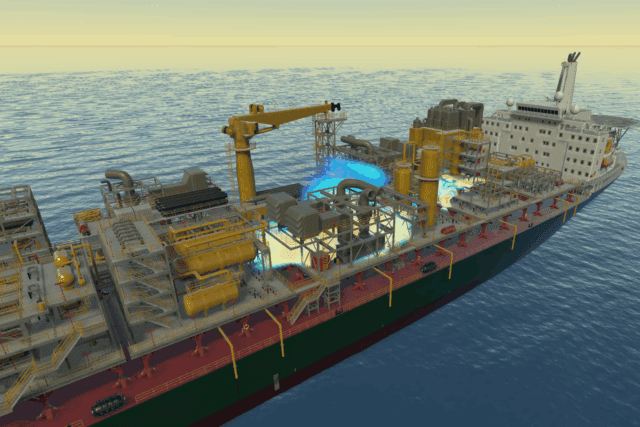
Managing the risk of toxic exposure
Accidental releases of toxic substances can lead to acute exposure across a wide area.
Understanding how far a release might spread is essential for effective emergency planning and is often required by law if offsite impacts are possible.
Toxic gas modelling plays a key role in these efforts and is commonly used in Quantitative Risk Assessments and land use planning studies.
Managing long-term exposure in the workplace
Toxic exposure is not only a concern during major releases. In workplace environments, low-level exposure over long periods can also pose serious health risks. This type of hazard is quite different from short-term effects caused by accidental releases.
In such cases, studies may focus on defining manning restrictions or adjusting ventilation and gas detection systems to maintain a safe working environment.
Typical assessments include evaluating exposure from planned vents, fugitive emissions, or accidental equipment releases. They may also involve modelling toxic smoke from battery fires or other combustion sources.

X-Suite Advanced Tools for Hazard Modelling
We have significant experience in conducting studies related to toxic and polluting gases using our X-Suite tools – FLACS, EFFECTS and RISKCURVES.
- The X-Suite tools are heavily validated for dispersion modelling and have access to extensive materials databases (in addition to the ability to create custom materials), making them the go-to choice for our engineers working on projects involving toxic gases and pollutants
- Where terrain effects are significant or the area surrounding a release location is heavily built up, we can conduct detailed 3D dispersion modelling accounting for these effects in FLACS
- For scenarios where the surroundings are relatively open and results are required more rapidly, EFFECTS is the ideal choice
- Our software allows us to present results for maximum concentrations at specified locations, gas concentration contours plotted over the surrounding area; or toxic doses and lethality
Services we offer
Below are examples of services related to toxic gases, pollution, and workplace safety:
- Fugitive emissions at a metallurgic plant – mapping of exposure with regards to manned platforms and gas detection
- Vent study looking at the emission of non-buoyant gas from the stack at quiescent conditions to determine toxic exposure at ground level
- Assessment of asphyxiation hazards relating to large industrial releases of N2 and determination of hazardous extent
- Accidental spill of ammonia during bunkering operation, exposure to manned buildings and possible mitigation measures
Project Examples
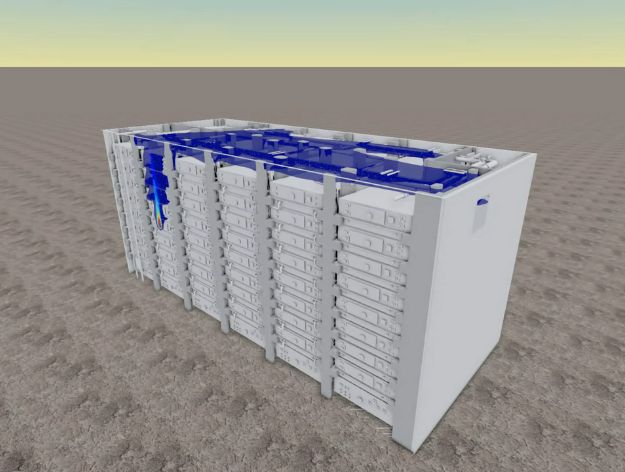 Analysing toxic gas releases from battery thermal runaway with FLACS
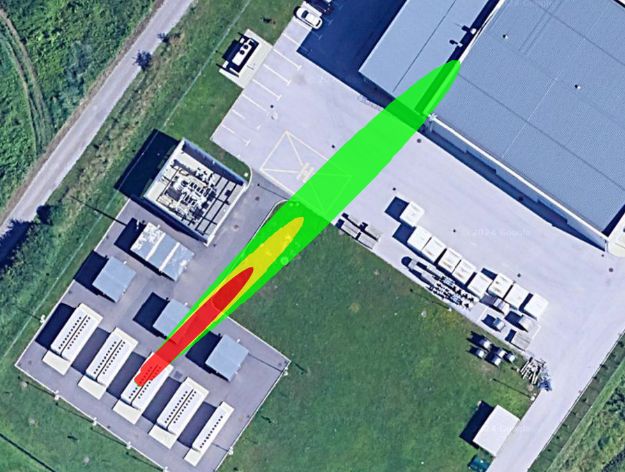 Analysing toxic gas releases from battery thermal runaway with EFFECTS
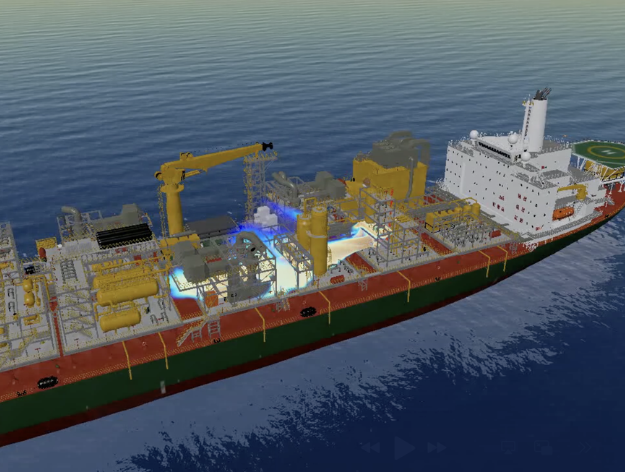 Assessing hydrogen sulphide release behaviour on an FPSO
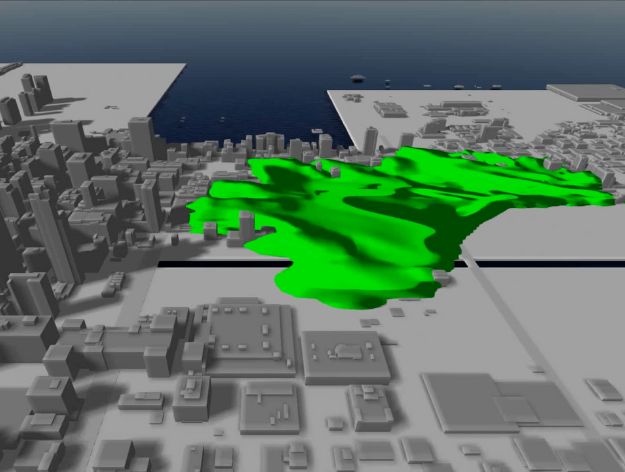 Evaluating chlorine release behaviour and impact with FLACS
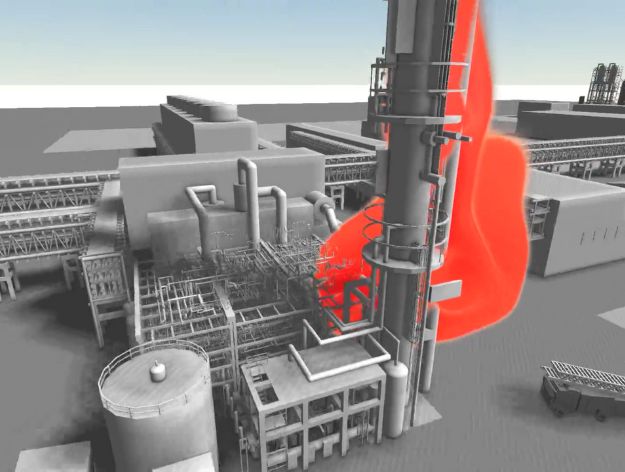 Modelling gaseous ammonia release behaviour and impact with FLACS
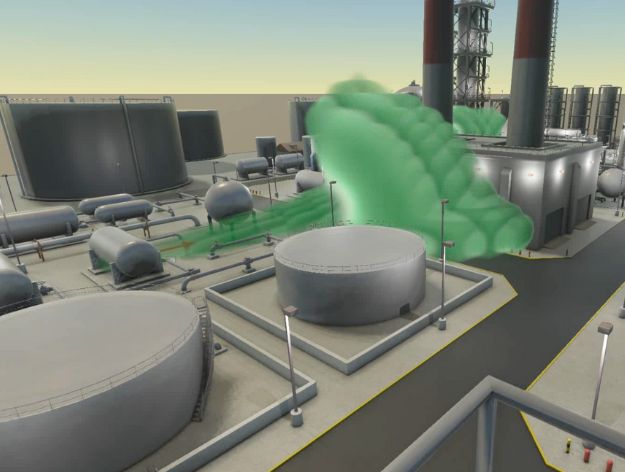 Modelling pressurised liquefied ammonia release behaviour and impact with FLACS
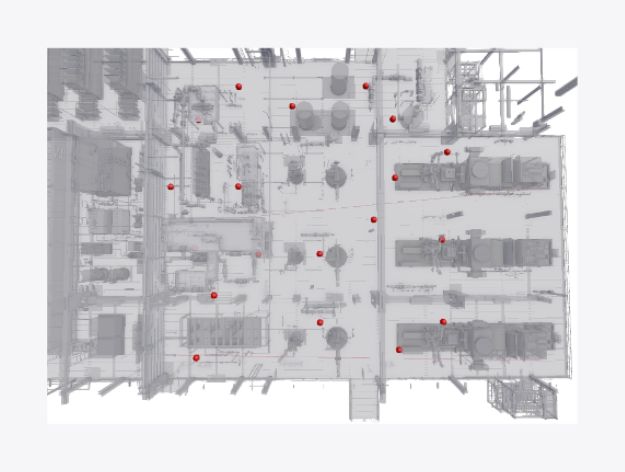 Optimising gas detector placement through FLACS mapping studies
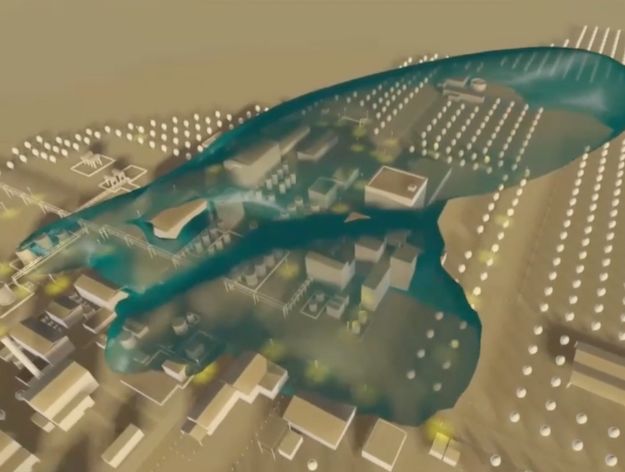 Assessing styrene release and dispersion patterns with FLACS
Featured Insights
Explore relevant materials providing insights into our service.
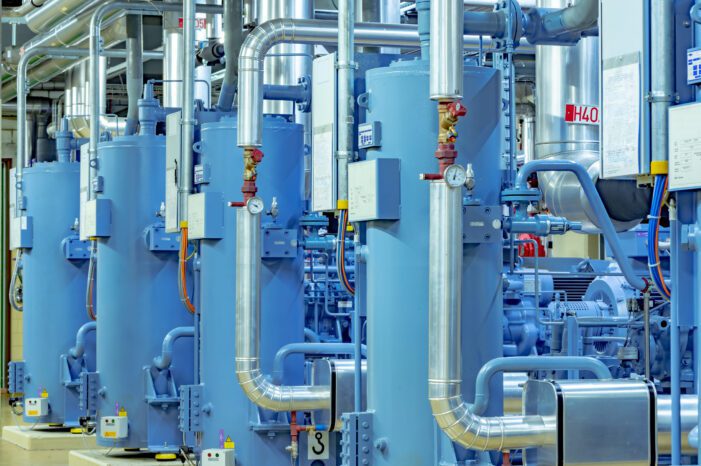
Ammonia Risk Assessments – How advanced consequence modelling can improve safety management
Advanced consequence modelling supports ammonia risk assessments and helps improve safety in storage, transport, and use.

Modelling dense gas dispersion in urban environments
Learn how to model dense gas dispersion in urban areas, accounting for buildings, terrain, and wind to improve safety assessments.
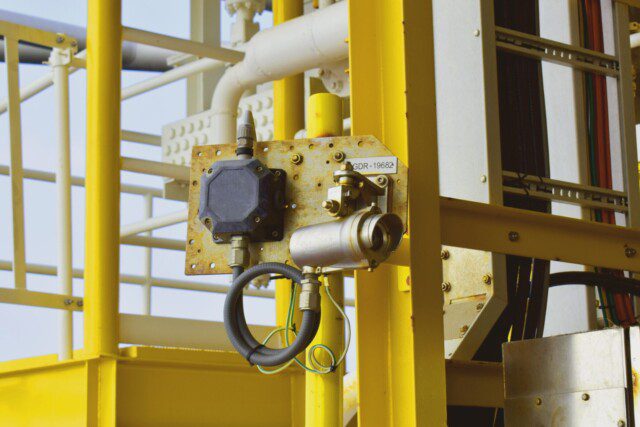
Gas detection mapping and optimisation
Learn how to assess gas detector performance and model gas dispersion accurately using CFD modelling tools.
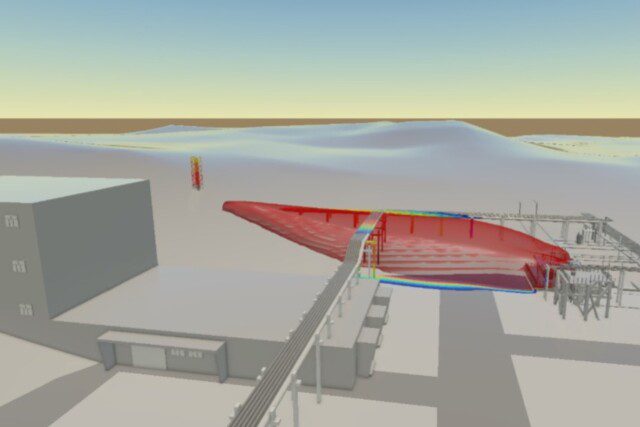
A comparative study: Various modeling approaches for accidental release of ammonia
Find out how different modelling approaches assess ammonia release scenarios and support better risk management decisions.
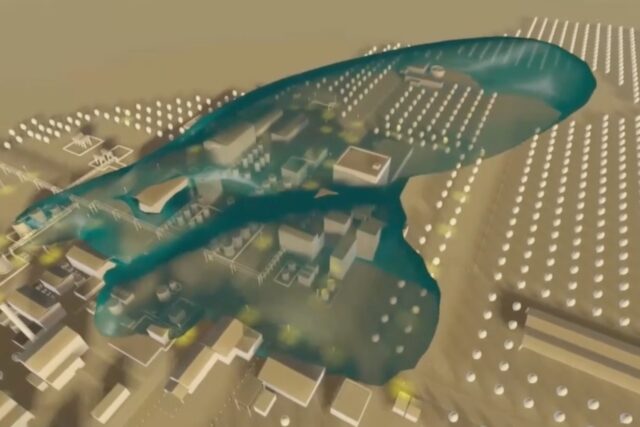
Consequence modelling of hazardous chemicals in polymer industries
See how FLACS models hazards from chemicals like styrene and VCM in polymer industries to support process safety decisions.
Why choose Gexcon?
We have extensive experience assessing the risks of toxic gases, pollution, and workplace exposure through advanced modelling and risk analysis.
- Support for a wide range of industries handling dangerous substances
- Insightful analysis of both acute incidents and long-term exposure scenarios
- Use of validated tools to simulate dispersion and assess health and environmental impacts
- Clear, actionable recommendations to improve worker safety and environmental performance
- Expert guidance to help meet regulatory requirements and reduce operational risk
Need a partner to help drive your project forward?
Our experts are here to help.
Other Consequence and Impact Modelling Services
Explore more services we offer to help assess, predict, and manage the effects of hazardous events on people, assets, and the environment.
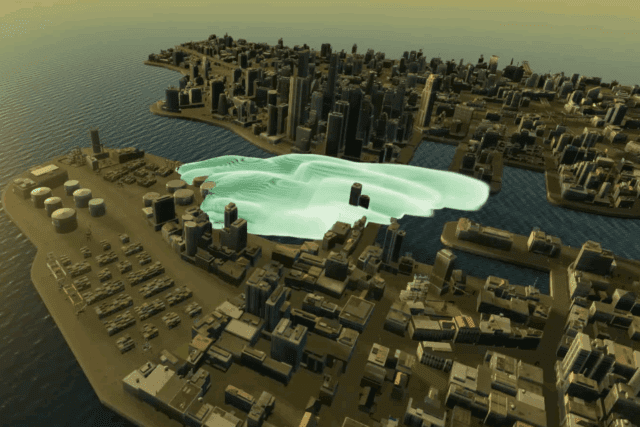
Release of Flammable Gas and Liquids
Evaluate flammable substance dispersion to help ensure safe containment, prevent fires and explosions, and improve emergency planning.
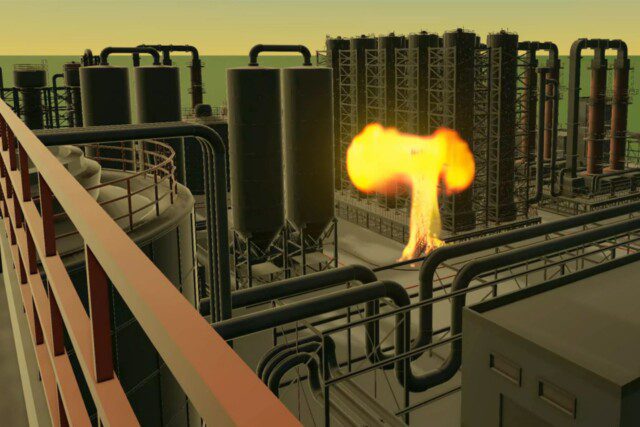
Fire, Smoke, and Heat Loading
Analyse fire spread, smoke movement, and thermal loads to improve fire protection measures, evacuation planning, and structural safety.
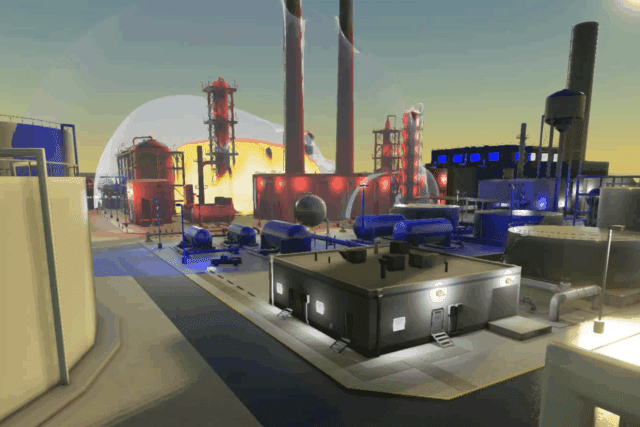
Explosion and Impact Modelling
Assess blast impacts to improve facility resilience, strengthen structures, and support effective emergency response planning.
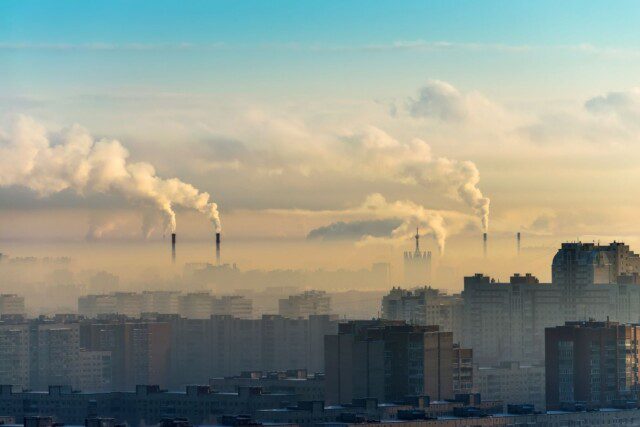
Air Quality Impact Assessment
Evaluate emissions, comply with environmental regulations, and maintain healthy air quality for workers and communities.
