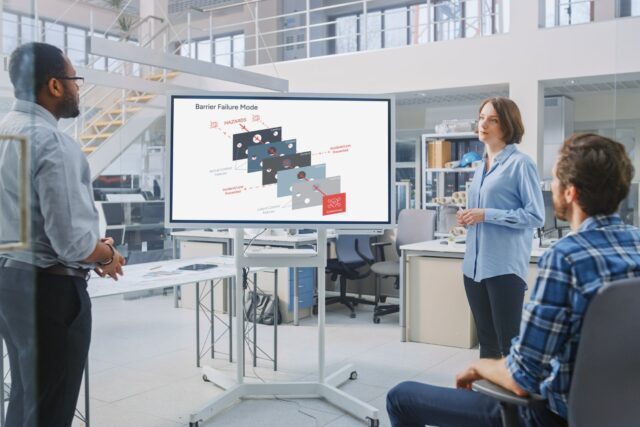
LOPA is a semi-quantitative risk assessment methodology used to evaluate high-consequence scenarios and assess whether existing or proposed layers of protection are sufficient to achieve an acceptable risk level.
LOPAs are typically completed during the detailed design phase of a project and are essential in defining the safety instrumented systems necessary to protect the process from high-consequence scenarios.
These high-consequence hazardous events are usually identified through other Process Hazard Analysis (PHA) methodologies, such as HAZOP.
Our Approach
A LOPA is conducted by a team of professionals with the applicable skills, knowledge, and experience relevant to both the processes and safety systems being assessed.
This team typically includes process design engineers, operators, control and instrumentation (C&I) engineers, maintenance personnel, safety experts, and other specialists as required.
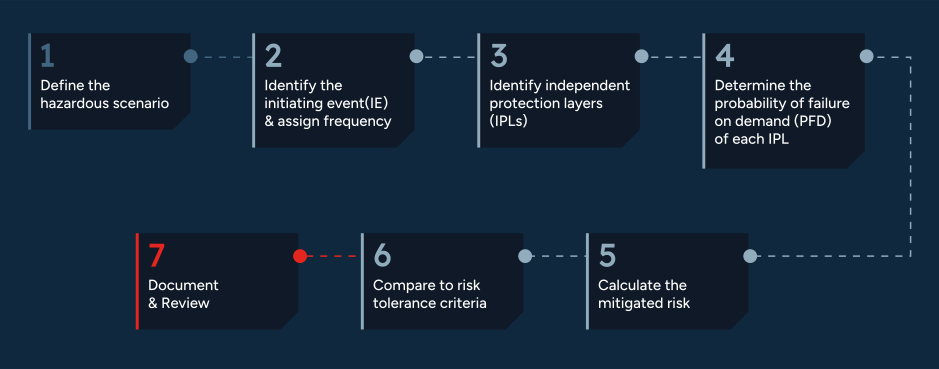
The steps of a LOPA typically consist of:
- Define the hazardous scenario
- Identify the hazard, initiating event, and potential consequences.
- Identify the initiating event (IE) & assign frequency
- Determine what triggers the hazard and its occurrence rate.
- Identify independent protection layers (IPLs)
- List safeguards that function independently to reduce risk.
- Determine the probability of failure on demand (PFD) of Each IPL
- Assign failure probabilities to each safeguard.
- Calculate the mitigated risk
- Multiply initiating event frequency by the combined PFD of IPLs.
- Compare to risk tolerance criteria
- Check if the mitigated risk meets acceptable safety limits.
- Document & Review
- Record findings, validate with experts, and update as needed.
Analysing the potential consequences and initiating events associated with high-risk hazardous scenarios through LOPA enables the calculation of the necessary risk reduction level to meet an acceptable risk level. This gap from the LOPA is utilised in the context of Safety Integrity Level (SIL) determination to define the required level of safety integrity for the Safety Instrumented Functions (SIFs) in either existing or proposed systems.
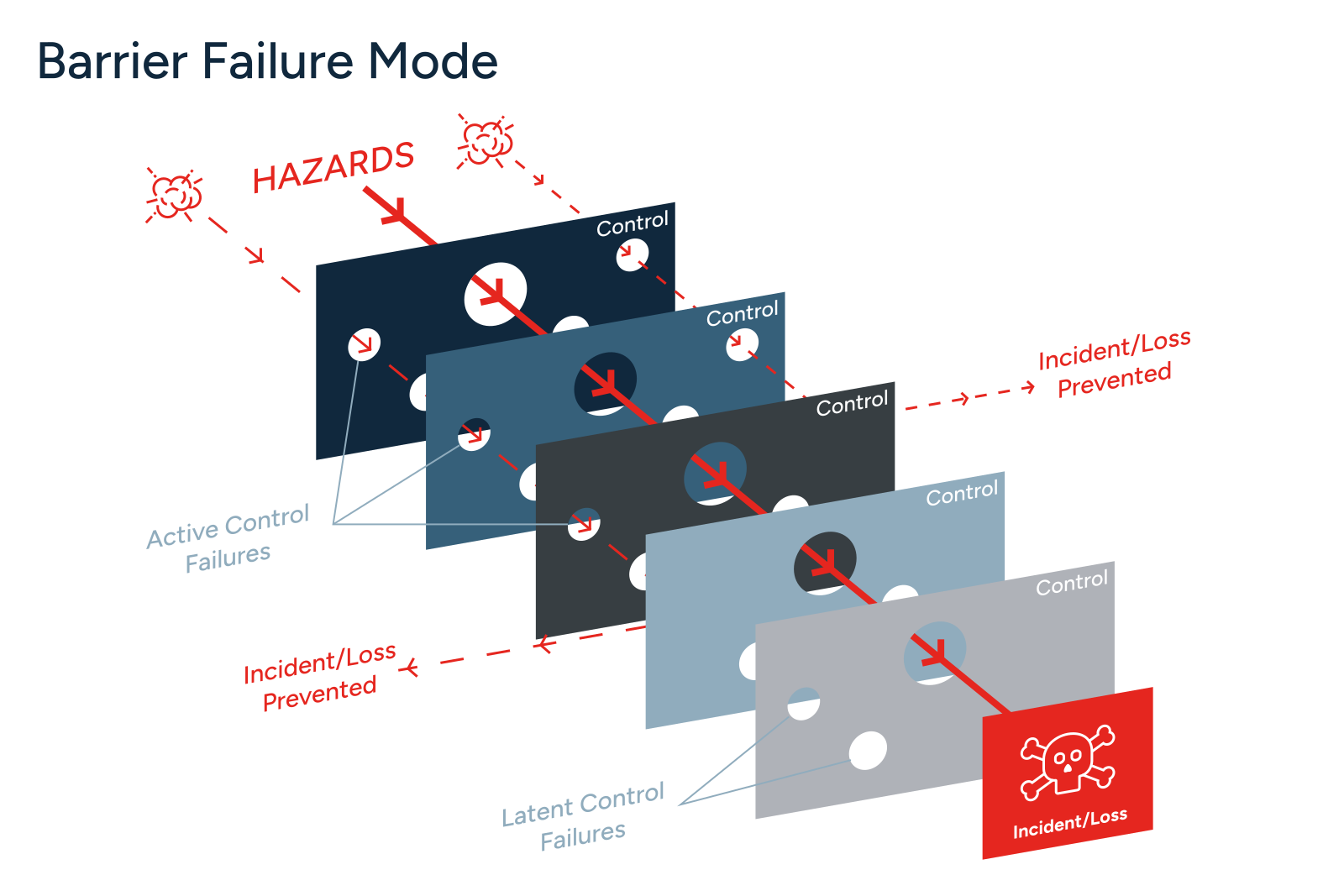
Integrating LOPA and SIL
SIL (Safety Integrity Level) is critical in determining the reliability and performance required for Safety Instrumented Systems (SIS) to reduce risk.
After conducting a LOPA, SIL is used to assess the level of protection needed based on the identified risk gap. SIL levels range from SIL 1 (least stringent) to SIL 4 (most stringent), with higher levels requiring more reliable safety systems.
The integration of LOPA and SIL ensures that safety systems are designed to meet required performance standards and effectively reduce risks to an acceptable level.
Value to your business
Our LOPA service helps your business by:
- Evaluating high-consequence scenarios to ensure sufficient safety measures are in place
- Identifying and assessing independent protection layers to reduce risks effectively
- Supporting decision-making by quantifying risk reduction needs for process safety
- Integrating with SIL assessments to define required safety system performance
- Enhancing regulatory compliance by ensuring risk levels meet industry standards
Featured Insights
Explore relevant materials providing insights into our service.
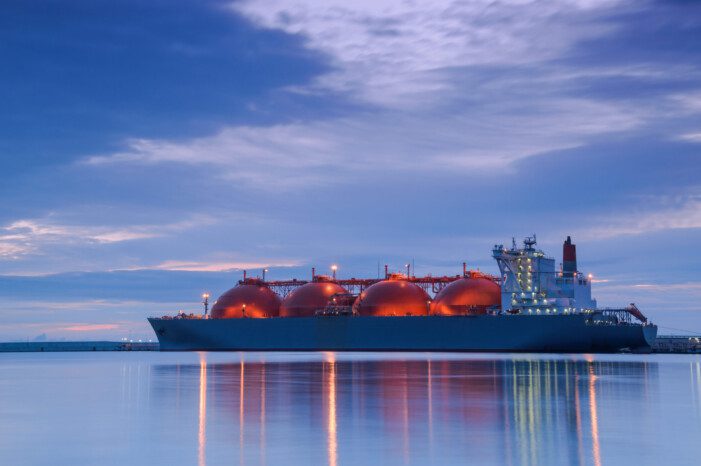
Working with the UK’s first ever multifunctional LNG Terminal
Learn how Gexcon supported safety assessments for the UK’s first multifunctional LNG terminal through advanced modelling and expertise.
Why choose Gexcon?
We provide expert LOPA services with dedicated facilitators and scribes who can adapt to your specific project needs.
- Our team ensures workshops run efficiently, guiding discussions to evaluate risks and confirm adequate protection layers.
- We have supported clients across multiple industries in using LOPA to verify Independent Protection Layers (IPLs) meet required risk levels.
- Where additional risk reduction is needed, we offer clear recommendations to help design engineering solutions or introduce Safety Instrumented Functions (SIFs) to keep facilities safe and operational.
Need a partner to help drive your project forward?
Our experts are here to help.
Other Risk Evaluation and Quantification Services
Explore more services to help you assess risks, prioritise resources, and strengthen safety in your operations.
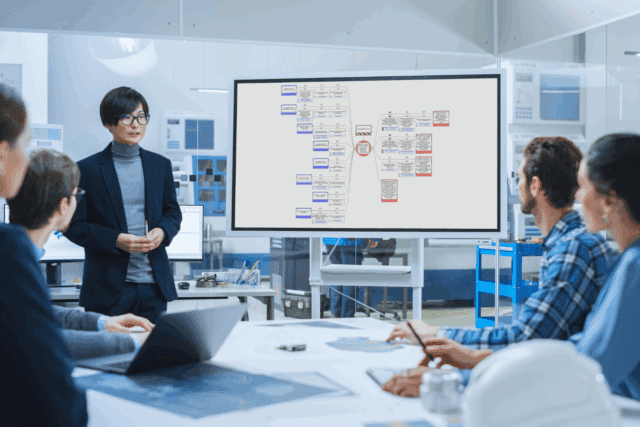
BowTie Analysis
BowTie Analysis maps accident scenarios, barriers, and outcomes to give a clear view of risks and improve safety communication.
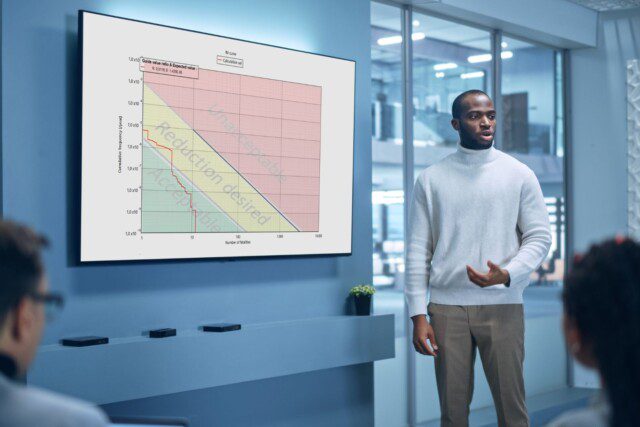
Quantitative Risk Assessment (QRA)
Quantify risks by assessing event likelihood and impact to support informed safety decisions and effective risk mitigation.

Explosion Risk Analysis (ERA)
Evaluate explosion hazards, overpressure, and escalation risks to design safer facilities and meet regulatory compliance.
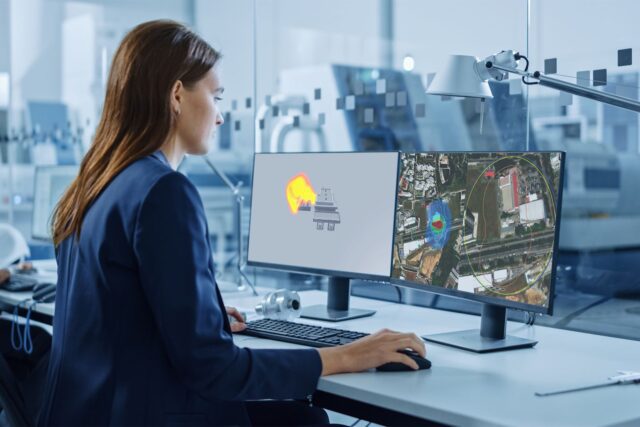
Fire Risk Analysis
Identify, assess, and quantify fire hazards to reduce risks, improve safety measures, and protect people, assets, and the environment.
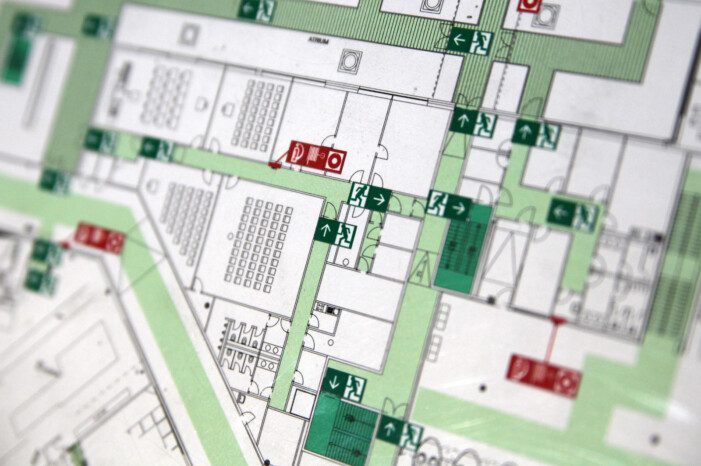
Emergency and Escape Route Impairment
Assess and mitigate risks from impaired emergency routes to ensure safe evacuations, protect people, and meet regulatory compliance.
