
Dust Explosion Hazards and CFD Training Course
Event Details
November 17, 2025 – November 19, 2025 SMT
HRD Corp Claimable Course
About the Training
Dust explosions are a common occurrence in various industries. Practically every day, there is a dust explosion at some facility around the world.
Fortunately, most of these events have negligible or minor consequences. However, severe accidents that result in fatalities and serious losses to infrastructure do occur periodically.
To prevent and mitigate the consequences of these events, it is required to have a thorough understanding of the conditions that lead to dust explosions and also to design facilities that incorporate mitigation and protection measures.
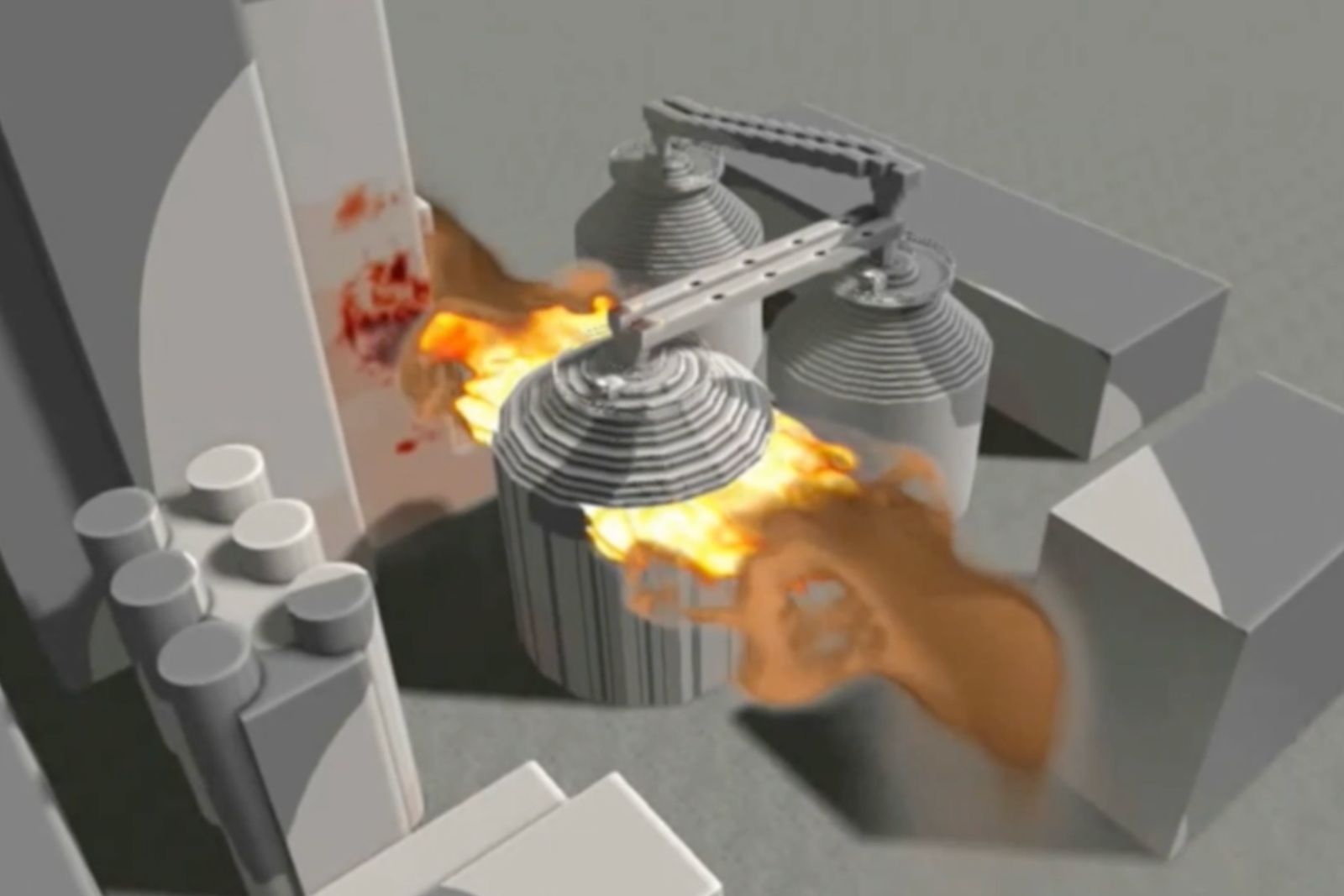
This course helps participants build a solid understanding of the physics behind dust explosions, how to implement preventive and protective measures, and how to use the advanced CFD tool FLACS-DustEx to assess explosion consequences and evaluate mitigation strategies.
A mix of theory, demonstrations, and practical exercises will be used to explore key factors in dust explosion safety, including geometrical characteristics of the facilities, pressure relief vents, physical barriers and inerting. It also includes practical information on day-to-day operational procedures, preventive and protective measures, and hazard analysis.
The course provides participants with the knowledge necessary to:
- Learn about the physics of dust explosions, how and why they occur, including preventive and protective measures
- Understand the basics of dust explosion hazard analysis
- Learn how to use the FLACS-DustEx tool to simulate and calculate the consequences of dust explosions, as well as to evaluate the effectiveness of mitigation and protection strategies
The CFD modelling software FLACS-DustEx will be provided during the training, so that the participants can work on practical exercises and gain hands-on experience about dust explosions safety simulations.
- Flammable dust operators
- Engineers, managers, project management team, inspectors, legislators, designers etc
- HSE engineers from the agriculture, food processing, woodworking, metalworking, chemical, textiles, plastics, rubber, wastewater treatment, recycling and pharmaceutical manufacturing industries, as well as any other businesses that deal with flammable dusts
- Professionals dealing with risk and safety in industry in general
Participants will be able to enhance process safety competency, which includes:
- Development of new skills and knowledge.
- Development of competency to carry out various process safety-related studies.
- Ability to come up with recommendations on safety-related studies.
- Ability to practice risk planning and mitigation.
In addition to the professional skill development of staff, the organisation will have the capability to utilise the knowledge related to comprehensive consequence modelling for effective risk management.
This knowledge will assist in engineering design and carrying out safety-related studies effectively and accurately, including:
- Process hazard analysis (HAZID, HAZOP, etc.)
- Risk management (hazardous area classification, facility siting etc.)
- Regulatory compliance (ATEX/ DSEAR, compliance audit etc.)
- Engineering design such as firewall, blast wall, ventilation capacity, detector mapping and optimisation, etc.
This course is suitable for both newcomers to dust explosion safety and those looking to refresh their knowledge.
No specific prerequisites are required, but prior experience in consequence modelling, CFD models, or 3D modelling can be beneficial.
Day 1
08:45 Coffee / Questions and Answers
09:00 Introduction and Recent Major Accidents
09:30 Dust Explosion Basics and Dust Explosion Characteristics
10:00 Coffee / Questions and Answers
10:15 Ignition Sources
11:00 Preventive Measures 1: Introduction and Hazardous Area Classification
11:45 Preventive Measures 2: Avoidance of Ignition Sources and House Keeping
12:30 Lunch
13:30 Preventive Measures 3: Avoidance of Ignition Sources
14:15 Protective Measures 1: Introduction
15:00 Coffee / Questions and Answers
15:15 Protective Measures 2: Dust Explosion Venting Design
16:15 Protective Measures 3: Dust Explosion Suppression Design
17:00 End of Day One
Day 2
08:45 Coffee / Questions and Answers
09:00 Protective Measures 4: Dust Explosion Isolation
09:45 Dust Explosion Process Hazard Analysis
10:15 Coffee / Questions and Answers
10:30 Introduction to FLACS DustEx
10:45 Run Manager
11:15 CASD I – Defining Geometry, Grid & Porosity
12:30 Lunch
13:30 Exercise I – Defining Geometry, Grid & Porosity (Cont)
15:15 Coffee / Questions and Answers
15:30 CASD II – Defining Scenario
17:00 End of Day Two
Day 3
08:30 Coffee / Questions and Answers
09:00 Exercise II – Defining Scenario and Running simulations
10:30 Coffee / Questions and Answers
10:45 FLACS Post-processor Flowvis
11:15 Exercise III – Using Flowvis
12:30 Lunch
13:30 How to Use the DustEx Spreadsheet
13:45 Quality Assurance of FLACS Simulations
14:30 FLACS DustEx Validations
15:15 Coffee / Questions and Answers
15:30 How to run a FLACS DustEx Project
16:15 Example – Realistic job
16:45 Final Comments
15:00 End of Day Three
Register for the training
Secure your place through Gexcon’s Learning Platform.
Register via Learning Platform- This event has passed.
