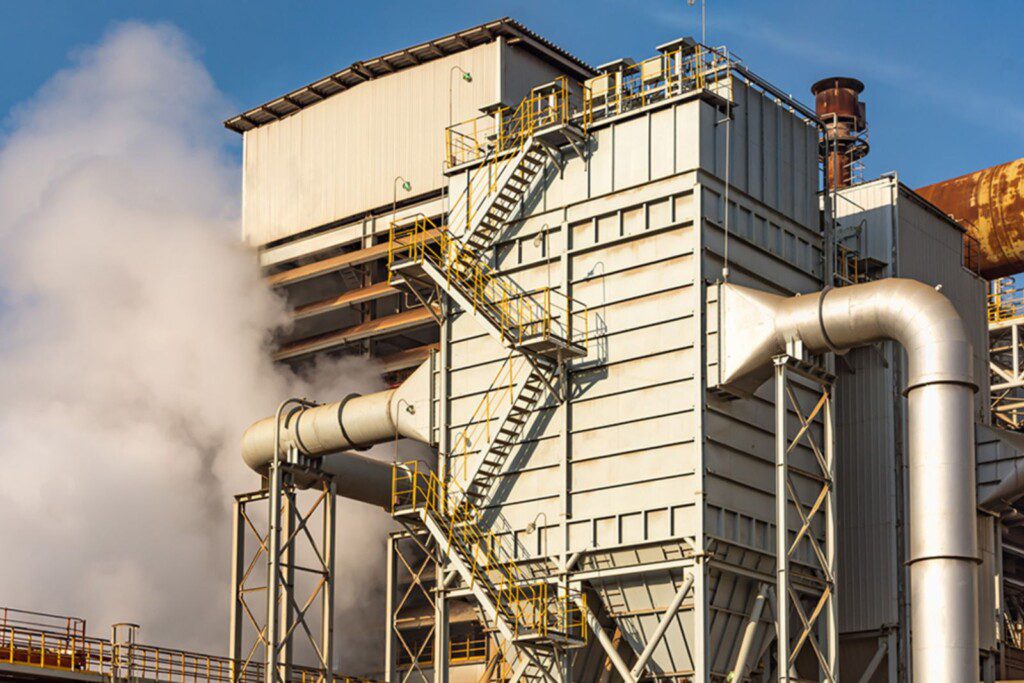
About the webinar
Learn how poor dust system design led to a major explosion, and how you can avoid similar risks.
When designing equipment for handling combustible dusts, it’s essential to implement protective measures. These include venting, suppression, and isolation to help reduce the consequences of a potential ignition.
In this webinar, you’ll learn how dust can spread between equipment such as cyclones, mills, baghouses, dryers, and silos, especially when connected by conveying lines or ducts. If a fire or explosion starts in one part of the system, the pressure or flame can rapidly move through the network and cause further damage elsewhere.
Dr Scott Davis shares lessons from a real-life incident at a plywood manufacturing facility in Texas. He explains how gaps in system design contributed to the 2014 explosion and what you can do to prevent similar failures in your own facility.
What you will learn
- Combustible dust safety requirements in Europe and the United States.
- Analysis of the contributing causes of the 2014 Georgia Pacific Corrigan facility fire and explosion.
- Analysis of the root cause and lessons learned from the 2014 Georgia Pacific Corrigan facility fire and explosion.
Meet the speaker

Dr Scott Davis is the President of Gexcon US and a recognised expert in the engineering analysis and testing of combustion, thermal, and fluid processes.
He is a licensed professional engineer (PE) as well as a certified fire and explosion investigator (CFEI) and holds a PhD in Mechanical and Aerospace Engineering from Princeton University.
Dr Davis’s work includes explosion risk assessments, blast and venting analyses, combustible dust hazard evaluations, and modelling of toxic and flammable gas dispersion, hydrogen safety, ventilation strategies, and carbon monoxide releases. These studies often involve the use of FLACS, Gexcon’s world-leading CFD software.
Dr Davis applies his technical expertise to the investigation and prevention of fires, explosions, and dispersion events, including flammable vapours and carbon monoxide exposures. He specialises in identifying the cause, origin, and dynamics of these incidents, particularly ignition sources, flame propagation, chemical kinetics, and the fluid dynamics of combustion events, including detonations. Over the course of his career, Dr Davis has served as lead investigator on hundreds of incidents involving fires and explosions.
He contributes actively to the development of industry standards. He serves on several committees, including those for NFPA 720 (Carbon Monoxide Detection and Warning Equipment), NFPA 652 (Combustible Dust), and NFPA 484 (Metal Dusts). He has also served on the committee for NFPA 921, the Guide for Fire and Explosion Investigations.
Download webinar recording
Please fill in the form below to access the webinar recording.
Related insights
Browse additional insights to deepen your understanding and stay informed on related topics.

Dust explosion: an introduction
Learn what causes dust explosions, why they’re dangerous, and how to reduce the risk in industrial environments.
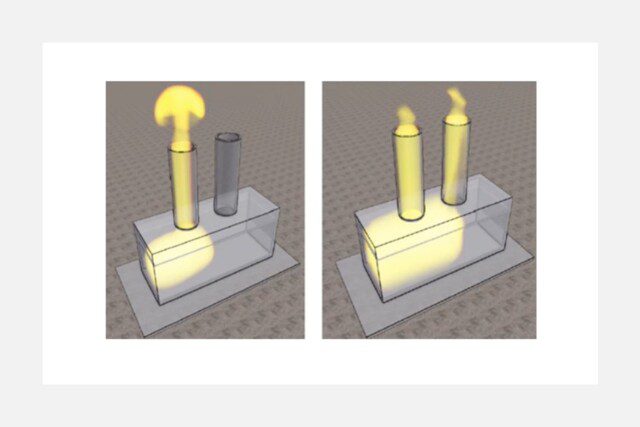
Evaluating different equipment design options using the FLACS-DustEx CFD tool
See how FLACS-DustEx was used to evaluate safe design options for managing dust hazards in an agricultural facility.
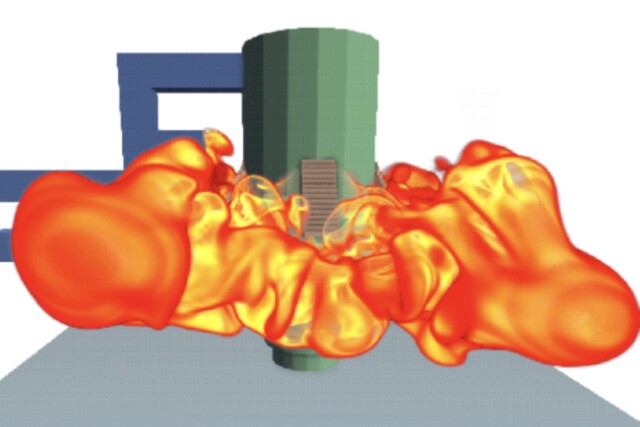
Investigation Findings And Lessons Learned In The 2014 Georgia Pacific Corrigan Facility Fire And Explosion
This paper discusses the proximate causes of the 2014 Georgia Pacific Corrigan Facility fire and explosion and its root causes.
FLACS-DustEx and metal dusts
See the challenges and progress in modelling metal dusts using FLACS-DustEx.
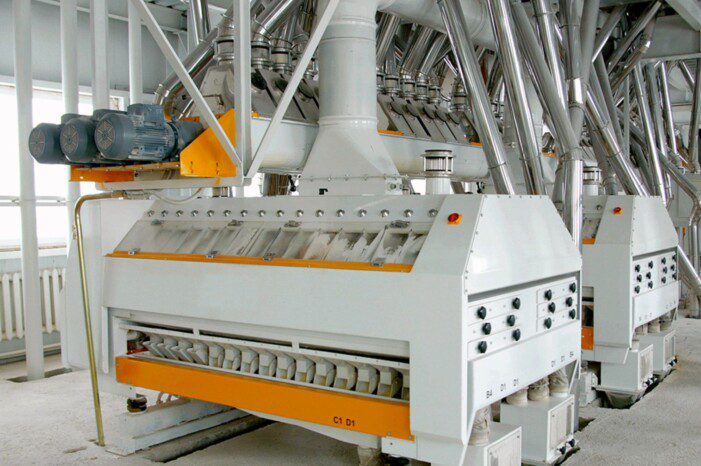
Ignition hazard analysis and the hidden threats posed by mechanical equipment handling bulk solids
Learn why ignition hazard analysis is critical for bulk solids safety and how mechanical equipment may become an ignition source.
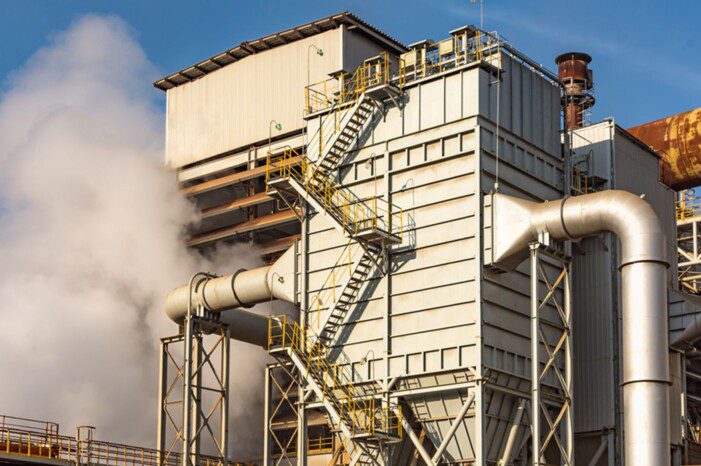
How to properly design your dust explosion protective systems
Learn how poor dust system design led to a major plant explosion and what steps to take to prevent similar combustible dust incidents.
Dust hazard analysis and prevention, the hierarchy of controls, and practical implementation
Learn the practical steps to assess fire and explosion risks from bulk solids and demonstrate ALARP for regulatory and standard compliance/
Stay ahead in process safety and risk management
Get the latest trends in the field of process safety management straight to your inbox, and enhance your skills through knowledge sharing from industry experts.
Subscribe to our newsletter