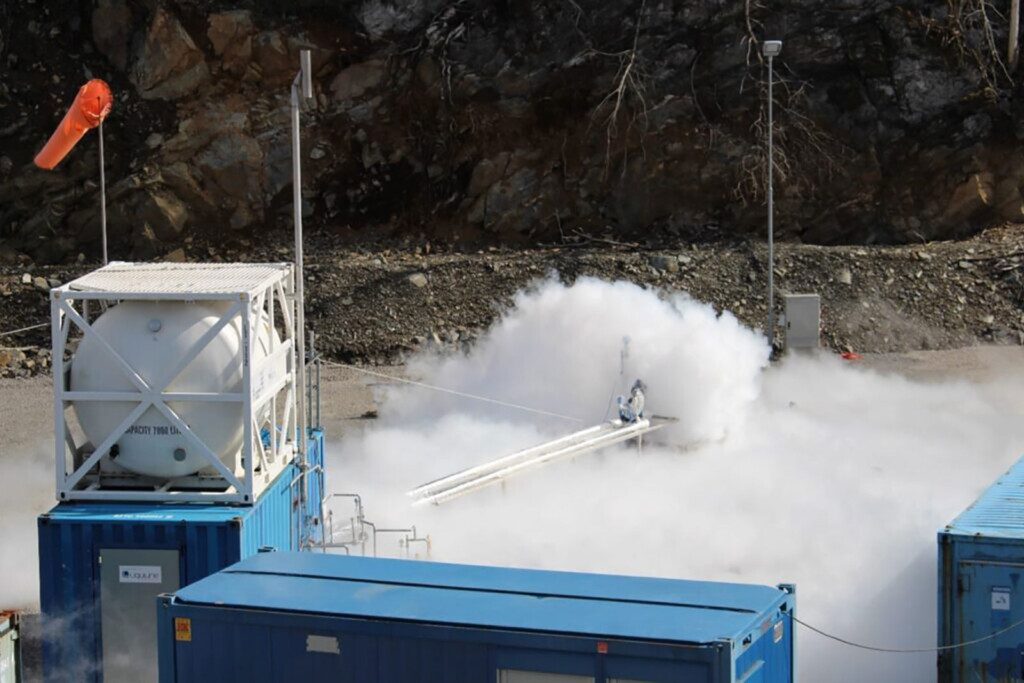
Small-scale Liquefied Natural Gas (LNG) installations are getting more and more popular. They range from truck-filling stations to small-scale liquefaction plants.
We offer an advanced course on the analysis of explosion and other hazards for small-scale LNG facilities. It addresses multiple hazards associated with LNG facilities, including LNG release and dispersion, explosion modelling, cryogenic spills, prevention and mitigation, probabilistic risk assessments, legislation, and accidents.
- Understand the basics and important parameters governing LNG release and dispersion
- Be aware of LNG release and accident statistics and some important LNG accidents
- Understand the basics and important parameters governing Vapour Cloud Explosions (VCEs)
- Understand the accident chain of events and the important parameters affecting the LNG release and dispersion
- Understand various preventive measures to reduce the occurrence of accidents and various mitigation and control techniques to reduce explosion consequences
- Learn the various explosion modelling techniques that may be applied and understand the importance of using advance 3D modelling for LNG explosion analyses
- Practical case studies and demonstration on the application of 3D modelling to LNG explosion safety
Professionals who are concerned with the risks and vulnerabilities associated with the use of LNG on a small-scale.
- Safety engineers
- Safety consultants
- Structural and design engineers
- LNG process engineers
- Investigation team leaders
In general, no special prerequisites are required. However, knowledge in process safety and experience in plant operation will be helpful.
| Time | Agenda |
|---|---|
| 09:00 | LNG Accidents History Cleveland explosion, Skikda LNG liquefaction facility explosion, other minor incidents |
| 09:30 | Fundamentals of LNG Composition, cryogenic properties, hazards (carbon steel embrittlement, potential cryogenic burns, cold vapour inhalation, asphyxiation, RPTs, flash fire, pool fire, explosion) |
| 10:15 | Coffee Break – Q&A |
| 10:30 | LNG Accident Consequence Models Dispersion, flash fire, pool fire, explosion |
| 11:30 | Lunch |
| 12:30 | Prevention and Mitigation Design (inventory, layout), maintenance, hazardous area classification, choice of equipment, ESD |
| 13:15 | LNG Safety Regulations ATEX directive, NFPA 59A, EN 1473, ISO 16924, overview of other standards |
| 13:45 | Hazard Assessment Case studies |
| 14:30 | Coffee Break – Q&A |
| 14:45 | Demonstration Release of LNG and subsequent dispersion |
