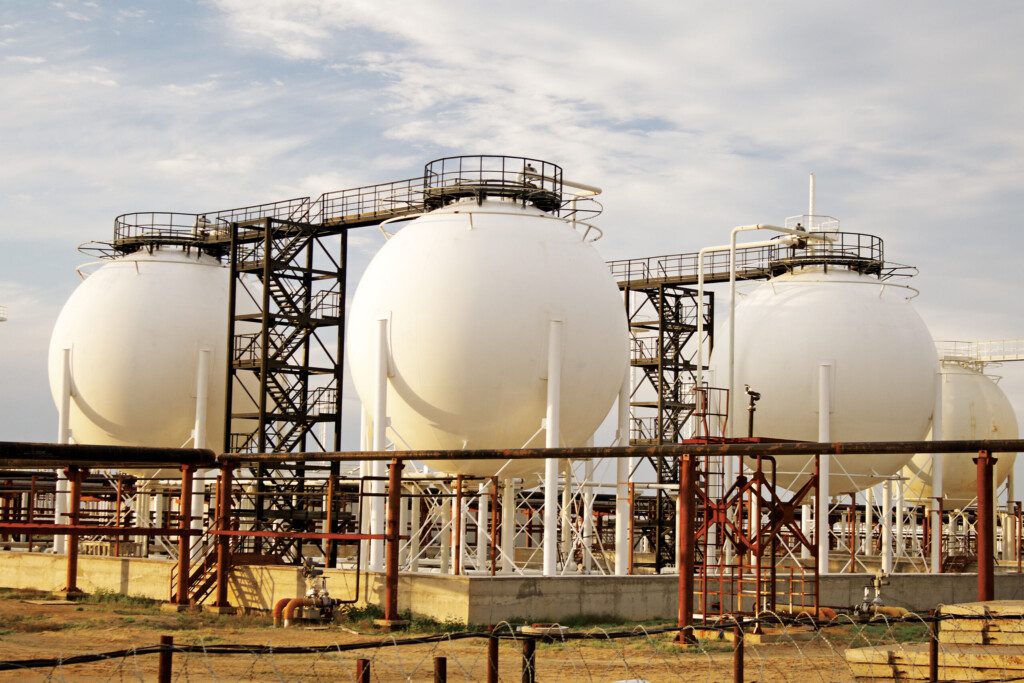
As the world moves towards decarbonization, natural gas is finding its place as a cleaner-burning alternative to other fossil fuels.
For safer storage and transport, natural gas can be cooled down to its liquid form – LNG. However, facilities handling LNG, such as liquefaction plants, regasification plants, and storage facilities, are still associated with potential hazards. Understanding these hazards is essential to implementing the necessary prevention and mitigation measures.
A key risk in LNG facilities is an uncontrolled release of a cryogenic, toxic, or flammable fluid. Such releases can originate in various parts of the process system. The consequence of these releases depends on what they expose and on whether they are ignited. In short, the essential LNG facility hazards can be grouped into seven categories.
- Temperature
- Cryogenic liquid releases that cause embrittlement if they expose materials not designed to handle such releases, and freeze burns if they expose personnel.
- Hot vapor releases from turbines, boilers, and engines for power and heat generation.
- Toxic
Hydrogen sulfide H2S or ammonia releases that are toxic.
- Asphyxiation
Nitrogen oxide, carbon monoxide, carbon dioxide, or sulfur dioxide releases that replace oxygen in an area and could cause asphyxiation.
- Pool fire
Liquid releases that form a pool on the ground or water and ignite, creating a potentially long-lasting pool fire.
- Jet fire
Pressurized gas or liquid releases that ignite, creating a high heat flux jet fire.
- Flammable vapor dispersion/ flash fire
Gas or liquid releases that form a flammable cloud in an open area, and ignite, causing a short and intense flash fire that is harmful to personnel.
- Vapor cloud explosion (VCE)
Gas or liquid releases that form a flammable cloud in a congested or enclosed area, and ignite, causing an explosion and a pressure wave.
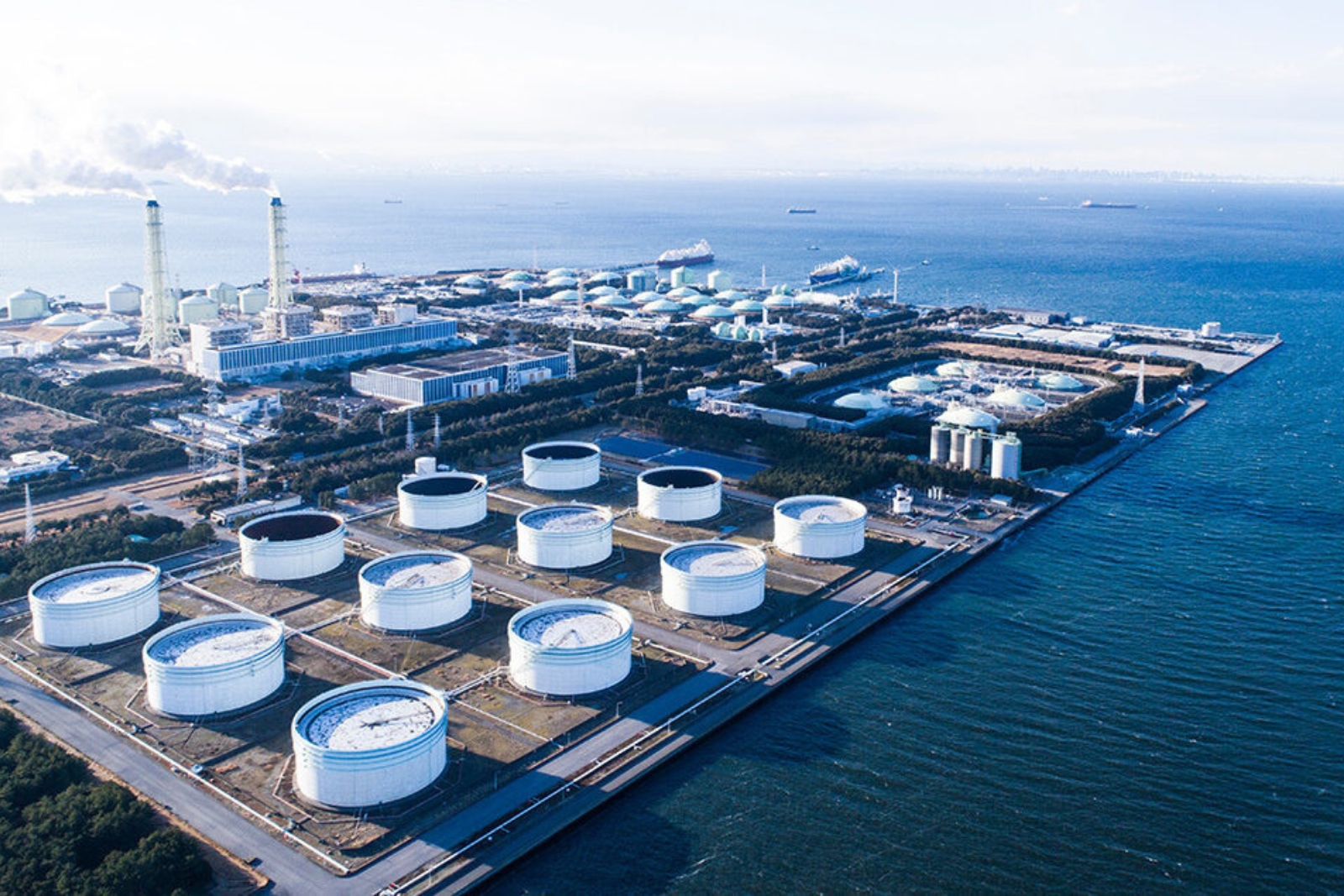
Would you like to learn more about this topic?
Watch a webinar where you will be presented with a comprehensive overview of LNG facility hazards.
The webinar presents actual testing videos to help you visualise and understand the physical consequences and potential exposure caused by the hazards.
Authors

Tommy Stokmo Jørstad
Consulting Manager Norway – Principal Engineer at Gexcon
Related insights
Browse additional insights to deepen your understanding and stay informed on related topics.
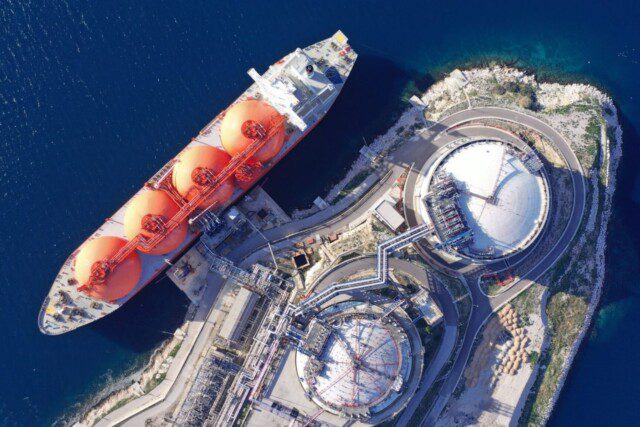
Key lessons from LNG incidents for safer operations
Lessons learnt from past LNG incidents, such as the Cleveland Disaster, the Skikda Explosion, and the Plymouth Plant Incident.
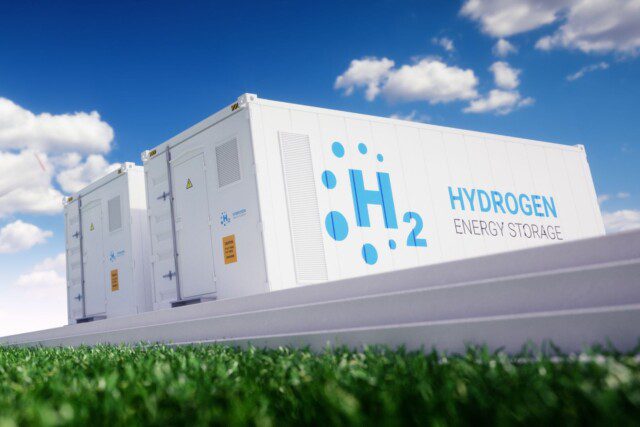
Safety aspects of new energy carriers
Understand the key safety challenges of new energy carriers like hydrogen and ammonia, and how to manage their unique hazard profiles.
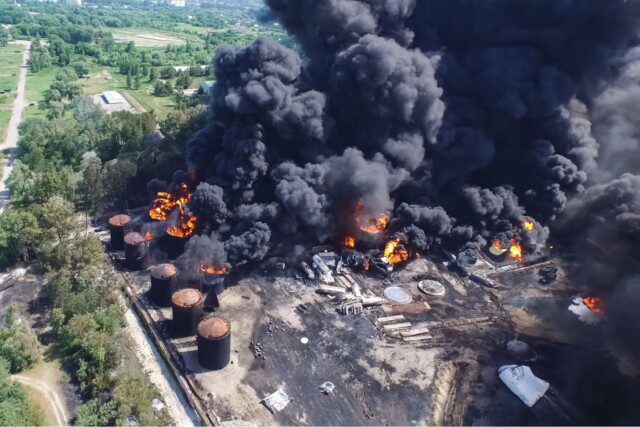
How to simulate tank pit fires in EFFECTS
Find out how to simulate tank pit fires in EFFECTS to evaluate thermal radiation, flame size, and impact on nearby equipment or areas.
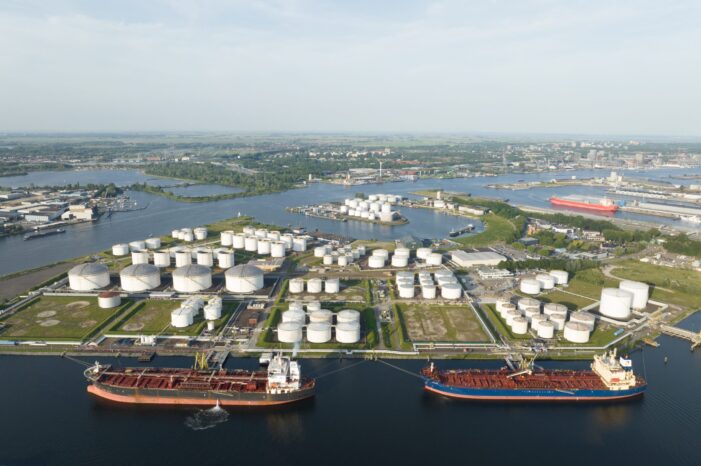
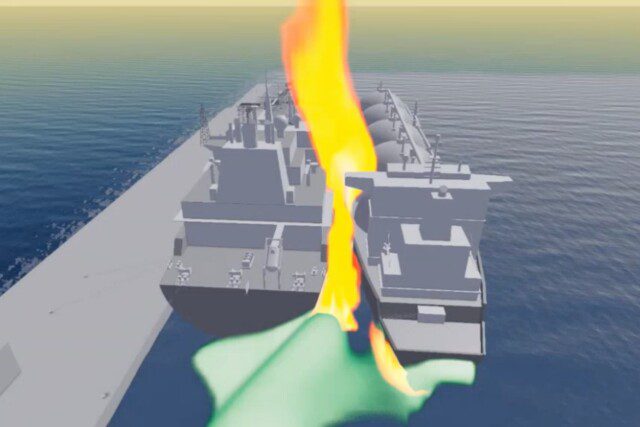
Use of advanced numerical methods for the assessment of LNG carriers in port areas
This presentation introduces a project focused on assessing LNG carriers in port areas using a combined CFD-FEM approach for thermal and mechanical analysis of the hull.
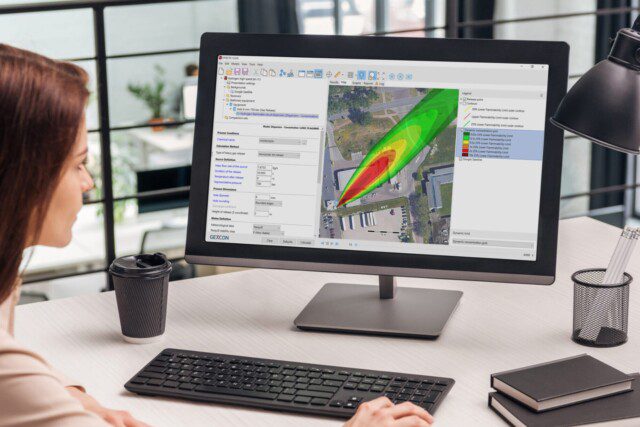
Advanced dispersion modelling to support safe energy transition with EFFECTS
Learn about the latest advancements in EFFECTS software’s dispersion modelling and the practical applications in supporting safe energy transition.
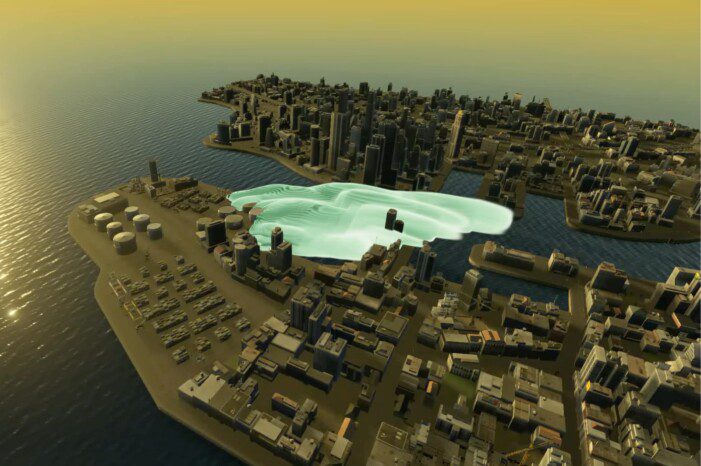
Advanced modelling techniques to resolve Process Hazards Analysis action items at LNG facilities
Learn how Process Hazard Analysis (PHA) items in LNG facilities are evaluated further using advanced modelling techniques.
Stay ahead in process safety and risk management
Get the latest trends in the field of process safety management straight to your inbox, and enhance your skills through knowledge sharing from industry experts.
Subsribe to our newsletter