The challenge
Actuation Lab is developing a valve design, the Dragonfly Valve, that does not have the valve stem and packing arrangement that is found on a typical industry-standard valve.
The key objective of the work was to examine the potential consequences of a valve stem or packing leak, in terms of flammable cloud size and explosion overpressures associated with the ignition of those clouds.
This would allow Actuation Lab to demonstrate the potential hazards that could be mitigated by using the Dragonfly Valve, for both methane and hydrogen leaks.
The approach
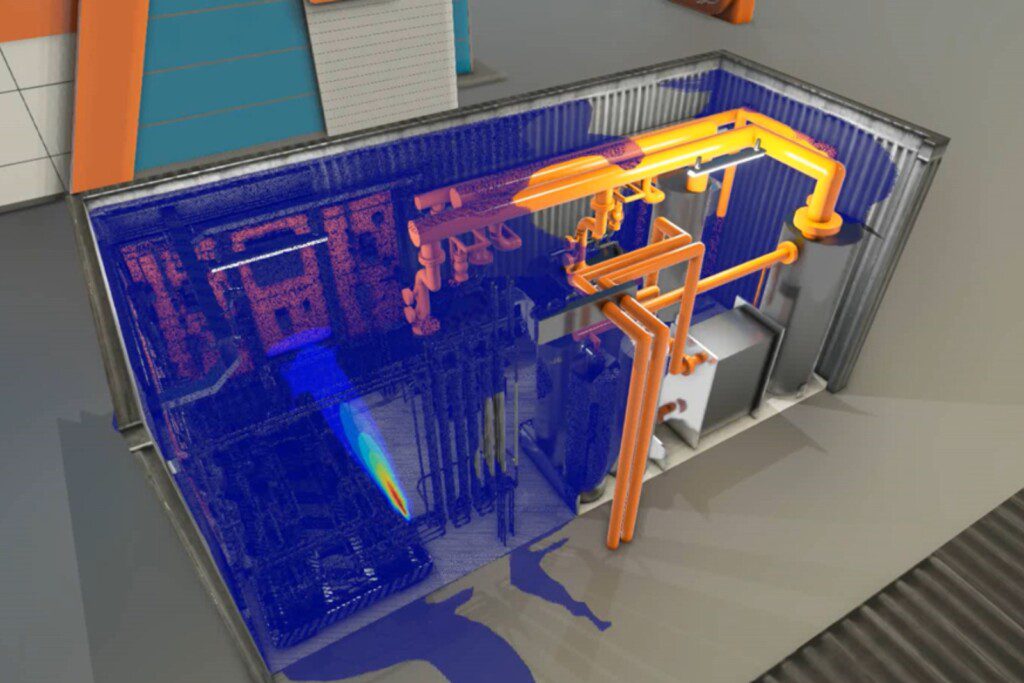
The dispersion and explosion modelling were conducted in a generic electrolyser geometry within a standard 20 ft x 8 ft shipping container. The electrolyser container was placed in the surrounding geometry, representing tube storage and a refilling station. The container was modelled with mechanical ventilation in the roof and passive air intakes near the ground.
Methane and hydrogen leaks at different release pressures were modelled. Two hole sizes were considered, with one in the range normally considered in a DSEAR (Dangerous Substances and Explosive Atmospheres Regulations 2002) assessment (2.5 mm2) and one representing a catastrophic failure of a 2″ valve stem (25 mm2).
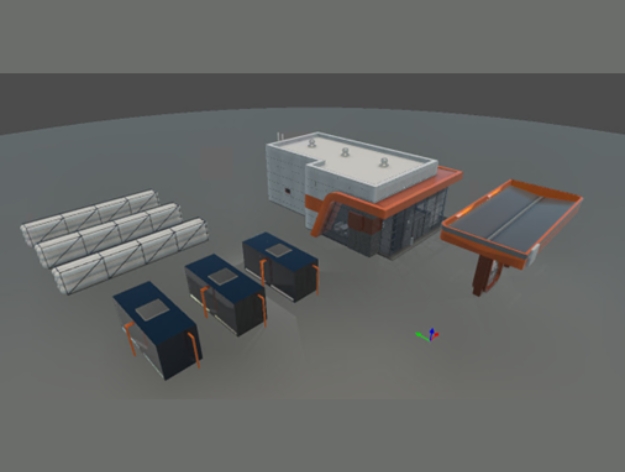 Figure 1. FLACS geometry showing the containerised electrolyser and the surrounding geometry.
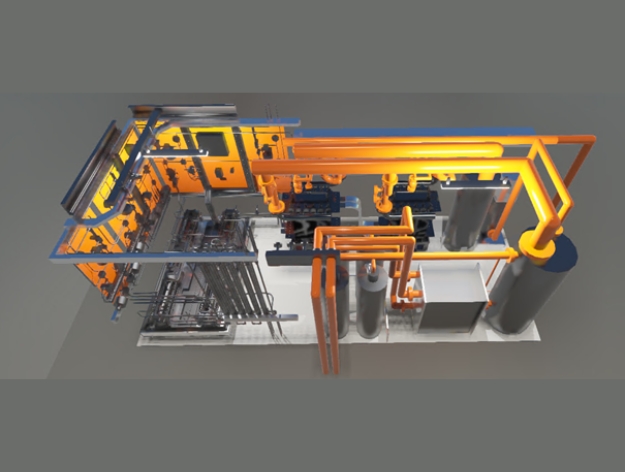 Figure 2. FLACS geometry showing the inside of the container with walls hidden.
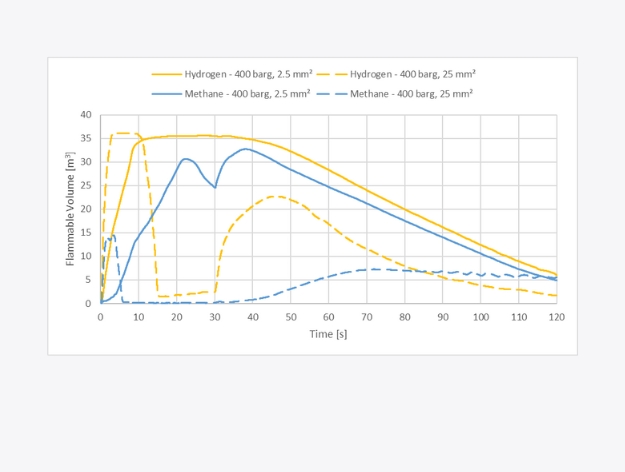 Figure 3. Graph showing flammable volume in container for selected releases.
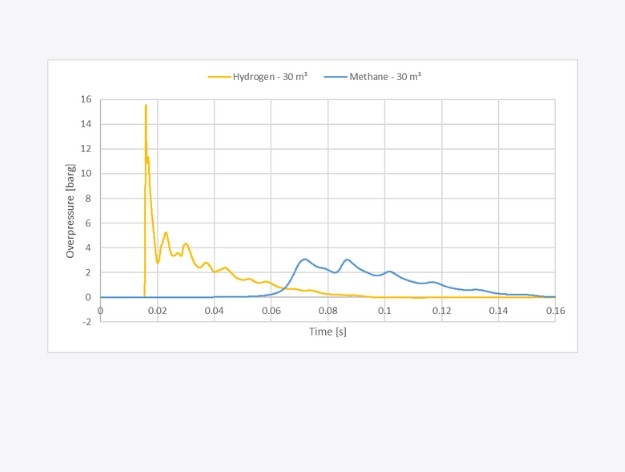 Figure 4. Graph showing Pressure-Time history for the explosion of clouds with a flammable volume of 30 m3.
Figure 1. FLACS geometry showing the containerised electrolyser and the surrounding geometry.
Figure 2. FLACS geometry showing the inside of the container with walls hidden.
Figure 3. Graph showing flammable volume in container for selected releases.
Figure 4. Graph showing Pressure-Time history for the explosion of clouds with a flammable volume of 30 m3.
The outcome
The dispersion modelling showed that even a small leak at high pressure could quickly fill the container, demonstrating the hazard of high-pressure leaks in confined spaces. Mechanical ventilation at 1000 m3/h (around 25 air changes per hour) was insufficient to limit the flammable cloud to a negligible size in all but one scenario.
The explosion of these clouds produced high overpressures that would be expected to cause container failure and catastrophic damage to process equipment. This video of an explosion test for the HySEA project performed by Gexcon demonstrates what this might look like.
This shows that valve stem and packing leaks can potentially cause serious consequences. Gexcon produced videos of the development of each dispersion and explosion simulation using FLACS visualisation tools to help Actuation Lab demonstrate these hazards.
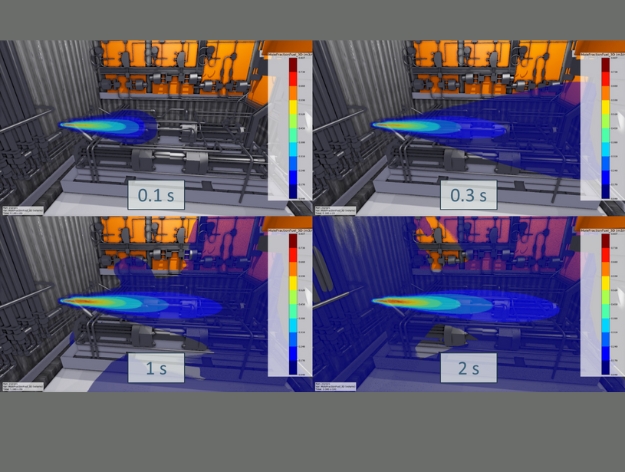 Figure 5. FLACS visualisation showing the initial seconds of a hydrogen leak (40 barg, 25 mm2).
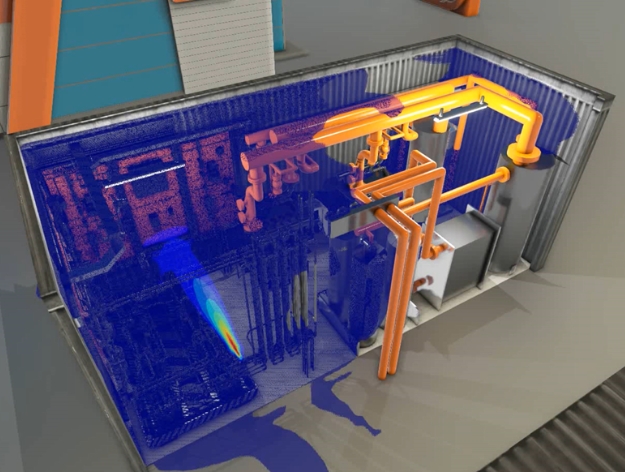 Figure 6. FLACS visualisation showing a hydrogen leak in the container.
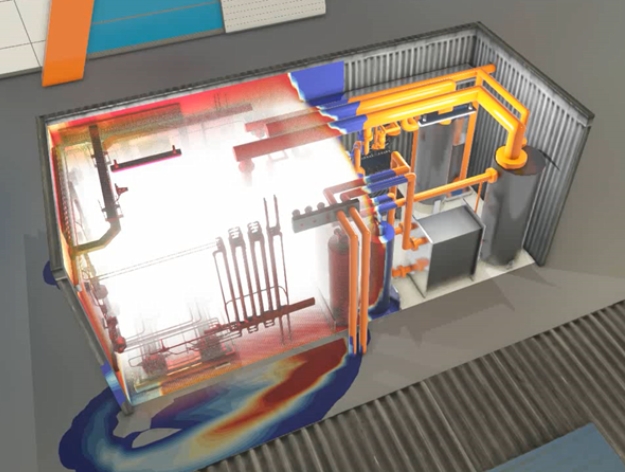 Figure 7. FLACS visualisation showing a hydrogen cloud explosion in the container.
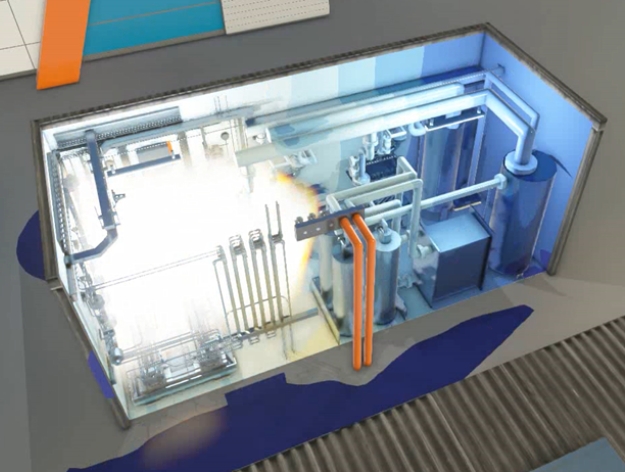 Figure 8. FLACS visualisation showing a methane cloud explosion in the container.
Figure 5. FLACS visualisation showing the initial seconds of a hydrogen leak (40 barg, 25 mm2).
Figure 6. FLACS visualisation showing a hydrogen leak in the container.
Figure 7. FLACS visualisation showing a hydrogen cloud explosion in the container.
Figure 8. FLACS visualisation showing a methane cloud explosion in the container.
Insights on hydrogen hazards from the project
The study highlighted a number of interesting differences in the dispersion and explosion characteristics of hydrogen and methane.
- Hydrogen vs. methane clouds
- For the same release conditions, hydrogen clouds were found to be larger and to grow faster, and this was due to the higher volumetric flow rate of hydrogen compared to methane. Larger clouds would be expected to cause more severe explosions.
- The difference in cloud size was also due to the broader flammable range of hydrogen. This meant that a smaller amount of fuel needed to be released to reach a flammable concentration and that it took longer to produce fuel-rich concentrations that could not burn.
- Hydrogen vs. methane explosions
- Explosions of hydrogen clouds the same size as methane clouds produced higher overpressures. This was primarily because the hydrogen clouds detonated, producing overpressures of up to 16 barg, while the methane clouds deflagrated, producing overpressures of up to 3 barg.
- Relative to deflagrations, detonations have higher peak overpressures and steeper overpressure rise, leading to more severe explosion consequences.
- Greater hazard from hydrogen
- Overall, hydrogen was found to present a higher hazard than methane for the same release conditions due to larger flammable clouds being produced and the explosion of those clouds producing more severe blasts.
Although not studied in this project, mitigation of hydrogen explosions is more challenging because explosion protection, such as explosion panels that open to vent overpressure, are not as adequate due to the fact that detonation timescales are shorter than the panel opening times.
About Actuation Lab
Actuation Lab is a UK manufacturing company specialising in the development of innovative industrial hardware solutions that prevent climate damage and ensure operational continuity.
Need a partner to help drive your project forward?
Our experts are here to help.
Relevant solutions

Consequence and Impact Modelling
Helping you assess the consequences of potential hazardous events and plan how to manage them.
Regulatory and Industry Standard Compliance Audits
Identify compliance gaps and receive tailored guidance to meet regulatory standards, ensure safe operations, and align with best practices.
DSEAR Compliance
Ensure DSEAR compliance, manage hazardous substance risks, and reduce fire and explosion hazards to keep your workplace safe.
FLACS
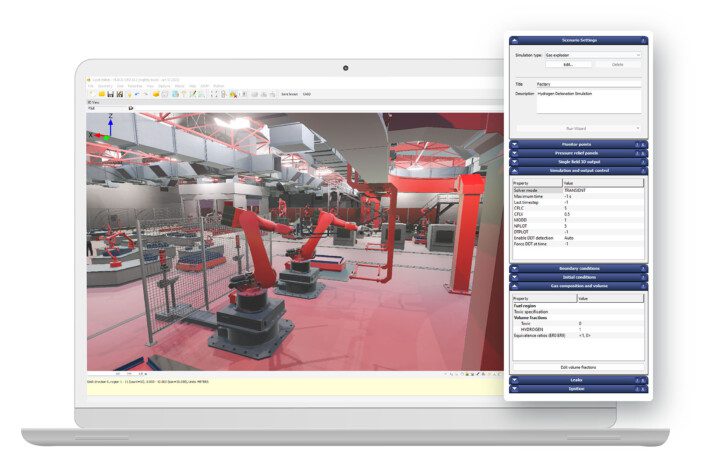
Advanced CFD tool for simulating fires, explosions, and gas dispersion in complex environments.
