About the webinar
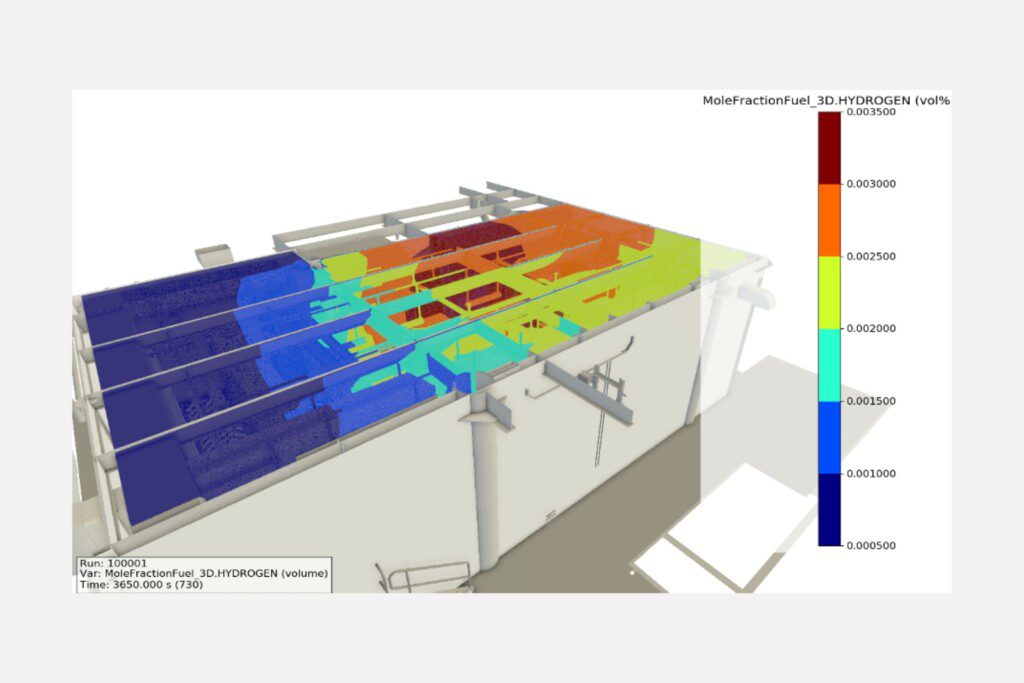
Modelling hydrogen build-up risks in closed rooms with air recirculation systems
Gexcon delivers an actual case study demonstrating the use of FLACS to model hydrogen dispersion in a wellhead tower platform’s battery room.
The study addresses the risk of hydrogen gas leaks during battery charging, exacerbated by the HVAC system’s air recirculation and structural beam configurations in the ceiling that may trap the gas.
FLACS is employed to verify that hydrogen gas concentration is maintained below the Lower Flammable Limit (LFL), thus preventing the formation of potentially flammable gas clouds and ensuring safety.
This presentation is part of FLUG 2023.
What you will learn
- How HVAC airflows and ceiling geometry affect hydrogen dispersion.
- How FLACS can verify hydrogen stays below the LFL threshold.
- Why CFD helps assess safety in enclosed or complex spaces.
Meet the speaker

Ankit Gujrathi has a Master of Technology in Thermal Engineering and a Bachelor’s in Mechanical Engineering, and has 11 years of academic experience as an Assistant Professor.
Ankit has validated numerous research projects with Ansys Software, contributing 8 research papers to the scientific community. He has also created and shared educational content on Ansys Fluent, focusing on solar and thermal modelling.
His expertise notably includes utilising the FLACS tool for CFD Analysis in gas dispersion and fire modelling.
Download webinar recording
Please fill in the form below to access the webinar recording.
More presentations from FLUG 2023
Browse the full collection of presentations from the FLUG 2023 event.
2023 FLUG Meeting registration is open
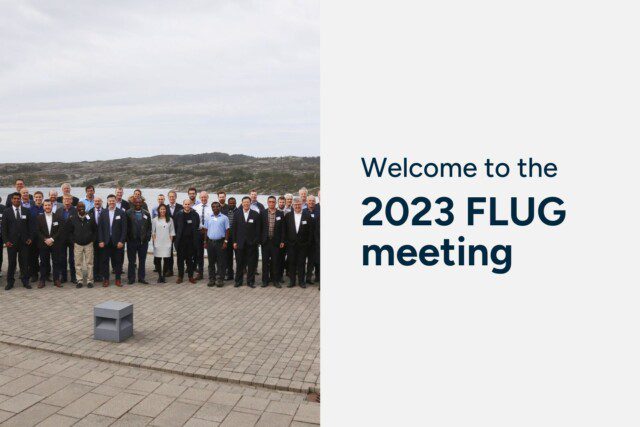
Gexcon working in partnership with EDF R&D is thrilled to invite you to the long-awaited return of the in-person FLUG Meeting which will be held on 10-11 October 2023 at EDF Lab Paris-Saclay in France.
Risk management in a containerised metal hydride storage system
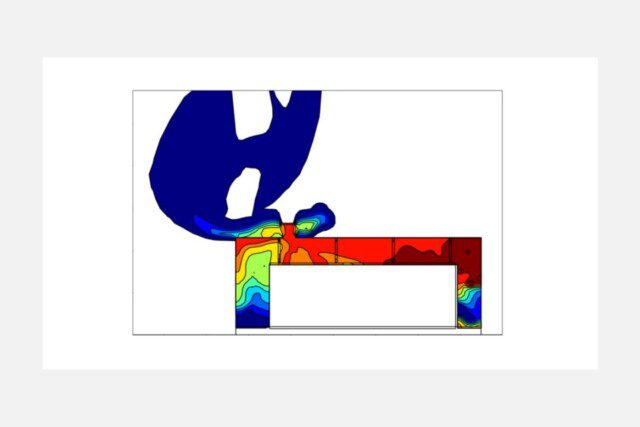
ENGIE Lab CRIGEN presents the HyCARE Project and how FLACS plays a key role in verifying the safety of the developed hydrogen storage systems.
FLACS comparison with an H2-air confined explosion experiment
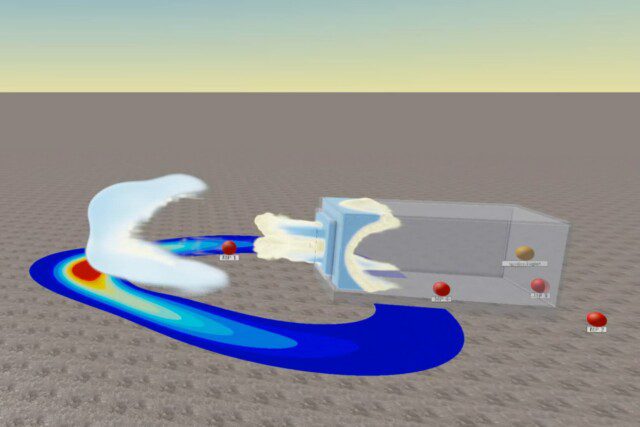
FLACS is compared with experimental data to assess the applicability of the ongoing CFD modelling guidelines in France for land use planning.
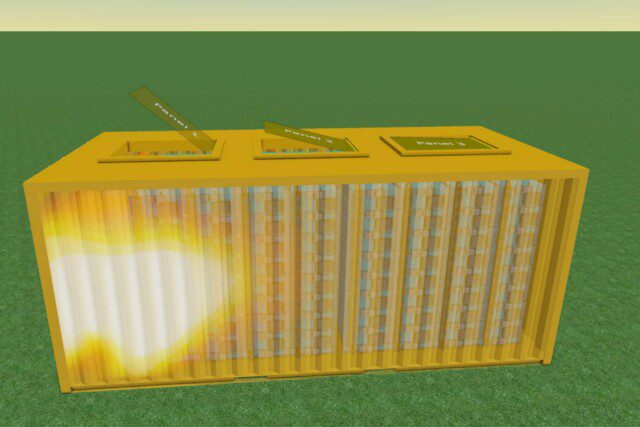
Thermal runaway of batteries simulation with FLACS
Learn how FLACS is used to simulate battery thermal runaway and compare results with experimental data for reliable analysis.
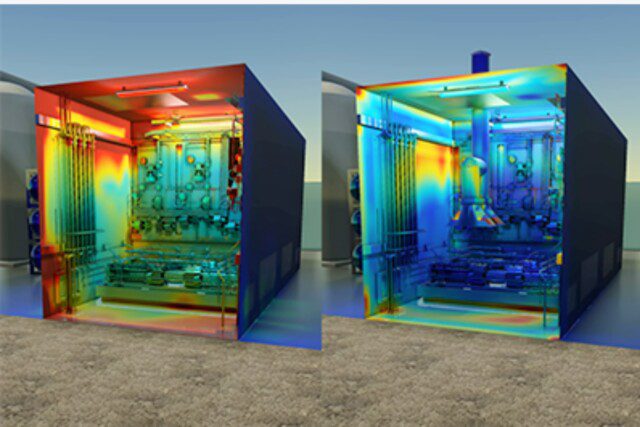
Evaluating hydrogen ventilation in enclosed compressor systems
See how FLACS can assess if ventilation in enclosed hydrogen systems keeps leaks below flammable limits for safer compressor system design.
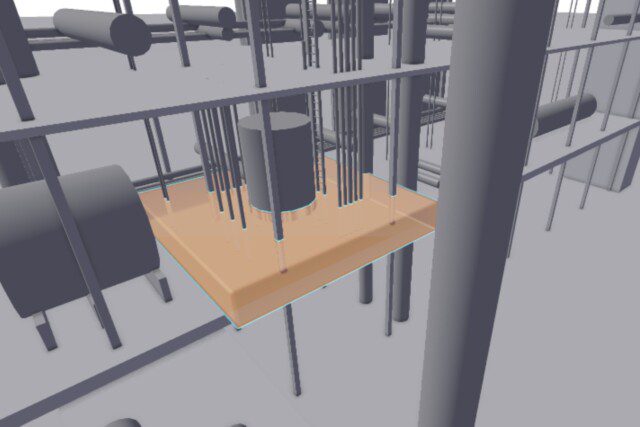
Investigation on influencing parameters of vapour cloud explosion
See how FLACS is used to study early peak overpressures at large distances immediately after ignition and what factors influence this behaviour.
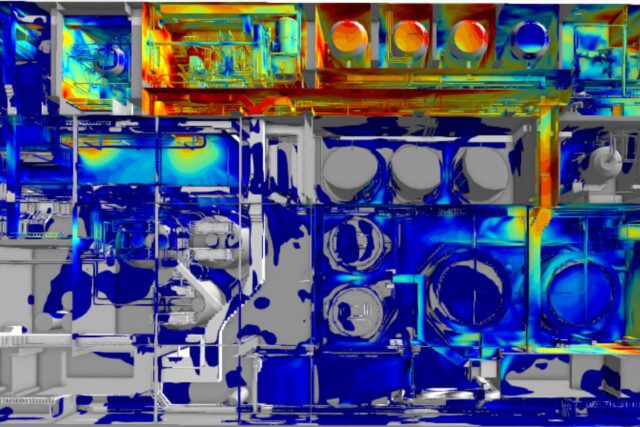
The practical use of FLACS for EDF nuclear safety demonstration – User perspective
Get practical tips on combining consequence and structural response studies, including how to map blast loads to FEM models.
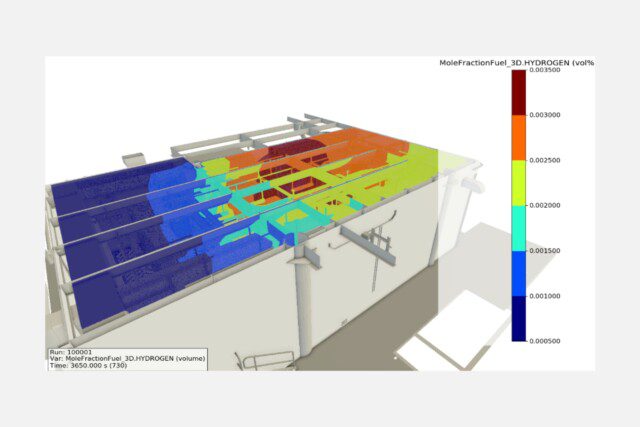
Accumulation of flammable hydrogen in a closed room with Forced Air Re-circulation
See how FLACS is used to evaluate hydrogen build-up risks in battery rooms with air recirculation and ceiling obstructions.
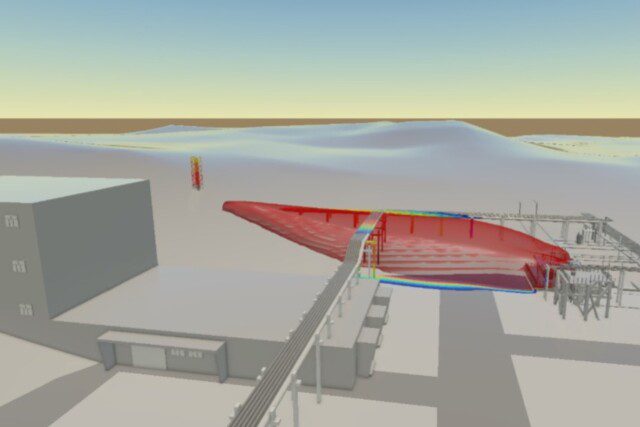
A comparative study: Various modeling approaches for accidental release of ammonia
Find out how different modelling approaches assess ammonia release scenarios and support better risk management decisions.
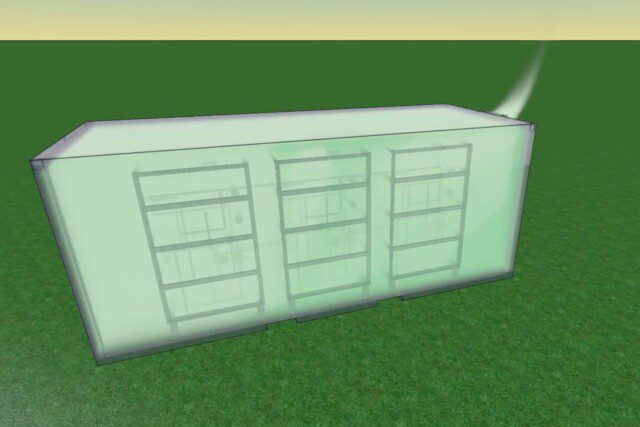
Dispersion simulations from extreme release cases in confined spaces
See how FLACS is used to simulate hydrogen dispersion in confined containers and support safer hydrogen system design and operation.
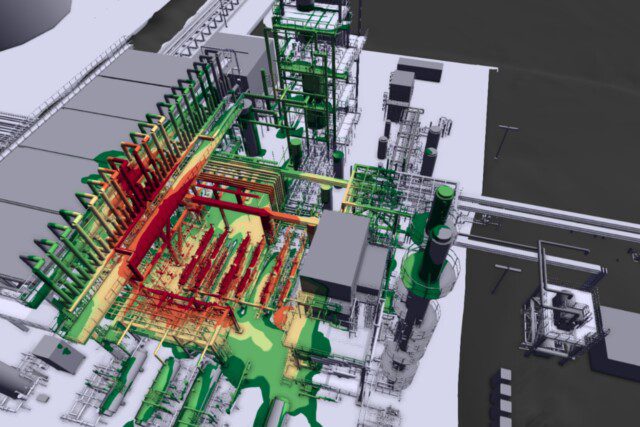
The Gexcon X-suite combined usage possibilities
See how to combine Gexcon’s X-Suite software—EFFECTS, FLACS, and RISKCURVES—to carry out safety studies more efficiently.
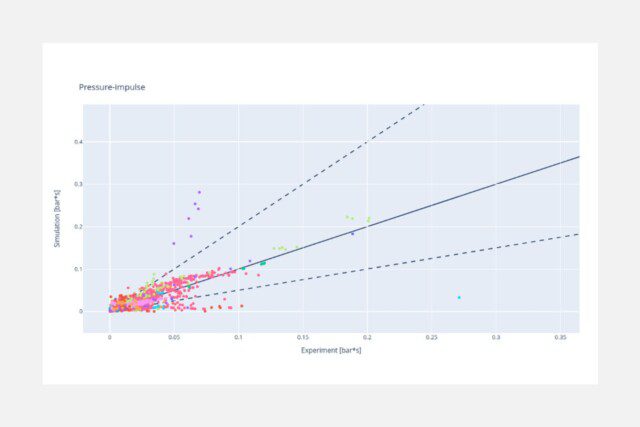
Launching the new validation approach and GUI
Learn how the new validation GUI in FLACS helps you manage uncertainty in risk assessments with an improved validation process.
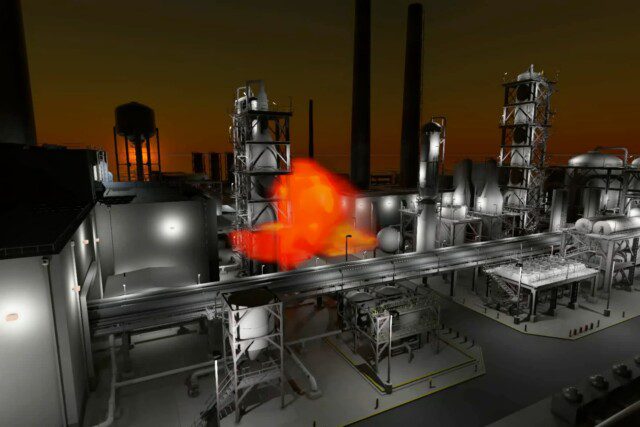
The developments in FLACS-Fire
Learn about FLACS-Fire’s sub-models, validation efforts, current challenges, and how it’s evolving to support accurate fire consequence modelling.
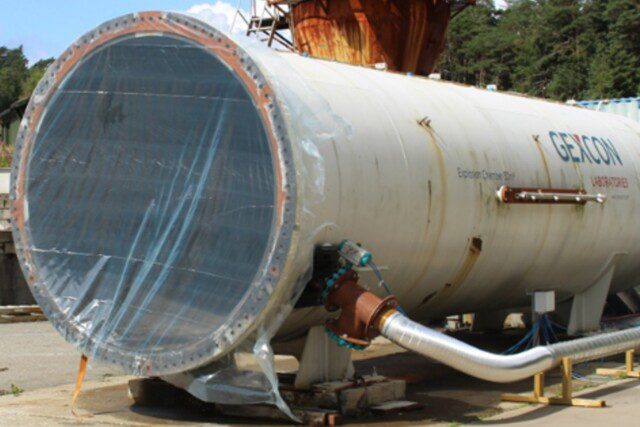
Experiments and simulations of large-scale hydrogen-nitrogen-air gas explosions for nuclear and hydrogen safety applications
See how hydrogen-nitrogen explosion tests help improve FLACS modelling for hydrogen-rich mixtures and support safer operations in nuclear plants.
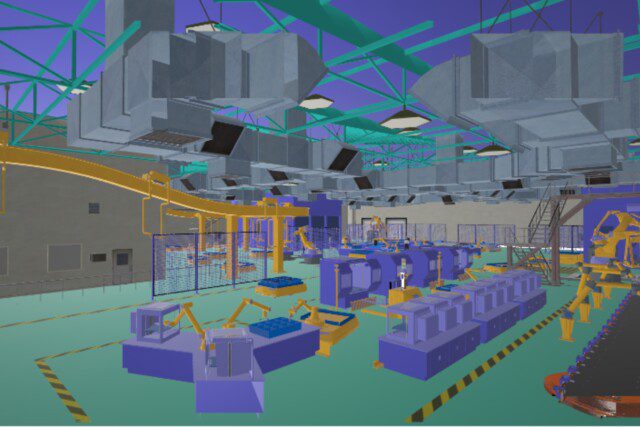
Geometry modelling in FLACS
See the latest geometry modelling features in FLACS including CAD import, mesh handling, and performance improvements.
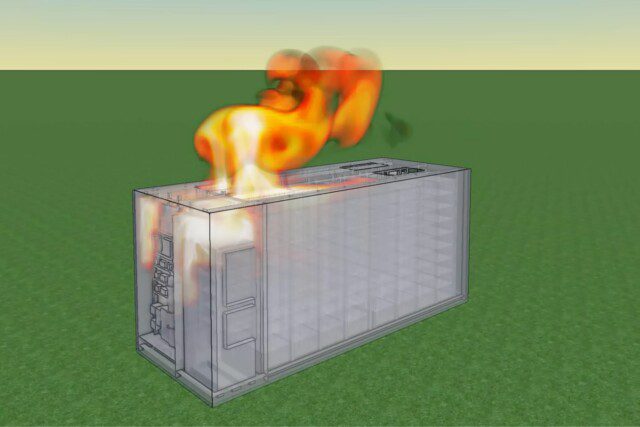
FLACS R&D and the energy transition
This presentation outlines Gexcon’s past, current, and future R&D projects, and delves into the utilisation of FLACS for zero and low-carbon energy sources.
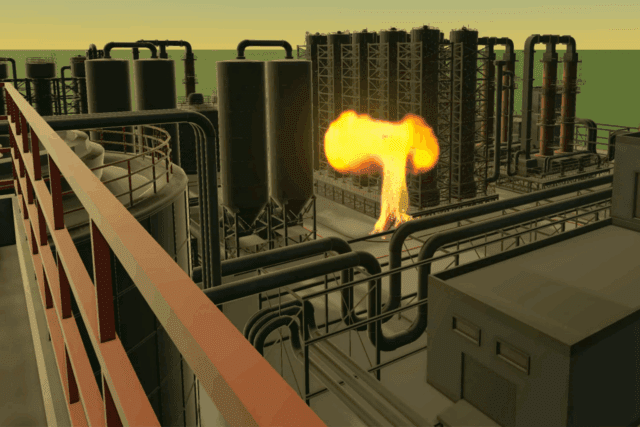
The direction of FLACS at FLUG 2023
Learn about the roadmap for FLACS development.

H2 risk in nuclear power plant – Use of FLACS-Hydrogen R&D activities
In this welcome presentation to the 2023 FLUG Meeting, EDF shares how FLACS-Hydrogen is being applied in their R&D activities.
Stay ahead in process safety and risk management
Get the latest trends in the field of process safety management straight to your inbox, and enhance your skills through knowledge sharing from industry experts.
Subscribe to our newsletter