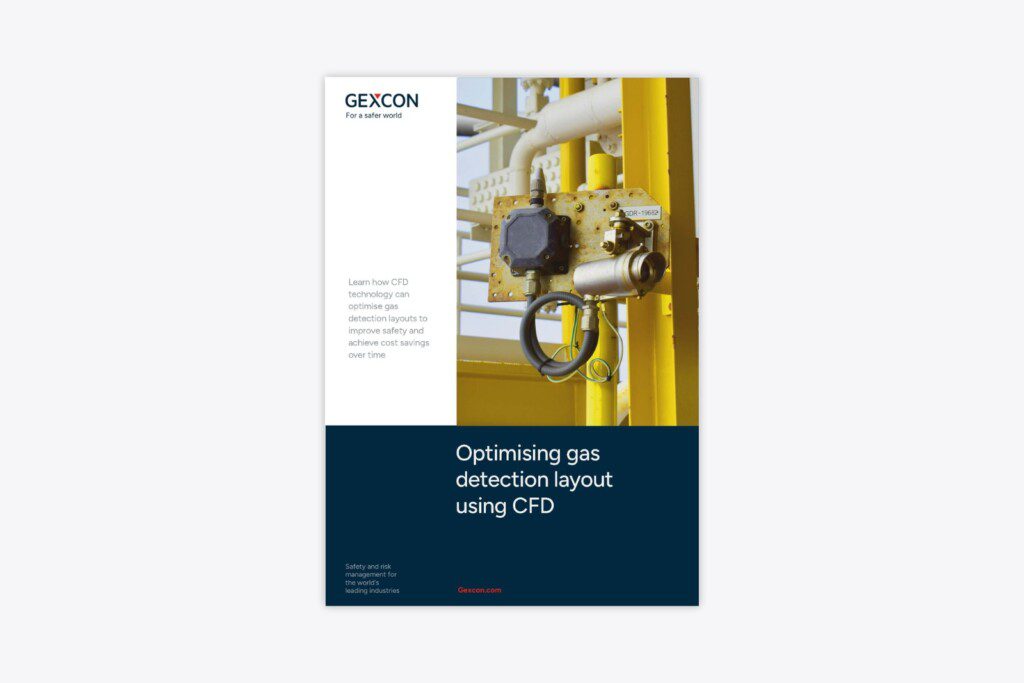
About the white paper
Learn how CFD technology can optimise gas detection layouts to improve safety and achieve cost savings over time
Gas detectors are crucial for safety in process facilities, as they help to prevent accidents by identifying gas releases early.
Traditional methods for designing gas detection layouts are often inefficient and fail to account for various uncertainties, such as leak locations, weather conditions, complex geometries, and the effects of ventilation.
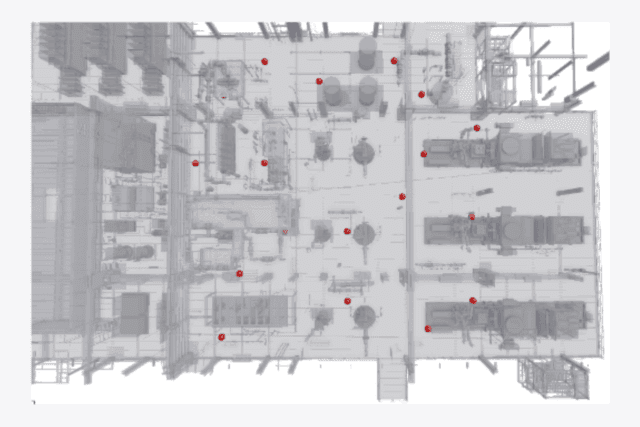
Advanced CFD simulation tools, such as FLACS, offer a more effective solution by optimising gas detector placement through detailed simulations. These tools provide a clearer understanding of how gas leaks would behave in real-world conditions, supporting the optimal placement and number of gas detectors.
This white paper explores the advantages of using advanced CFD simulation tools to optimise gas detection layouts, thereby improving safety, enhancing operational efficiency, and achieving cost savings over time.
What you will learn
- Summary of challenges in detector placement.
- Introduction to the FLACS CFD consequence simulation tool for detector layout optimisation.
- An approach and workflow for integrating CFD technology into gas detector layout studies.
Download the white paper
Please fill in the form below to access the white paper.
Related insights
Browse additional insights to deepen your understanding and stay informed on related topics.
Optimising gas detection layout using CFD
Learn how CFD technology can optimise gas detection layouts to improve safety and achieve cost savings over time
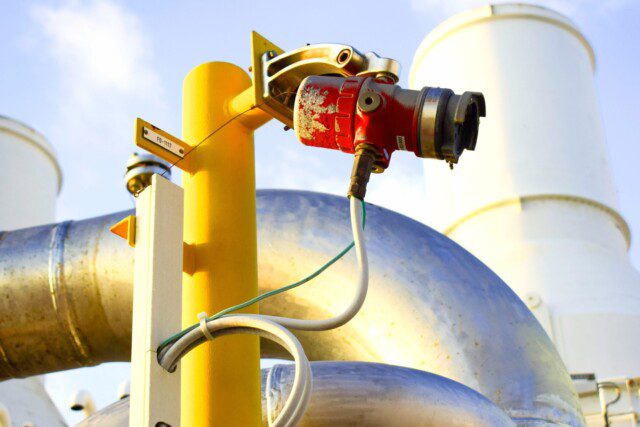
The challenges of fire and gas detection
Learn the key challenges in designing an effective fire and gas detection system, and how it fits within the hierarchy of risk control.
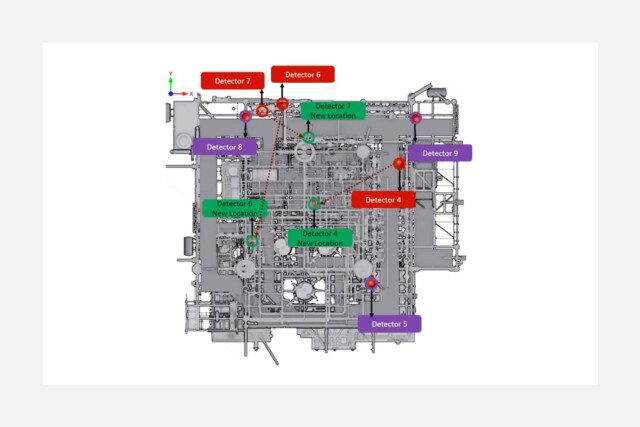
Flammable gas detector mapping and optimisation for offshore facility
Learn how to carry out gas detector mapping and optimisation for offshore facilities using FLACS.
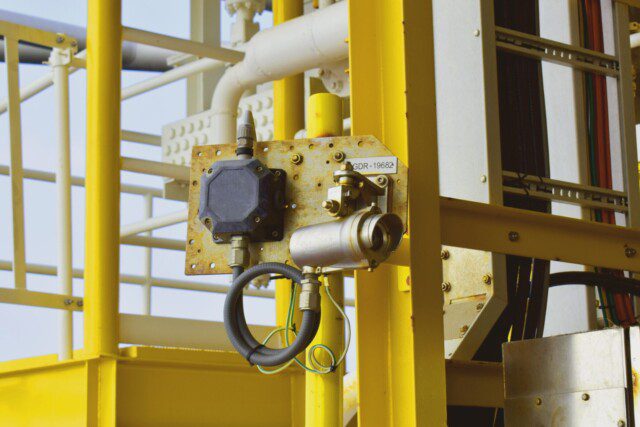
Gas detection mapping and optimisation
Learn how to assess gas detector performance and model gas dispersion accurately using CFD modelling tools.
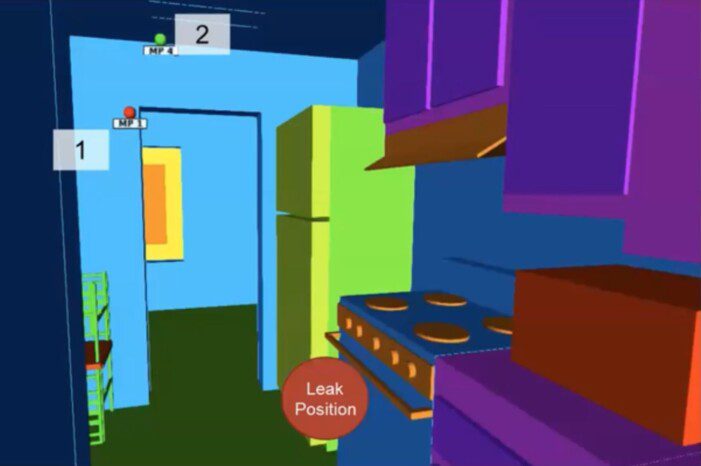
Combustible gas dispersion and detector location analysis in residential occupancies
This webinar presents the research on combustible gas dispersion and detector location analysis in residential occupancies by Gexcon US for the Fire Protection Research Foundation.
Stay ahead in process safety and risk management
Get the latest trends in the field of process safety management straight to your inbox, and enhance your skills through knowledge sharing from industry experts.
Subscribe to our newsletter