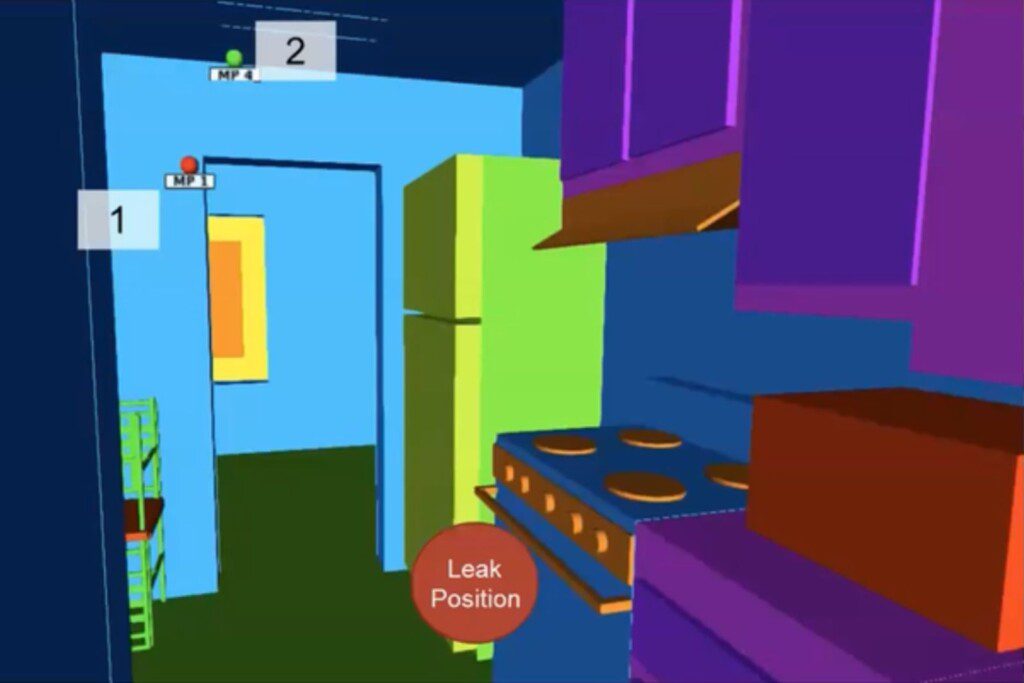
About the webinar
This webinar presents the research on combustible gas dispersion and detector location analysis in residential occupancies by Gexcon US for the Fire Protection Research Foundation.
The research included a literature review of the existing guidance for combustible gas detector location and installation in residential occupancies, and computational fluid dynamics (CFD) simulations to clarify and strengthen the technical basis for combustible gas detector installation criteria in residential occupancies.
CFD simulations were conducted to quantitatively evaluate gas detector performance as a function of placement in residential occupancies. Natural gas and liquefied petroleum gas releases are simulated in different residential structures and gas concentrations are tracked at numerous potential detector locations within these structures to evaluate which locations are most effective for reliable and early detection.
Research deliverables will support the development of the new NFPA Standard, NFPA 715 on the installation of fuel gas detection and warning equipment.
What you will learn
- A literature review of the existing guidance for combustible gas detector location and installation in residential occupancies.
- CFD simulations to quantitatively evaluate gas detector performance as a function of placement in residential occupancies.
Fire Protection Research Foundation 2021 Webinar Series Sponsors
- APA – The Engineered Wood Association
- AXA XL Risk Consulting
- Johnson Controls
- Reliable Automatic Sprinkler Co., Inc.
- Telgian Engineering and Consulting
- The Zurich Services Corporation
Meet the speakers

Dr Scott Davis is the President of Gexcon US and a recognised expert in the engineering analysis and testing of combustion, thermal, and fluid processes.
He is a licensed professional engineer (PE) as well as a certified fire and explosion investigator (CFEI) and holds a PhD in Mechanical and Aerospace Engineering from Princeton University.
Dr Davis’s work includes explosion risk assessments, blast and venting analyses, combustible dust hazard evaluations, and modelling of toxic and flammable gas dispersion, hydrogen safety, ventilation strategies, and carbon monoxide releases. These studies often involve the use of FLACS, Gexcon’s world-leading CFD software.
Dr Davis applies his technical expertise to the investigation and prevention of fires, explosions, and dispersion events, including flammable vapours and carbon monoxide exposures. He specialises in identifying the cause, origin, and dynamics of these incidents, particularly ignition sources, flame propagation, chemical kinetics, and the fluid dynamics of combustion events, including detonations. Over the course of his career, Dr Davis has served as lead investigator on hundreds of incidents involving fires and explosions.
He contributes actively to the development of industry standards. He serves on several committees, including those for NFPA 720 (Carbon Monoxide Detection and Warning Equipment), Combustible Dusts, and Metal Dusts. He has also served on the committee for NFPA 921, the Guide for Fire and Explosion Investigations.

Stephen graduated from the University of Maryland, College Park in 1998 with a Bachelor of Science in Fire Protection Engineering and in 1999 with a Master of Science in Fire Protection Engineering.
His master thesis research concentrated on material flammability in micro-gravity environments and included several experimental campaigns aboard NASA’s KC-135 ‘Vomit Comet’ parabolic flights.
He is a licensed professional engineer (PE) as well as a certified fire and explosion investigator (CFEI) and holds an MBA degree from Loyola University in Maryland.
Stephen’s professional interests include smoke and fire detection and notification, spacecraft and space environment fire safety, material flammability, fire modelling, computational fluid dynamics (CFD), carbon monoxide and fuel gas detection, and forensic fire investigation and reconstruction.
These interests have led him to take leadership positions in the Fire Protection Engineering and Fire Science communities on these topics. He is a principal member of the National Fire Alarm and Signaling Code (NFPA 72) Technical Committee on Single- and Multiple-Station Alarms and Household Fire Alarm Systems and was a principal member of the Standard for the Installation of Carbon Monoxide (CO) Detection and Warning Equipment (NFPA 720) Technical Committee on Carbon Monoxide Detection until the committee disbanded in 2017.
He is Chair of the newly formed Fuel Gases Warning Equipment Technical Committee responsible for the new Standard for the Installation of Fuel Gases Detection and Warning Equipment (NFPA 715).
Related insights
Browse additional insights to deepen your understanding and stay informed on related topics.
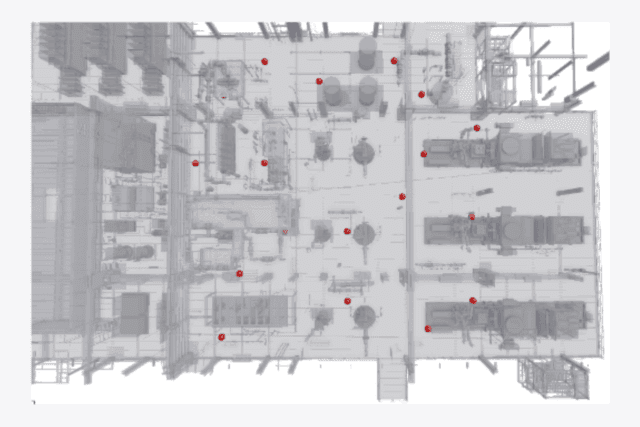
Optimising gas detection layout using CFD
Learn how CFD technology can optimise gas detection layouts to improve safety and achieve cost savings over time
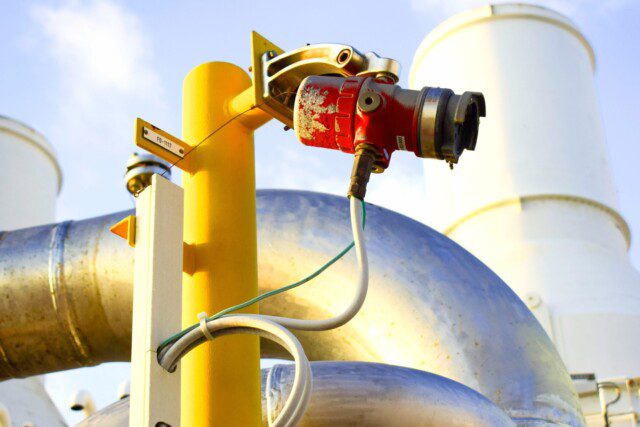
The challenges of fire and gas detection
Learn the key challenges in designing an effective fire and gas detection system, and how it fits within the hierarchy of risk control.
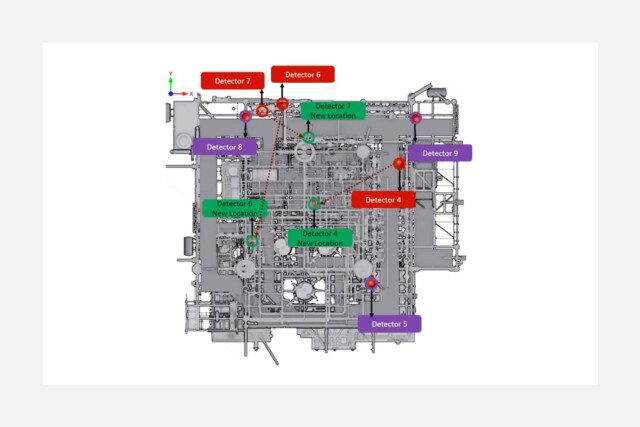
Flammable gas detector mapping and optimisation for offshore facility
Learn how to carry out gas detector mapping and optimisation for offshore facilities using FLACS.
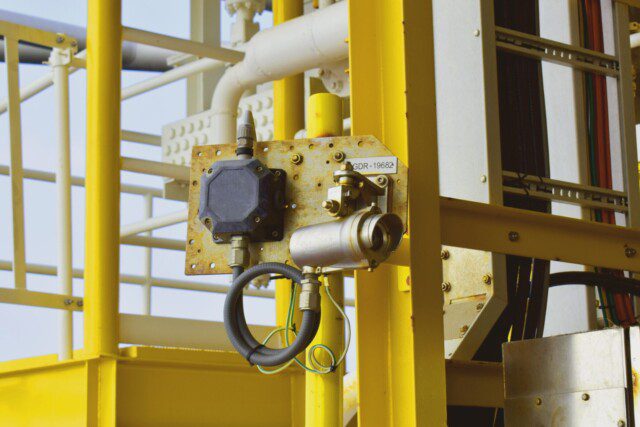
Gas detection mapping and optimisation
Learn how to assess gas detector performance and model gas dispersion accurately using CFD modelling tools.
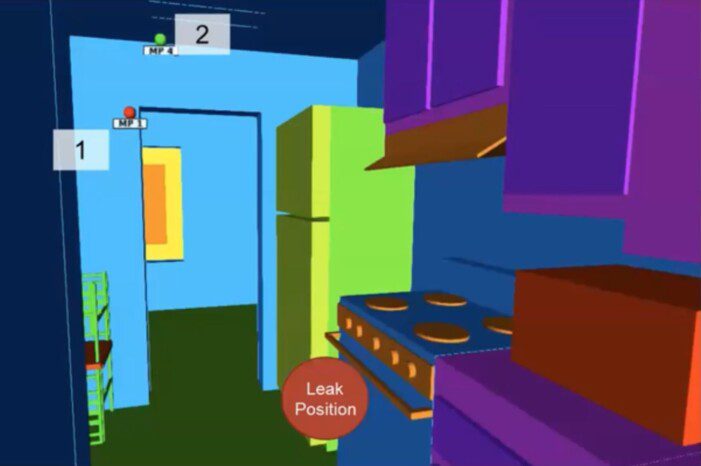
Combustible gas dispersion and detector location analysis in residential occupancies
This webinar presents the research on combustible gas dispersion and detector location analysis in residential occupancies by Gexcon US for the Fire Protection Research Foundation.
Stay ahead in process safety and risk management
Get the latest trends in the field of process safety management straight to your inbox, and enhance your skills through knowledge sharing from industry experts.
Subscribe to our newsletter