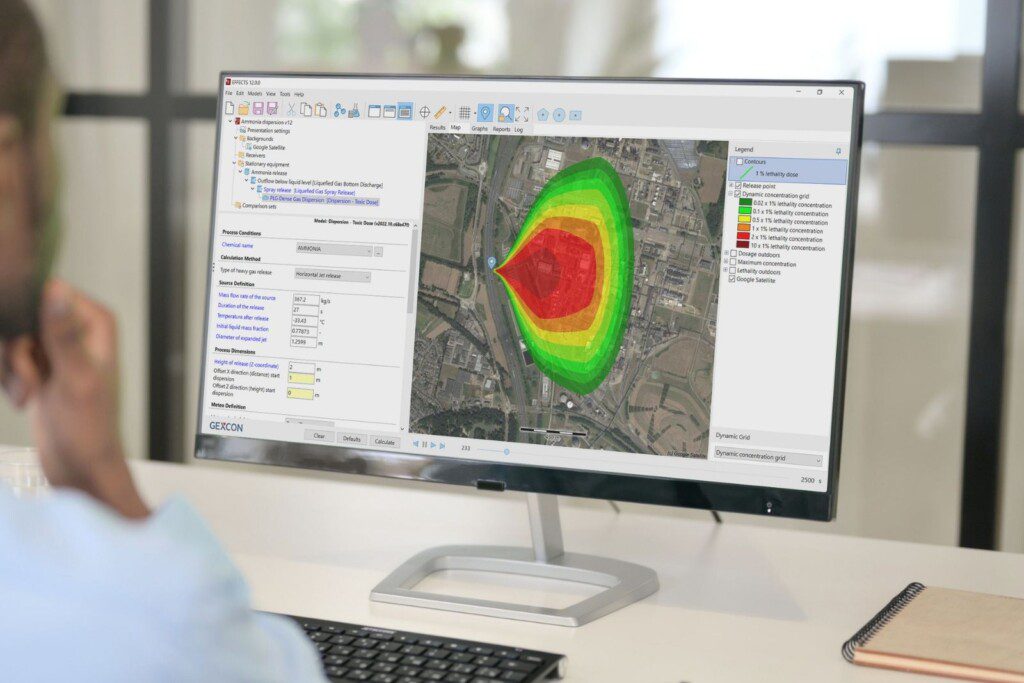
Ammonia is widely used in the chemical industry, especially as a refrigerant in mechanical compression systems at a large number of industrial facilities. Other uses of ammonia are as a fertiliser, as a precursor to nitrogenous compounds, as a cleaner, for the fermentation industry, etc.
Ammonia is a toxic gas under ambient conditions. However, many parts of a refrigeration system contain ammonia liquefied under pressure or refrigerated below its normal boiling temperature.
Releases of ammonia can have potentially harmful effects on workers and the public. If ammonia is under pressure, the risk of exposure increases since larger quantities of the refrigerant have the potential for rapid release into the air.
That is the reason why the simulation of the consequence effects of ammonia releases is so important. This way, safety professionals can assess beforehand the potential hazards of an accidental release so that appropriate mitigation and prevention measures can be implemented.
Simulating ammonia releases with EFFECTS
In the video tutorial below, a series of real case accidents involving the release of ammonia are modelled step by step with the consequence modelling tool EFFECTS.
First, the simulation of the accidental release of ammonia from a road tanker transporting ammonia at its vapour pressure is performed. For this real case scenario, two different simulation approaches are shown.
In the first simulation approach, it is assumed that the hole through which the release occurs is located at the bottom of the road tanker, therefore, the chemical phase of the release is mostly liquid.
In the second simulation approach, it is assumed that the hole is right above the liquid level inside the road tanker, thus, the release consists mostly of gas.
The third simulation consists of the modelling of an accidental release of refrigerated ammonia from a condenser located at the rooftop of an ammonia cooling station.

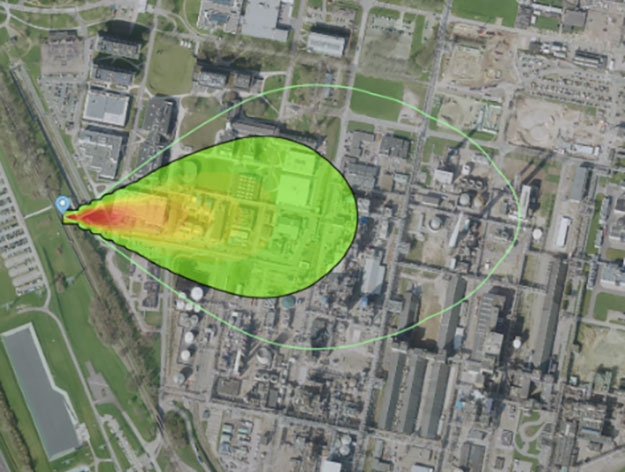
Would you like to see EFFECTS in action?
Download a project file which contains the simulations used in the video
This project file can be accessed using the EFFECTS software or its free viewing demo.
Please note that the calculation in the video is based on an older software version. As the project file has been updated using the latest software version, you may notice a slight difference in the results.
This difference is due to continuous improvements in the software, enhancing accuracy and reliability to better support decision-making in your projects.
Authors

Sonia Ruiz Pérez
Product Manager at Gexcon
Related insights
Browse additional insights to deepen your understanding and stay informed on related topics.
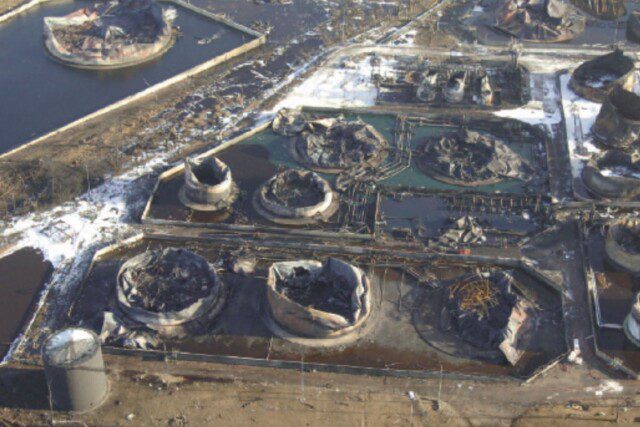
How to simulate the tank overfilling phenomenon
Explore how to simulate tank overfilling scenarios using EFFECTS to better understand vapour generation, dispersion, and safety risks.
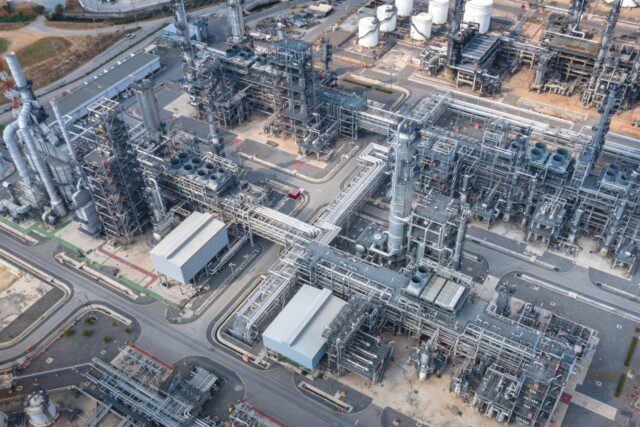
How to simulate Confined Vapour Cloud Explosions (VCEs) in EFFECTS
Learn how to simulate confined vapour cloud explosions (VCEs) in EFFECTS to assess blast impacts and improve safety in high-risk areas.
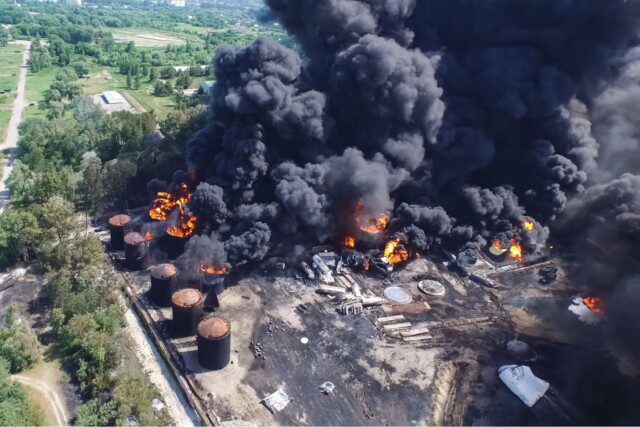
How to simulate tank pit fires in EFFECTS
Find out how to simulate tank pit fires in EFFECTS to evaluate thermal radiation, flame size, and impact on nearby equipment or areas.
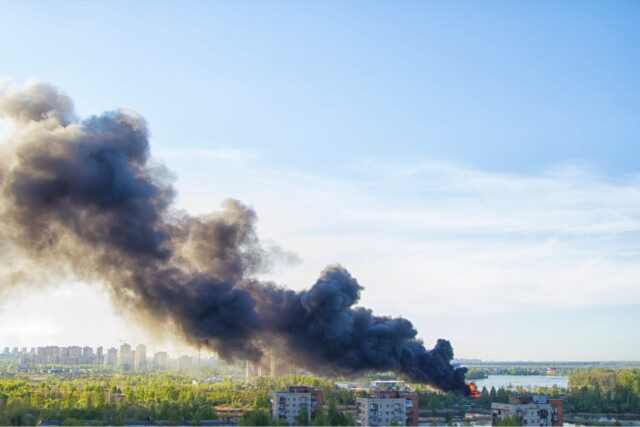
How to simulate plumes of large fires in EFFECTS
See how to simulate plumes from large fires in EFFECTS to assess thermal radiation, smoke dispersion, and impact on nearby areas.
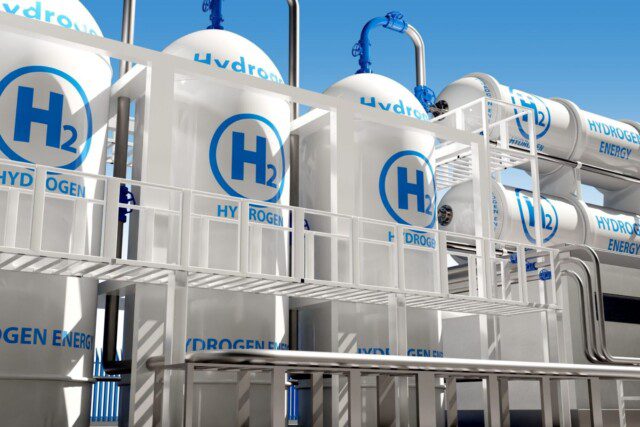
Hydrogen Fireball in a storage area using EFFECTS
Learn about the efficacy of the Gas Fireball model in EFFECTS through two hydrogen release scenarios.
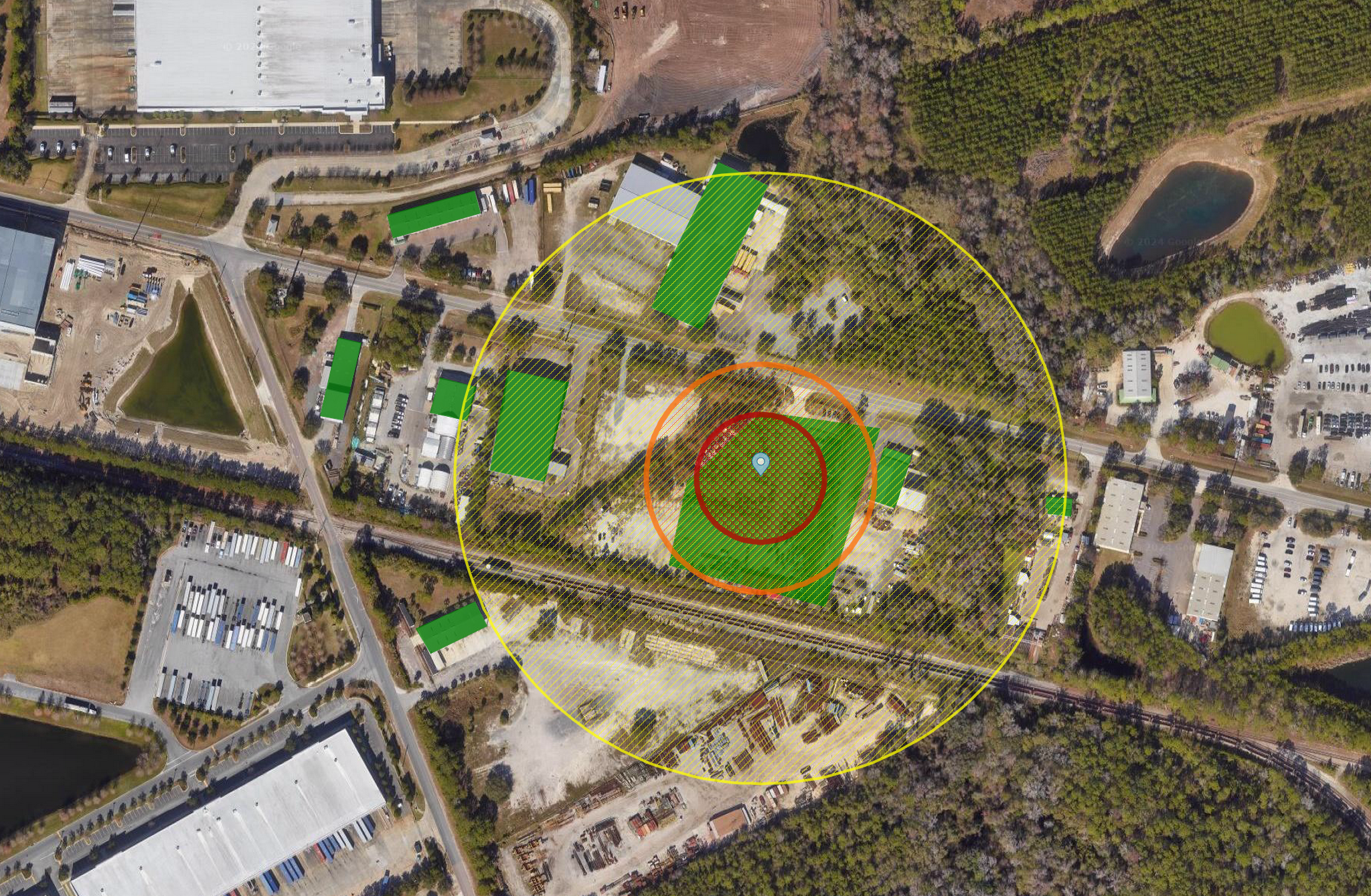
Modelling a runaway chemical reaction using EFFECTS to reproduce the conditions of the T2 Laboratories incident
This blog emphasises the vital role of consequence modelling in assessing the impact of a runaway chemical reaction.
Stay ahead in process safety and risk management
Get the latest trends in the field of process safety management straight to your inbox, and enhance your skills through knowledge sharing from industry experts.
Subsribe to our newsletter