
If COVID 19 has taught us one thing it’s that manufacturers have the ability to change what they produce in order to meet demands during a global crisis.
Hand sanitiser, for example, became one of the most critical healthcare products which experienced a rapid increase in sales during the outbreak of the COVID pandemic.
Demand for this product far outweighed the capabilities of its current suppliers who were simply not equipped for such a surge in productivity and a gap in the market opened for manufacturers who could assist with production to combat the virus.
In order to fight the fight and ensure that demand was catered for, manufacturers all over the world had to rethink the way their production lines were utilised and repurpose their facilities to expand into new markets.
Gexcon UK office, based in Warrington near Manchester, was approached by an existing plant that historically manufactured water-based products containing minor quantities of flammable materials, however, the need to expand into new territories would mean an increase in the quantities of highly flammable materials processed on-site.
This raised questions as to whether they would still be able to operate their facility safely whilst maintaining compliance with the DSEAR Regulations (Dangerous Substances and Explosive Atmospheres Regulations 2002), a UK law which is mainly concerned with reducing risks from fire and explosions arising from the use of dangerous substances which are used or present within the workplace.
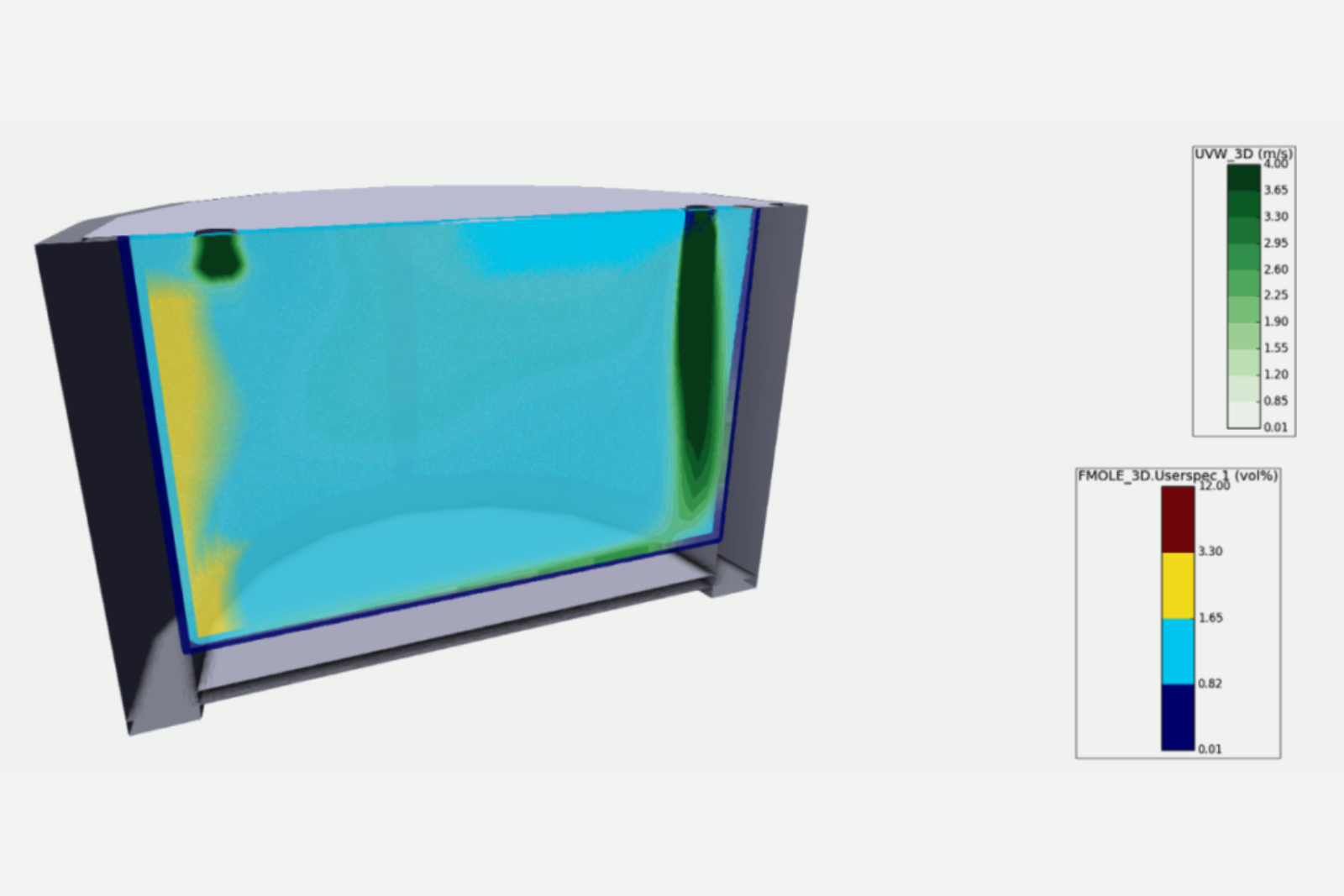
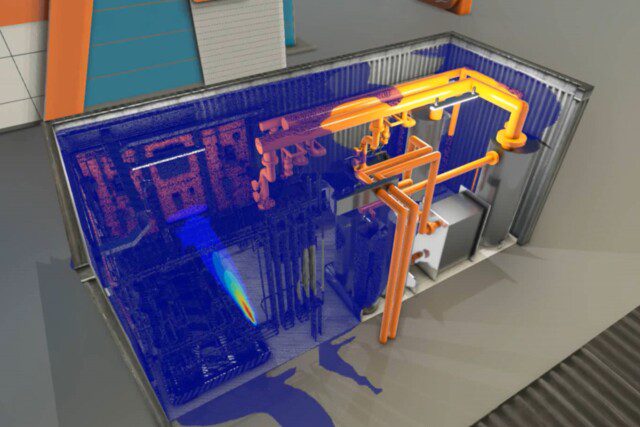
Using our renowned in-house consequence modelling tool, FLACS, we were able to confirm that dilution ventilation could be used as the basis of safety, whilst a BowTie Study demonstrated what additional layers of protection were needed to maintain this basis of safety.
Combined with the experience and engineering judgement that our engineers offer we could clearly demonstrate that production could be modified and increased in a safe environment.
Would you like to learn more about this topic?
Read our case study by clicking the button below and reach out to our experts for any queries.
Authors
Louise Black
Principal Engineer at Gexcon
Related insights
Browse additional insights to deepen your understanding and stay informed on related topics.
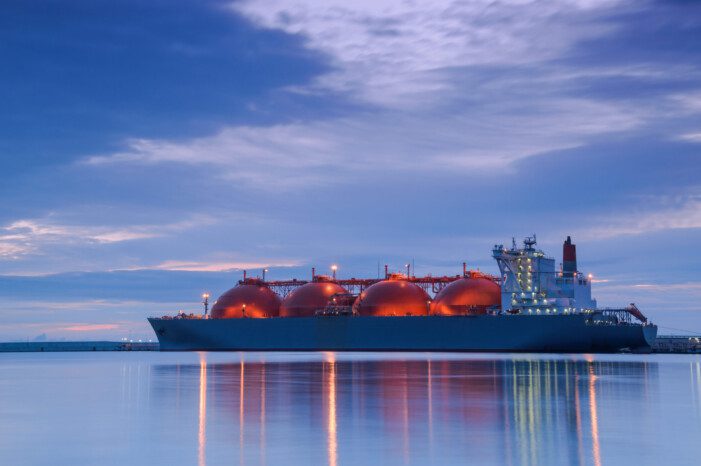
Working with the UK’s first ever multifunctional LNG Terminal
Learn how Gexcon supported safety assessments for the UK’s first multifunctional LNG terminal through advanced modelling and expertise.

DSEAR – How to overcome challenges during COVID
Find out how to stay DSEAR compliant during COVID-19 by managing risks, maintaining inspections, and adapting safety procedures.
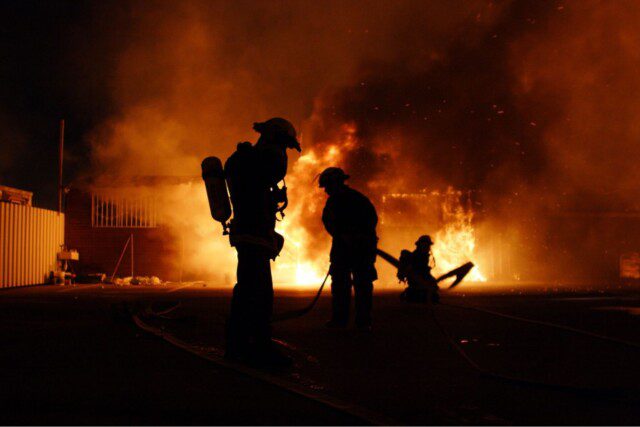
Learnings from the Buncefield oil storage depot explosion: The third key question
Explore key lessons from the Buncefield explosion and why accurate data and is essential for preventing similar incidents.
Dust hazard analysis and prevention, the hierarchy of controls, and practical implementation
Learn the practical steps to assess fire and explosion risks from bulk solids and demonstrate ALARP for regulatory and standard compliance/
Managing DSEAR / ATEX in the project lifecycle of the Food and Drink industry
Learn how early DSEAR / ATEX planning can reduce project costs, avoid delays, and improve compliance in Food & Drink sector projects.
Stay ahead in process safety and risk management
Get the latest trends in the field of process safety management straight to your inbox, and enhance your skills through knowledge sharing from industry experts.
Subsribe to our newsletter