Resources
Read our brochures, case studies, blogs and other resources from the insights of our experts.
Read our brochures, case studies, blogs and other resources from the insights of our experts.
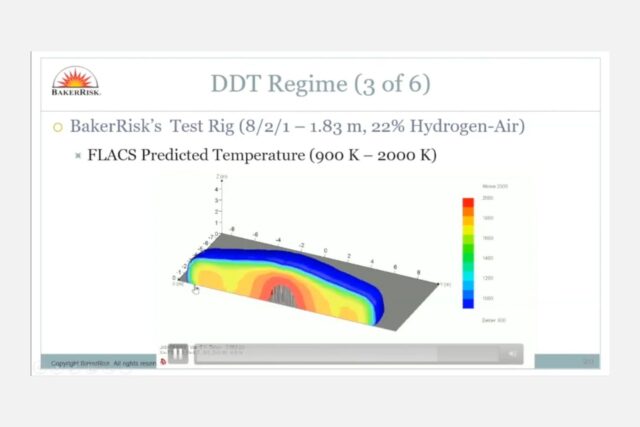
This session looks at how to evaluate the potential for deflagration-to-detonation transition (DDT) in elongated vapour clouds.
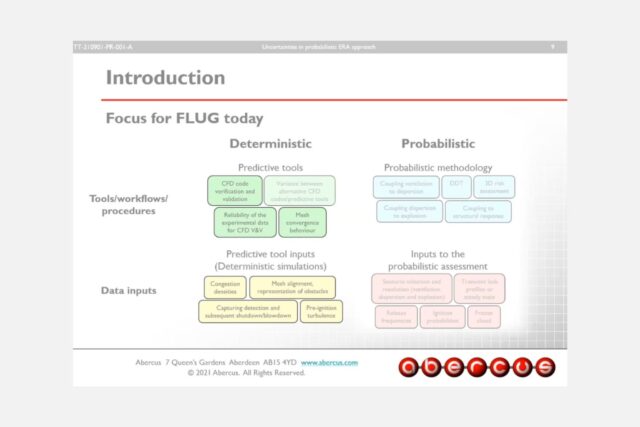
In this presentation, the impact of CFD uncertainties on explosion risk analysis is explored, and ways to improve FLACS modelling for more reliable ERA outcomes are suggested.
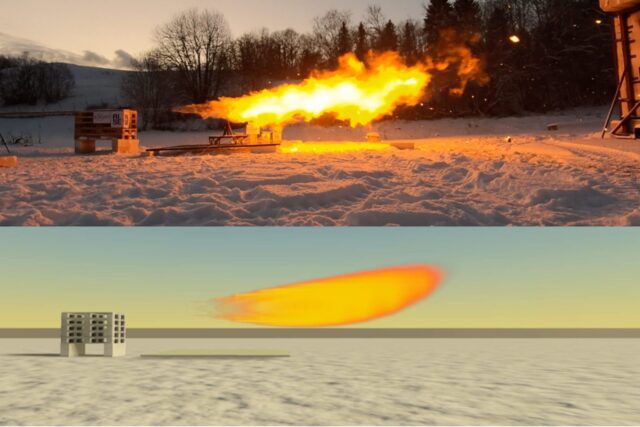
Learn about the recent research activities in Gexcon, including achievements and challenges of selected projects.
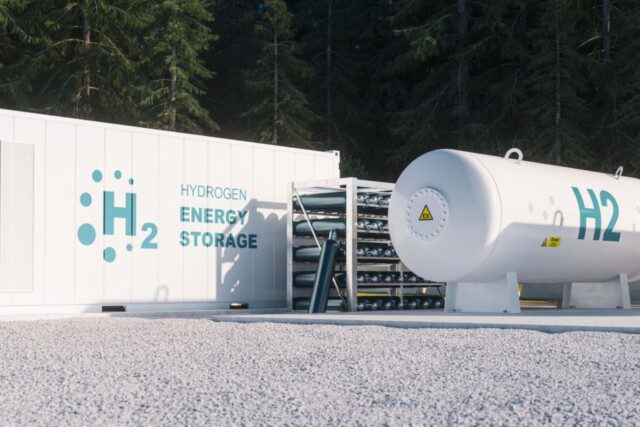
Learn why CFD is important in designing bulk hydrogen storage, helping to predict release behaviour, dispersion, and explosion risks.
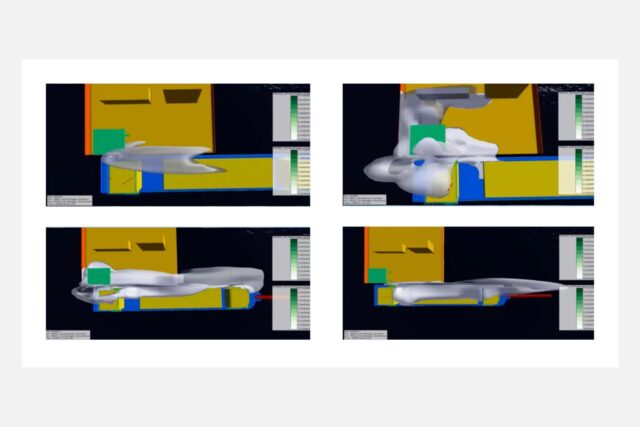
See how CFD enhances hydrogen-powered ship risk analysis by modelling high-risk scenarios and supporting individual risk assessments.
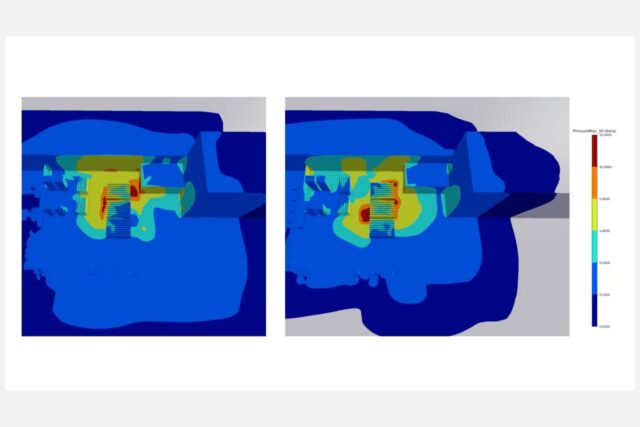
See how CFD can highlight limitations in current hydrogen bulk storage design guidance and help ensure safer, ALARP-compliant decisions.
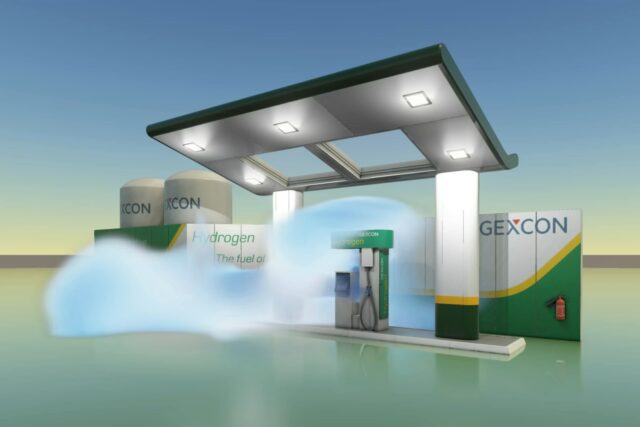
Learn how FLACS is used to model hydrogen and hydrogen-based fuel scenarios, including compressed H2, LH2, ammonia, and methanol, with key challenges explained.
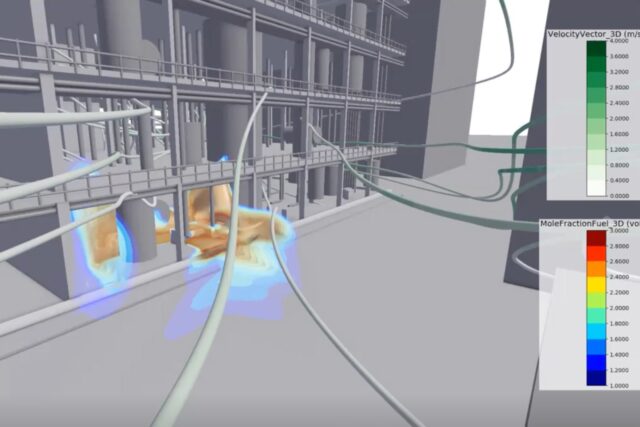
An overview of pool evaporation and vapour cloud explosions modelling in industrial environments using FLACS.
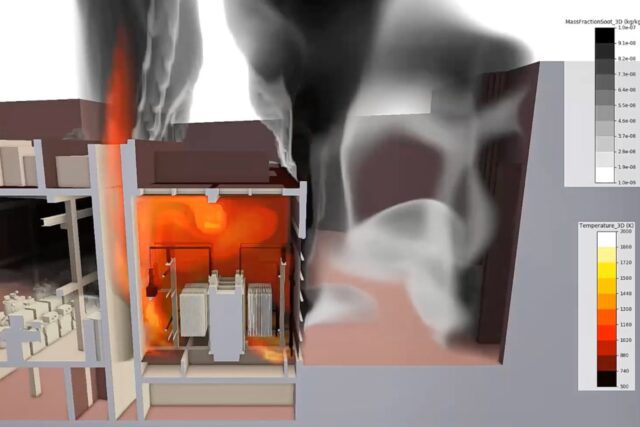
Learn how to run the FLACS-Fire CFD fire modelling tool more effectively and set the right parameters through a real user experience.
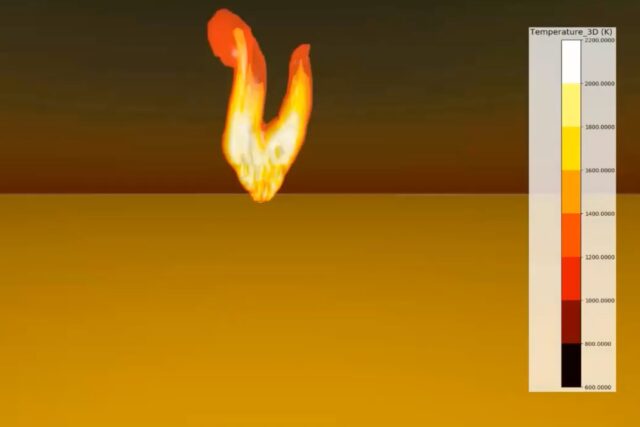
Learn about the recent updates, validation efforts, and what’s ahead for FLACS-Fire, Gexcon’s 3D fire consequence modelling software.
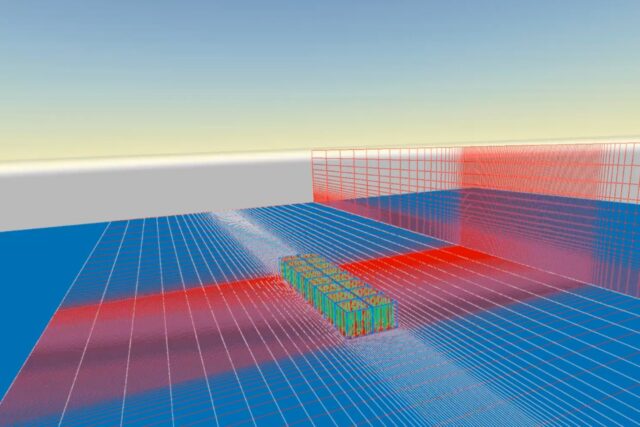
Learn how FLACS is validated and why sensitivity to grid resolution matters in gas explosion modelling.
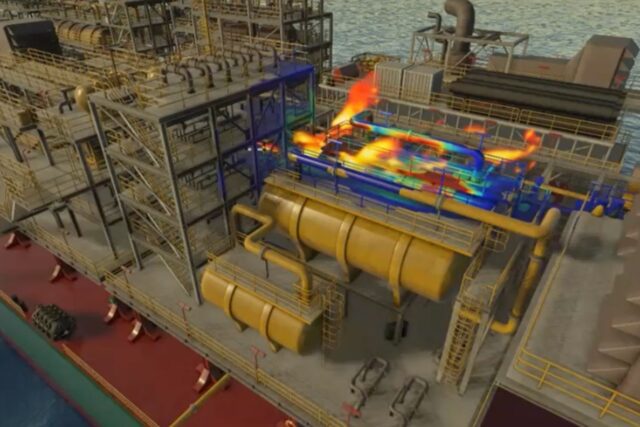
Find out how FLACS is evolving to support mesh geometries and better handle complex CAD models and shorter project timelines.
