Resources
Read our brochures, case studies, blogs and other resources from the insights of our experts.
Read our brochures, case studies, blogs and other resources from the insights of our experts.

Understand the key differences between HAZID and HAZOP to choose the right assessment method for your project.

A practical guide on HAZOP, explaining its role in identifying risks, improving safety and supporting informed process decisions.

See the HAZID process and learn how it helps identify hazards early to improve safety and support better decision-making.
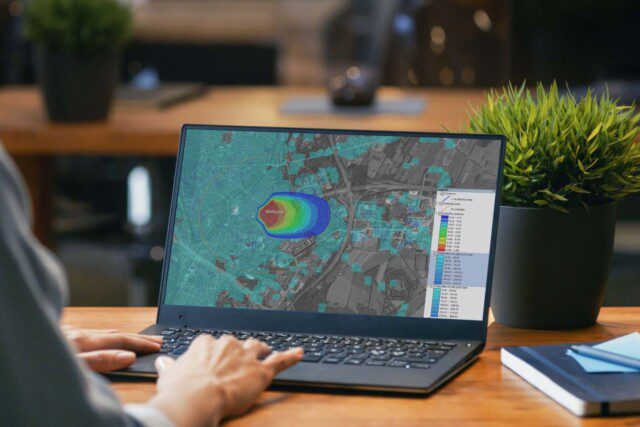
Learn how to carry out a QRA to identify major risks, assess their impact, and support safer decisions in high-hazard industries.
Learn how CFD technology can optimise gas detection layouts to improve safety and achieve cost savings over time
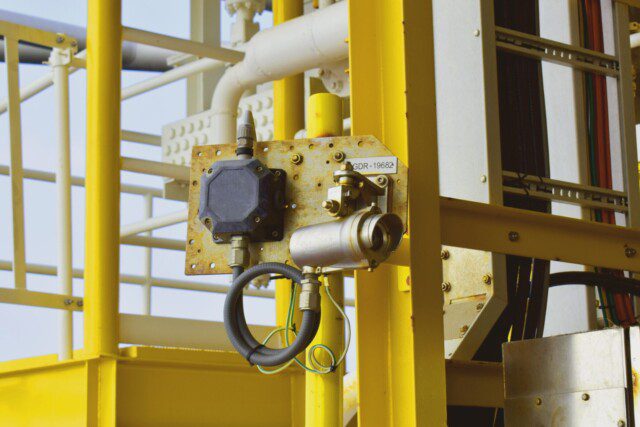
Learn how to assess gas detector performance and model gas dispersion accurately using CFD modelling tools.

See how FLACS CFD tool helps simulate hydrogen hazards in nuclear facilities and support safer design through detailed consequence analysis.

The use of consequence analysis in QRA helps prioritise and complement risk assessments to support more informed safety decisions.

Consequence analysis is a critical aspect of process safety and risk management. Here are 10 crucial considerations to ensure a successful analysis.
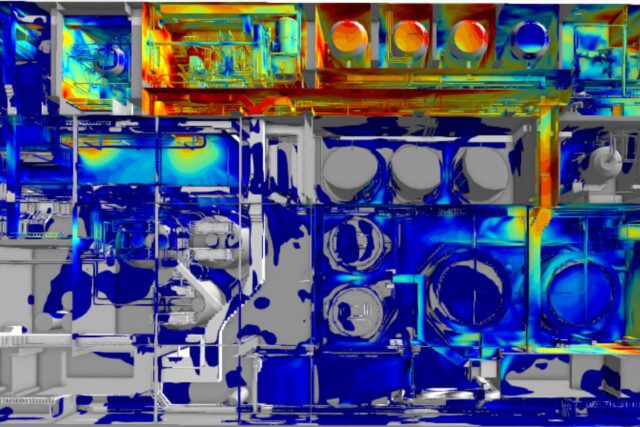
Get practical tips on combining consequence and structural response studies, including how to map blast loads to FEM models.
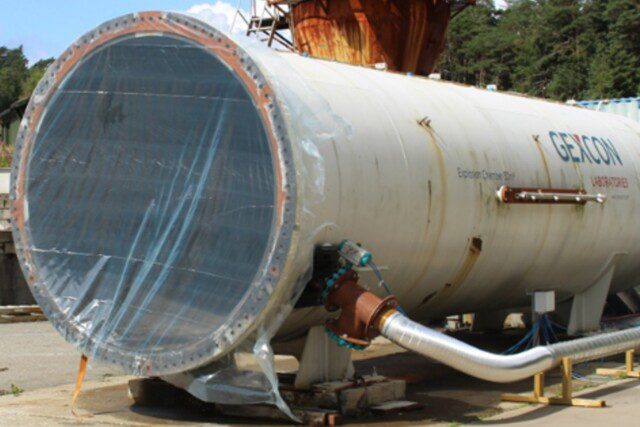
See how hydrogen-nitrogen explosion tests help improve FLACS modelling for hydrogen-rich mixtures and support safer operations in nuclear plants.

In this welcome presentation to the 2023 FLUG Meeting, EDF shares how FLACS-Hydrogen is being applied in their R&D activities.
