Resources
Read our brochures, case studies, blogs and other resources from the insights of our experts.
Read our brochures, case studies, blogs and other resources from the insights of our experts.

Learn what causes dust explosions, why they’re dangerous, and how to reduce the risk in industrial environments.
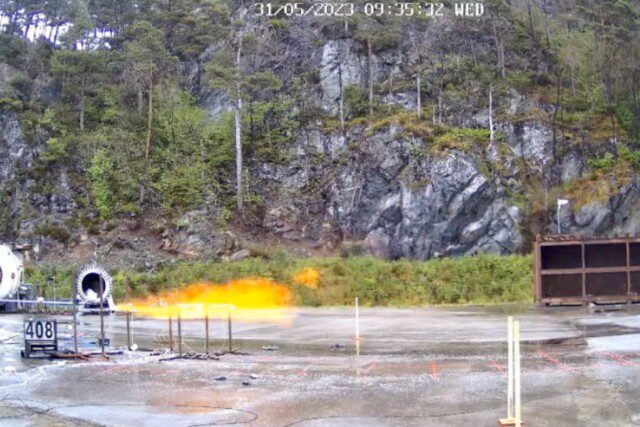
This presentation discusses the comparison between FLACS simulations and medium-scale hydrogen dispersion and explosion tests.

Gexcon is pleased to announce that we will present, sponsor, and exhibit at the 2024 AIChE Spring Meeting and 20th Global Congress on Process Safety (GCPS). The event will be held
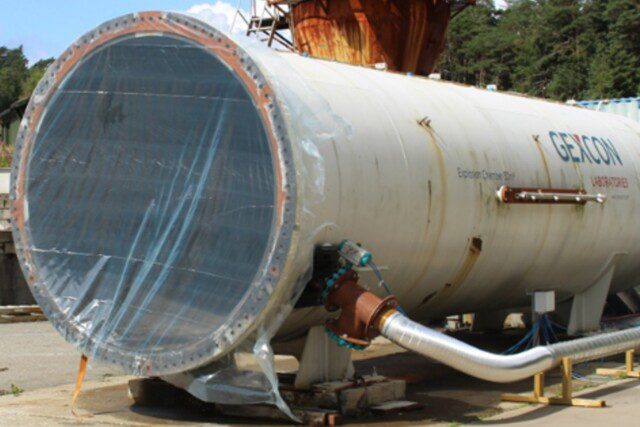
See how hydrogen-nitrogen explosion tests help improve FLACS modelling for hydrogen-rich mixtures and support safer operations in nuclear plants.
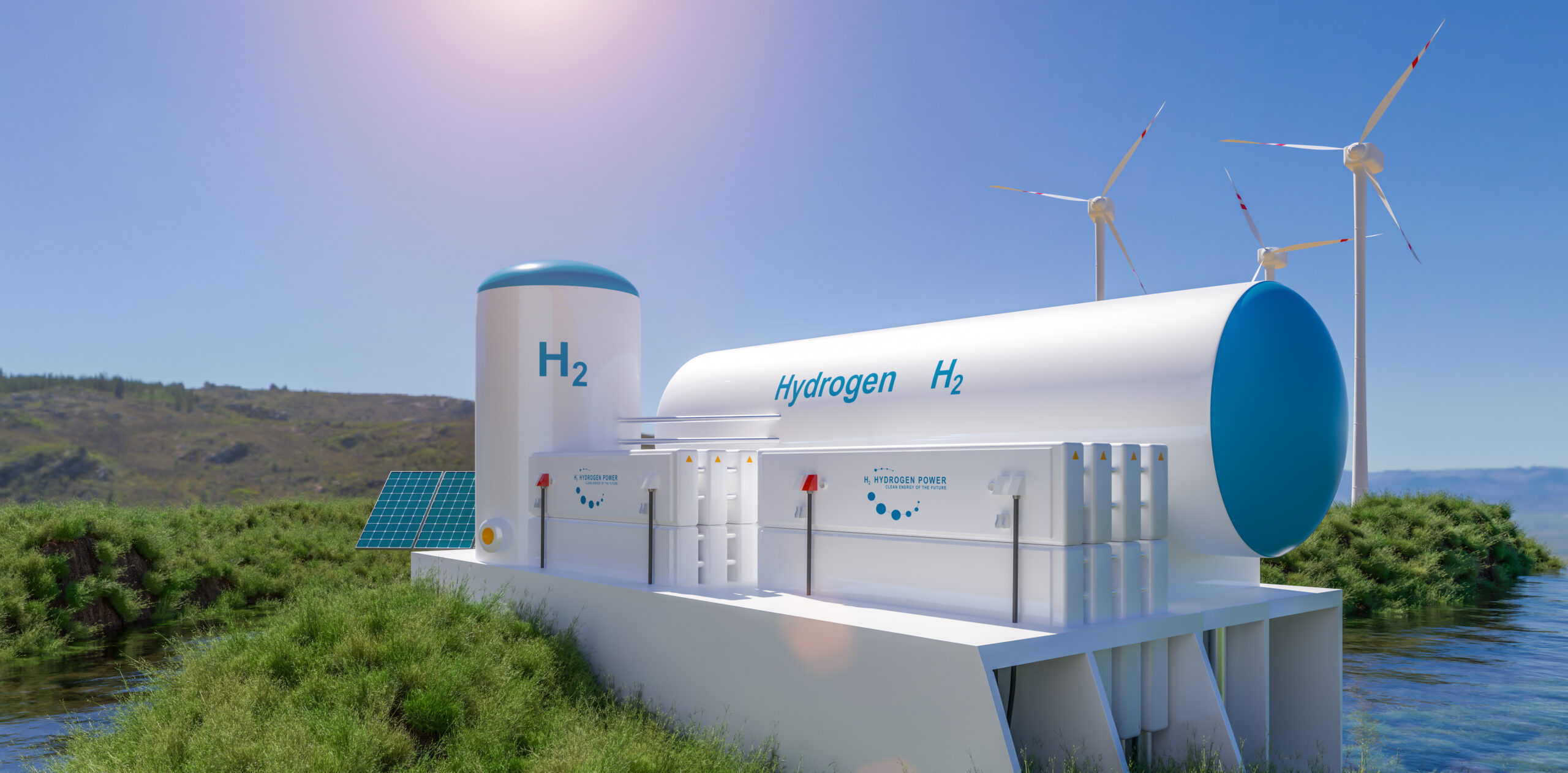
We are pleased to announce that Gexcon will attend this year’s Hydrogen Safety & Hazardous Areas Conference taking place in Brisbane QLD, Australia on the 22nd & 23rd February 2023.
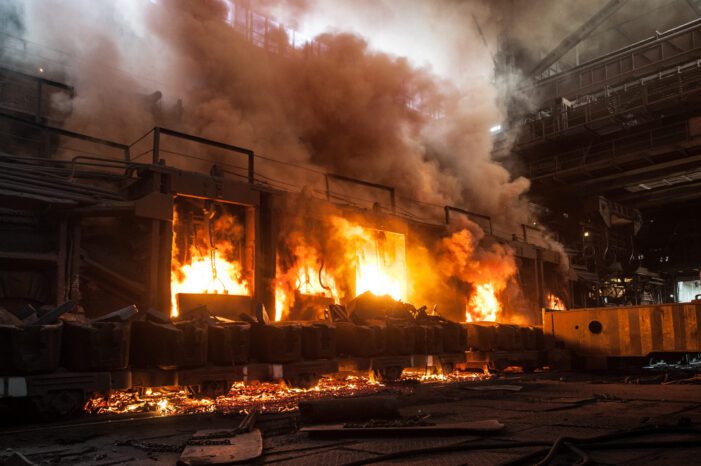
Gexcon is pleased to sponsor this year’s CCPS Latin American Conference on Process Safety, which will be held on October 18-20 at the Prodigy Santos Dumont Hotel, Rio de Janeiro, Brazil.
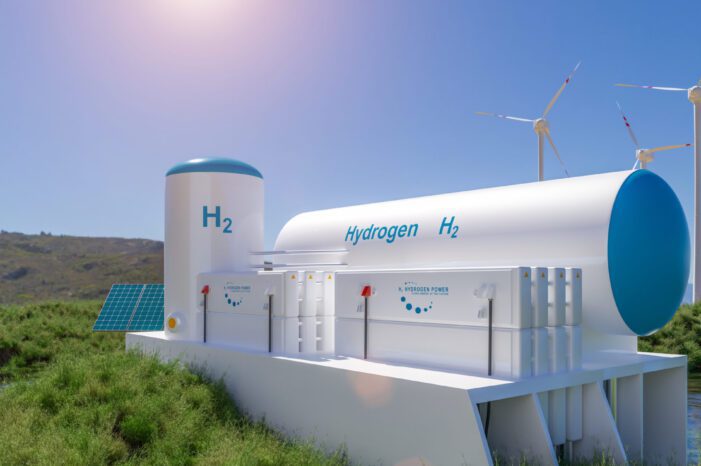
We are pleased to announce that Gexcon will attend this year’s Center for Hydrogen Safety Americas Conference, which takes place from September 20-22, 2022, at the Anaheim Convention Center, Anaheim, California, US.

We are pleased to announce that Gexcon will attend this year’s Hazards Australasia 2022, which takes place from September 25-27, 2022, at Melbourne Convention and Exhibition Centre, Melbourne, Australia.
The SH2IFT project proudly invites you to a final workshop on hydrogen safety, where we will present our experimental and modelling work and study on public acceptance.
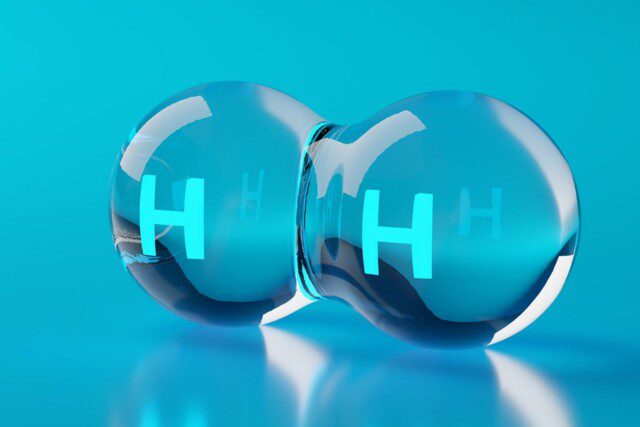
Hydrogen combustion, release behaviour, dispersion, fire and explosion risks—key insights for safe hydrogen use and design.
Gexcon is pleased to announce that we will be presenting and exhibiting at this year’s AIChE Spring Meeting and 18th GCPS.

Explore if the current approach to hazardous area classification needs to change when dealing with high flash point liquids.
