Resources
Read our brochures, case studies, blogs and other resources from the insights of our experts.
Read our brochures, case studies, blogs and other resources from the insights of our experts.
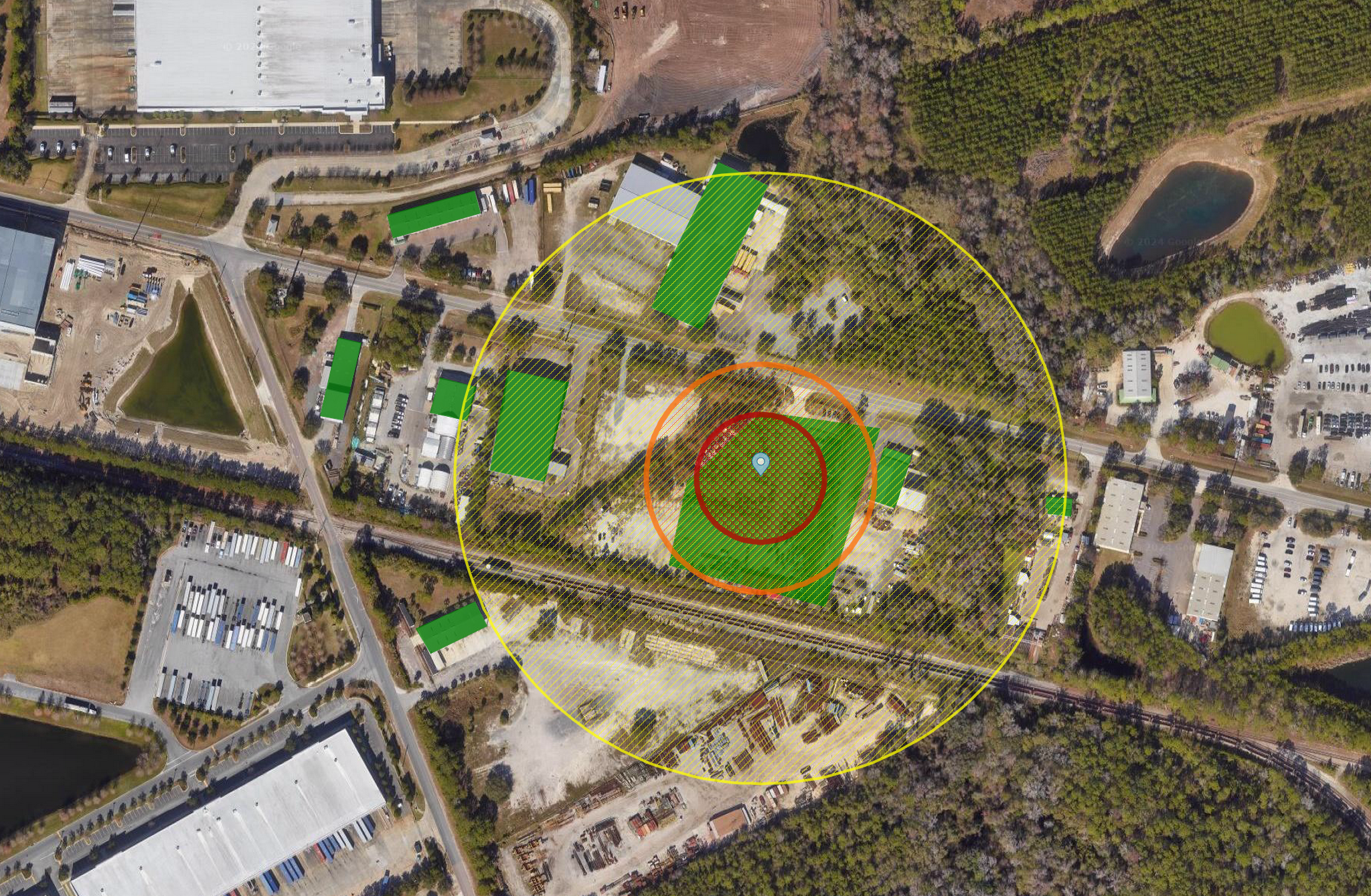
This blog emphasises the vital role of consequence modelling in assessing the impact of a runaway chemical reaction.

Consequence analysis is a critical aspect of process safety and risk management. Here are 10 crucial considerations to ensure a successful analysis.
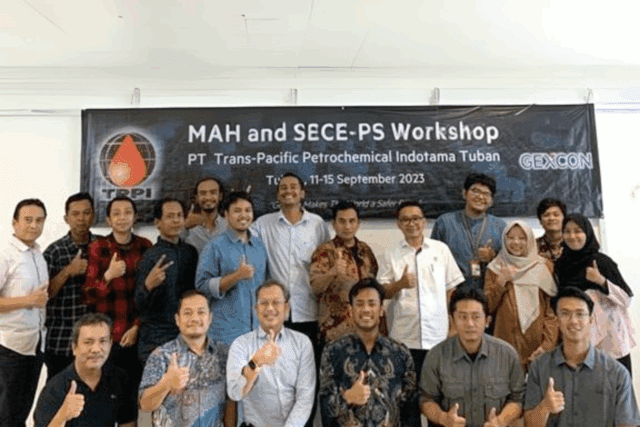
Gexcon Indonesia recently completed Major Accident Hazards and Safety and Environmental Critical Elements – Performance Standards Workshops for TPPI Tuban Petrochemical Complex.
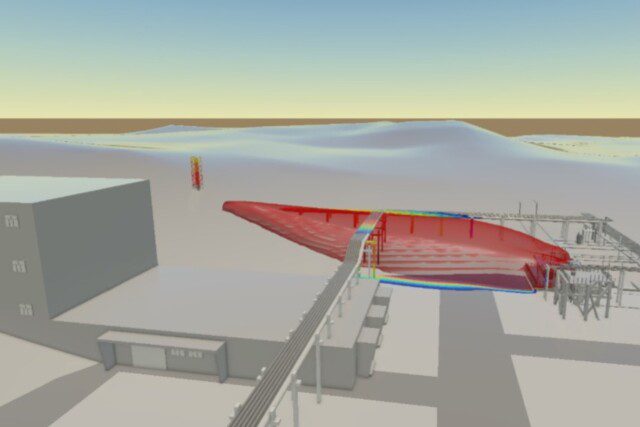
Find out how different modelling approaches assess ammonia release scenarios and support better risk management decisions.
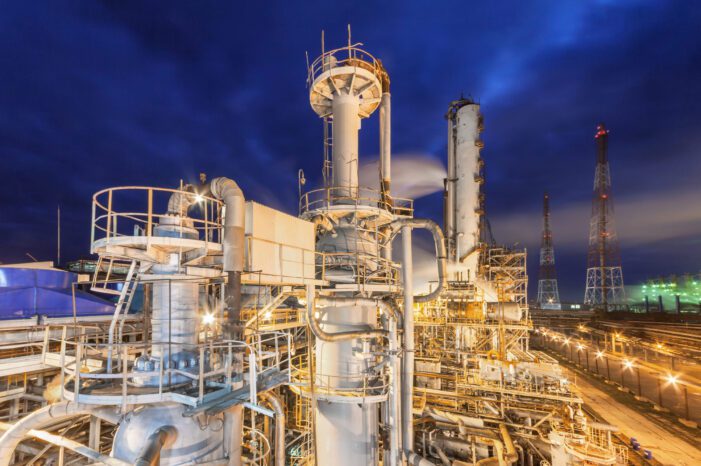
We are pleased to participate in this year’s Safety in Ammonia Plants & Related Facilities Symposium taking place from the 20th to the 24th of August in Munich, Germany.

Join Gexcon and Techever in Cheongju, South Korea, on 15-16 June 2023 for a learning and training session on “How EFFECTS and RISKCURVES can support ensuring a safe energy transition”.

A learning session in Abu Dhabi where you can learn how consequence analysis tool EFFECTS & QRA tool RISKCURVES can support a safe energy transition.
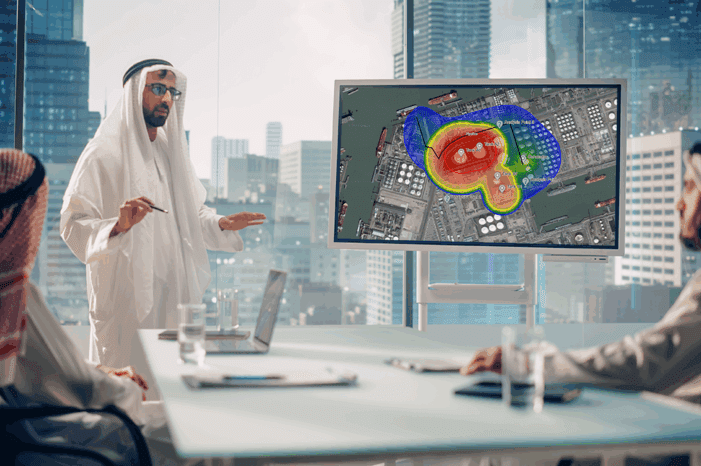
Learn how the consequence analysis tool EFFECTS and Quantitative Risk Assessment (QRA) tool RISKCURVES can support in ensuring a safe energy transition and chemical processes.

Gexcon is pleased to announce that we will present, sponsor, and exhibit at the 2023 AIChE Spring Meeting and 19th Global Congress on Process Safety (GCPS).

We are pleased to announce that Gexcon UK will present and exhibit at the IFSM (Institute Fire Safety Management) technical meeting taking place on Wednesday 8th February 2023, in London. Principal Engineer &
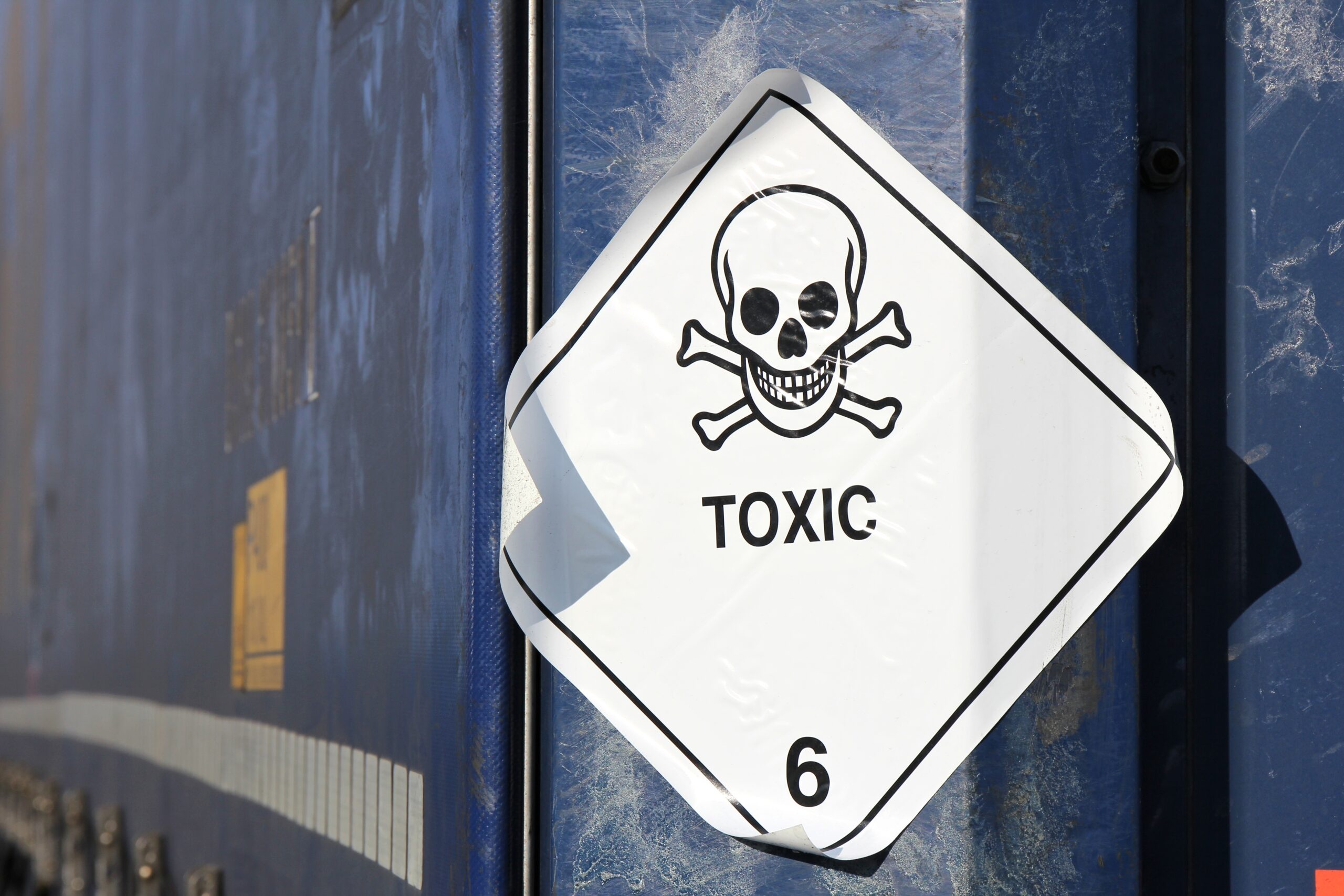
Find out how to model the consequences of atmospheric dispersion for an accidental toxic release with EFFECTS consequence modelling software.
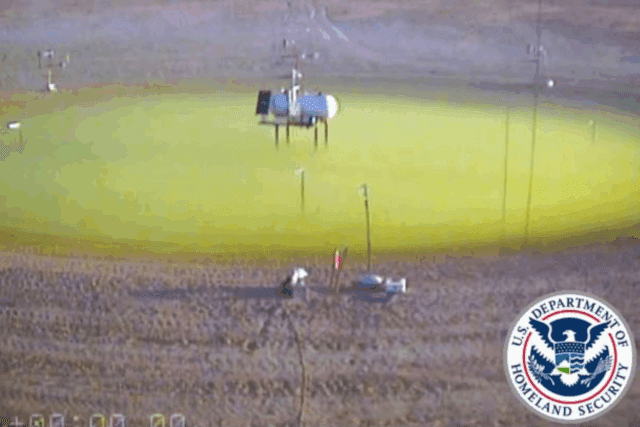
See how large-scale trials in the Jack Rabbit III project can help improve ammonia dispersion modelling for better safety assessments.
