Resources
Read our brochures, case studies, blogs and other resources from the insights of our experts.
Read our brochures, case studies, blogs and other resources from the insights of our experts.
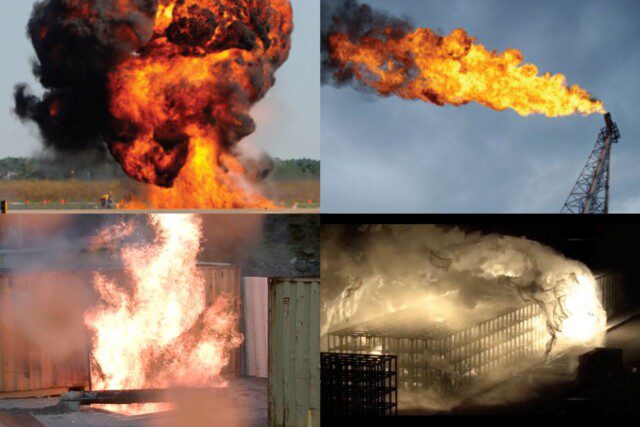
Learn what to expect when a hazardous substance leaks and how to assess the potential fire, explosion, and toxic exposure risks.
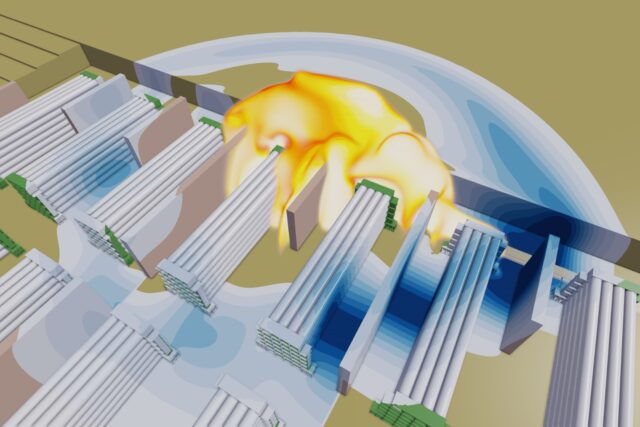
Gexcon participates in SPE’s webinar on CFD Modelling for Process Safety and Environmental Risk Assessment with a presentation titled “An innovative and efficient CFD method to solve hydrogen combustion challenges in the energy industry.”

Gexcon UK’s Energy Transition Technical Lead, Dr Karina Almeida Leñero will be presenting at FABIG Technical Meeting taking place this Thursday 7th October 2021.
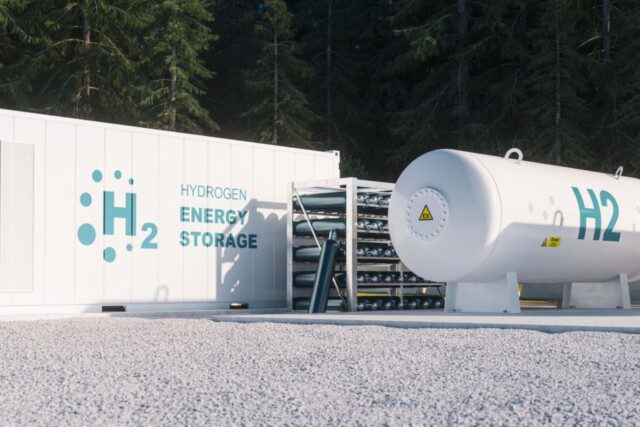
Learn why CFD is important in designing bulk hydrogen storage, helping to predict release behaviour, dispersion, and explosion risks.
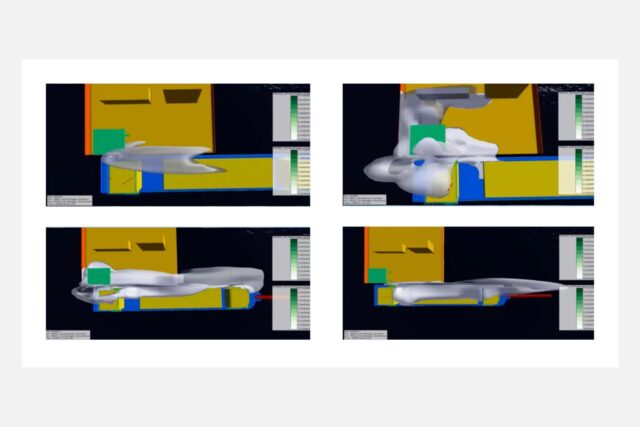
See how CFD enhances hydrogen-powered ship risk analysis by modelling high-risk scenarios and supporting individual risk assessments.
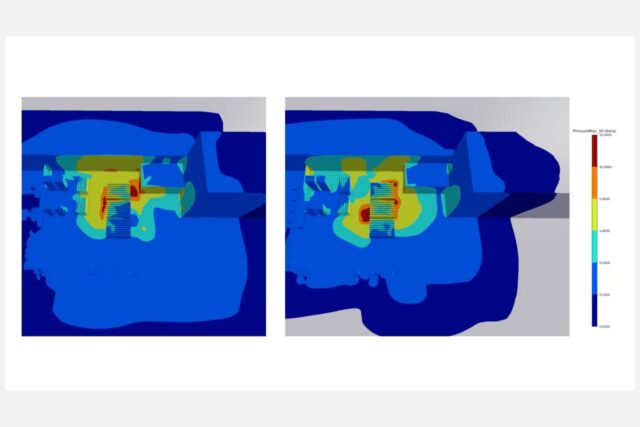
See how CFD can highlight limitations in current hydrogen bulk storage design guidance and help ensure safer, ALARP-compliant decisions.

Learn how FLACS is used to model hydrogen and hydrogen-based fuel scenarios, including compressed H2, LH2, ammonia, and methanol, with key challenges explained.
We are pleased to announce that we will be presenting at this year’s Hazards31 which will be held virtually on 16-18 November 2021.

Get an introduction to HAZID: what it is, when to use it, and how it helps identify hazards early in process safety and risk management.
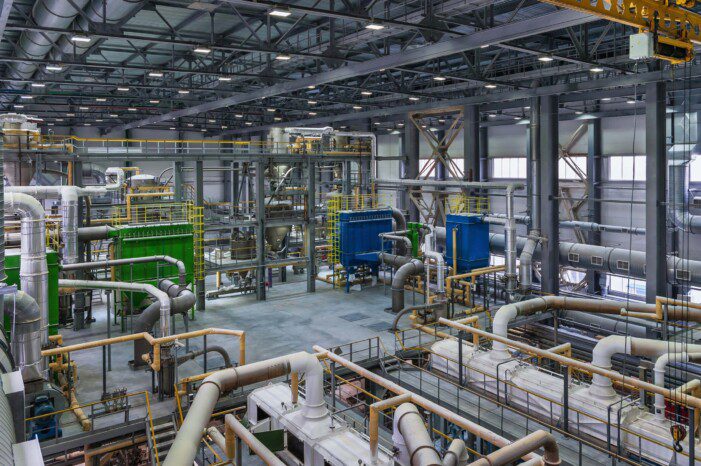
Learn the basics of ATEX Directives, their role in managing explosive atmospheres, and what they mean for equipment and workplace safety.
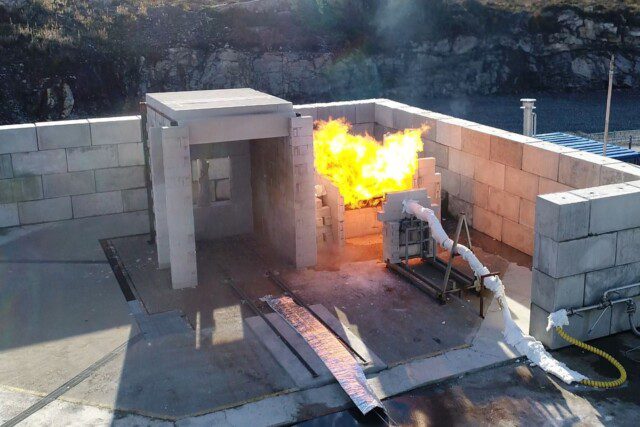
Understand the role of passive fire protection in reducing fire impact, protecting assets, and supporting safe facility design.

Comprende mejor las explosiones de gas y cómo reducir sus consecuencias con medidas de ingeniería
