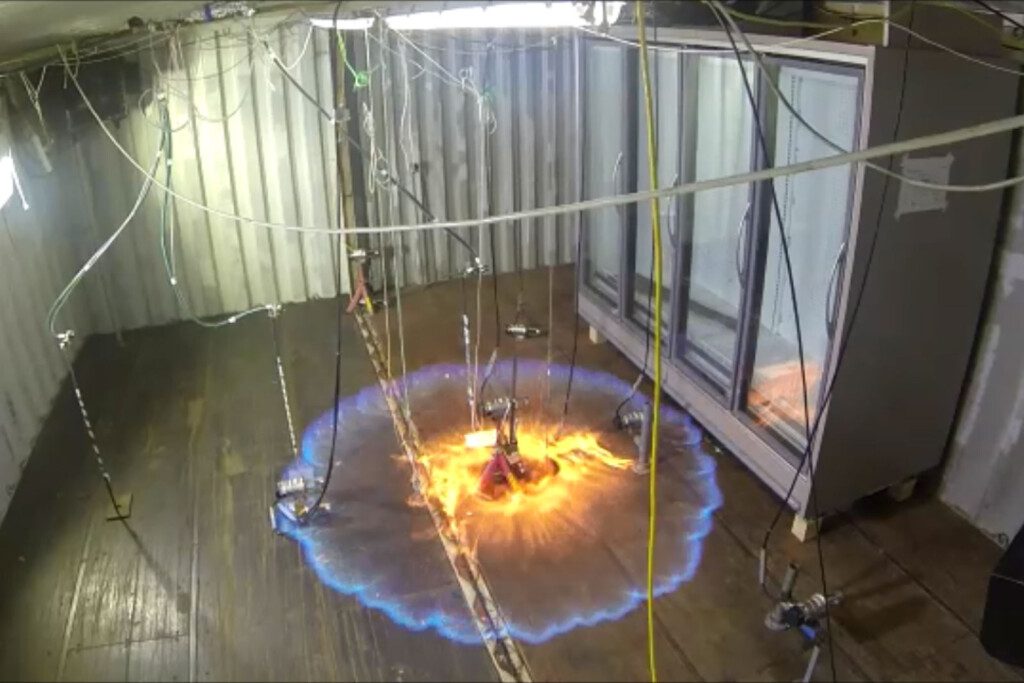
Gexcon successfully completed an NFPA-funded project evaluating the fire hazards of ASHRAE Class A3 refrigerants in commercial refrigeration applications.
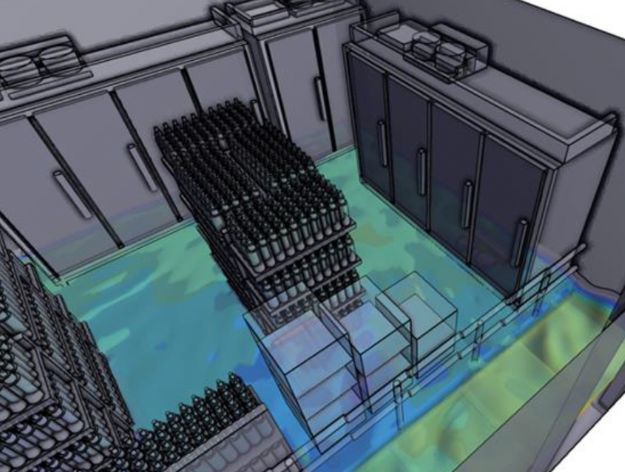
Project Summary
Due to the potential environmental impact, there has been a shift to consider the use of natural refrigerants, which have a lower Global Warming Potential (GWP) than traditional fluorocarbon-based refrigerants.
One type of natural refrigerant are hydrocarbons (e.g. propane), which are classified as Class A3 refrigerants per ASHRAE Standard 34. The Environmental Protection Agency (EPA) has a charge limit of 150g of hydrocarbon per appliance, which is defined as a closed-loop refrigeration circuit.
Previous work has been completed on Class A2L refrigerants, but Class A3 refrigerants need more study to provide a technical basis for any changes to the current limits for use in refrigerator units.
There is a need to assess the fire hazard of Class A3 refrigerants, and specifically propane, in larger volumes to evaluate their viability as alternatives to traditional refrigerants in more applications.
Project Objectives
The specific objectives of this project were to:
- Assess the flammability risk versus charge size
- Develop recommendations on how to prevent or mitigate the risks when using R-290 in commercial retail and kitchen applications
Our Role
Gexcon played a key role in the NFPA-funded project by evaluating the fire hazards of R-290 refrigerants in commercial refrigeration applications.
The work included identifying flammability risks, influencing parameters, understanding environmental factors like geometries and ignition sources, identifying research gaps, and conducting experiments to confirm key factors, quantify severity, and validate CFD models. Gexcon also performed quantitative risk assessments, including failure mode analysis, leak frequencies, and ignition probabilities.
Based on these findings, Gexcon provided safety recommendations to improve the use of R-290 in refrigeration systems.
Research Team Members (Gexcon)
- Scott G. Davis, Ph.D., P.E., CFEI
- John Pagliaro, Ph.D., P.E., CFEI
- Derek Engel, P.E., CFEI
- Drew Botwinick
- Kees van Wingerden
- Matthijs van Wingerden
- Morten Holme
Principal Sponsors
- AHT
- Bitzer
- Carter
- Delhaize
- Emerson
- Heatcraft
- Hillphoenix
- Hussmann
- Target
Participating Sponsors
- Chemours
- Energy Squared Consulting Engineers
- CTA Architects Engineers
Report
Evaluation of the Fire Hazard of ASHRAE Class A3 Refrigerants in Commercial Refrigeration Applications

Would you like to learn more?
Visit the project page or contact us to learn more.
Other Projects
CO2PipeHaz
Quantitative Failure Consequence Hazard Assessment for Next Generation CO₂ Pipelines.
HySEA
Pre-normative research on vented deflagrations in enclosures and containers for hydrogen energy applications.

Large-scale DDT Testing – RPSEA Project Award
The project’s objective is to identify the triggers for deflagration-to-detonation transition (DDT), explore mitigation strategies, and improve the accuracy of predictive tools for enhanced safety.
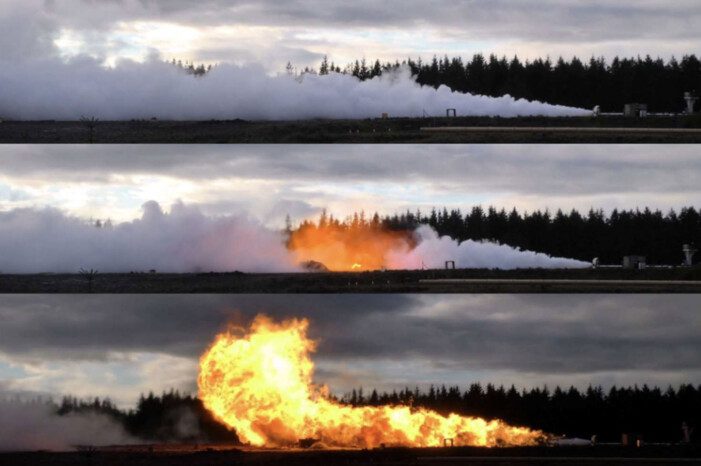
AIRRE (Assessing the influence of real releases on explosions)
The project aims to improve understanding of the effect realistic releases and turbulent flow conditions have on the consequences of accidental gas explosions in the petroleum industry.
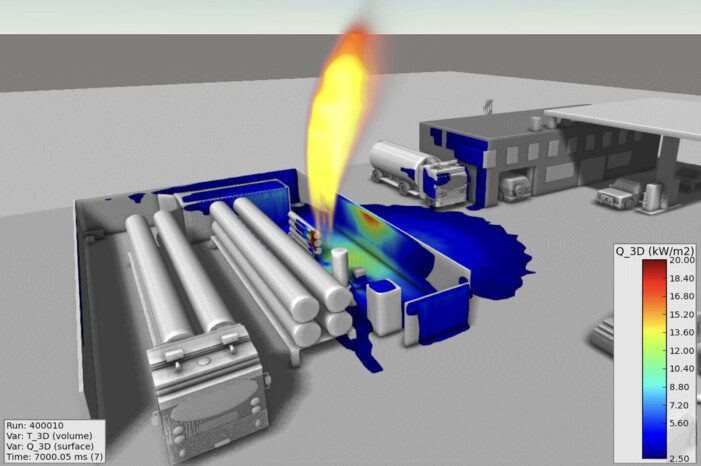
Hy3DRM (3D Risk Management for hydrogen installations)
The project set out to develop the 3DRM concept for hydrogen installations, including a prototype of a hypothetical hydrogen filling station.
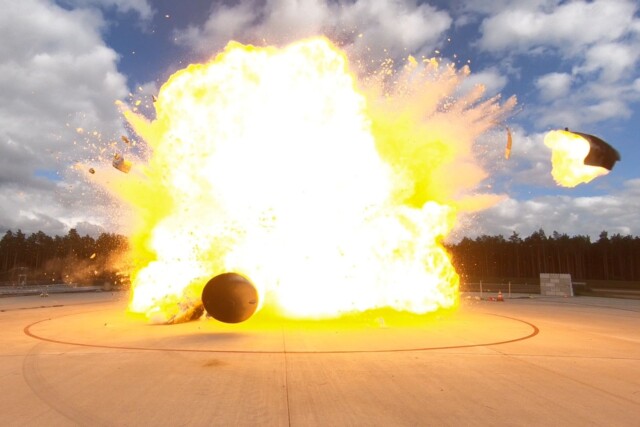
SH2IFT
The SH2IFT (safe hydrogen fuel handling and use for efficient implementation) project focuses on on consequences of handling and use of large volumes of hydrogen within closed and semi-closed environments and in maritime transport.
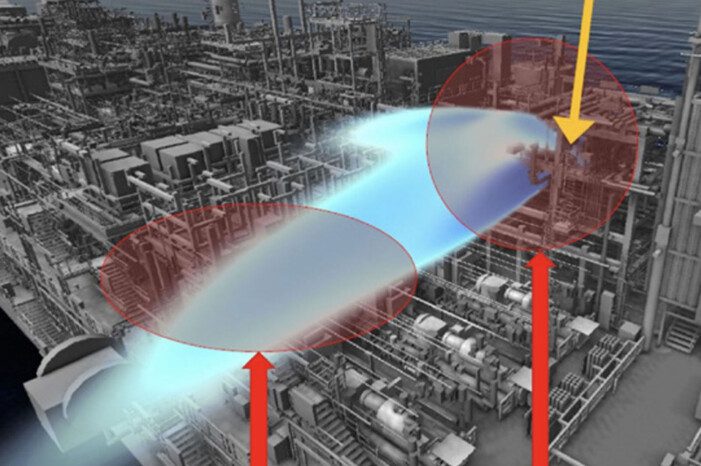
Gas Detector Layout Optimisation – Fortissimo
Optimising gas detector layouts in hazardous manufacturing and production plants with FLACS.

Hellesylt Hydrogen Hub – Pilot-E
The project aimed to develop a hydrogen production facility for ferries, cruise ships, and other mobility applications.

Liquid hydrogen supply chain in Norway for maritime applications – Pilot-E
A project to develop Norway’s national hydrogen infrastructure, securing reliable LH2 supply for decarbonising maritime transport.
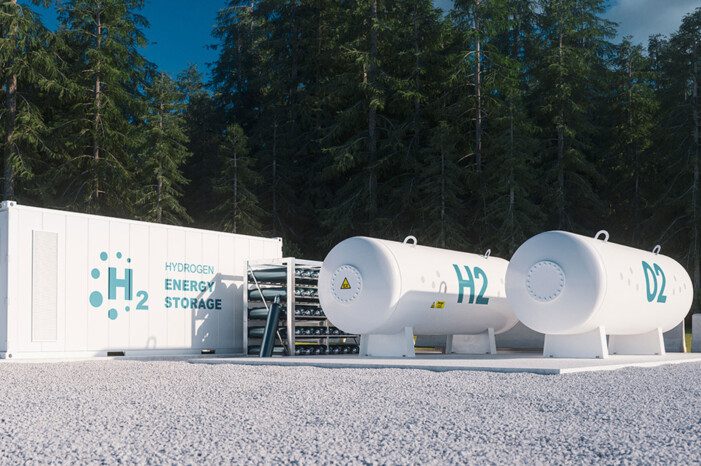
SAFEN
SAFEN aims to establish the knowledge required to develop risk-based methodologies enabling cost-efficient safety design for hydrogen, ammonia, and CO2 facilities.
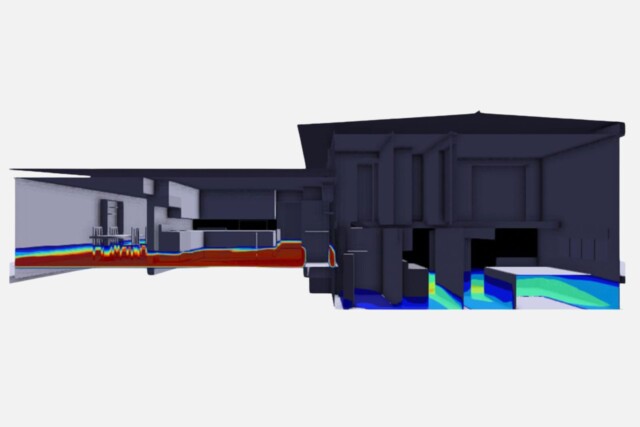
Combustible Gas Dispersion in Residential Occupancies and Detector Location Analysis
Gexcon has been involved in an NFPA research project supporting the development of NFPA 715.

SH2IFT-2
The second part of the SH2IFT (safe hydrogen fuel handling and use for efficient implementation) project explores a risk-based approach for operational safety.
