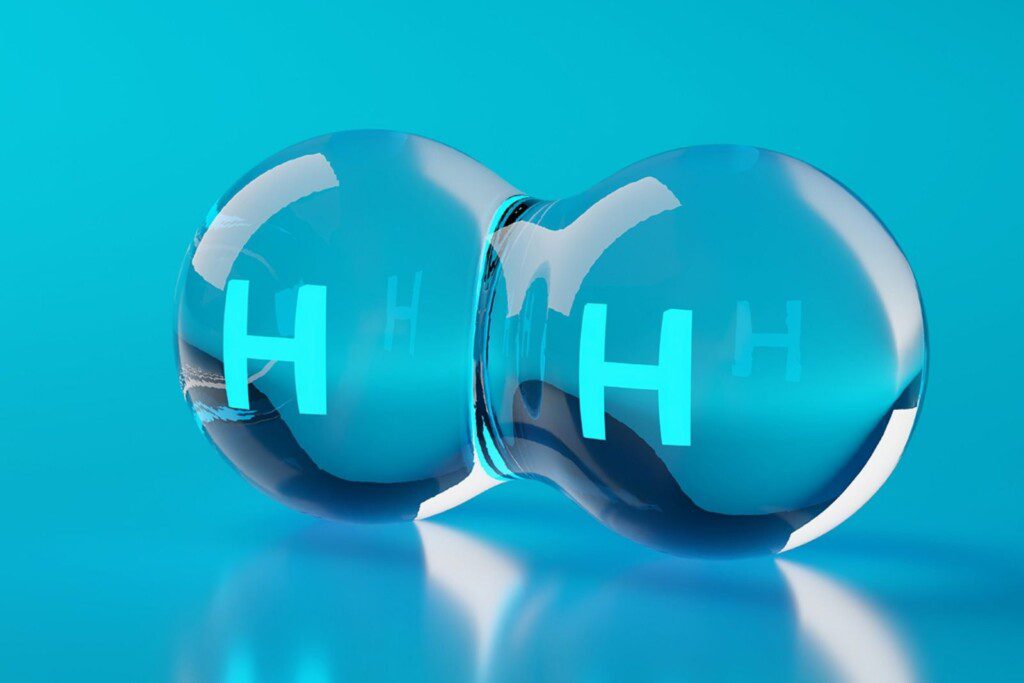
For the past 40 years, hydrogen has been mostly used as rocket fuel, in oil refineries and in fertilizers. However, the interest in hydrogen as a clean fuel and energy carrier of the future has grown in many countries and initiated comprehensive research and development activities with the main objective of the transition from a fossil towards a CO2 emission lean energy source as the ultimate goal.
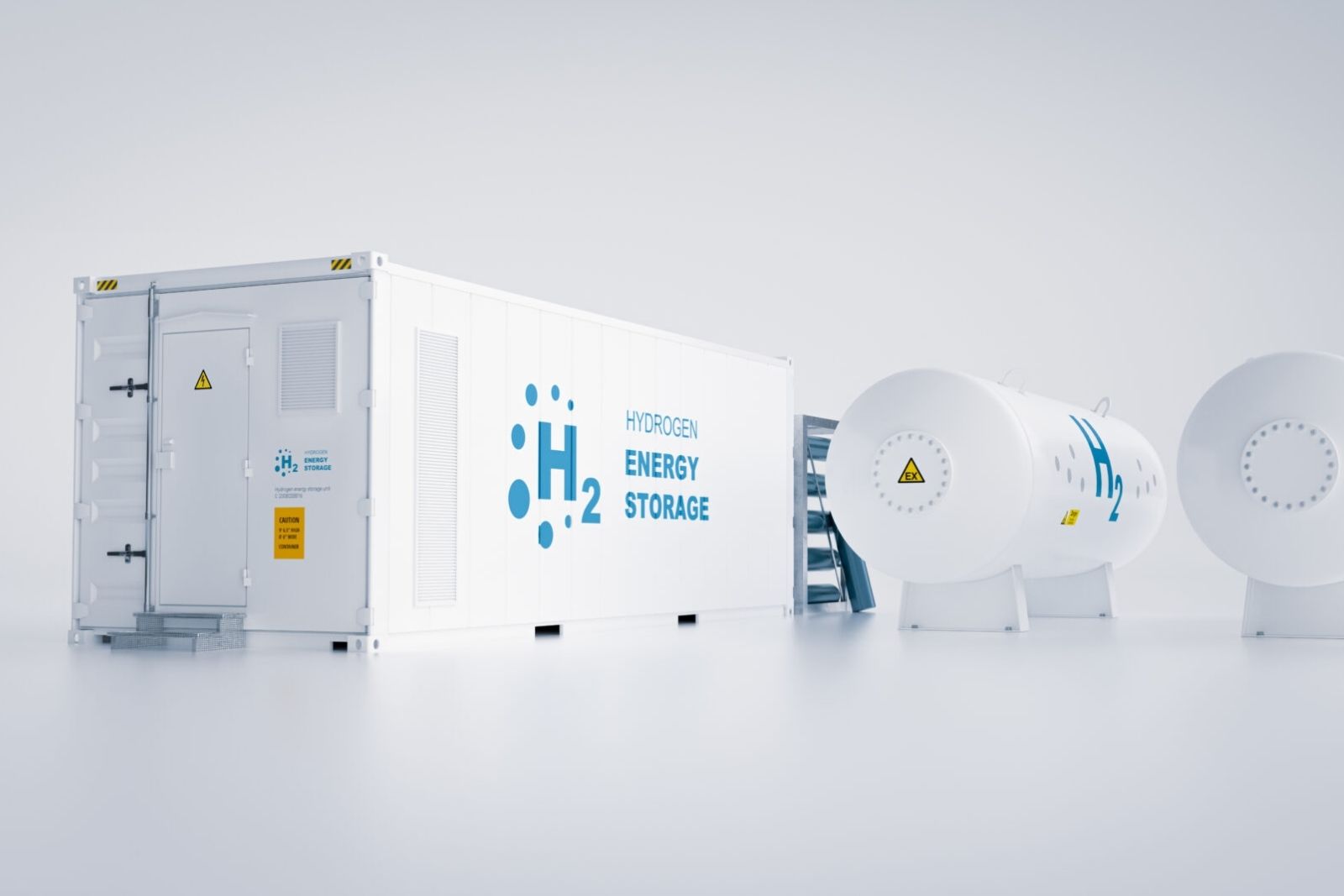
Given its high energy content and clean energy source to the end-user, hydrogen has become an acceptable fuel for many energy applications and systems. Hydrogen can be stored and transported as a compressed gas, however, due to its comparatively small energy content per unit volume as a gas, it is necessary to liquefy the hydrogen. Similar to LNG, large amounts of hydrogen can be stored and transported as a liquid.
Given the complex conditions in which hydrogen can be used and stored, it is important to understand all the possible nuisances of this fuel in order to define basic safety specifications and avoid possible pitfalls. This is especially true given the very high reactivity of hydrogen, its extensive flammability range, extremely low ignition energy, and its ease of transitioning to detonations when compared to other hydrocarbons.
Understanding important combustion phenomena, including fires and explosions, is critical to ensure the safe use of hydrogen no matter if it is used as a compressed gas or cryogenic liquid.
During the 2022 Spring Meeting and 18th Global Congress on Process Safety, Gexcon US CEO & Principal Engineer Scott G. Davis, PhD, P.E., CFEI presents a paper entitled “Improving Our Understanding of Hydrogen through Testing and Advanced Modeling to Avoid Possible Pitfalls and Ensure Its Safe Use”.
Dr Davis identifies the critical combustion parameters associated with hydrogen and discuss its unique properties when it comes to evaluating unintentional releases of the substance. He also discusses the latest research into the releases of both gaseous and liquid hydrogen, the resulting vapour formation and dispersion of hydrogen both indoors and outdoors, jets fires associated with releases of gaseous and liquefied hydrogen, and explosion hazards. The focus is to ensure that hydrogen is used safely and that certain pitfalls associated with its use are avoided due to the unique properties of the fuel.
Presentation detail
Title: Improving Our Understanding of Hydrogen through Testing and Advanced Modeling to Avoid Possible Pitfalls and Ensure Its Safe Use
Authors: Scott G. Davis, Tom DeBold, John Pagliaro, Derek Engel, Saurav Mitra
Session: Alternative Energy Infrastructure Safety
Presenter: Scott G. Davis
Date & Time: Wednesday, April 13, 2022 – 11:15 – 11:45 AM CDT
Would you like to learn more about this presentation?
To access our paper, please visit AIChE’s website, or contact us to learn more.
Authors

Scott G. Davis, Ph.D., P.E., CFEI
US CEO – Principal Engineer at Gexcon

Tom DeBold, P.E., IAAI-CFI, CFEI
Managing Forensic Engineer at Gexcon

John Pagliaro, Ph.D., P.E., CFEI
Senior Managing Engineer at Gexcon

Derek M. Engel, M.S., P.E., CFEI
Managing Engineer @ Gexcon US

Saurav Mitra
Related insights
Browse additional insights to deepen your understanding and stay informed on related topics.

Liquid hydrogen safety considerations
Essential safety considerations for liquid hydrogen: key hazards, risk controls and best practices for safe handling and storage.
Lessons learnt from hydrogen incidents
Real-world hydrogen incident cases, their key lessons and practical safety improvements for safer hydrogen use.
Hydrogen storage safety in urban settings: Analysing Societal Risk using RISKCURVES
This article primarily focuses on calculating Societal Risk, a crucial metric for evaluating risk acceptability, particularly relevant for the risk assessment of densely populated areas.
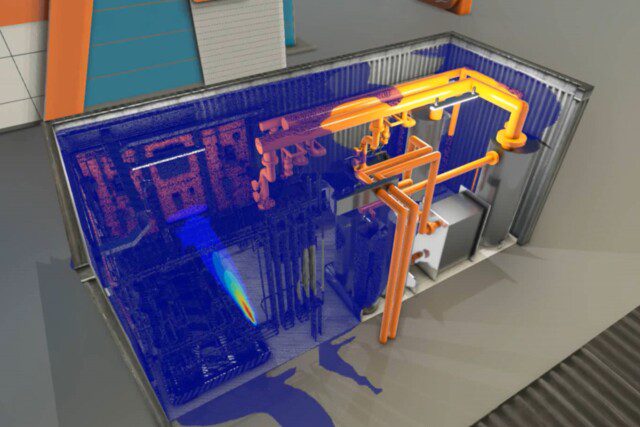

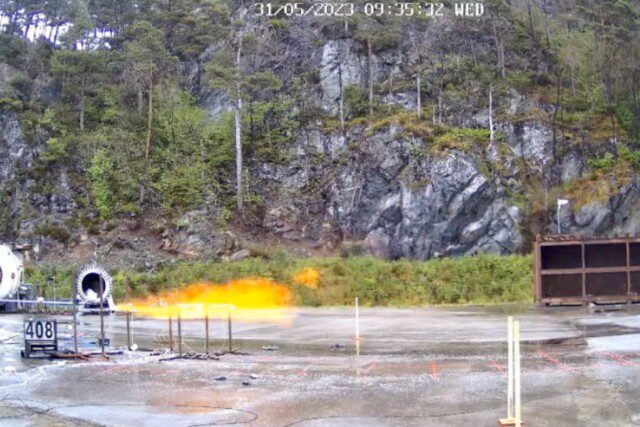
Comparison of FLACS simulations with SOTRA tests
This presentation discusses the comparison between FLACS simulations and medium-scale hydrogen dispersion and explosion tests.
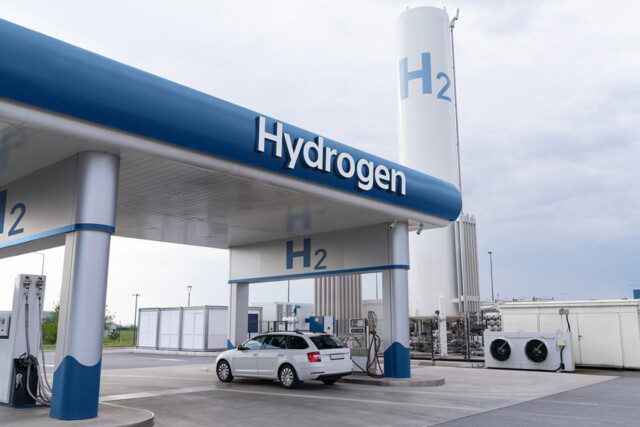
Risk analysis for hydrogen refuelling stations
Learn how to analyse potential risk scenarios at hydrogen refuelling stations using RISKCURVES QRA software to streamline your projects.

Risk assessment of hydrogen in nuclear facilities
See how FLACS CFD tool helps simulate hydrogen hazards in nuclear facilities and support safer design through detailed consequence analysis.
Stay ahead in process safety and risk management
Get the latest trends in the field of process safety management straight to your inbox, and enhance your skills through knowledge sharing from industry experts.
Subsribe to our newsletter