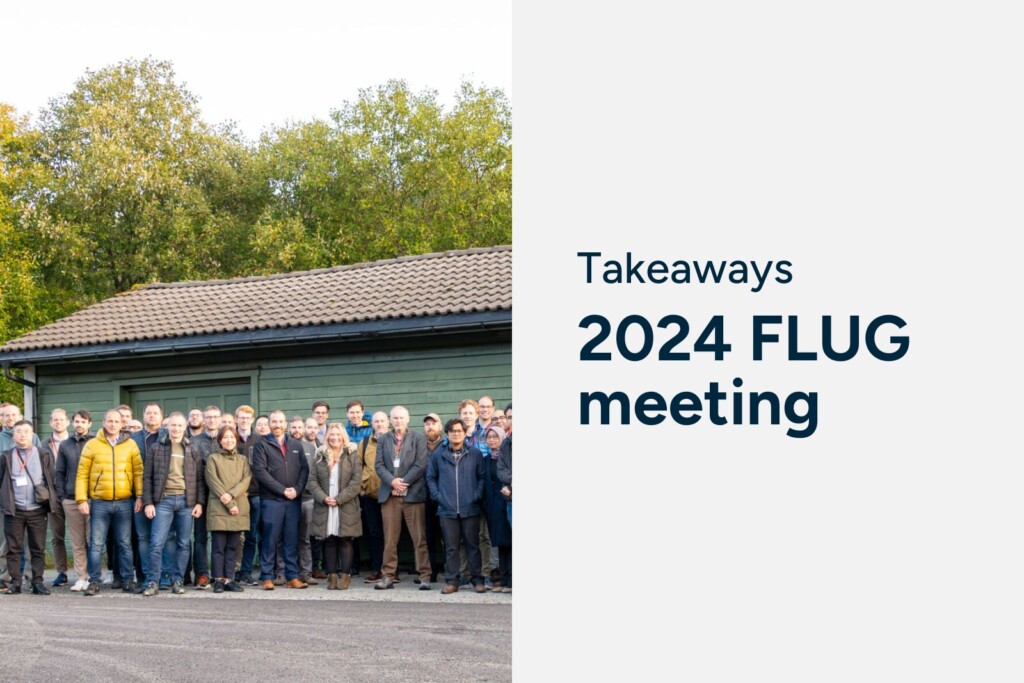
FLUG Norway 2024 brought together industry professionals from across the globe, reflecting the widespread interest in the FLACS CFD consequence modelling tool and its role in ensuring safety in high-hazard industries.
As VP of Products at Gexcon, I wanted to share some of my personal highlights and reflections from this year’s event, which was packed with engaging discussions, practical knowledge, and exciting new technologies.
See FLUG 2024 presentations
Browse the list of FLACS User Group presentations. Click a title to visit its page, then fill in the form to watch the recording.
See presentation listKey themes and learnings
A few common themes stood out during the event, covering different aspects of safety modelling, computational efficiency, and how we can better integrate our tools.
Internal presentations: Enhancing FLACS capabilities and integration
Our internal presentations focused on how we are extending the capabilities of FLACS, whether by adding new features or improving integration with other tools.
We also shared some “hidden gems” and advanced features in FLACS that can make a big difference in everyday workflows. These features might not always be obvious, but they can save a lot of time and improve the accuracy of simulations if you know where to look.
One of the exciting new features we talked about was water deluge modelling, which is coming soon. This addition will let us model water deluge systems with greater accuracy, including details like spray shapes, distribution, and verification cases.
We wrapped up by discussing our roadmap for FLACS, which includes some upcoming features and integrations. Our goal is to keep making FLACS more powerful, versatile, and user-friendly so that it continues to lead in safety for high-hazard industries.


User presentations: Expanding simulation applications and collaboration
1. Expanding simulation applications
We saw how EFFECTS, and third-party models, can be integrated with FLACS for modelling subsea releases of CO2. This approach is critical to understanding the risks where subsea pipelines are close to shore as there is a risk of exposing third parties in the event of a loss of containment (LOC).
We also saw examples of how FLACS simulations are being coupled with other tools like FEM for specific projects, such as LNG carrier assessments. This kind of multidisciplinary approach is becoming more important as we deal with more complex environments.
2. Improving computational efficiency
Another significant theme was improving computational efficiency. The talks on surrogate modelling and neural networks were great examples of this. They showed how advanced computational techniques can help us do broader risk studies without sacrificing accuracy. The discussions around using neural networks and surrogate models addressed a key industry challenge — how to reduce the time needed for large-scale consequence assessments while retaining accuracy. These approaches aim to enable more comprehensive risk studies, making detailed analysis more feasible within shorter timeframes.
3. Collaboration and real-world data
Validation with real-world data was another big theme. The comparison of FLACS results with experimental tests underlined how important it is to have experimental data to validate and refine our simulation tools. This kind of validation helps ensure our tools stay accurate and reliable.
Collaboration played a crucial role in this process. Many of the validation efforts presented by our users and our test site, involved partnerships between Gexcon, industry stakeholders, and research institutions. This collaborative spirit allows us to pool expertise, resources, and data, leading to more robust results and ultimately making FLACS an even more effective tool for safety analysis.
4. Utilisation of FLACS for dust explosion scenarios
Dust explosions remain a significant risk in the process industry, often leading to injuries, fatalities, property damage, business interruptions, and environmental pollution. At FLUG, we had two insightful presentations addressing this critical issue.
The first presentation highlighted the use of the FLACS-DustEx module to simulate dust explosions, specifically focusing on the challenges and advancements in modelling metal dusts. Understanding these challenges is crucial as it allows for more accurate risk assessments and the development of tailored safety measures for facilities dealing with metal dusts, which are often highly reactive.
The second presentation demonstrated how FLACS was applied to evaluate different equipment design options for a facility handling agricultural dust. The aim was to reduce or eliminate fugitive dust emissions, enable continuous dust collection and disposal during normal operations, and mitigate fire and explosion hazards in compliance with local standards and regulations. This is important as it not only ensures operational efficiency but also safeguards the facility and personnel by meeting regulatory requirements and implementing best practices in dust management.
Test site visit: Real-world demonstrations
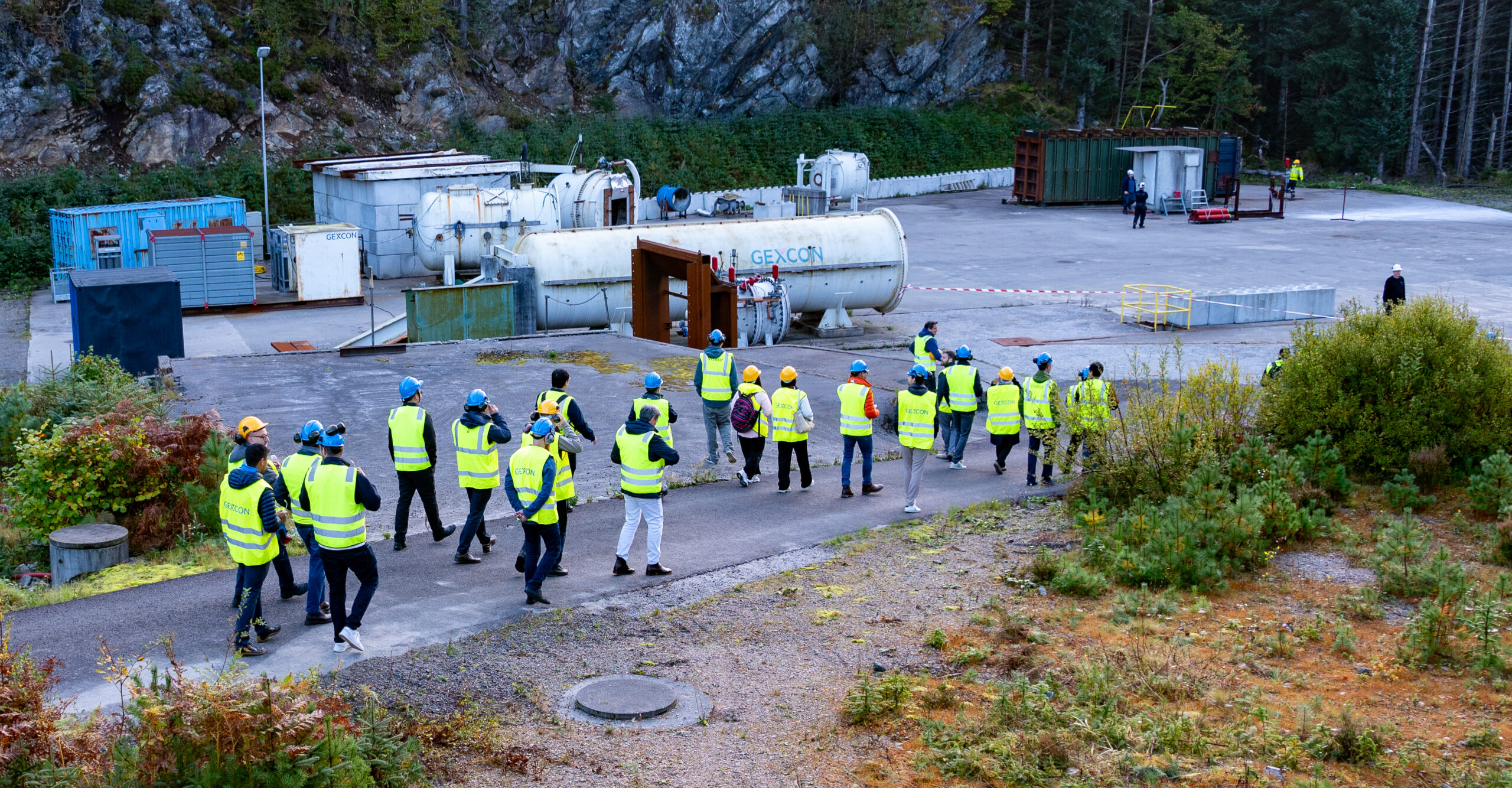
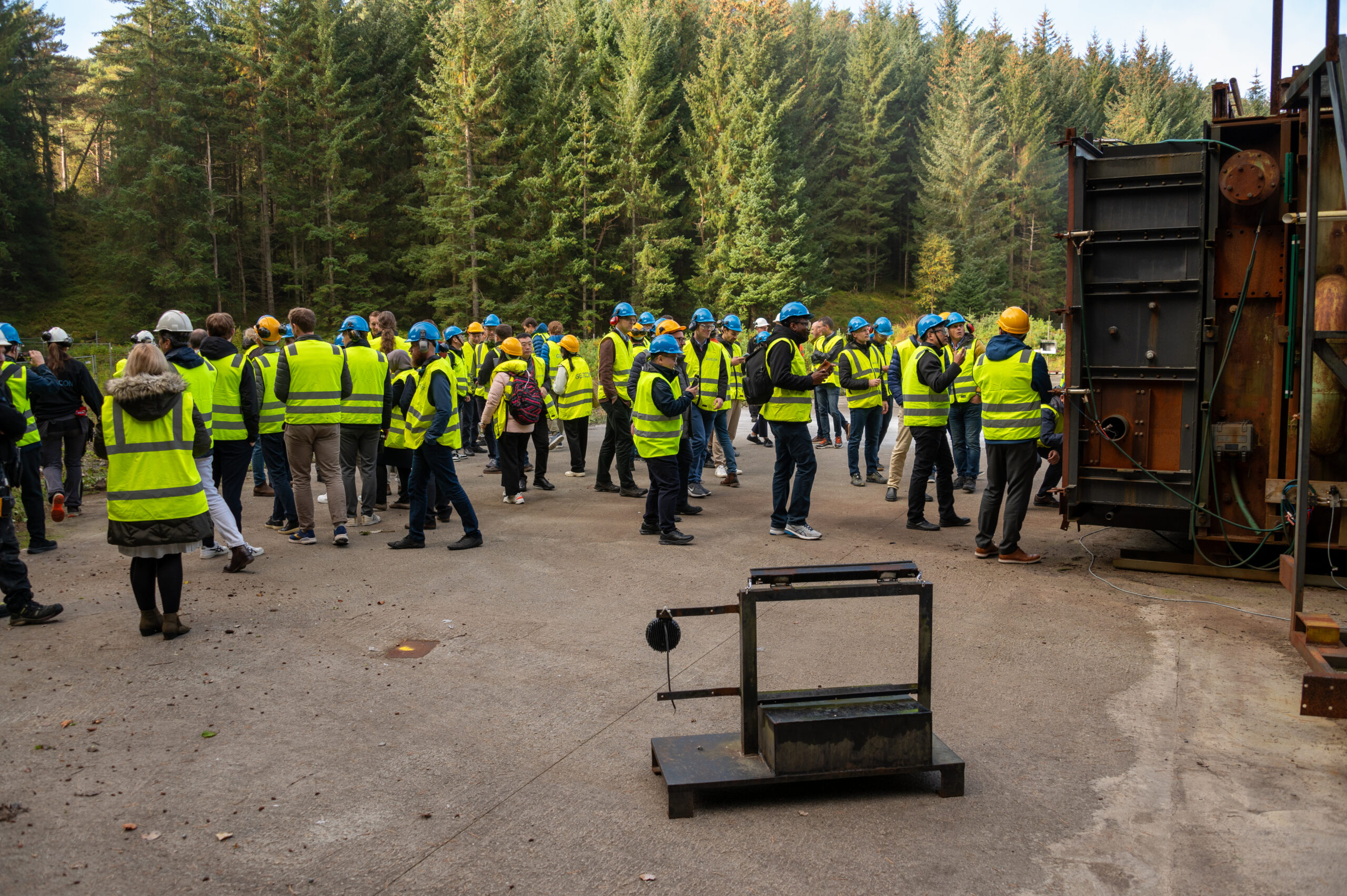
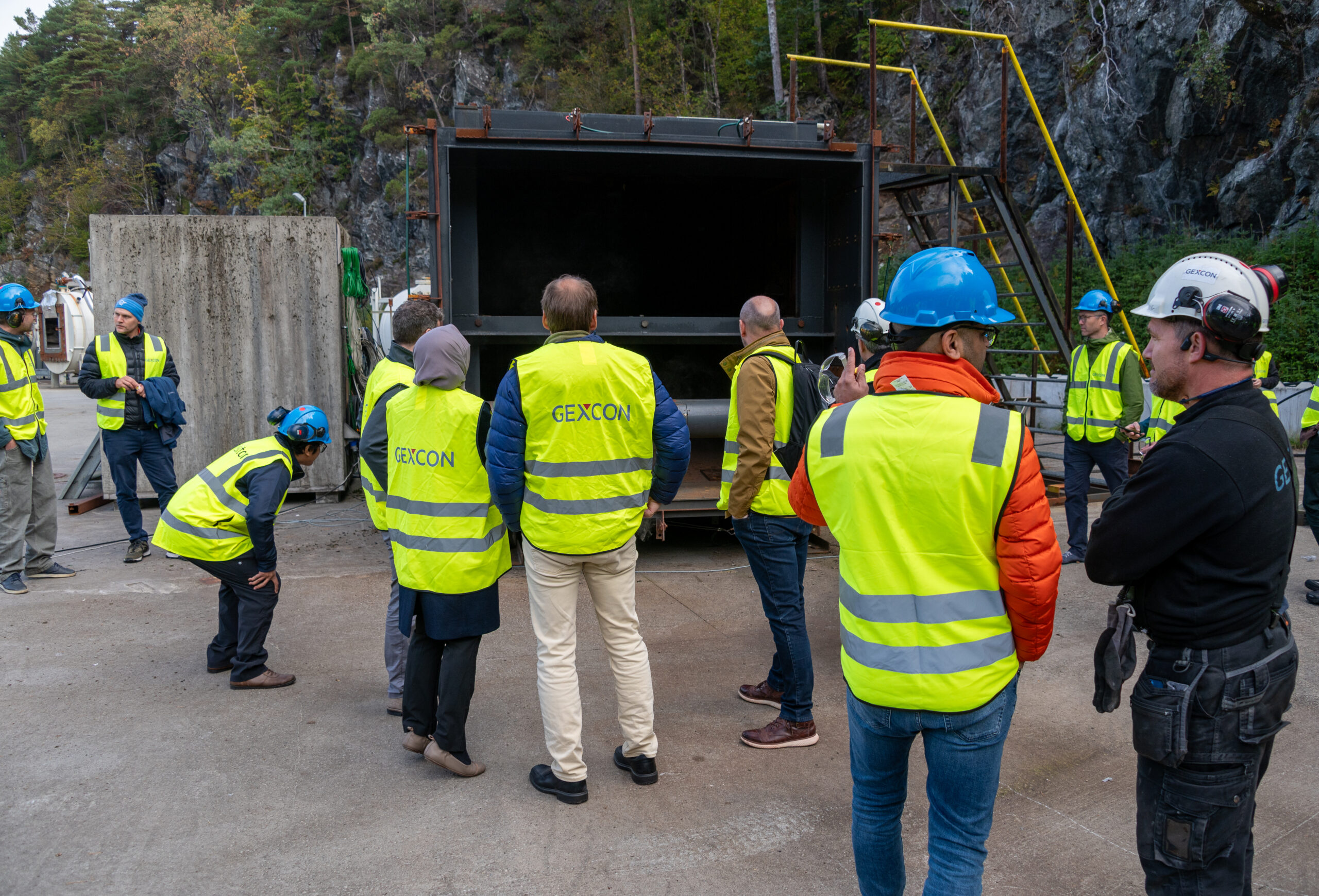
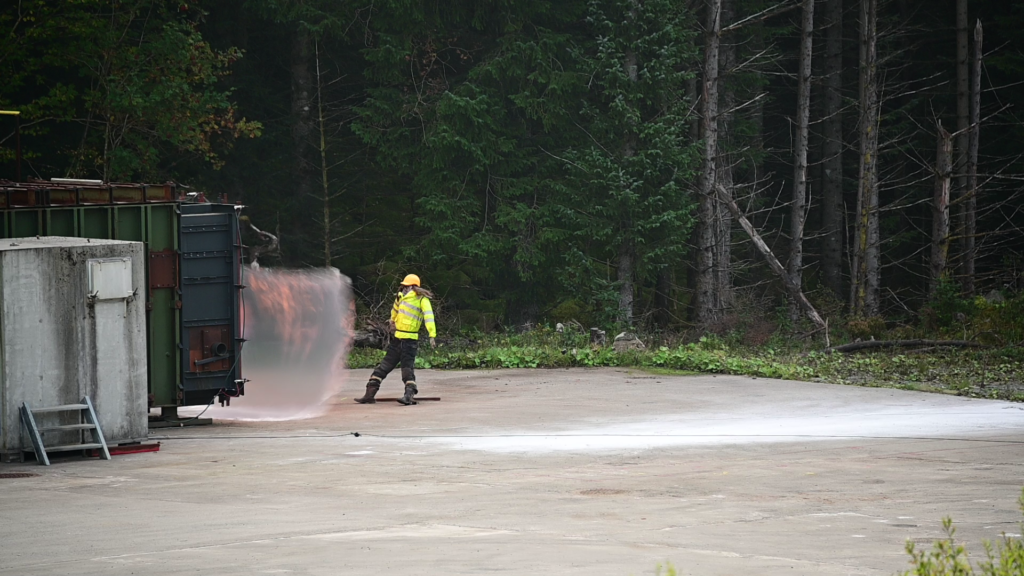
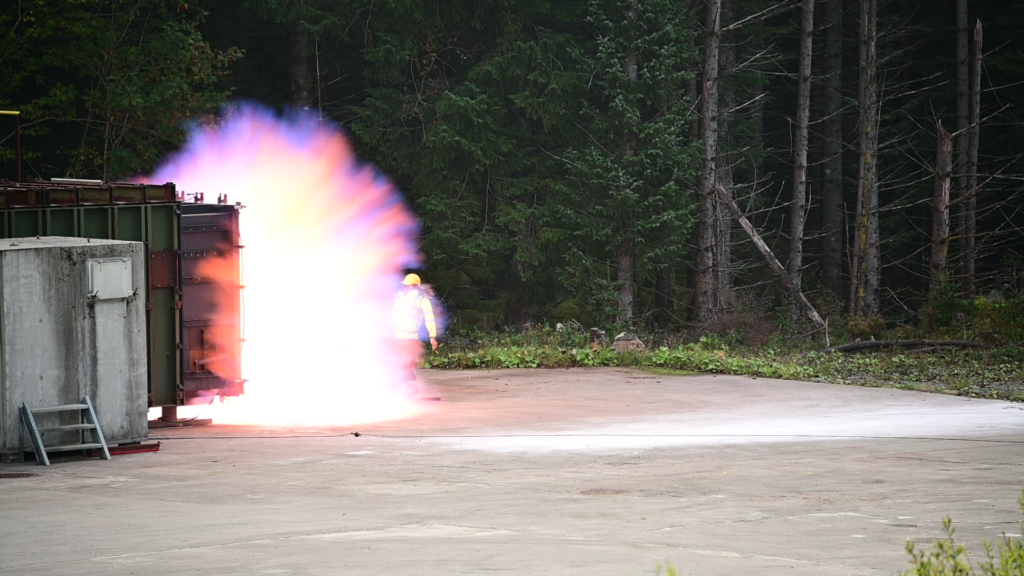
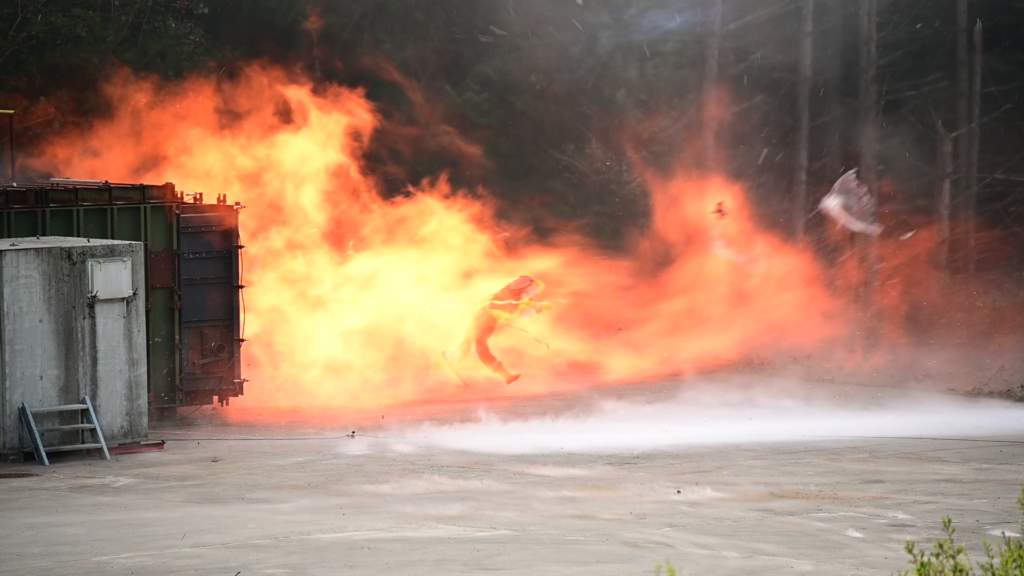
One of the highlights of FLUG 2024 for many attendees was the visit to our test site. We got to see both a dust explosion and a propane explosion firsthand. There’s nothing quite like seeing these events in person. It’s a powerful reminder of the hazards we work to understand and mitigate with FLACS. The live demonstrations really drove home the importance of accurate modelling and the real-world impact of our work.
A look to the future
FLUG 2024 wasn’t just about what FLACS can do today, it was also about where we’re headed. The roadmap we shared, including the upcoming features and integrations, reflects our ongoing commitment to improving safety in high-hazard industries. We want FLACS to be as versatile and user-friendly as possible.
I also want FLUG to continue being a space for open dialogue between users, developers, and researchers. The discussions we had made it clear that by working together, we can keep advancing the tools and methodologies that keep our industries safe.
Thank you to all participants
A big thank you to everyone who attended and contributed to this year’s FLUG. Your questions, insights, and discussions are what make this event so valuable. I can’t wait to see you at the next one as we continue pushing forward together.
Interested in the presentations from FLUG 2024?
Click “learn more” below to view and download the recordings
The direction of FLACS at FLUG 2024
Hidden gems in FLACS and expert tips
Water deluge modelling in FLACS
Surrogate modelling
EFFECTS API and integration with FLACS
Flammable gas detector mapping and optimisation for offshore facility
FLACS-DustEx and metal dusts
Modelling of CO2 pipeline rupture events
CFD-informed neural networks with FLACS
Comparison of FLACS simulations with SOTRA tests
A volumetric approach to drag calculation
Use of advanced numerical methods for the assessment of LNG carriers in port areas
Evaluating different equipment design options using the FLACS-DustEx CFD tool
Investigation of the influencing parameters on gas explosion in industrial environments
Authors

Chris Coffey
VP Products at Gexcon
Related insights
Browse additional insights to deepen your understanding and stay informed on related topics.
Risk management in a containerised metal hydride storage system
ENGIE Lab CRIGEN presents the HyCARE Project and how FLACS plays a key role in verifying the safety of the developed hydrogen storage systems.
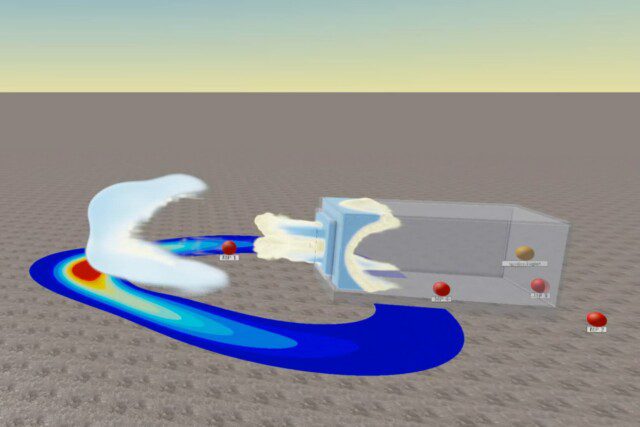
FLACS comparison with an H2-air confined explosion experiment
FLACS is compared with experimental data to assess the applicability of the ongoing CFD modelling guidelines in France for land use planning.
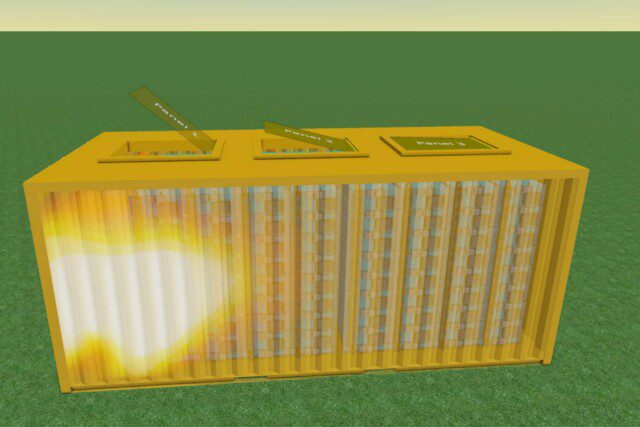
Thermal runaway of batteries simulation with FLACS
Learn how FLACS is used to simulate battery thermal runaway and compare results with experimental data for reliable analysis.
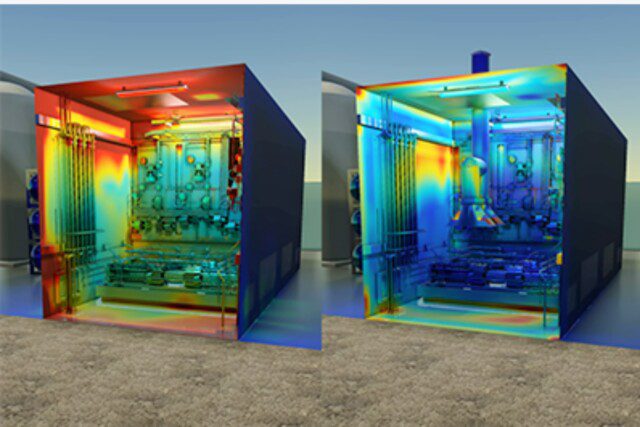
Evaluating hydrogen ventilation in enclosed compressor systems
See how FLACS can assess if ventilation in enclosed hydrogen systems keeps leaks below flammable limits for safer compressor system design.
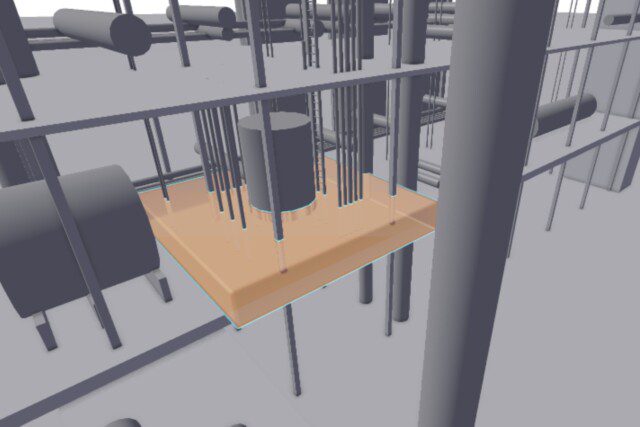
Investigation on influencing parameters of vapour cloud explosion
See how FLACS is used to study early peak overpressures at large distances immediately after ignition and what factors influence this behaviour.
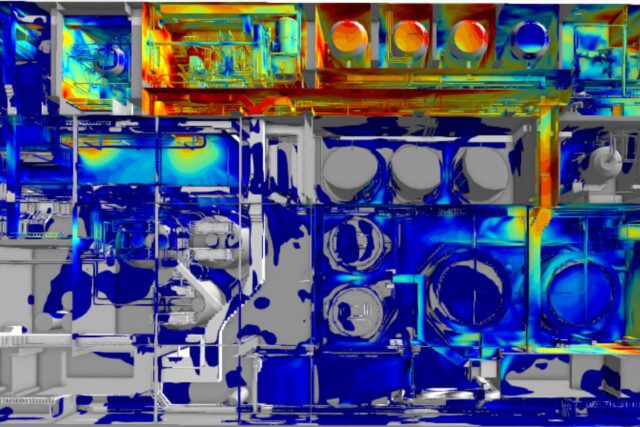
The practical use of FLACS for EDF nuclear safety demonstration – User perspective
Get practical tips on combining consequence and structural response studies, including how to map blast loads to FEM models.
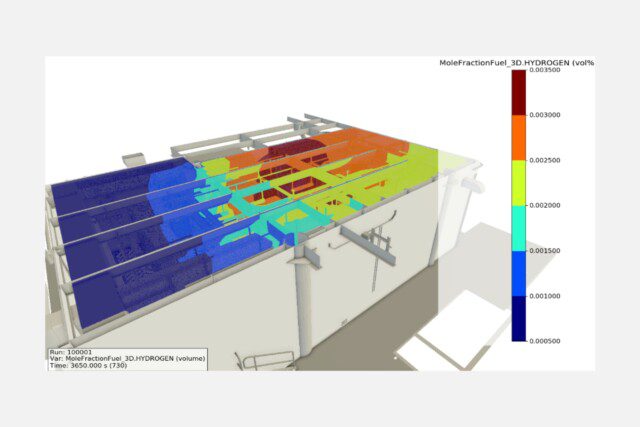
Accumulation of flammable hydrogen in a closed room with Forced Air Re-circulation
See how FLACS is used to evaluate hydrogen build-up risks in battery rooms with air recirculation and ceiling obstructions.
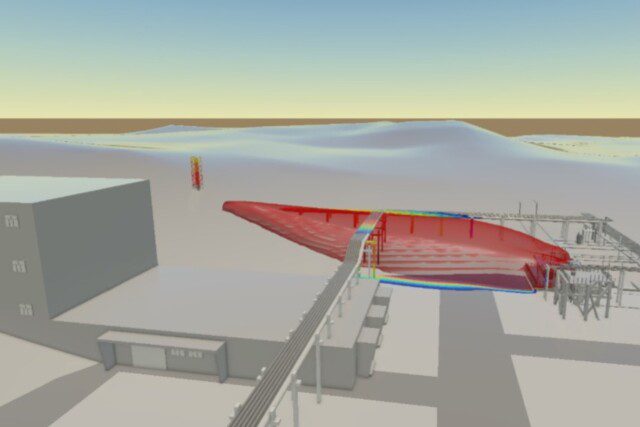
A comparative study: Various modeling approaches for accidental release of ammonia
Find out how different modelling approaches assess ammonia release scenarios and support better risk management decisions.
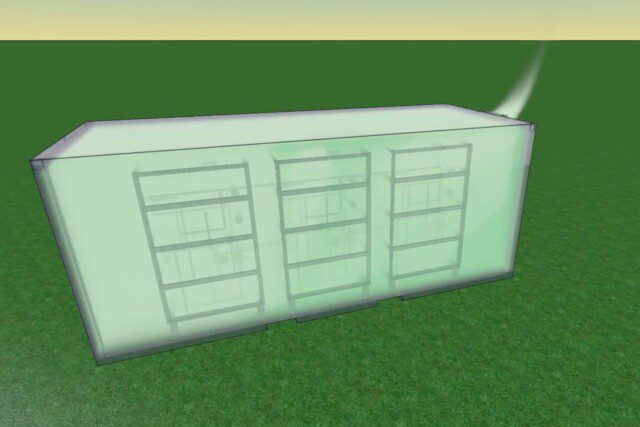
Dispersion simulations from extreme release cases in confined spaces
See how FLACS is used to simulate hydrogen dispersion in confined containers and support safer hydrogen system design and operation.
The Gexcon X-suite combined usage possibilities
See how to combine Gexcon’s X-Suite software—EFFECTS, FLACS, and RISKCURVES—to carry out safety studies more efficiently.
Stay ahead in process safety and risk management
Get the latest trends in the field of process safety management straight to your inbox, and enhance your skills through knowledge sharing from industry experts.
Subsribe to our newsletter