
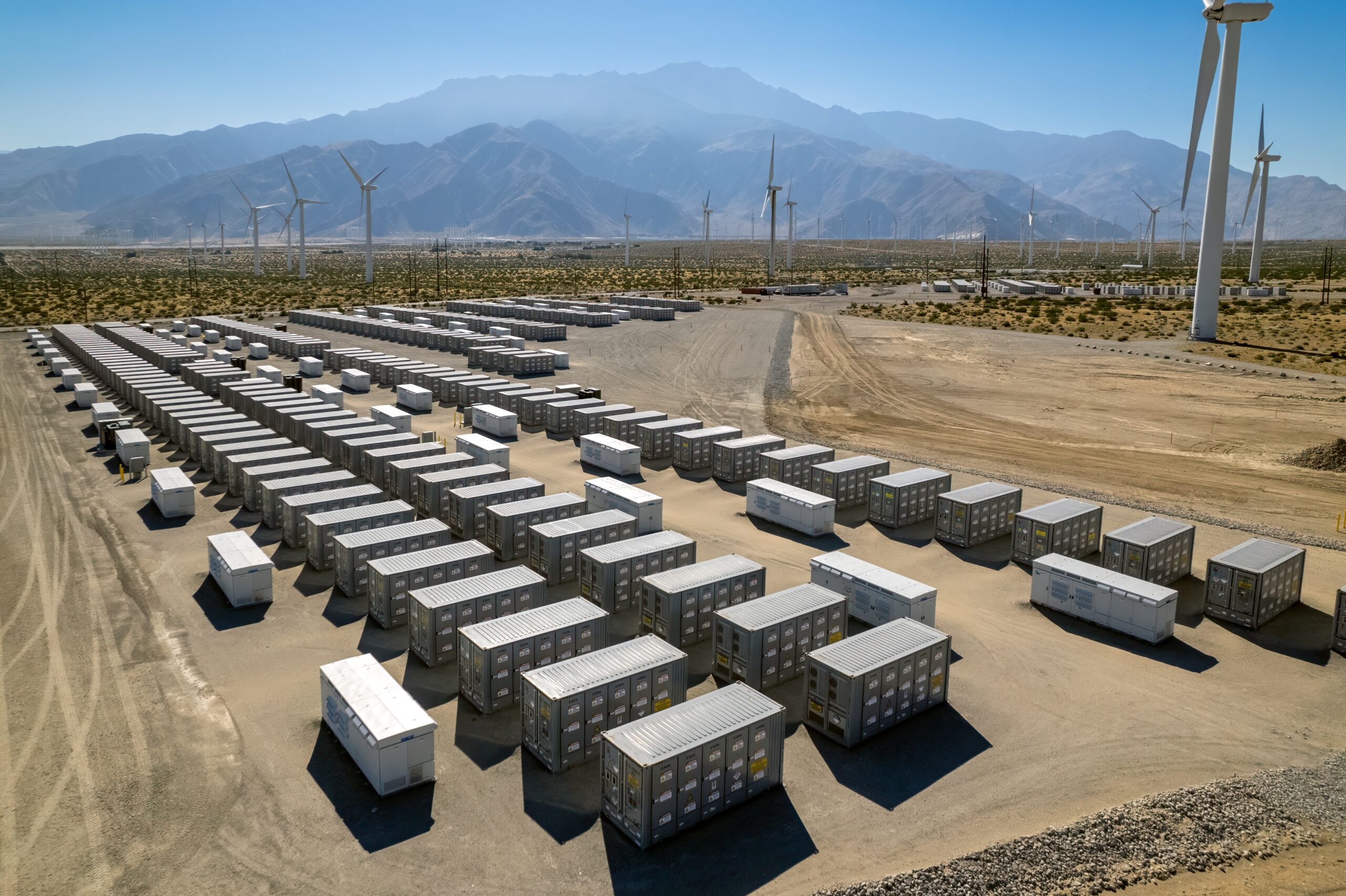
Battery Energy Storage Systems (BESS) have emerged as crucial components in our transition towards sustainable energy. As we increasingly promote the use of renewable energy sources such as solar and wind, the need for efficient energy storage becomes key. In recent years, these systems have gained considerable traction, finding applications in residential, commercial, and industrial sectors. Their ability to store energy during off-peak hours and release it during periods of high demand makes BESS an invaluable asset for effective energy management.
According to the IEA’s report on Batteries and Secure Energy Transitions, published on April 25, 2024, the global market for BESS surged by 40 GW in 2023.1 This nearly doubled the capacity growth recorded in the previous year, with China, the EU, and the US driving this and collectively accounting for almost 90% of the added capacity.1 With such significant growth, it is important that we prioritise the safety aspect of these systems to ensure their safe and sustainable operation.
In the past few years, the hazards related to fires and explosions in BESS have garnered significant attention due to various incidents. These occurrences not only lead to substantial financial losses but also threaten public safety and can inflict environmental harm. The gravity of these consequences highlights the urgent need to implement strong fire and explosion prevention measures in BESS.
The industry has a responsibility to understand the complexities of these systems and ensure they meet energy storage requirements while adhering to relevant safety standards. The safety implications of BESS extend beyond the immediate installation area, affecting stakeholders such as system owners, operators, and local communities. By proactively addressing safety concerns, we can build trust in BESS technology and facilitate its ongoing growth and adoption.
This article explores the essential elements of BESS safety, with a focus on fire and explosion risks, relevant regulations and standards, and strategies for prevention and mitigation.
Understanding risks associated with BESS
BESS is a sophisticated technology designed to store electrical energy for later use. It typically consists of multiple battery cells, arranged in modules and packs.

To effectively mitigate the fire and explosion risks associated with BESS, it is essential to begin by understanding the types of batteries typically utilised in these systems, as well as the potential causes of fires and explosions.
Types of batteries in BESS and their potential fire and explosion hazards
Several battery technologies are employed in BESS, each with its own unique characteristics and advantages.
Lithium-ion batteries have revolutionised portable electronics and are increasingly used in larger applications like electric vehicles. Their high energy density and lightweight nature make them a go-to choice. Furthermore, as outlined in the US Department of Energy’s 2019 “Energy Storage Technology and Cost Characterization Report”, lithium-ion batteries emerge as the optimal choice for a 4-hour energy storage system when evaluating cost, performance, calendar and cycle life, and technology maturity.2 While these advantages are significant, they come with inherent risks, particularly thermal runaway. This phenomenon occurs when a battery’s internal temperature escalates uncontrollably, potentially triggering a chain reaction that can lead to fire or explosion.
Lead-acid batteries, though less energy-dense, heavier, and shorter-lived than lithium-ion batteries, are known for their proven reliability and cost-effectiveness. This makes them a popular choice for smaller-scale applications and backup power systems. However, these types of batteries are most commonly seen in older installations. Despite their long history of use, these batteries are not without safety concerns. A significant hazard associated with fire and explosion risk arises from the production of oxygen and hydrogen gases during electrolysis in the charging process. When a lead-acid battery cell is charged improperly, hydrogen production can increase dramatically. As hydrogen is highly explosive, it poses a severe explosion risk if it is allowed to accumulate and subsequently be ignited.
Sodium-sulphur batteries are less common but are used in large-scale energy storage applications. These batteries are relatively costly to operate and maintain because they require specific operating conditions, such as maintaining high temperatures around 300-350°C (572-662 F), which presents unique safety challenges. The primary hazard associated with sodium-sulphur batteries is the potential for fire if the battery casing is breached. Both sodium and sulphur are highly reactive at these temperatures, and exposure to air can lead to rapid combustion. Additionally, these batteries pose a risk if the liquid sodium contacts water, as it reacts vigorously to produce sodium hydroxide and hydrogen gas, which can be hazardous.
Flow batteries, although less common in portable applications, are becoming popular for grid-scale energy storage. These batteries store energy in liquid electrolytes, which introduces a different set of safety considerations. While flow batteries are relatively less prone to fire than lithium-ion batteries, they can still release harmful gases that are highly explosive or pose environmental risks. From a fire and explosion safety perspective, the primary concern is the potential accumulation of hydrogen during battery operation, which requires careful monitoring and management.
Understanding the distinct properties and applications of each battery type is crucial for effectively implementing appropriate safety measures and optimising their performance in various energy storage scenarios. Now that we have explored various battery technologies and their associated fire and explosion hazards, let’s examine their common causes.
Potential causes of BESS fires and explosions

The root causes of BESS fires and explosions can be attributed to a variety of factors, such as:
- Improper design is often a significant issue, where systems may not be sufficiently engineered to withstand operational stresses or may lack essential safety measures.
- Manufacturing defects can also play a critical role, as flaws in the production process may lead to issues during operation.
- Incorrect installation practices can result in connections that are not secure or that lead to short circuits.
- Incompatible components within the systems can further exacerbate risks by causing malfunctions.
- Failures during normal operations—such as overcharging, overheating, or errors in the battery management system—can lead to hazardous situations. These failures may arise from external factors like extreme weather, physical damage, or human errors, including inadequate maintenance.
It’s important to note that failures can occur in different components of the BESS. While the batteries themselves often receive the most attention with respect to safety concerns, other critical aspects, such as control systems, transformers, fire suppression systems, and cooling mechanisms, can also play significant roles in influencing the overall safety of the system.
For instance, if control systems are not programmed or calibrated correctly, they may fail to monitor and manage battery performance effectively, leading to overheating or even thermal runaway. Similarly, inadequately designed fire suppression systems may not activate promptly in the event of a fire, allowing the situation to escalate. Additionally, ineffective cooling mechanisms can contribute to excessive heat buildup.
Safety standards and regulations related to the BESS application
In the realm of BESS safety, standards and regulations aim to ensure the safe design, installation, and operation of energy storage systems.
One of the key standards in this field is the IEC 62933 series, which addresses the safety of electrical energy storage (EES) systems. It encompasses essential unit parameters and testing methods for EES systems, validation procedures for technical specifications, and requirements for integrating power-intensive and renewable energy sources. Additionally, it outlines protection requirements for BESS based on environmental conditions and location types, among other important aspects.
A significant standard in the US is UL 9540, which addresses the safety of energy storage systems and equipment. This comprehensive standard covers various aspects of BESS safety, including installation requirements, system-level testing, and fire control measures. UL 9540A, a subset of this standard, specifically deals with thermal runaway fire propagation in battery energy storage systems.
The NFPA 855 standard, developed by the National Fire Protection Association, provides detailed guidelines for the installation of stationary energy storage systems to mitigate the associated hazards.
The IEEE 2030.2.1-2019 offers comprehensive guidelines for the design, operation, and maintenance of BESS, encompassing stationary, mobile, and applications integrated with electric power systems.
Beyond system-level standards, there are also specific guidelines for subsystems, such as battery cells. For example, BESS manufacturers evaluate their lithium-ion batteries in accordance with IEC 62619. This safety standard is tailored for industrial lithium-ion batteries and addresses a variety of applications across the sector. It includes functional safety requirements and mandates rigorous testing at both the battery system level and for thermal runaway propagation. Furthermore, to tackle the unique risks associated with lithium-ion batteries in electric energy storage systems, the IEC has introduced IEC 63056, which outlines specific safety requirements for these batteries, provided they have already undergone testing under IEC 62619.
These international standards represent just a brief overview of countless others that exist for BESS applications. They serve as guidelines to ensure consistency, quality, and safety in BESS practices worldwide, but there are numerous additional standards that address specific parts and challenges in different aspects of BESS. Although international standards and regulations offer a global framework, many regions and countries have developed their own regulations that reference these.
Design and engineering controls
The foundation of BESS safety lies in the design and implementation of engineering controls. By incorporating advanced safety features, we can significantly reduce the risk of fire and explosion incidents.
One of the most critical components in BESS safety is the Battery Management System (BMS). The BMS continuously monitors and controls various parameters such as cell voltage, temperature, and state of charge. The BMS helps prevent conditions such as overcharging, over-discharging, and overheating, which are essential for maintaining safety and extending battery life.
Thermal management systems play a crucial role in maintaining safe operating temperatures within the BESS. These systems can employ various cooling mechanisms, from air cooling to more advanced liquid cooling solutions, depending on the specific requirements of the installation.
Fire detection, alarms, and suppression systems form another layer of safety in BESS design. Early detection of potential fire incidents using smoke, gas, and flame detectors, coupled with automatic suppression mechanisms, such as inert gaseous systems or water-based systems, can prevent escalations into major safety events.
Physical containment measures or separation, such as enclosures, are designed to confine any fire or explosion, thereby preventing the spread of flames and safeguarding nearby equipment and personnel.
A forced venting system can be automatically triggered by a gas-detection system when gas concentrations surpass a predetermined threshold. Furthermore, explosion venting systems, like deflagration vents, can be employed to safely release pressure in the event of an explosion.
Implementing redundant systems can help ensure continued operation even if a primary component fails. The design could also include fail-safe mechanisms, which allow the system to shut down safely in the event of a critical fault, such as a significant temperature rise or a detected short circuit.
Electrical protection is another vital aspect, involving the use of circuit breakers and fuses to protect against overcurrent conditions that can lead to overheating and fires. Isolation mechanisms are also employed to separate faulty sections of the battery from the rest of the system, preventing fault propagation and potential damage.
Administration controls to prevent and mitigate against BESS fires and explosions
While design and engineering controls form the first line of defence against BESS fires and explosions, administrative controls play a key role in ensuring long-term safety.

- Collaboration across disciplines
BESS safety involves multiple disciplines, such as electrical engineering, mechanical engineering, and chemical engineering, among others. Effective implementation of safety measures often requires collaboration across these fields, which should consider the following:
- Open communication with colleagues from different disciplines.
- Cross-functional team discussions during system design and risk assessment.
- A holistic approach to safety that considers all aspects of the BESS.
- Training and preparedness
Training is an essential element of any safety strategy. Well-structured training programs equip personnel with the knowledge and skills needed to respond effectively to BESS incidents. This involves understanding the unique risks associated with BESS and the emergency response protocols.
Additionally, regular drills ensure that teams are prepared for real-world situations. Fostering a safety culture within the organisation further reinforces this preparedness.
- Risk assessment and hazard analysis
Regular risk assessments are crucial for identifying potential hazards in BESS installations. These assessments should be thorough, taking into account all possible failure scenarios and their impacts.
To ensure timely and effective risk assessments for safe and cost-efficient design and layout of BESS installations, advanced tools are available. Notable options include integral and CFD consequence modelling tools, along with Quantitative Risk Assessment (QRA) tools.
Once risks are identified, targeted mitigation strategies must be put in place. Since this is an ongoing process, continuous improvement is necessary to review and update assessments and safety measures, ensuring they adapt to emerging challenges.

Interested in how to model battery hazards? Watch our webinar on advanced hazard modelling for safer battery solution.
Learn more- Maintenance protocols
Regular maintenance is key to identifying and addressing potential issues before they escalate into incidents. This includes routine inspections of battery modules, control systems, and auxiliary components. Thermal imaging can be particularly useful for detecting hotspots or anomalies that may indicate failures.
Implementing a predictive maintenance approach can further enhance safety by identifying patterns or trends that may signal developing issues.
- Documentation
Proper documentation provides valuable information for future reference and continuous improvement. It should be organised, easily accessible, and consider including the following elements:
- Detailed records of risk assessments, safety measures implemented, and incident reports.
- All safety-related procedures and protocols.
- Training materials for personnel.
- Maintenance logs and records of any modifications or upgrades made to the BESS installation.
- Contact information for relevant stakeholders, authorities, and emergency services.
- Emergency response plan
Despite the best efforts in prevention, incidents can still occur. Developing comprehensive emergency response plans is an essential aspect of BESS safety management. These plans may consider factors such as:
- Information on detection systems and alarm procedures.
- Floor plans and building information, such as evacuation routes, safe assembly points, and locations of existing fire and explosion protection and mitigation systems.
- Procedures for shutting down and isolating the BES
- Coordination with local emergency services.
Working closely with local authorities ensures that emergency response plans are well-coordinated. Collaboration with fire departments, police, and other emergency services enhances overall preparedness and response capabilities. Moreover, educating the local community about BESS safety measures and emergency response protocols ensures that everyone knows how to act in case of an incident.
- Learning from past incidents
Analysing past incidents provides valuable insights for improving BESS safety. Let’s take a look at two recent cases and the lessons they offer.
Arizona battery storage facility incident
In 2019, a fire and explosion occurred at a battery storage facility in Arizona, USA. The incident resulted in injuries to firefighters and significant damage to the facility as a result of a cascading thermal runaway within a 2.16 MWh lithium-ion BESS that led to a deflagration event.3 According to UL FSRI’s report,3 investigations revealed that there are several contributing factors:
- The fire and smoke detection systems did not include sensors for flammable gases, and there was no way for the HAZMAT team to monitor toxic gases, LEL (Lower Explosive Limit), or BESS conditions from a safe location.
- The BESS communication system failed before the HAZMAT team arrived, leaving maintenance personnel and the fire department unable to assess the situation inside the BESS.
- The emergency response plan was not provided to the fire service prior to the incident, as it was not required by the codes or standards at that time.
- The emergency response plan given to the fire team on-site met code requirements but lacked sufficient guidance for addressing thermal runaway, fire, and explosion hazards in the BESS.
- The BESS design did not include deflagration venting (NFPA 68) or adequate mechanical ventilation (NFPA 69) to prevent flammable gas accumulation. These standards were not required at the time of commissioning.
- The clean agent suppression system prevented flaming in the early stages but was not designed to offer explosion protection.

This incident highlighted the importance of integrating gas detection, communication, and emergency response systems for BESS installations. It also emphasised the need for proper system design, including ventilation and deflagration venting, as well as the importance of clear emergency protocols and explosion protection measures to ensure BESS safety in hazardous scenarios.
South Korea’s energy storage system fires
Between 2017 and 2019, South Korea experienced a series of fires in energy storage systems.4 Investigations into these incidents by the country’s Ministry of Trade, Industry and Energy (MOTIE) revealed various contributing factors, including potential manufacturing defects, poor installation practices, and inadequate protection against electric shock.4 These findings underscore the importance of complying with safety standards and improving practices to prevent future incidents in energy storage systems.

Conclusion
In conclusion, tackling the risks of fires and explosions in BESS is a complex but essential task that requires a proactive and comprehensive approach. By fully understanding the nature of BESS fires, adhering to regulatory standards, and implementing sound design and engineering practices, as well as administrative control strategies, we can significantly reduce these risks.
As we move towards a future increasingly dependent on renewable energy, BESS will play a more crucial role in our energy infrastructure. This growth brings a responsibility to ensure these systems are both safe and efficient. Research and development are key to improving BESS safety, including advancements in safe battery technology and innovations in safety systems. Collaboration among industry stakeholders, academia, and regulatory bodies is vital for making progress in this area. By fostering these partnerships, we can speed up the development and implementation of safer BESS technologies, ultimately helping to create a more secure and sustainable energy future.
References
1. Euan Sadden & Marleke Alsguth (2024) New global battery energy storage systems capacity doubles in 2023, IEA says. S&P Global. Available at: Link
2. US Department of Energy (2019) Energy Storage Technology and Cost Characterization Report. Available at: Link
3. UL Fire Safety Research Institute (FSRI) (2020) Four Firefighters Injured In Lithium-Ion Battery Energy Storage System Explosion – Arizona. Available at: Link
4. Emiliano Bellini (2023) What’s behind South Korea’s battery fire accidents? pv magazine. Available at: Link
Authors

Jake Connor
Product Specialist at Gexcon
Related insights
Browse additional insights to deepen your understanding and stay informed on related topics.

Battery Energy Storage System (BESS) fire and explosion prevention
Learn about the critical factors in BESS safety, focusing on fire and explosion risks, regulations, and safety strategies.
Battery safety: Associated hazards and safety measures
Practical insights on battery safety: common hazards, risks and measures to ensure safe handling and operation.
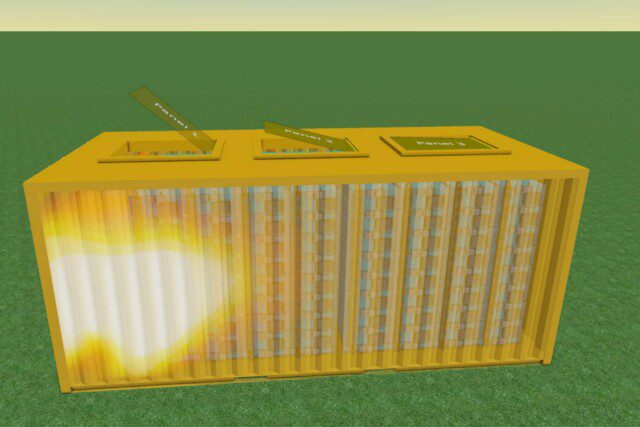
Thermal runaway of batteries simulation with FLACS
Learn how FLACS is used to simulate battery thermal runaway and compare results with experimental data for reliable analysis.
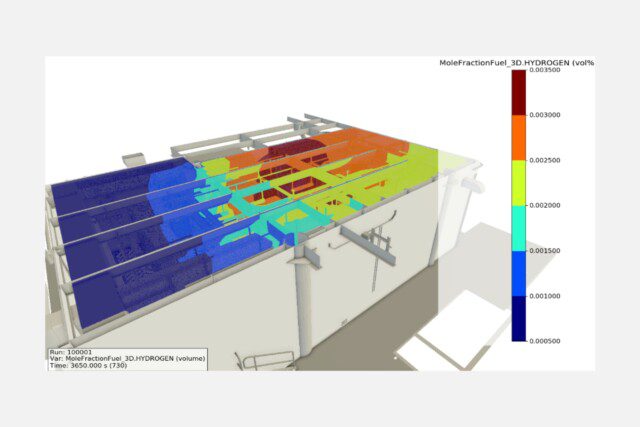
Accumulation of flammable hydrogen in a closed room with Forced Air Re-circulation
See how FLACS is used to evaluate hydrogen build-up risks in battery rooms with air recirculation and ceiling obstructions.
Consequence analysis of thermal runaway of lithium battery-powered vehicles on ro-ro ships
Learn how FLACS helps assess thermal runaway risks from lithium battery vehicles on ro-ro ships and improve fire response design.
Stay ahead in process safety and risk management
Get the latest trends in the field of process safety management straight to your inbox, and enhance your skills through knowledge sharing from industry experts.
Subsribe to our newsletter