Resources
Read our brochures, case studies, blogs and other resources from the insights of our experts.
Read our brochures, case studies, blogs and other resources from the insights of our experts.

Consequence analysis is a critical aspect of process safety and risk management. Here are 10 crucial considerations to ensure a successful analysis.

Gexcon is pleased to collaborate with the Hydrogen and Fuel Cell Association of Singapore (HFCAS) to host a knowledge-sharing event titled “Hydrogen safety in emerging technologies: A deep dive workshop” in Singapore on February 28, 2024.
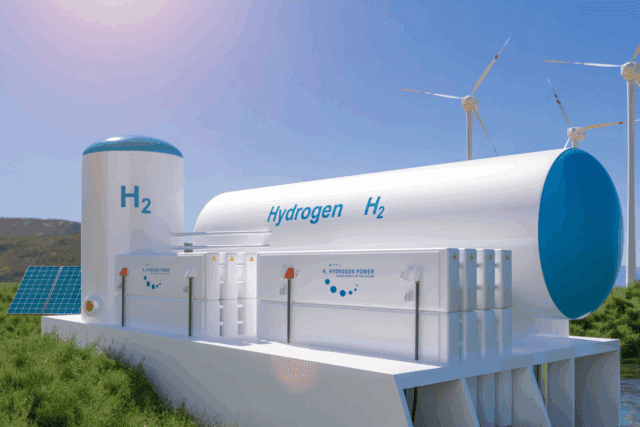
We are pleased to take part in this year’s Hyvolution taking place from 30 January to 1 February 2024, at Paris Expo, Porte de Versailles, France.
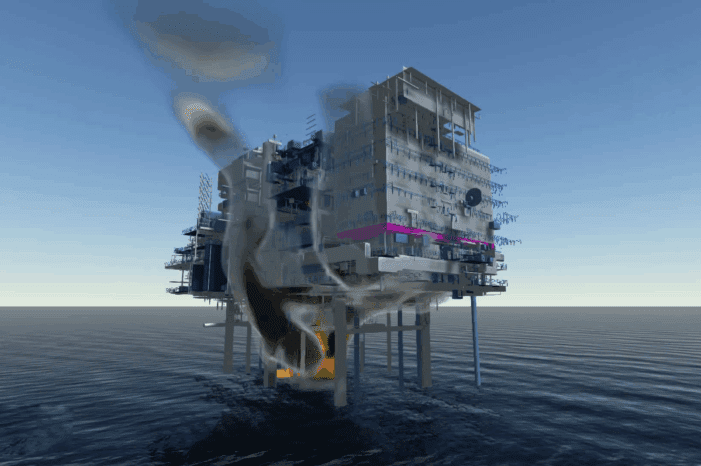
MES enters into a multi-year contract to expand its capability in the area of advanced risk and consequence modelling using FLACS.

Gexcon is a prominent contributor to the IChemE community and so are excited to announce their participation in the upcoming Hazards 33 Process Safety Conference, taking place 07 -09 November

We are pleased to take part in this year’s Asia-Pacific Hydrogen Summit & Exhibition, taking place from 26-27 October 2023 at ICC Sydney, Australia.
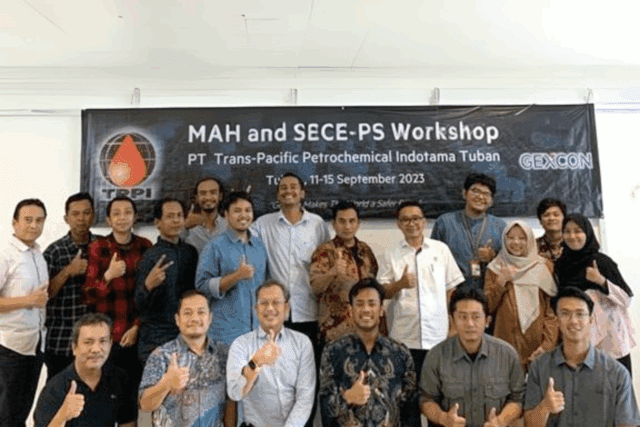
Gexcon Indonesia recently completed Major Accident Hazards and Safety and Environmental Critical Elements – Performance Standards Workshops for TPPI Tuban Petrochemical Complex.
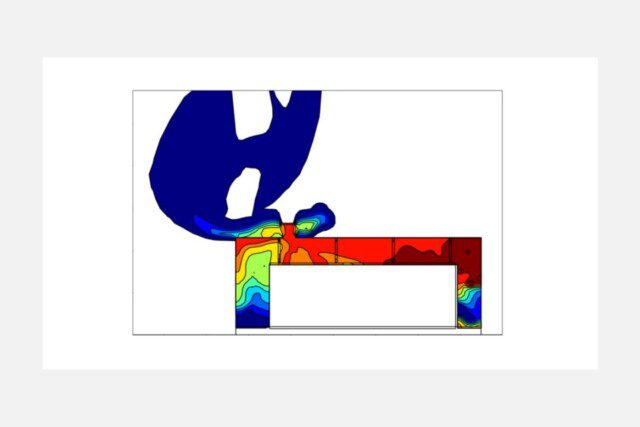
ENGIE Lab CRIGEN presents the HyCARE Project and how FLACS plays a key role in verifying the safety of the developed hydrogen storage systems.
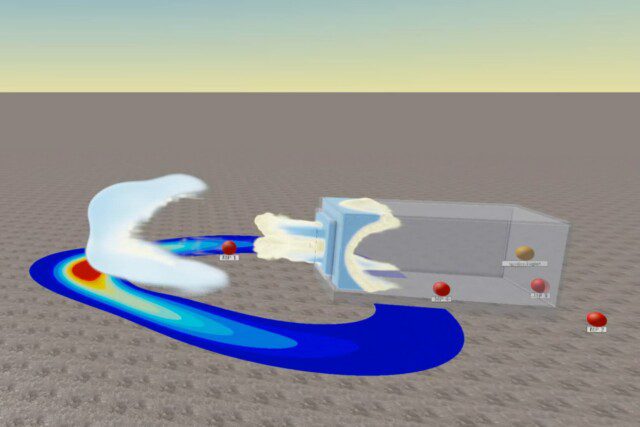
FLACS is compared with experimental data to assess the applicability of the ongoing CFD modelling guidelines in France for land use planning.
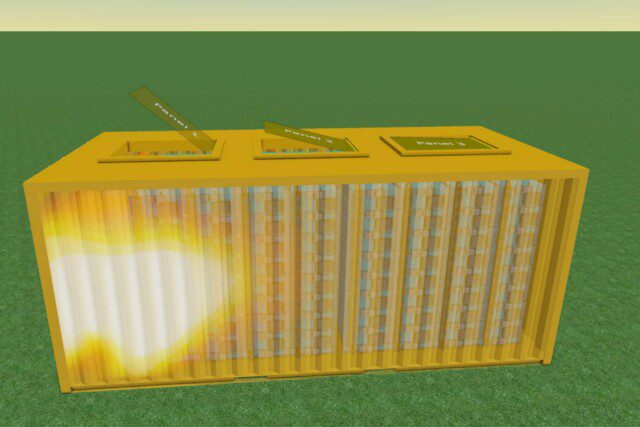
Learn how FLACS is used to simulate battery thermal runaway and compare results with experimental data for reliable analysis.
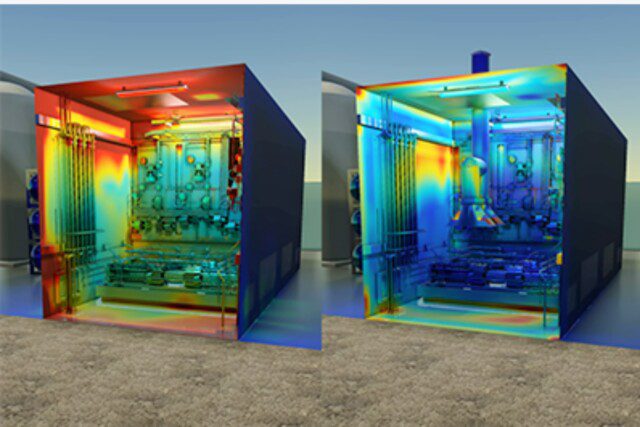
See how FLACS can assess if ventilation in enclosed hydrogen systems keeps leaks below flammable limits for safer compressor system design.
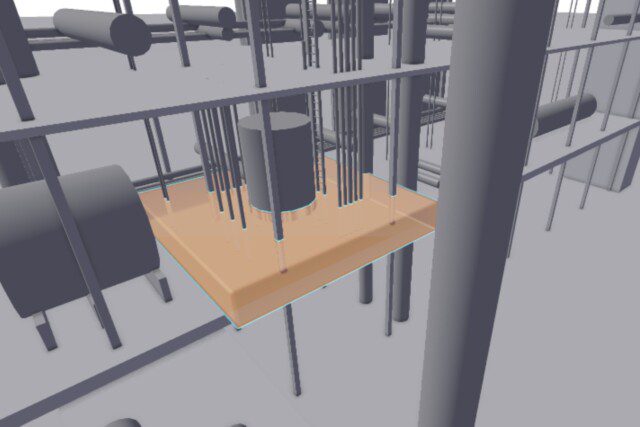
See how FLACS is used to study early peak overpressures at large distances immediately after ignition and what factors influence this behaviour.
