Resources
Read our brochures, case studies, blogs and other resources from the insights of our experts.
Read our brochures, case studies, blogs and other resources from the insights of our experts.

The use of consequence analysis in QRA helps prioritise and complement risk assessments to support more informed safety decisions.

Consequence analysis is a critical aspect of process safety and risk management. Here are 10 crucial considerations to ensure a successful analysis.
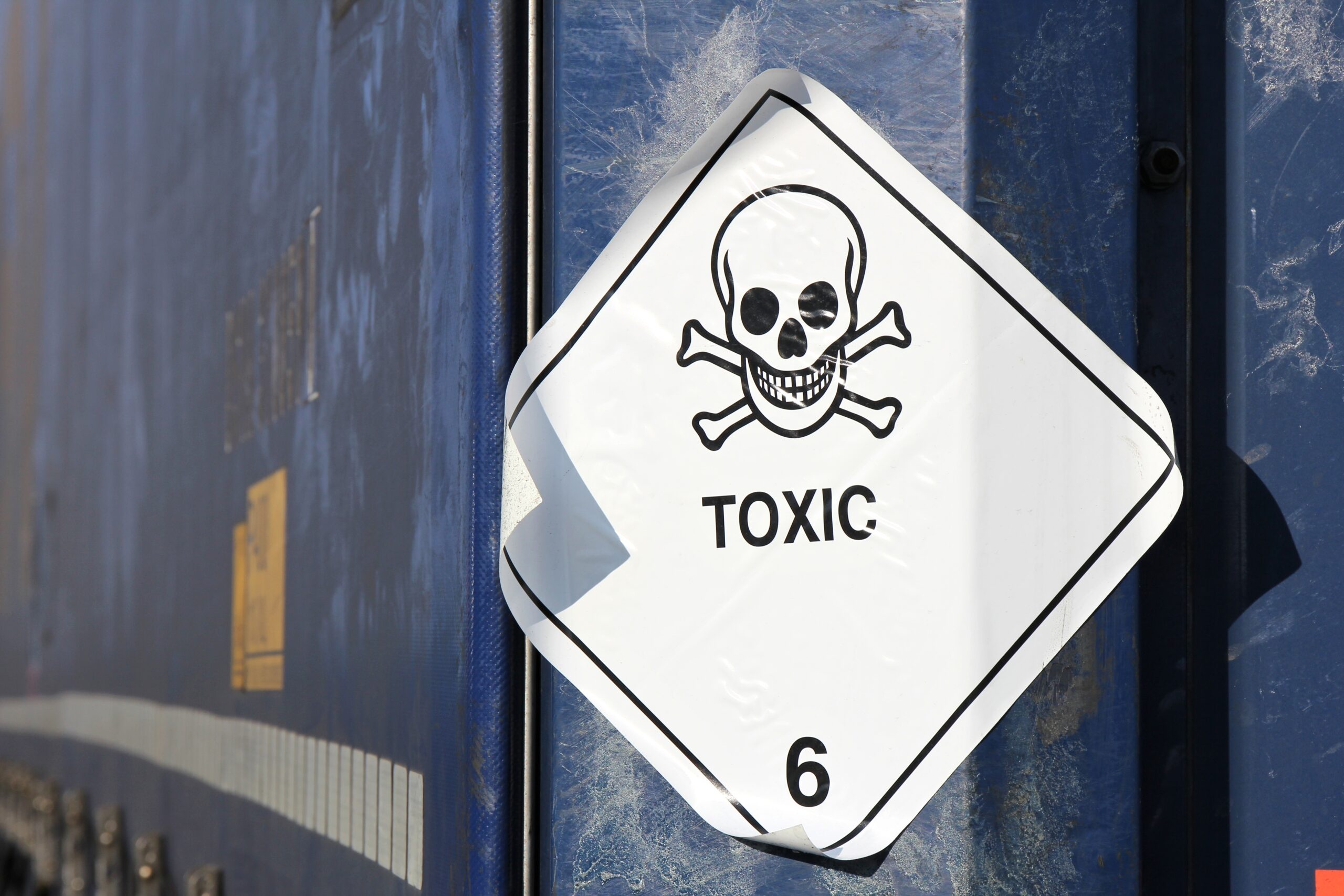
Find out how to model the consequences of atmospheric dispersion for an accidental toxic release with EFFECTS consequence modelling software.
Learn how to simulate confined vapour cloud explosions (VCEs) in EFFECTS to assess blast impacts and improve safety in high-risk areas.
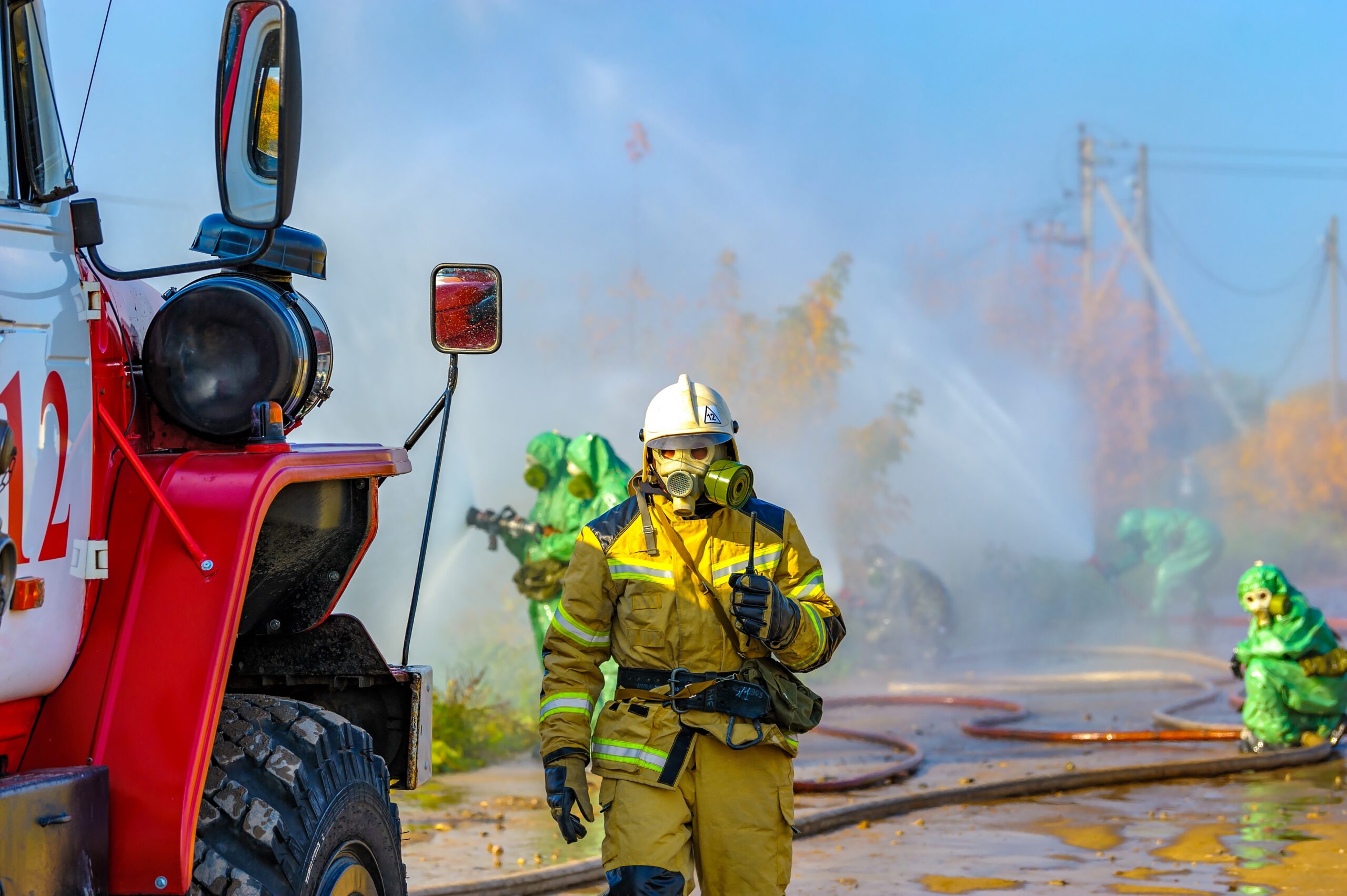
This blog explains the basics about deriving consequences from releases leading to a toxic cloud.
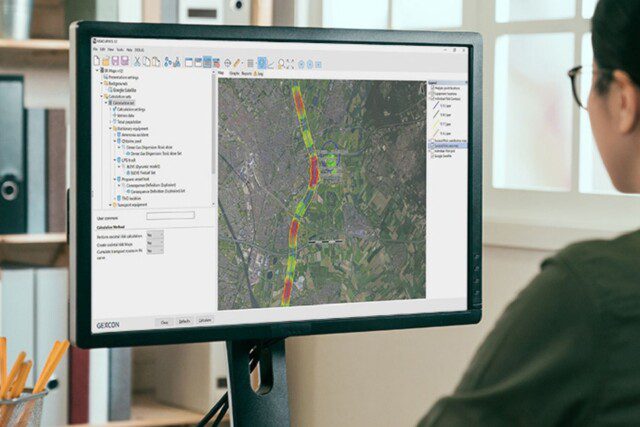
Learn how Societal Risk maps provide a clear, visual way to understand and communicate risk distribution across geographical areas.
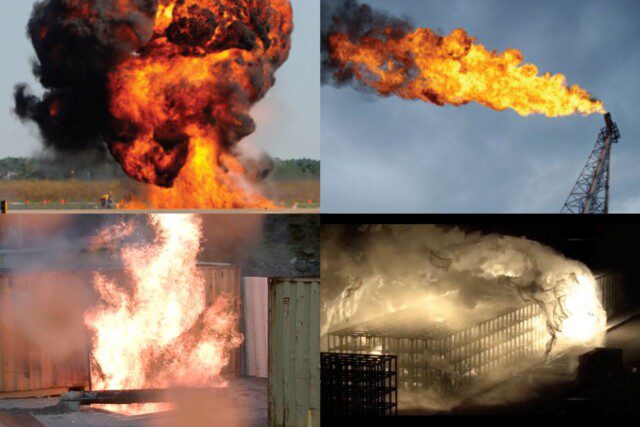
Learn what to expect when a hazardous substance leaks and how to assess the potential fire, explosion, and toxic exposure risks.

Get an introduction to HAZID: what it is, when to use it, and how it helps identify hazards early in process safety and risk management.
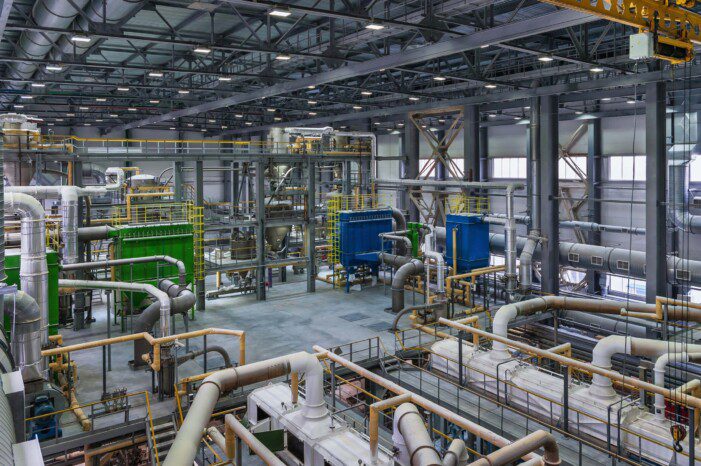
Learn the basics of ATEX Directives, their role in managing explosive atmospheres, and what they mean for equipment and workplace safety.
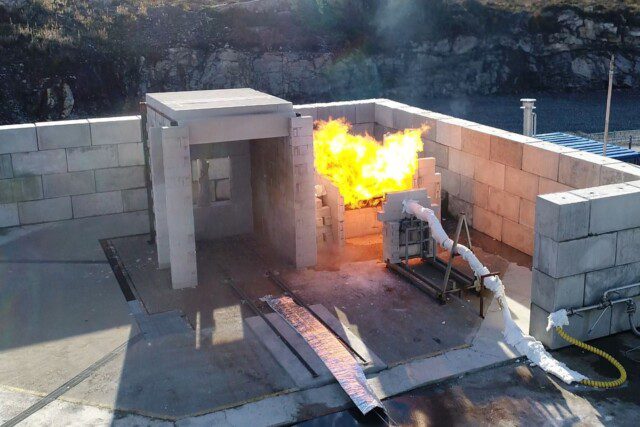
Understand the role of passive fire protection in reducing fire impact, protecting assets, and supporting safe facility design.
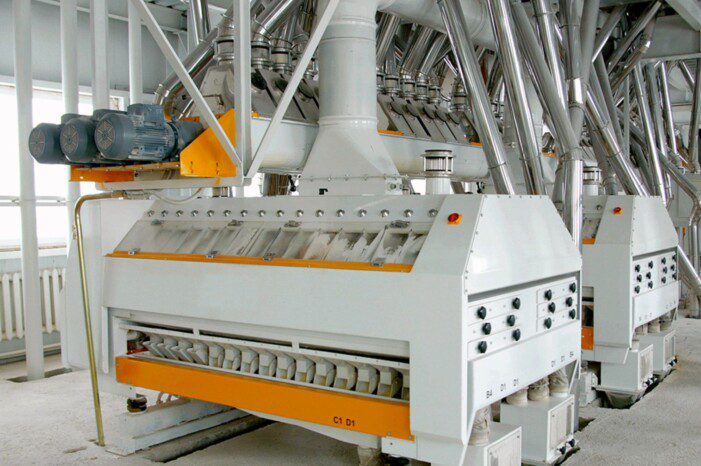
Learn why ignition hazard analysis is critical for bulk solids safety and how mechanical equipment may become an ignition source.
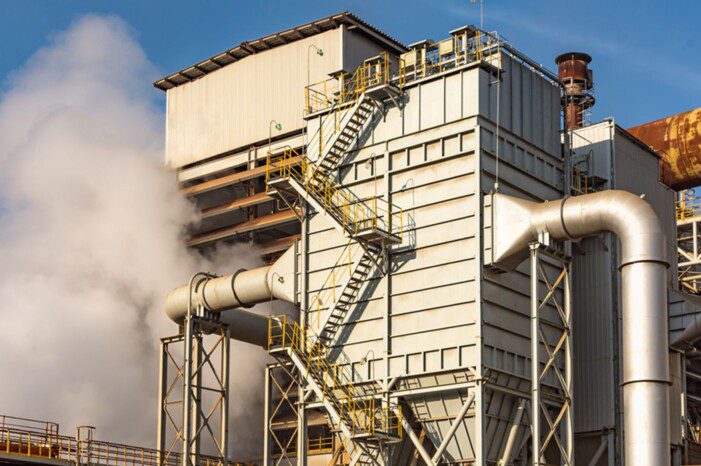
Learn how poor dust system design led to a major plant explosion and what steps to take to prevent similar combustible dust incidents.
