Resources
Read our brochures, case studies, blogs and other resources from the insights of our experts.
Read our brochures, case studies, blogs and other resources from the insights of our experts.
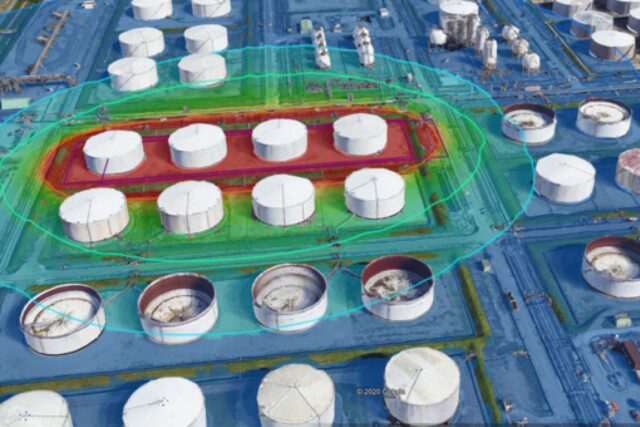
See how EFFECTS simplifies GIS integration to help you visualise hazard zones, risk areas, and consequences directly on real-world maps.

Advanced consequence modelling supports ammonia risk assessments and helps improve safety in storage, transport, and use.

Explore why recognising and addressing safety risks is essential for preventing incidents, protecting lives, and ensuring business continuity.

Explore if the current approach to hazardous area classification needs to change when dealing with high flash point liquids.
Gexcon UK’s Energy Transition Technical Lead, Dr Karina Almeida Leñero, will be attending the Northern Nuclear Alliances Hydrogen Co-Generation Live event on Monday 18th October 2021. In August the UK

Gexcon UK’s Energy Transition Technical Lead, Dr Karina Almeida Leñero will be presenting at FABIG Technical Meeting taking place this Thursday 7th October 2021.
Chris Coffey, FLACS Product & Strategic Business Development Manager, reflects on the success of Gexcon’s very first FLUG Week.
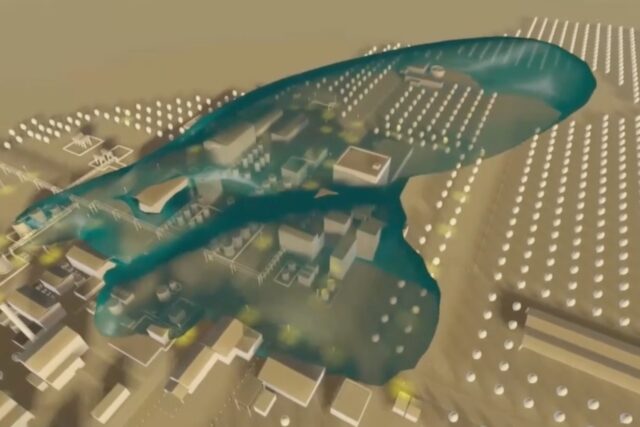
See how FLACS models hazards from chemicals like styrene and VCM in polymer industries to support process safety decisions.
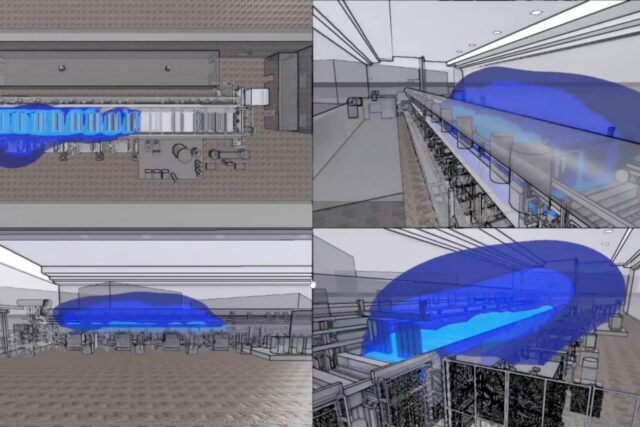
This presentation shows how detailed dispersion and ventilation modelling of hydrogen cyanide (HCN) in a closed space can support safer decision-making.
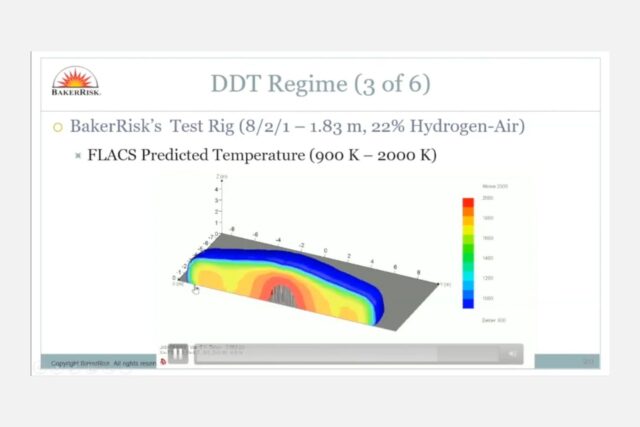
This session looks at how to evaluate the potential for deflagration-to-detonation transition (DDT) in elongated vapour clouds.
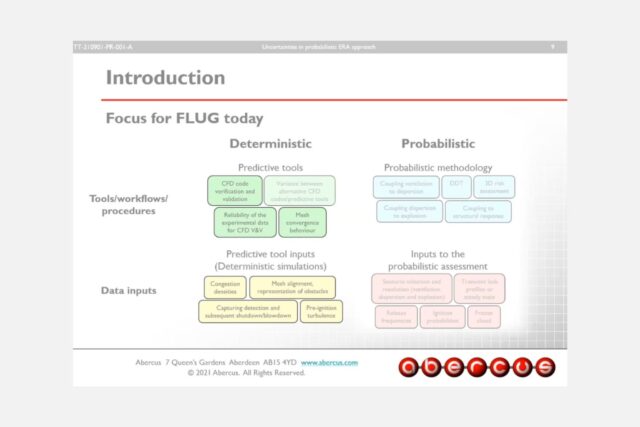
In this presentation, the impact of CFD uncertainties on explosion risk analysis is explored, and ways to improve FLACS modelling for more reliable ERA outcomes are suggested.
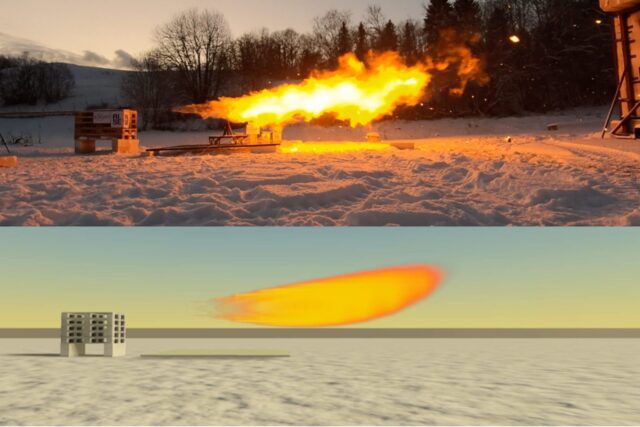
Learn about the recent research activities in Gexcon, including achievements and challenges of selected projects.
