Resources
Read our brochures, case studies, blogs and other resources from the insights of our experts.
Read our brochures, case studies, blogs and other resources from the insights of our experts.
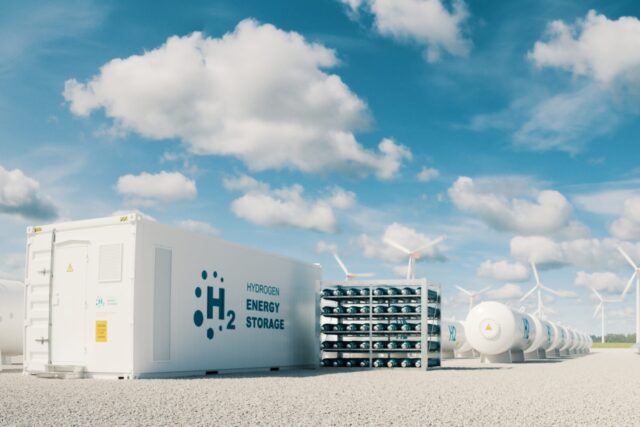
See how to identify and manage hydrogen hazards for safe deployment, especially in public-facing applications.
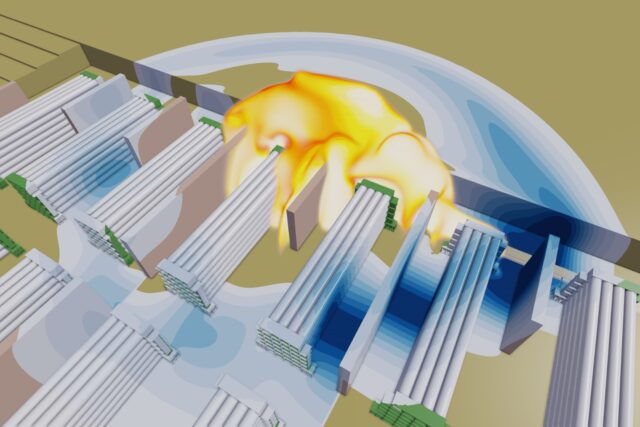
Gexcon participates in SPE’s webinar on CFD Modelling for Process Safety and Environmental Risk Assessment with a presentation titled “An innovative and efficient CFD method to solve hydrogen combustion challenges in the energy industry.”
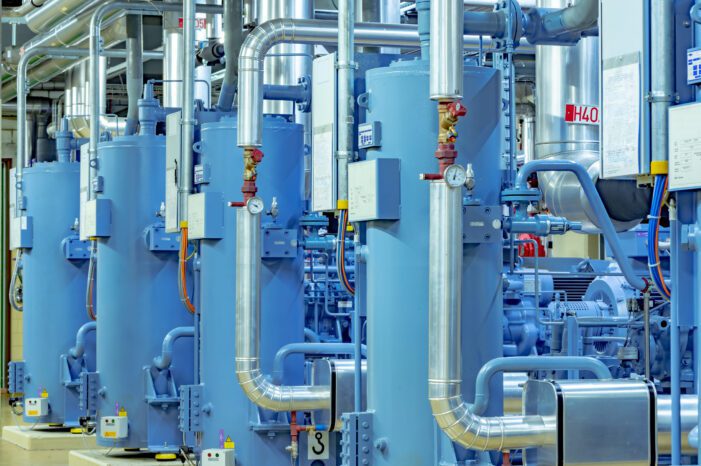
Advanced consequence modelling supports ammonia risk assessments and helps improve safety in storage, transport, and use.

Gexcon UK’s Energy Transition Technical Lead, Dr Karina Almeida Leñero will be presenting at FABIG Technical Meeting taking place this Thursday 7th October 2021.

See how FLACS models hazards from chemicals like styrene and VCM in polymer industries to support process safety decisions.
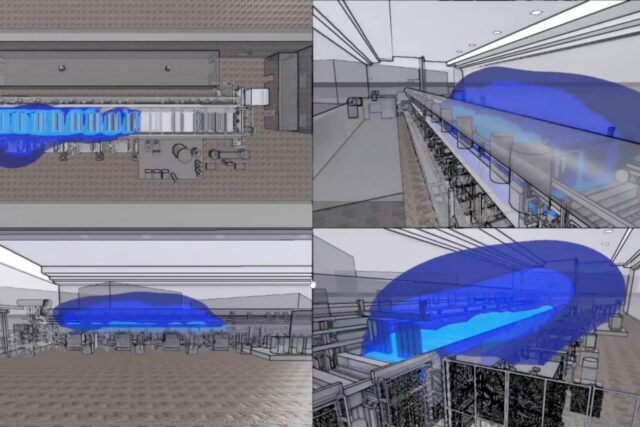
This presentation shows how detailed dispersion and ventilation modelling of hydrogen cyanide (HCN) in a closed space can support safer decision-making.
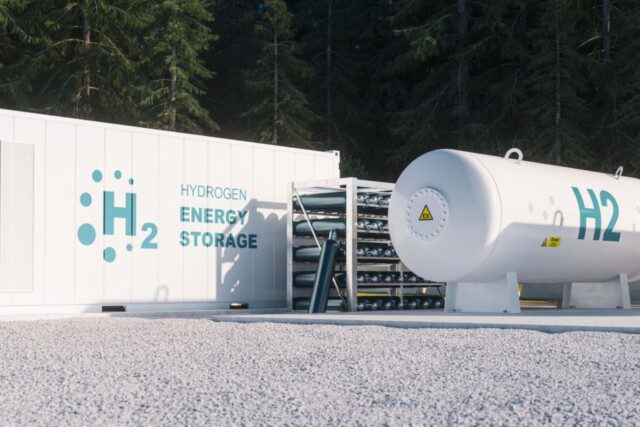
Learn why CFD is important in designing bulk hydrogen storage, helping to predict release behaviour, dispersion, and explosion risks.
We are pleased to announce that we will be presenting at this year’s Hazards31 which will be held virtually on 16-18 November 2021.

Learn how poor dust system design led to a major plant explosion and what steps to take to prevent similar combustible dust incidents.

Learn how Gexcon supported safety assessments for the UK’s first multifunctional LNG terminal through advanced modelling and expertise.

Learn how to model dense gas dispersion in urban areas, accounting for buildings, terrain, and wind to improve safety assessments.

We are pleased to announce that Gexcon UK’s FLACS-CFD Technical Lead & Senior Engineer, Pablo Giacopinelli, will be presenting at the 2nd Conference on Process Safety in the Oil & Gas industry
