Resources
Read our brochures, case studies, blogs and other resources from the insights of our experts.
Read our brochures, case studies, blogs and other resources from the insights of our experts.

MES enters into a multi-year contract to expand its capability in the area of advanced risk and consequence modelling using FLACS.

Gexcon is a prominent contributor to the IChemE community and so are excited to announce their participation in the upcoming Hazards 33 Process Safety Conference, taking place 07 -09 November
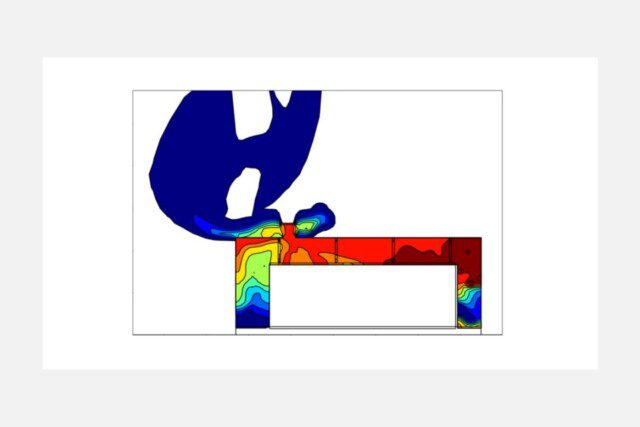
ENGIE Lab CRIGEN presents the HyCARE Project and how FLACS plays a key role in verifying the safety of the developed hydrogen storage systems.
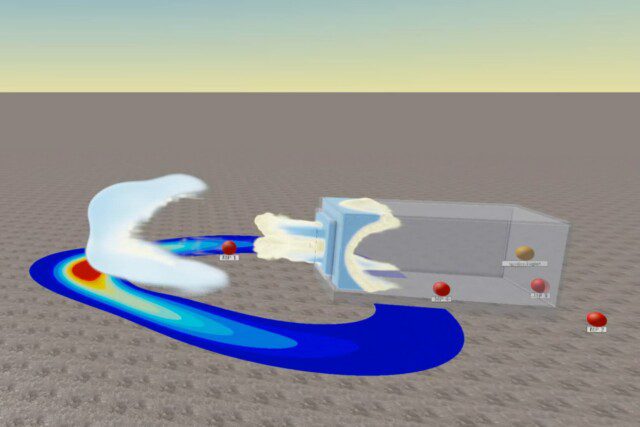
FLACS is compared with experimental data to assess the applicability of the ongoing CFD modelling guidelines in France for land use planning.
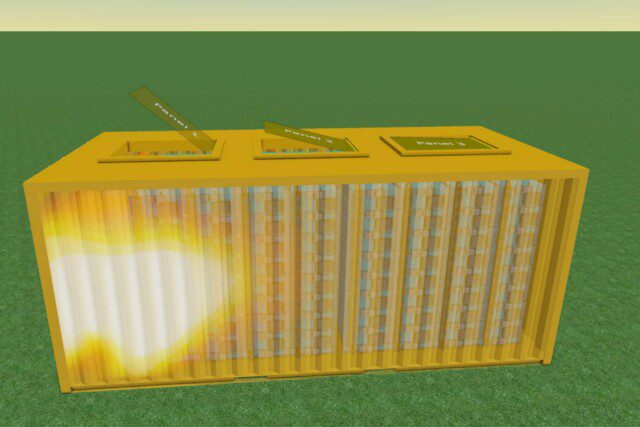
Learn how FLACS is used to simulate battery thermal runaway and compare results with experimental data for reliable analysis.
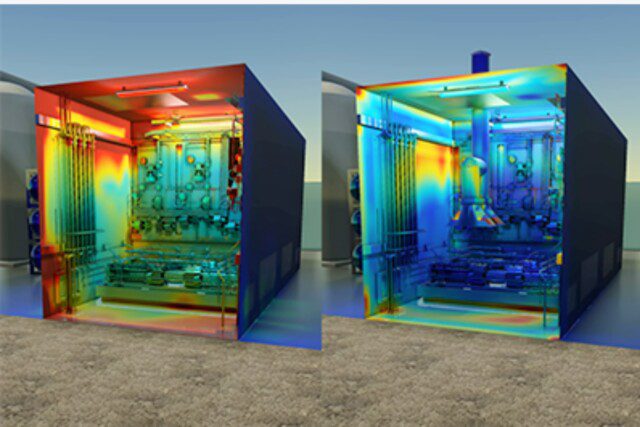
See how FLACS can assess if ventilation in enclosed hydrogen systems keeps leaks below flammable limits for safer compressor system design.
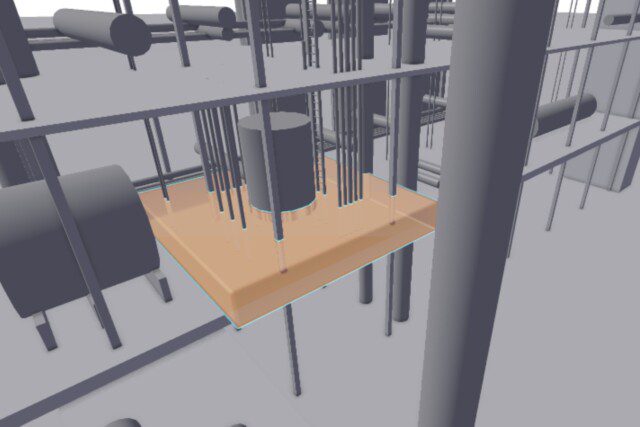
See how FLACS is used to study early peak overpressures at large distances immediately after ignition and what factors influence this behaviour.
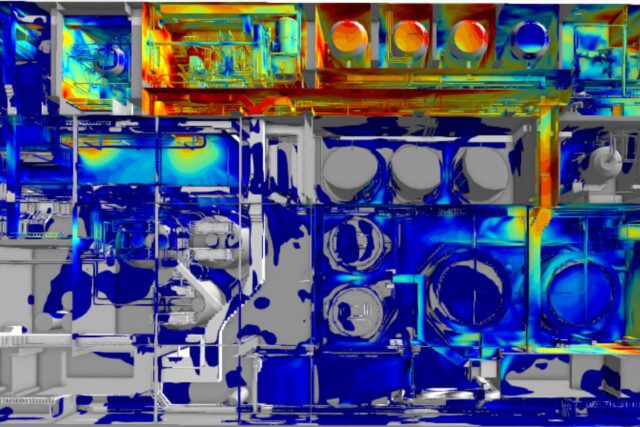
Get practical tips on combining consequence and structural response studies, including how to map blast loads to FEM models.
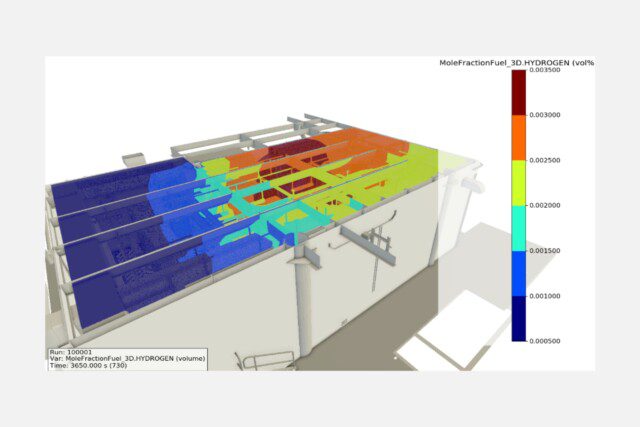
See how FLACS is used to evaluate hydrogen build-up risks in battery rooms with air recirculation and ceiling obstructions.
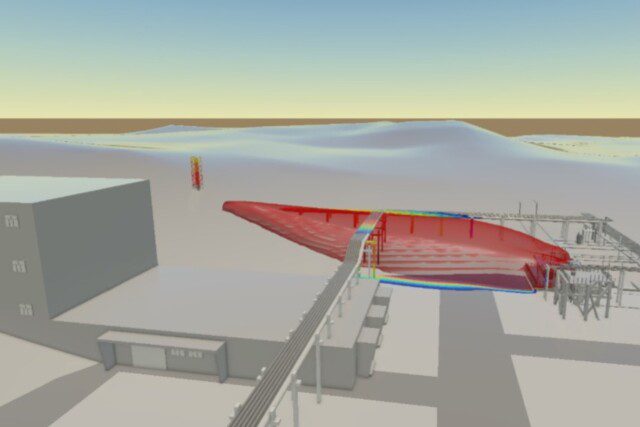
Find out how different modelling approaches assess ammonia release scenarios and support better risk management decisions.
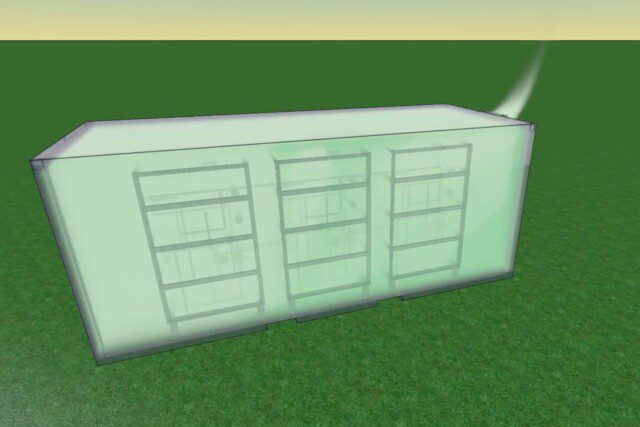
See how FLACS is used to simulate hydrogen dispersion in confined containers and support safer hydrogen system design and operation.
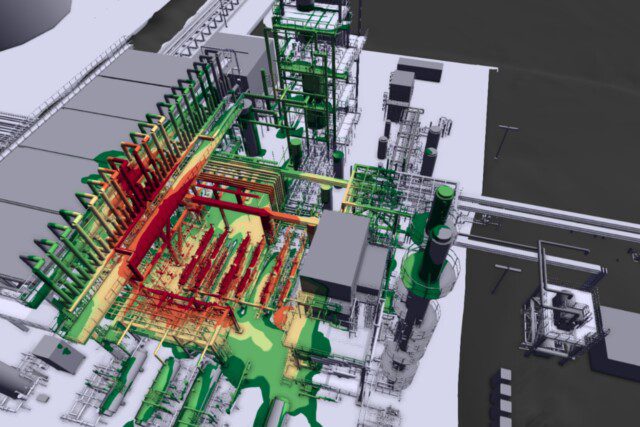
See how to combine Gexcon’s X-Suite software—EFFECTS, FLACS, and RISKCURVES—to carry out safety studies more efficiently.
