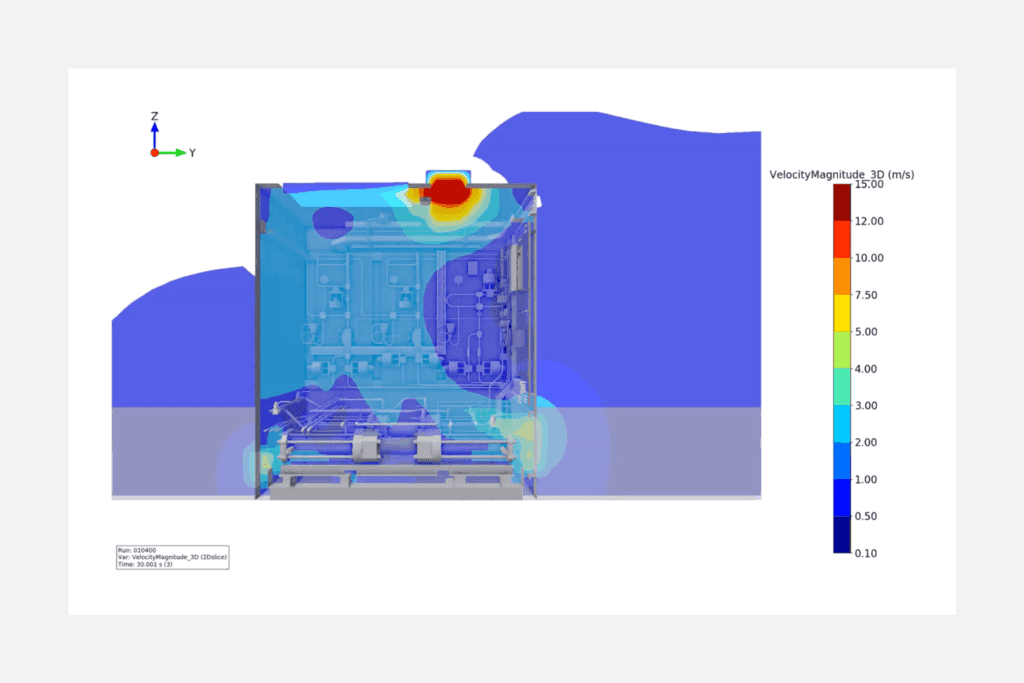
About the webinar
Is ventilation enough to keep facilities handling hydrogen safe?
Hydrogen is poised to become a pillar in the transition towards a more sustainable energy system.
As a result, many governments, businesses, and research institutions are looking to use hydrogen as an alternative to natural gas, in particular for power and transport applications (gas turbines, hydrogen fuel cells and hydrogen combustion engines).
Although the industry has extensive experience in using hydrogen as part of manufacturing processes, many new applications require hydrogen to be deployed close to the public. However, there seems to be a lack of awareness, particularly among new entrants, of the very different properties and explosion characteristics of hydrogen compared to natural gas.
One crucial difference is the difficulty that typical ventilation systems have in diluting a hydrogen leak to concentrations below which no damaging overpressure is expected. In natural gas applications, ventilation is a well-established component of the “basis of safety” in enclosures (compressor shelters, gas turbines). However, when using hydrogen, ventilation alone might not be enough to achieve a non-flammable atmosphere. This presentation will present examples of hydrogen leak dispersion in enclosures and the potential explosion overpressures that could be expected.
We will show the influence of the size of the gas cloud on the severity of the explosion and the effect of different ventilation arrangements. Possible mitigation strategies will then be presented, to enable the safe deployment of hydrogen in applications that require close proximity to the public.
This presentation is part of FLUG 2022.
What you will learn
- How leak size and ventilation layout affect explosion risk.
- Safer design options for hydrogen systems near the public.
Meet the speaker

Pablo has more than ten years of experience in conducting CFD studies in various industries, including O&G, nuclear, biomass, and civil and aerospace engineering, with a primary focus on modelling the consequences of explosion and fire phenomena and dispersion hazards such as flammable vapours and toxic exposures.
He is an Aeronautical Engineer who graduated from the National University of La Plata (Argentina) with postgraduate studies at the University of Manchester (UK).
Download webinar recording
Please fill in the form below to access the webinar recording.
More presentations from FLUG 2022
Browse the full collection of presentations from the FLUG 2022 event.
2022 FLUG Meeting registration is now open
The registration for the 2022 FLUG Meeting, taking place virtually on 31 October – 3 November, is now open!
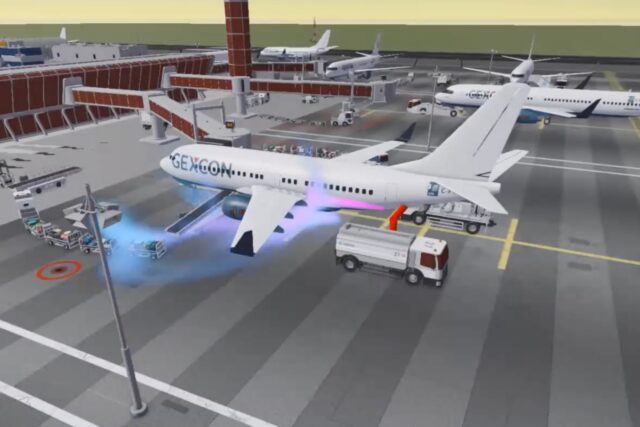
Can we fly safely on liquid hydrogen? Using advanced modelling tools to understand the hazards
See how advanced CFD modelling can be used to understand the hazards from potential LH2 release scenarios while refuelling an aircraft.
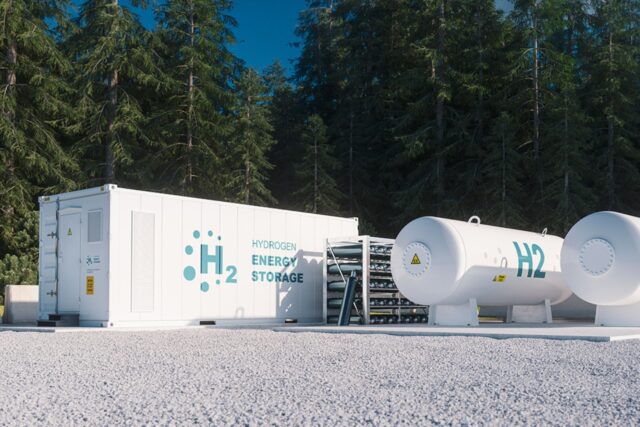
Combustion modelling of hydrogen in FLACS
See how Gexcon is improving hydrogen combustion modelling in FLACS to reduce conservatism and support better safety assessments.

Numerical study of hydrogen leakage, diffusion, and combustion in an outdoor parking space under different parking configurations
See how FLACS helps assess hydrogen release and fire risks for fuel cell vehicles in outdoor parking setups.
CO2 dispersion modelling in FLACS
Understand CO2 dispersion modelling examples, challenges, and insights from Aker Solutions.
Numerical study on helium dispersion and ventilation in a semi-enclosed channel with FLACS-Hydrogen
See how CFD and experiment compare in modelling helium dispersion to improve hydrogen safety in confined or semi-enclosed areas.
LNG Model Evaluation Protocol (MEP)
The presentation provides a summary of the completed MEPs and an outlook towards the remaining work.
Jack Rabbit III project on ammonia dispersion modelling
See how large-scale trials in the Jack Rabbit III project can help improve ammonia dispersion modelling for better safety assessments.
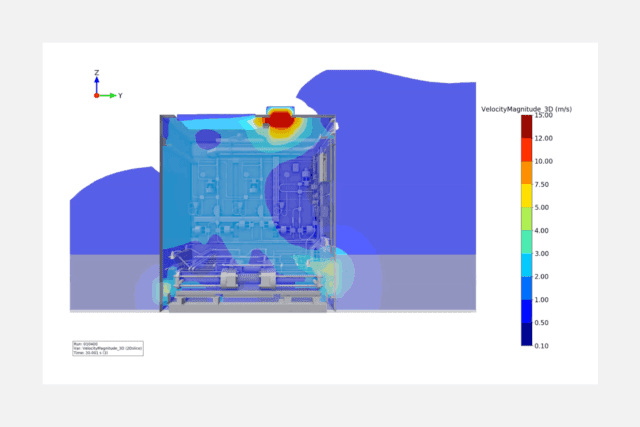
Is ventilation your trustworthy old friend when it comes to hydrogen
See why typical ventilation may not be enough for hydrogen safety and explore safer options for public-facing hydrogen applications.
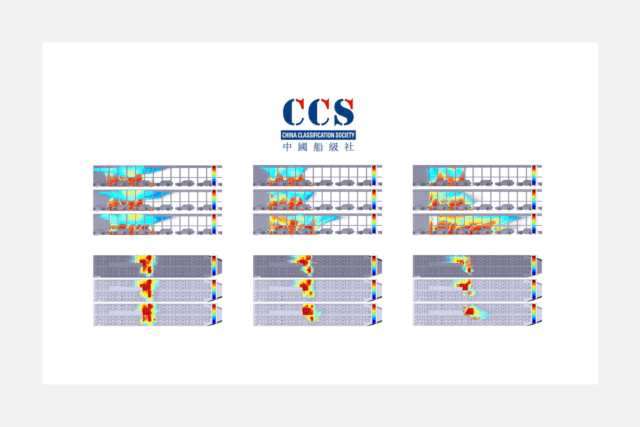
Consequence analysis of thermal runaway of lithium battery-powered vehicles on ro-ro ships
Learn how FLACS helps assess thermal runaway risks from lithium battery vehicles on ro-ro ships and improve fire response design.
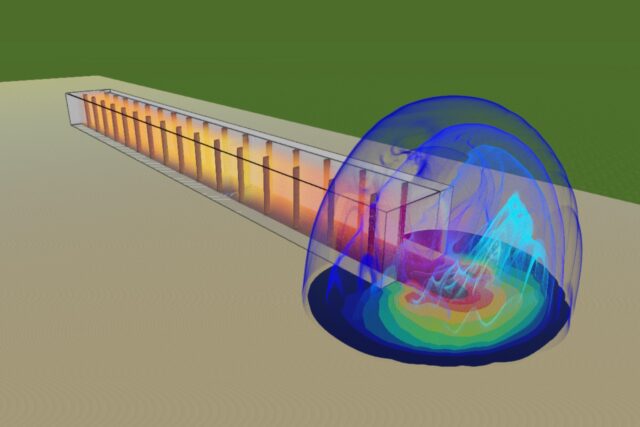
New detonation modelling in FLACS
Learn about the new detonation modelling in FLACS based on HYEX Safety’s experience and Gexcon’s implementation.
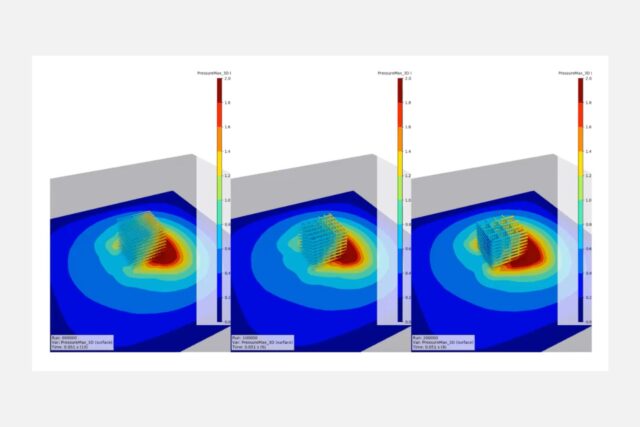
New mesh geometry handling in FLACS
Gexcon presents the work that has been done so far on the new mesh geometry handling in FLACS.
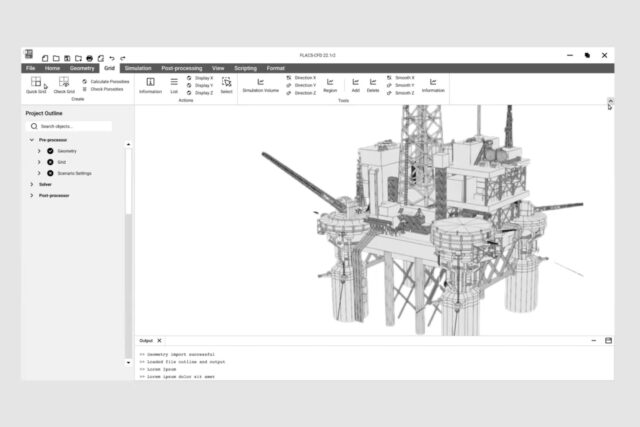
New UX of FLACS
A presentation where Gexcon and Creative Navy show the development of new UX for FLACS.
The direction of FLACS at FLUG 2022
Learn about the roadmap for FLACS development.
Stay ahead in process safety and risk management
Get the latest trends in the field of process safety management straight to your inbox, and enhance your skills through knowledge sharing from industry experts.
Subscribe to our newsletter