We actively contribute to research that advances process safety knowledge and technology, helping to enhance safety measures, minimise risks, and prevent incidents.
Our commitment extends to driving continuous improvement in safety practices, creating safer environments for people, assets, and the planet.
Our recent work addresses hazards from emerging technologies in conventional and renewable energy, including hydrogen safety, biofuels, solar panel production, vapour cloud explosions (VCE), rapid phase transitions (RPT), and the production, storage, and use of liquefied natural gas (LNG), as well as carbon capture and storage (CCS).
Key Projects
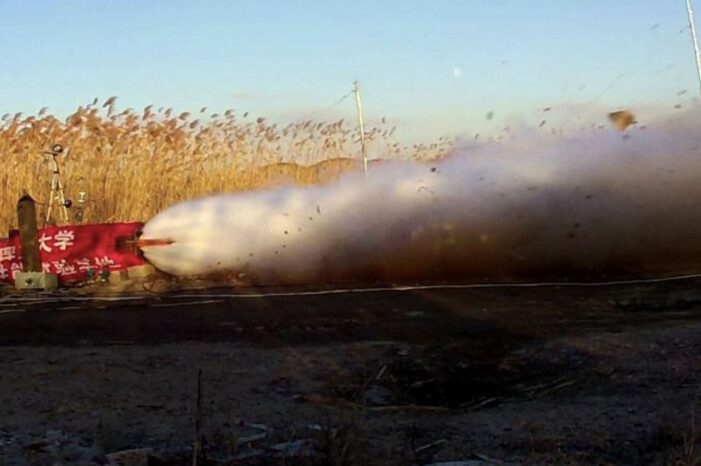
CO2PipeHaz
Quantitative Failure Consequence Hazard Assessment for Next Generation CO₂ Pipelines.

Large-scale DDT Testing – RPSEA Project Award
The project’s objective is to identify the triggers for deflagration-to-detonation transition (DDT), explore mitigation strategies, and improve the accuracy of predictive tools for enhanced safety.
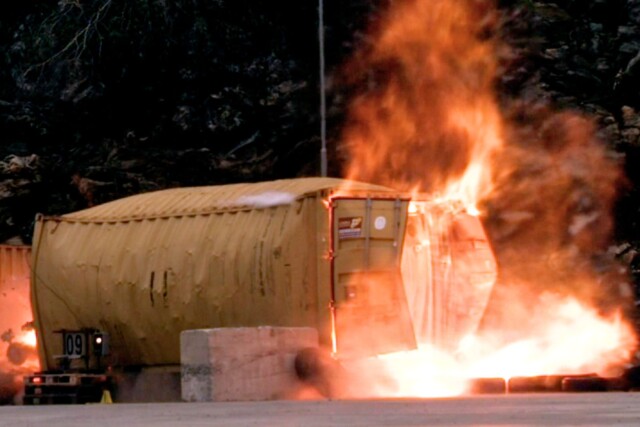
HySEA
Pre-normative research on vented deflagrations in enclosures and containers for hydrogen energy applications.
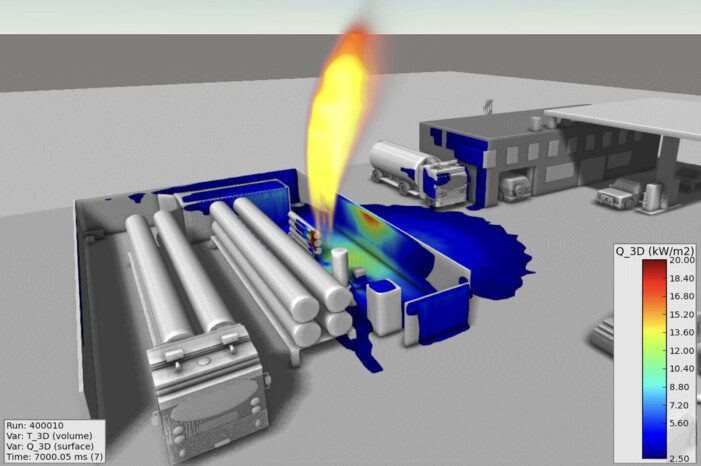
Hy3DRM (3D Risk Management for hydrogen installations)
The project set out to develop the 3DRM concept for hydrogen installations, including a prototype of a hypothetical hydrogen filling station.
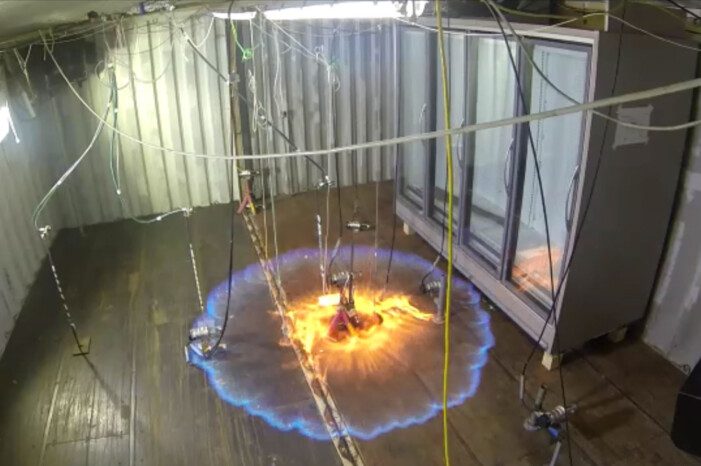
Fire Hazard Evaluation of A3 Refrigerants
The project aims to evaluate the fire hazard of R-290 propane in refrigeration appliances used in commercial retail and kitchen settings.
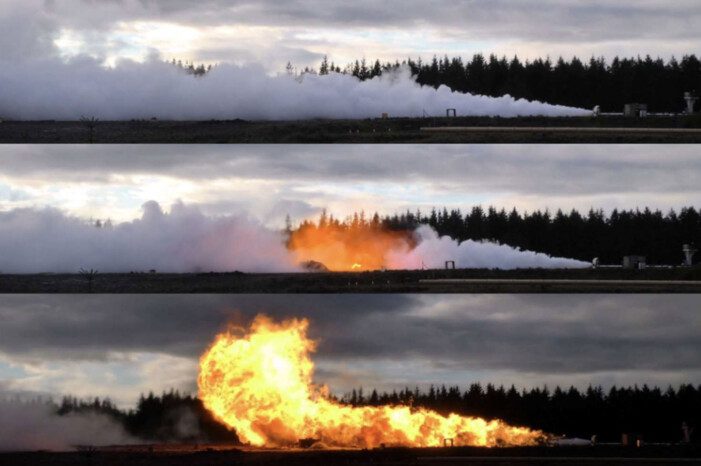
AIRRE (Assessing the influence of real releases on explosions)
The project aims to improve understanding of the effect realistic releases and turbulent flow conditions have on the consequences of accidental gas explosions in the petroleum industry.
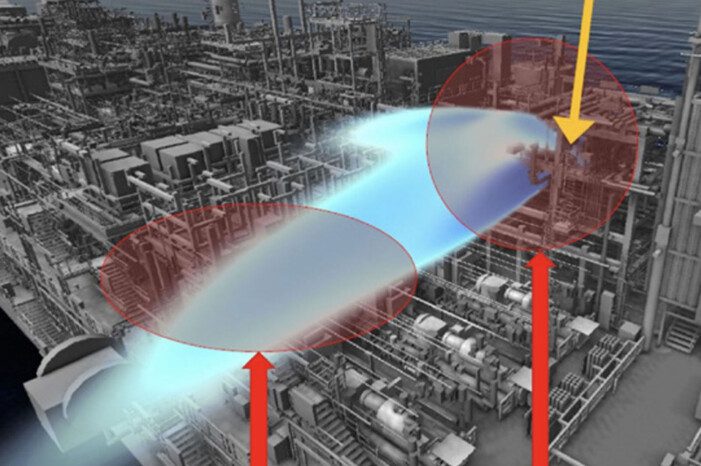
Gas Detector Layout Optimisation – Fortissimo
Optimising gas detector layouts in hazardous manufacturing and production plants with FLACS.
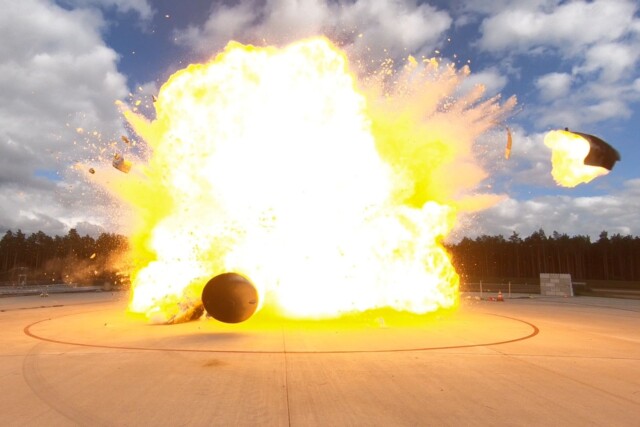
SH2IFT
The SH2IFT (safe hydrogen fuel handling and use for efficient implementation) project focuses on on consequences of handling and use of large volumes of hydrogen within closed and semi-closed environments and in maritime transport.

Liquid hydrogen supply chain in Norway for maritime applications – Pilot-E
A project to develop Norway’s national hydrogen infrastructure, securing reliable LH2 supply for decarbonising maritime transport.

Hellesylt Hydrogen Hub – Pilot-E
The project aimed to develop a hydrogen production facility for ferries, cruise ships, and other mobility applications.
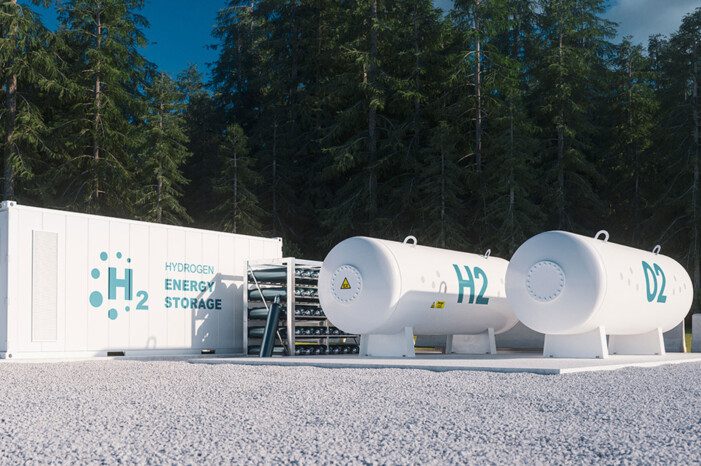
SAFEN
SAFEN aims to establish the knowledge required to develop risk-based methodologies enabling cost-efficient safety design for hydrogen, ammonia, and CO2 facilities.
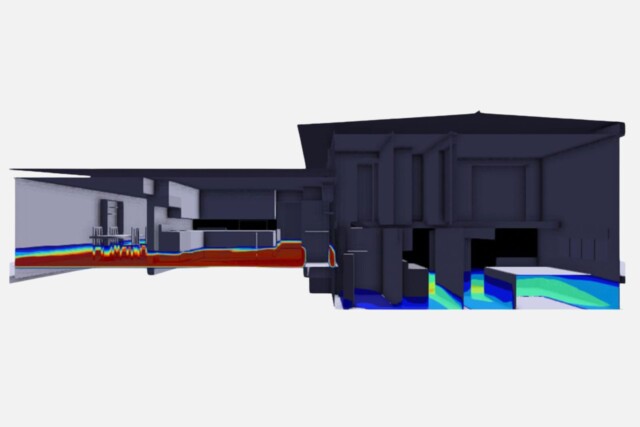
Combustible Gas Dispersion in Residential Occupancies and Detector Location Analysis
Gexcon has been involved in an NFPA research project supporting the development of NFPA 715.

SH2IFT-2
The second part of the SH2IFT (safe hydrogen fuel handling and use for efficient implementation) project explores a risk-based approach for operational safety.
