
What is Carbon Capture, Utilisation, and Storage (CCUS)?
Carbon Capture, Utilisation, and Storage (CCUS) is a set of technologies aimed at reducing carbon dioxide (CO2) emissions. It involves capturing CO2 emissions from industrial processes and either using it in industries such as chemical production or storing it underground in geological formations. CCUS plays a crucial role in mitigating climate change by preventing anthropological CO2 emissions from entering the atmosphere. This is a key method for achieving the net-zero CO2 emissions by 2025 agenda.
What is Hazardous Area Classification and how is it used in the CCUS industry?
Hazardous Area Classification (HAC) is used to identify and assess areas where explosive atmospheres may occur due to the presence of flammable substances. The aim of HAC is to identify these zones in order to ensure the avoidance of ignition sources where a flammable atmosphere may be present. Athough CO2 is a non-flammable gas, other gases used in the carbon capture processes, such as CO or H2S, are flammable and therefore explosive atmospheres may be present.
HAC involves evaluating the likelihood of flammable atmospheres forming and determining their extent. The HAC subsequently facilitates implementation of suitable safety measures, from equipment design and specification, ventilation requirements and consequence mitigation measures. By performing HAC assessments, CCUS projects can effectively manage risks associated with flammable zones, enhancing both safety and operational efficiency.
Classification of Hazardous Areas: Zoning
DSEAR describes hazardous areas as “any place in which explosive atmosphere may occur in quantities such as to require special precautions to protect the safety of workers”. The application of zones allows distinction between areas according to the likelihood of the presence of an explosive atmosphere to ensure appropriate control measures are implemented. They include:
- Zone 0 (20): An area where an explosive gas (dust) atmosphere is continuously present or present for long periods.
- Zone 1 (21): An area where an explosive gas (dust) atmosphere is likely to occur occasionally in normal operation.
- Zone 2 (22): An area where an explosive gas (dust) atmosphere is not likely to occur in normal operation but, if it does, will only persist for a short time.
Hazardous Area Classification: Assessment Steps
Hazardous Area Classification (HAC) involves 5 key steps to determine the likelihood and extent of explosive atmospheres in a facility. In the context of CCUS, these steps are tailored to the specific hazards associated with the capture, transportation, and storage of CO₂ and any other associated chemicals.
- Identifying Potential Sources of Flammable Atmospheres: The first step involves identifying where flammable gases or vapours may be present, this includes both presence of flammable atmospheres inside process equipment as well as outside equipment. Releases outside equipment considers both intended releases, such as venting, and unintended releases i.e. loss of containment.
- Assessing the Likelihood of Occurrence: The next step is to determine the likelihood of an explosive atmosphere forming. Evaluation of likelihood should consider the presence of flammable gases in normal operation as well as foreseeable deviations. Foreseeable deviations includes both leaks (generally small leaks) as well as situations which may result in flammable atmospheres within process equipment which would not otherwise be expected to handle flammable materials. For example, CO₂ streams which are sourced from natural gas processing may contain H2S.
- Classifying Zones: Once the potential sources of flammable atmospheres and the associated likelihood of occurrence is determined, the zone can be defined based on the definitions above. Once the zone classification is established, the extent of the zone must also be determined.
- Determination of Zone Extent: The extent of the hazardous area id defined based on the predicted extent of the flammable concentrations from the source of release. For releases outside equipment, this is determined based on calculation methodologies set out in relevant industry standards, which consider release conditions (e.g. hole size, pressure, temperature) and availability of ventilation. For flammable atmospheres inside equipment, the zone extent will consider the vessel volume and may also consider connected equipment.
- Application of Zones: Once zones have been established, these should form the basis of safe operation, informing key safety measures including, but not limited to, equipment selection, design of ventilation systems, plant layout and occupancy levels. The HAC for the facility must be subject to periodic review, and must also be reviewed in the event of any changes in operations, such as the introduction of new equipment or modifications to existing systems.
Summary
Hazardous Area Classification (HAC) is essential in ensuring proper management of risks associated with handling flammable materials through control of ignition sources. In CCUS projects, performing a HAC ensures the safe operation of CO₂ capture, transport, and storage systems.
By classifying zones and using this information to facilitate the implementation of appropriate control measures, the risks associated with explosions and fires are mitigated. Ultimately, this contributes to a safer environment for workers and more reliable CCUS operations, helping to achieve the broader goal of reducing carbon emissions.
Authors

Louise Black
Principal Engineer at Gexcon
Related insights
Browse additional insights to deepen your understanding and stay informed on related topics.
CO2 risk assessment with RISKCURVES
This final episode explains how RISKCURVES QRA software complements EFFECTS consequence modelling tool in analysing the risk of CO2 transport for CCUS projects.

Modelling CO2 releases in CCUS with EFFECTS
This white paper explores how EFFECTS consequence modelling software supports safety engineers, risk analysts, and project managers in modelling CO2 release scenarios.
CO2 hazard modelling
This webinar discusses CO2 hazard modelling and demonstrates how advanced tools can be used to accurately assess and mitigate CO2 risks.

CO2 hazards in Carbon Capture, Utilisation, and Storage (CCUS)
An overview of the key safety concerns related to CO2 in CCUS technology, examples of accidents involving large CO2 releases, and safety measures.

Modelling of CO2 pipeline rupture events
This presentation explores the potential consequences at the surface from a rupture in a subsea pipeline.
CO2 hazard modelling with EFFECTS
The fourth episode explains how the EFFECTS consequence modelling software helps address the CO2 hazard modelling challenges.
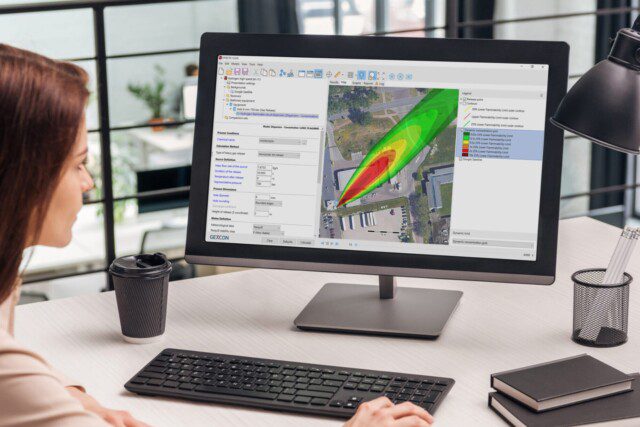
Advanced dispersion modelling to support safe energy transition with EFFECTS
Learn about the latest advancements in EFFECTS software’s dispersion modelling and the practical applications in supporting safe energy transition.
Stay ahead in process safety and risk management
Get the latest trends in the field of process safety management straight to your inbox, and enhance your skills through knowledge sharing from industry experts.
Subsribe to our newsletter