Carbon Capture, Utilisation, and Storage (CCUS) is an essential technology for reducing carbon dioxide (CO2) emissions and supporting the transition to a net-zero energy system. However, like any industrial process, CCUS carries certain risks that must be carefully addressed, in this case, particularly due to the large volumes of CO2 involved and operational conditions associated with carbon dioxide’s unique properties.
This blog provides an overview of the key safety concerns related to CO2 in CCUS technology, highlights examples of accidents involving large CO2 releases, and outlines the measures in place to protect both people and the environment.
How CCUS works
CCUS involves capturing CO2 from industrial sources, transporting it, and either storing it or using it in other applications. Let’s take a look at how the process works in a nutshell.

Capture
The first step in CCUS is capturing CO2 emissions from large-scale industrial processes, such as power generation, cement production, or chemical manufacturing. There are several methods to capture CO2:
- Pre-combustion capture1: Pre-combustion capture involves removing CO2 from fuels prior to combustion. The process begins with the gasification of the fuel to produce syngas—a mixture of hydrogen, carbon monoxide, CO2, and other gases. The syngas is then subjected to a water-gas shift reaction, converting CO and water into hydrogen and CO2. Finally, the CO2 is separated, leaving behind a hydrogen-rich fuel ready for combustion.
- Post-combustion capture2: This method captures CO2 from flue gases after combustion. It’s the most commonly used method in power plants and can be retrofitted to existing facilities.
- Oxy-fuel combustion3: Fuel is burned in pure oxygen instead of air, producing a flue gas that is mainly CO2, making the separation process more efficient.
Once captured, the CO2 is compressed into a liquefied state for easier transportation.
Transportation
After capture, CO2 is transported to either a storage location or a utilisation site. This is usually done through pipelines, but trucks, ships, and even trains can be used for smaller quantities or when pipelines are not feasible. Pipelines are the most common mode of transport, especially in regions with a well-established network for oil and gas.
Utilisation
Captured CO2 can then be utilised in various applications, such as Enhanced Oil Recovery (EOR), where it is injected into oil fields to boost extraction rates or in the production of chemicals, plastics, and even carbonated beverages. These uses not only add value but also help offset the costs associated with capturing and storing CO2.
Storage
The final step involves permanently storing CO2 in geological formations, such as depleted oil and gas fields or deep saline aquifers. This process, known as geological sequestration, ensures that the CO2 is trapped securely and monitored over time to prevent leakage. Storage sites are carefully selected based on their ability to retain CO2 over long periods without risk of release.
Key safety concerns in CCUS technology
While CCUS offers considerable environmental benefits, it also comes with safety challenges that must be managed for successful implementation. These challenges arise from the inherent risks associated with handling CO2, as well as the specific hazards present at each stage of the CCUS process.
Before discussing the risks of handling CO2, it’s important to understand its basic properties.
Understanding CO2 properties
CO2 is a colourless, odourless gas that can be naturally present in the Earth’s atmosphere. It makes up about 0.04% of the air we breathe and is a byproduct of processes like respiration and combustion.
- Physical state
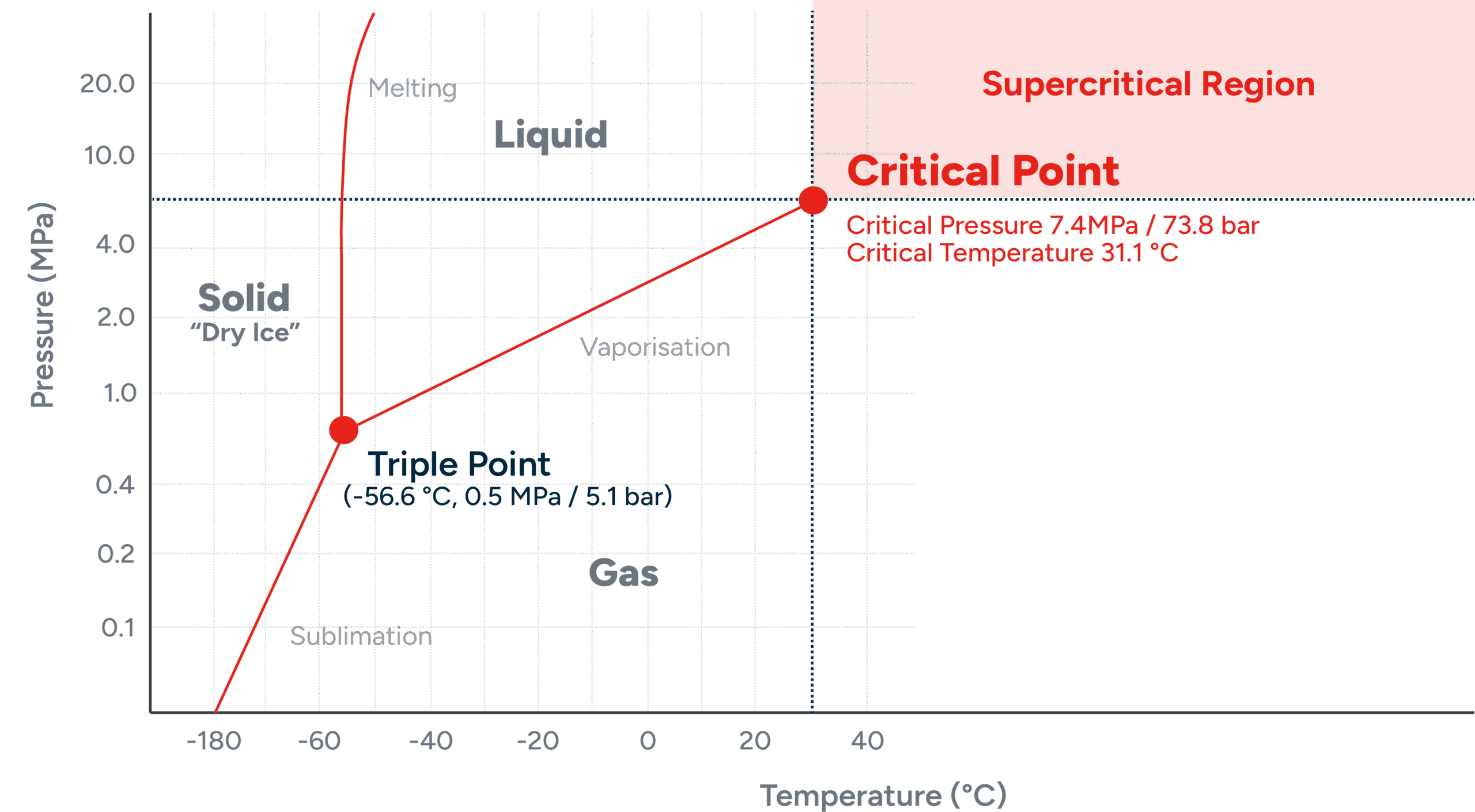
CO2 can exist in four states: gas, liquid, supercritical, and solid. Under normal atmospheric pressure, CO2 remains a gas, but when subjected to high pressure, it can be compressed into a liquid or, at very low temperatures, can be present as a solid (dry ice).
- Weight and density
CO2 is 1.5 times heavier than air, so in the event of a leak, it behaves as a heavy gas, spreading close to the ground. This can result in accumulation in low-lying areas or confined spaces.
- Solubility
CO2 is highly soluble in water, forming carbonic acid (H₂CO₃). Prolonged exposure to carbonic acid in industrial environments can cause corrosion of equipment, leading to leaks and structural damage. To mitigate these risks, strict guidelines on CO2 impurities, especially on water content, are essential.
- Non-flammable but dangerous
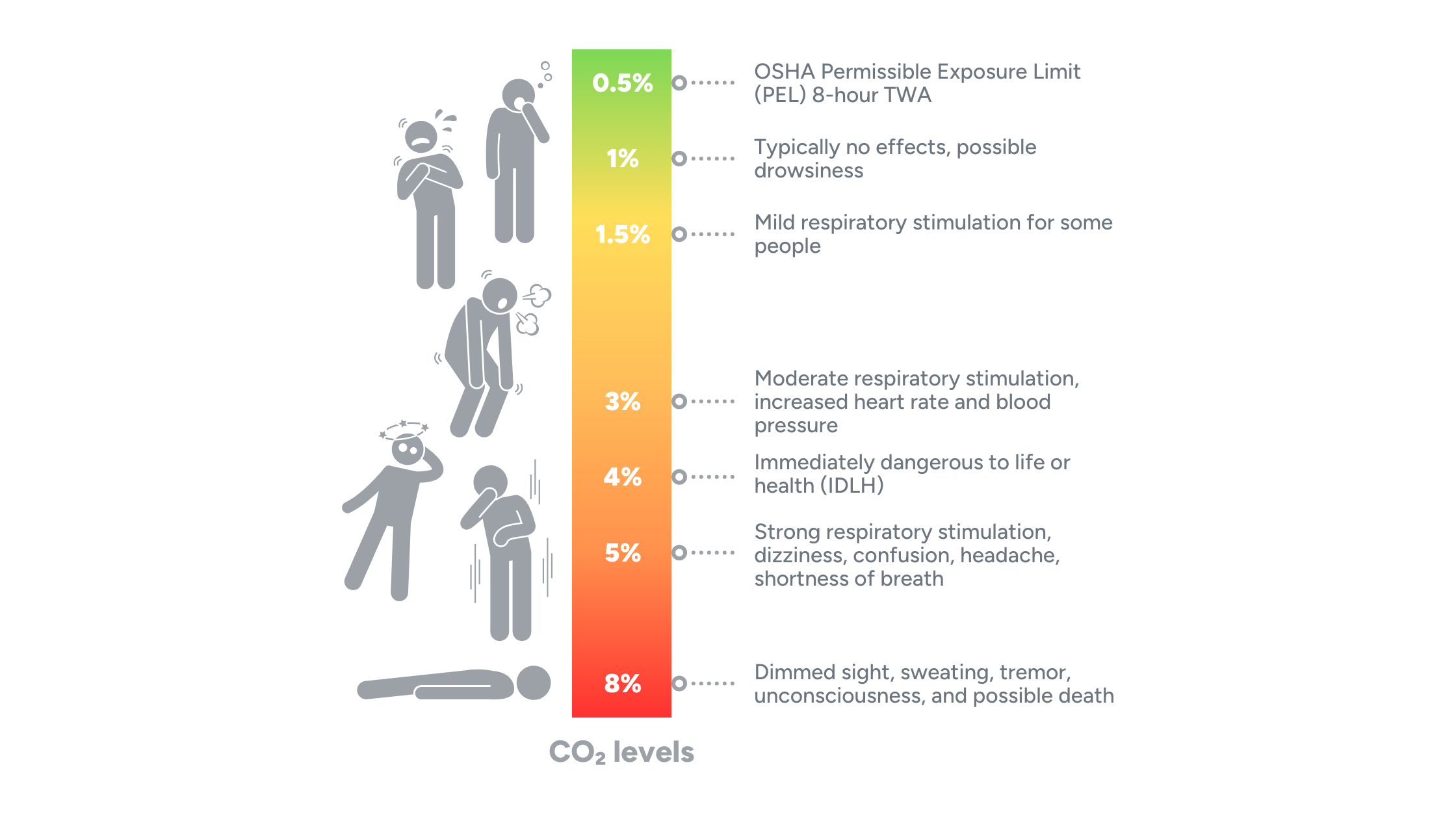
CO2 is non-flammable, making it valuable for use in fire extinguishers. However, its non-toxic classification is misleading when dealing with high concentrations. When inhaled in large quantities, CO2 can cause dizziness, unconsciousness, and in extreme cases, death, due to a decrease in the amount of oxygen available for respiration.
CO2 hazards in CCUS technology
Although CO2 can be naturally present in the atmosphere and is generally considered harmless in small amounts, managing it in the large volumes required for CCUS presents significant risks.
- Dangerous at high concentrations
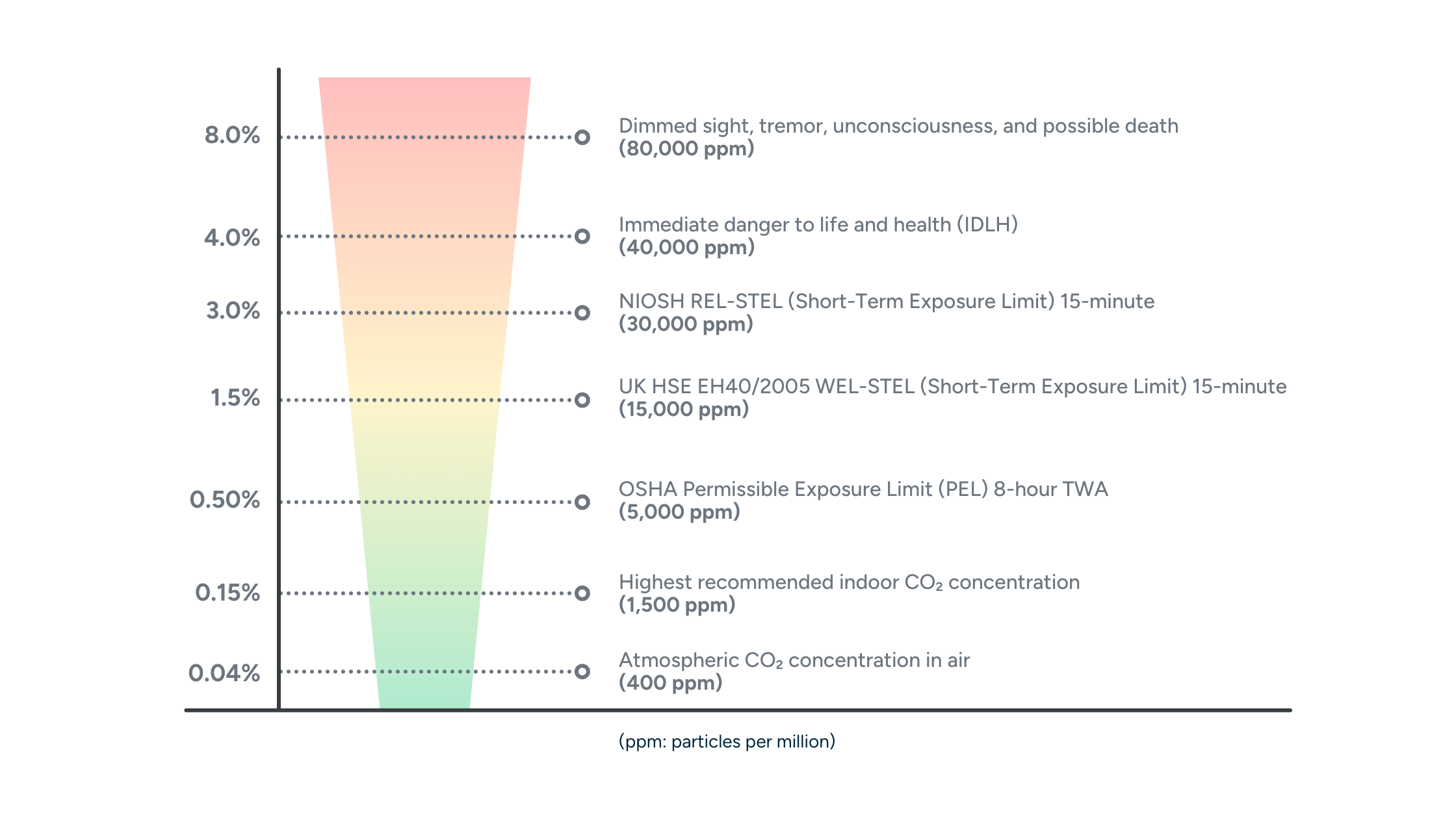
Exposure to CO2 levels above 0,5% (vol) (OSHA PEL (Permissible Exposure Limit) – TLV (Threshold Limit Value) for prolonged periods can cause symptoms such as headaches, dizziness, or nausea. At even higher concentrations, CO2 can lead to asphyxiation, with exposure to concentrations around 4% (vol) considered immediately dangerous to life and health (IDLH). This risk is especially significant in enclosed environments. As CO2 is odourless and colourless, workers may not notice its presence until it reaches dangerous levels.
- High pressure and cryogenic hazards
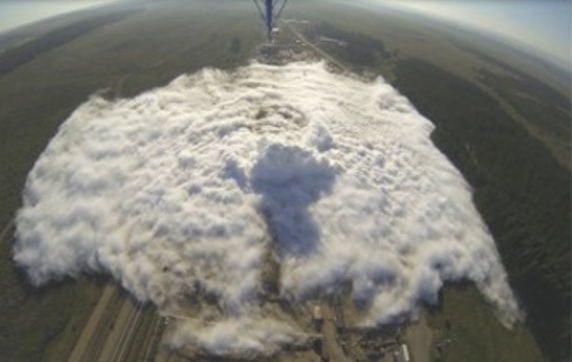
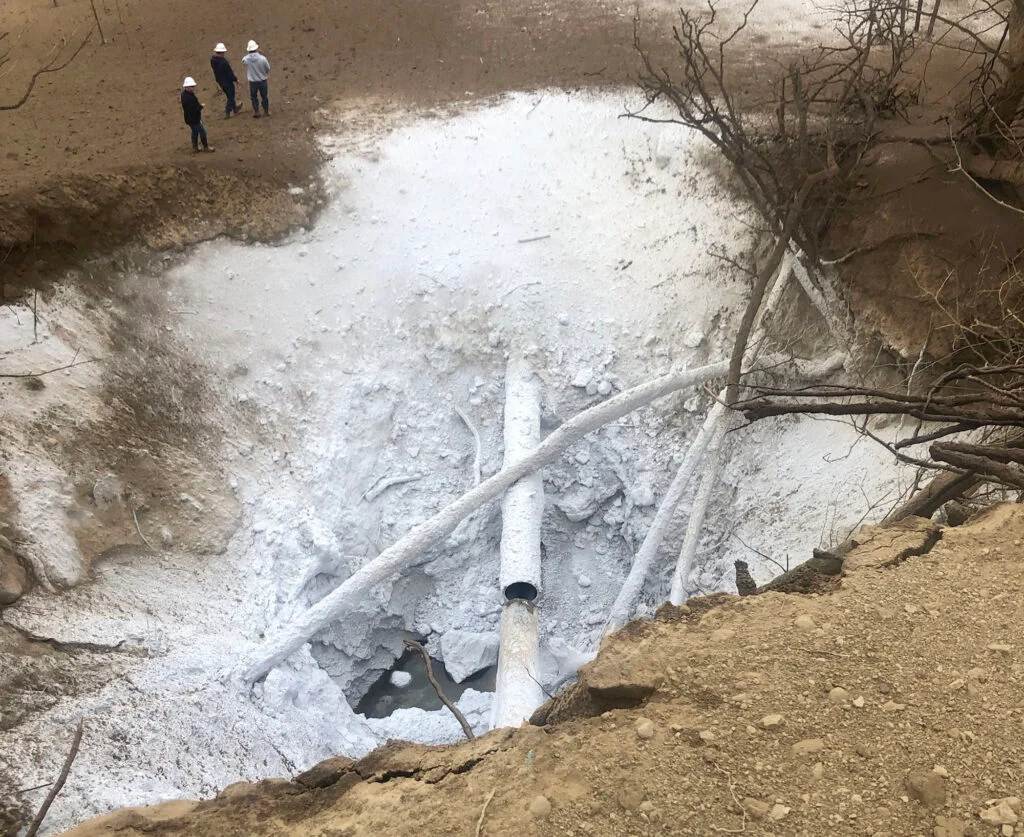
For transport and storage, CO2 is often compressed into a liquid or supercritical state, which can present additional hazards. Typically transported at high pressures exceeding 100 bar, a sudden release of pressurised CO2 can cause serious injuries or damage to equipment and infrastructure. In the case of a buried pipeline rupture, the escaping CO2 may displace soil and create a crater, which may expose other pipelines and cause a domino effect.
When cooled down due to rapid expansion, it may be present in its solid form, commonly known as dry ice and form a vapour cloud with solid droplets. The cold CO2 cloud can cause cold burns or frostbite if in prolonged contact with skin, or lung damage if inhaled.
- Leakage and environmental impact
In addition to posing health hazards, accidental CO2 leaks into the atmosphere can negate the environmental benefits of CCUS. If not properly contained, CO2 can escape from pipelines, storage sites, or during transport, potentially leading to localised environmental damage. Similar to its effect on humans, high concentrations of CO2 can cause asphyxiation risks for animals and insects in the vicinity. When dissolved in water, CO2 forms carbonic acid, which can lead to water contamination. Additionally, CO2 absorption in soil can degrade vegetation and disrupt ecosystems.
Other risks to consider in different steps of the CCUS process
Each stage of the CCUS process introduces unique hazards. While CO₂ handling itself poses risks, there are other operational challenges that can create additional dangers throughout the process that should be considered.
- The process of capturing CO2 from industrial emissions involves chemical reactions, high temperatures, and large equipment. In these processes, carbon dioxide is typically in a gaseous state, which requires adherence to standard industrial safety standards and regulations. Moreover, CO2 captured during CCUS processes is rarely pure. It typically contains other components and impurities such as water vapour, sulphur oxides (SOₓ), nitrogen oxides (NOₓ), carbon monoxide (CO) and others. Each of these additional substances introduces its own set of hazards that must be carefully considered in the design and operation of CCS facilities.
- Once captured, CO2 is compressed and transported, typically through pipelines. While CO2 is the main focus, ensuring pipeline integrity is critical. Pipelines must withstand high pressures, and any weaknesses or corrosion caused by impurities can lead to ruptures. A significant impurity of concern is water, which, when present in the CO2 stream, can combine with CO2 to form carbonic acid—a highly corrosive substance that can degrade pipeline materials. This corrosion weakens pipeline walls, reducing structural integrity and increasing the likelihood of leaks or ruptures. Another critical risk involves the presence of H2S (hydrogen sulphide). Some CO2 streams, particularly those sourced from natural gas processing, may contain H2S—a highly toxic and flammable gas that poses serious health and safety hazards if released. Current guidelines impose strict limits on H2S content to ensure safety. However, recent initiatives are exploring the possibility of allowing higher H2S levels, as the existing restrictions can require extensive purification, which some companies find challenging to meet. Such changes would need careful consideration to balance safety with operational practicality.
- In the utilisation stage, CO2 is sometimes used in chemical manufacturing. These processes may involve other hazardous materials, such as flammable or corrosive chemicals. Careful handling and control measures are necessary to prevent chemical spills, fires, or toxic exposure.
- Oil and gas fields that have already been depleted may serve as suitable sites for CO2 storage, as the same rock layers that held hydrocarbons for millions of years could securely contain CO2.5 However, it’s essential to ensure that previous drilling operations haven’t compromised the area. Uncapped or poorly sealed wells could provide pathways for CO2 to escape, which may pose an environmental impact.6 It’s also important to consider the potential for pressure build-up during CO2 injection, as this could cause certain rock layers to crack, allowing CO2 to escape back into the atmosphere.6 Additionally, if CO2 is injected at shallow depths near an aquifer, there’s a risk that it could seep into drinkable groundwater, leading to contamination.7
Examples of incidents involving large volumes of CO2 releases
Industrial CCUS accidents are typically smaller in scale and easier to contain within the facility. However, incidents that occur outside the facility, such as pipeline ruptures, tend to attract significantly more attention due to their potential for larger-scale environmental and safety impacts. These incidents highlight the risks associated with CCUS technology, particularly its potential threats to human health.
Louisiana CO2 Pipeline Leak (2024)8
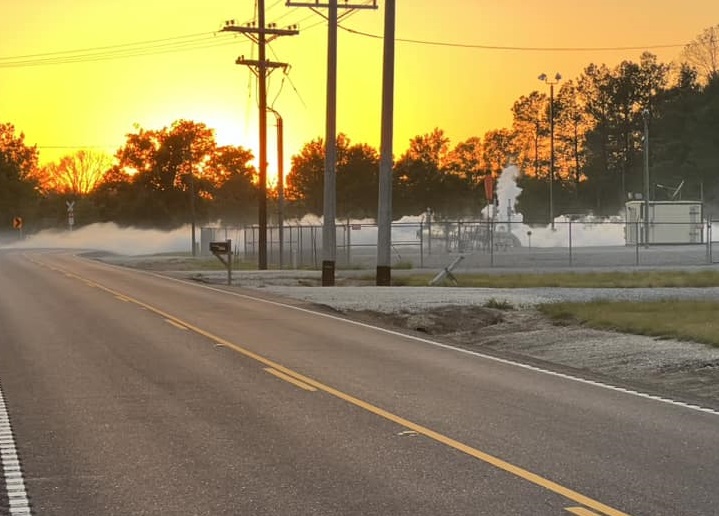
In April 2024, a high-pressure CO2 pipeline in Sulphur, Louisiana, experienced a significant leak. Approximately 100,000 gallons (379 m3) of CO2 were released over the course of two hours before the final valve was closed. The CO2 gas spread widely enough into the surrounding area that the Calcasieu Parish Police Jury issued a shelter-in-place order for residents within a quarter-mile radius of the leak site.
Mississippi CO2 Pipeline Leak (2020)
In October 2020, a CO2 pipeline near Satartia, Mississippi, ruptured, releasing over 22,000 barrels (3498 m3) of CO2 with such force that it created a 40-foot crater.9 The incident injured dozens, with 45 people requiring hospitalisation.9 Evacuation efforts for 200 residents were complicated by car engines stalling, as the lack of oxygen caused by the CO2 cloud made combustion engines fail.9
Hai Long Onshore Substation (2024)10
A recent incident in August 2024 at the Hai Long onshore substation involved a significant release of CO2 from the fire suppression system, resulting in the hospitalisation of 17 workers and tragically claiming at least one life. Although not directly related to CCUS, this event highlights the serious risks in CO2 utilisation posed by large volumes of CO2 leaks.
Mönchengladbach, Germany (2008)11
In 2008, in Mönchengladbach, Germany, 15 tons of CO2 were accidentally released from a fire suppression system. Due to a malfunction, the CO2 was vented outdoors, where still air conditions allowed the gas to displace oxygen for an extended period. Upon arriving, the fire truck’s engine stalled due to the lack of oxygen in the area. A total of 107 people were injured, with 17 requiring hospitalisations. To dissipate the CO2, a helicopter was used to hover above the gas cloud, mixing the air and reducing the gas concentration. Similar to the Hai Long Onshore Substation accident, while this incident is not directly related to CCUS, it highlights the potential risks associated with the large-scale release of CO2.
Lake Nyos (1986)12
Another notable example of the dangers of large CO2 release, although not an industrial accident, is the 1986 disaster at Lake Nyos in Cameroon. A magma chamber continuously leaked CO2 into the lake until a catastrophic event—likely triggered by a landslide or volcanic activity—caused the sudden release of an estimated 1.6 million tons of CO2. The gas, being heavier than air, flowed down the valley for over 20 km, suffocating more than 1,700 people and 3,000 livestock. Thousands of others were injured due to the lack of oxygen in the surrounding area.
CO2 risk management
As CCUS projects handle increasingly large volumes of CO2, managing its risks must be considered throughout the process to ensure the safe handling and implementation of CCUS technology. There are several key factors which need careful attention when designing or operating CCUS technology:
- Fully understand the physical and chemical properties of CO2 (e.g., colourless, odourless, heavier than air), along with its potential dangers.
- Train personnel to ensure they are fully prepared to handle CO2 safely and respond effectively to emergencies.
- Select appropriate materials that ensure the integrity of pipelines and equipment, with particular attention to safety-critical components, to prevent failures and maintain operational reliability.
- Carry out comprehensive hazard identification studies and risk assessments to systematically identify and evaluate potential hazards early in the design phase.
- Address potential hazards not only for pure CO2 but also for any impurities present, as these can introduce additional risks that require careful consideration.
- Use a modelling approach to assess the potential consequences and risks associated with CO2. This method offers a clearer understanding of risks for decision-making, which is especially valuable for large-scale projects like CCUS, where making informed choices is crucial for both safety and investment.
- Clear communication with stakeholders, local emergency responders, and communities is essential for preparing an effective response in the event of a CO2 leak.
- Consider implementing advanced leak detection technologies, such as infrared cameras and gas sensors, which can help identify and address CO2 leaks promptly. Continuous monitoring of storage sites and transportation infrastructure is crucial to ensure early detection of any anomalies.
- Develop and regularly update emergency response plans that address specific potential scenarios related to CO2 leaks or releases. This includes ensuring that evacuation procedures are clear and efficient, with designated evacuation routes and protocols that ensure personnel and the surrounding community can evacuate quickly and safely in the event of a CO2 release.
Watch a webinar to see the challenges of modelling CO2 releases and learn how consequence and risk modelling tools can support.
Learn moreConclusion
Handling large volumes of CO2 comes with inherent risks, which makes understanding these dangers essential for the safe implementation of CCUS technology. Beyond CO2 itself, it’s also important to recognise the other potential hazards that arise throughout the different stages of the CCUS process, from capture to storage.
CCUS is a promising way to cut greenhouse gas emissions and move toward a more sustainable future. But safety must come first. By addressing the safety concerns and implementing appropriate measures, we can effectively manage the risks associated with CCUS.
References
1. Raganati, Federica, et al. (2021). Adsorption of Carbon Dioxide for Post-Combustion Capture: a Review. Energy Fuels, vol. 35, no. 16, pp. 12845–12868. Retrieved from: Link
2. U.S. Department of Energy, Office of Fossil Energy and Carbon Management. (n.d.). Pre-Combustion Carbon Capture Research. Retrieved from: Link
3. International Energy Agency. (n.d.). Timely Advances in Carbon Capture, Utilisation and Storage. Retrieved from: Link
4. Ahmad, M., et al. (2015). COSHER joint industry project: Large scale pipeline rupture tests to study CO2 release and dispersion. International Journal of Greenhouse Gas Control, 37, 340-353. https://doi.org/10.1016/j.ijggc.2015.04.001
5. Moghanloo, Rouzbeh Ghanbarnezhad, et. al. (2017). Challenges Associated with CO2 Sequestration and Hydrocarbon Recovery. Retrieved from: Link
6. MIT Climate (2024) What is the risk that CO2 stored underground after carbon capture will escape again? Available at: Link
7. MIT Climate (2021) Is there a danger that pumping liquid carbon dioxide underground could have the same negative impacts as fracking? Available at: Link
8. Cagle, Alison. Clean Energy Program. (2024). A Leaking CO2 Pipeline Can Cause Suffocation Within a Minute. The Government Needs to Regulate Them, Fast. Retrieved from: Link
9. Oil & Gas Watch (2024) Data shows Denbury’s carbon pipelines leak more than any other CO2 pipeline company’s. Available at: Link
10. Offshore WIND (2024) CO2 Leak at Hai Long Onshore Substation Claims Life. Available at: Link
11. ARIA (Analysis, Research and Information on Accidents) Database, French Bureau for Analysis of Industrial Risks and Pollutions. (2008). Accidents with CO2 extinguishing systems. Retrieved from: Link
12. Barberi, F., et. al. (1989). The gas cloud of Lake Nyos (Cameroon, 1986): Results of the Italian technical mission. Journal of Volcanology and Geothermal Research, 39(2–3), 125–134. https://doi.org/10.1016/0377-0273(89)90053-X
Authors

Viktoria Bohacikova
Technical Product Specialist at Gexcon
Related insights
Browse additional insights to deepen your understanding and stay informed on related topics.
Hazards associated with CO2 pipeline transportation
This episode discusses the fundamental properties of CO2 and the hazards associated with CO2 pipeline transportation.

Hazardous Area Classification in Carbon Capture, Utilisation, and Storage (CCUS)
Learn how hazardous area classification (HAC) zoning and risk assessments support safety in CCUS infrastructure.
CO2 hazard modelling challenges
This third episode discusses the challenges in modelling CO2 releases, including its multiphase nature, the impact of craters when pipelines are buried, dense gas behaviour, and more.
CO2 hazard modelling with EFFECTS
The fourth episode explains how the EFFECTS consequence modelling software helps address the CO2 hazard modelling challenges.

Modelling CO2 releases in CCUS with EFFECTS
This white paper explores how EFFECTS consequence modelling software supports safety engineers, risk analysts, and project managers in modelling CO2 release scenarios.
CO2 risk assessment with RISKCURVES
This final episode explains how RISKCURVES QRA software complements EFFECTS consequence modelling tool in analysing the risk of CO2 transport for CCUS projects.
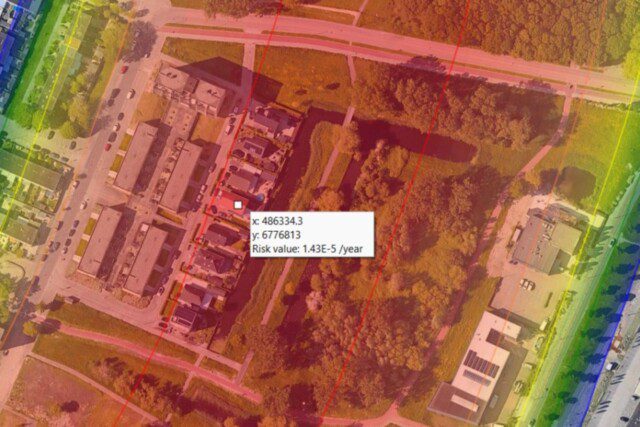
CCS risk assessment: Analysing IRPA and LSIR for pipelines transporting CO2
Analysing risks with RISKCURVES for buried pipelines transporting CO2, focusing on Individual Risk criteria LSIR and IRPA.
CO2 hazard modelling
This webinar discusses CO2 hazard modelling and demonstrates how advanced tools can be used to accurately assess and mitigate CO2 risks.

CO2 dispersion modelling in FLACS
Understand CO2 dispersion modelling examples, challenges, and insights from Aker Solutions.

Modelling of CO2 pipeline rupture events
This presentation explores the potential consequences at the surface from a rupture in a subsea pipeline.
Stay ahead in process safety and risk management
Get the latest trends in the field of process safety management straight to your inbox, and enhance your skills through knowledge sharing from industry experts.
Subsribe to our newsletter